Świeradów‑Zdrój without a car: rail, buses and cross‑border freedom (Euro‑Nysa, KD D62, easy transfers)
How to reach Świeradów‑Zdrój and roam the Izera Mountains without a car. A step‑by‑step guide to KD’s D62 trains, smart bus connections, and the Euro‑Nysa network that unlocks spontaneous day trips across Poland, Czechia and Germany—plus ready‑to‑use weekend scenarios from Wrocław, Dresden and Liberec.
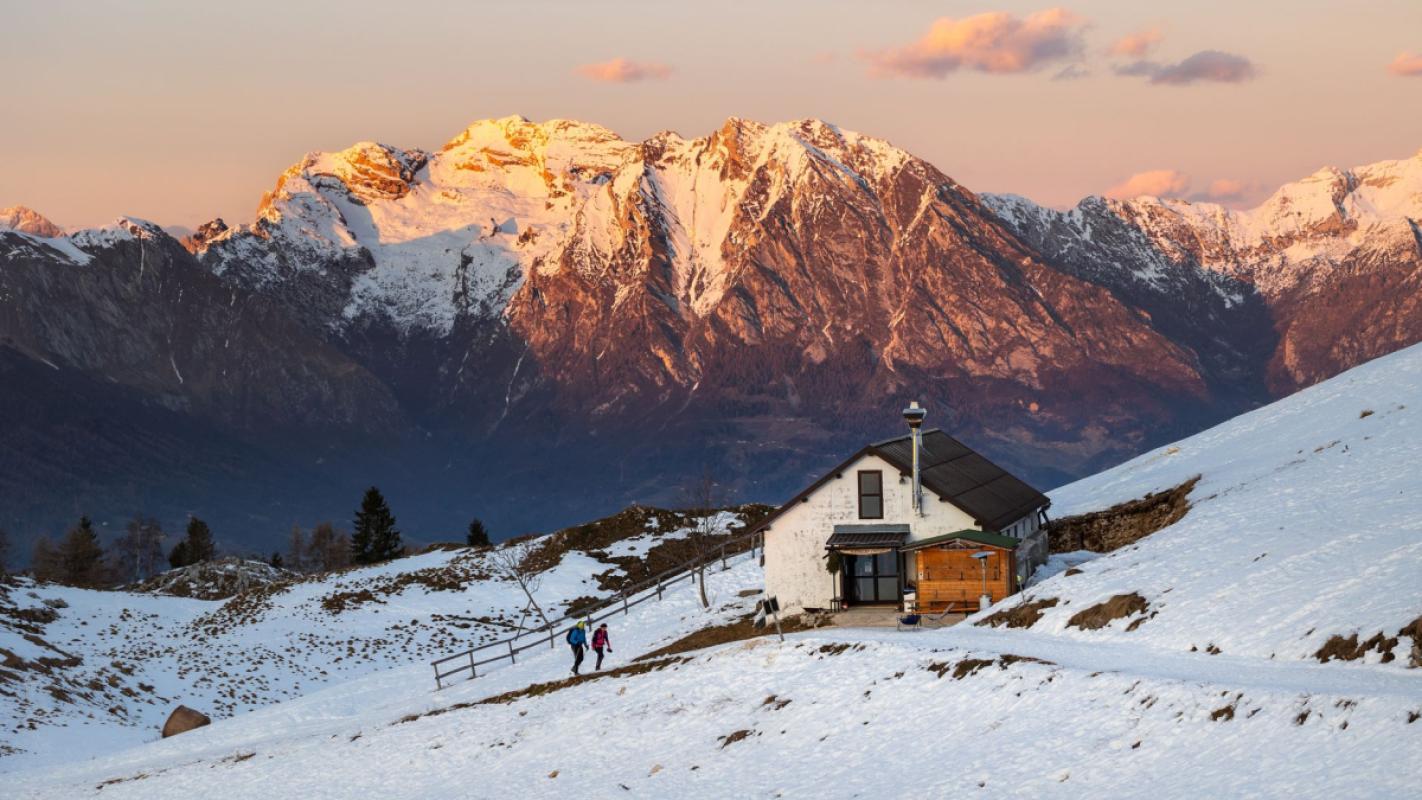
The spruce air is the first hint you’re in the right place. You step off at the rebuilt railway stop in Świeradów‑Zdrój and the town lifts around you in tiers of wooden balconies and mineral‑water lore. No keys rattling in a hire car, no dashboard anxieties. Just a railway platform, a rhythm of buses, and mountain trails that begin where the cobbles end. This is a spa town—and a ridge—made for slow arrivals.
Arriving by train: the new old way
Świeradów‑Zdrój has its railway back. After decades in the footnotes, regular passenger services were reinstated in December 2023 following the revitalisation of the line from Gryfów Śląski. For the traveler it changes everything: you can now plan a mountain weekend built around rail‑reliable transfers rather than car‑park lotteries.[1]
The backbone for most journeys is KD’s line D62. Think of it as a flexible corridor that links Görlitz/Zgorzelec with Gryfów Śląski and branches toward resort termini in the mountains—Świeradów‑Zdrój among them. In practice, that means simple, legible connections between the German–Polish border at Görlitz and the rail hub at Gryfów, where trains turn into the hills.[2]
Świeradów‑Zdrój’s compact stop sits on Dworcowa Street, an easy, gently rising walk into the center and the spa quarter. Morning light warms the tiled roofs; luggage wheels clatter over paving stones. You’ll pass bakeries, a kiosk selling maps, and—if you detour a block—the Tourist Information Centre on ul. Zdrojowa, a good place to pick up current trail and bus maps. You could be in the Hala Spacerowa within a quarter of an hour, boots still clean from the train.
From platform to gondola: stitching the last mile
Mountain towns demand last‑mile decisions. In Świeradów, that choice often means a short bus hop across town or a purposeful walk to the gondola. Local buses orbit the center and the spa quarter on concise loops; in season, expect extra capacity on weekends. The municipality publishes notices and real‑time links for its city routes—handy when the weather turns or a storm pushes traffic off schedule.[6]
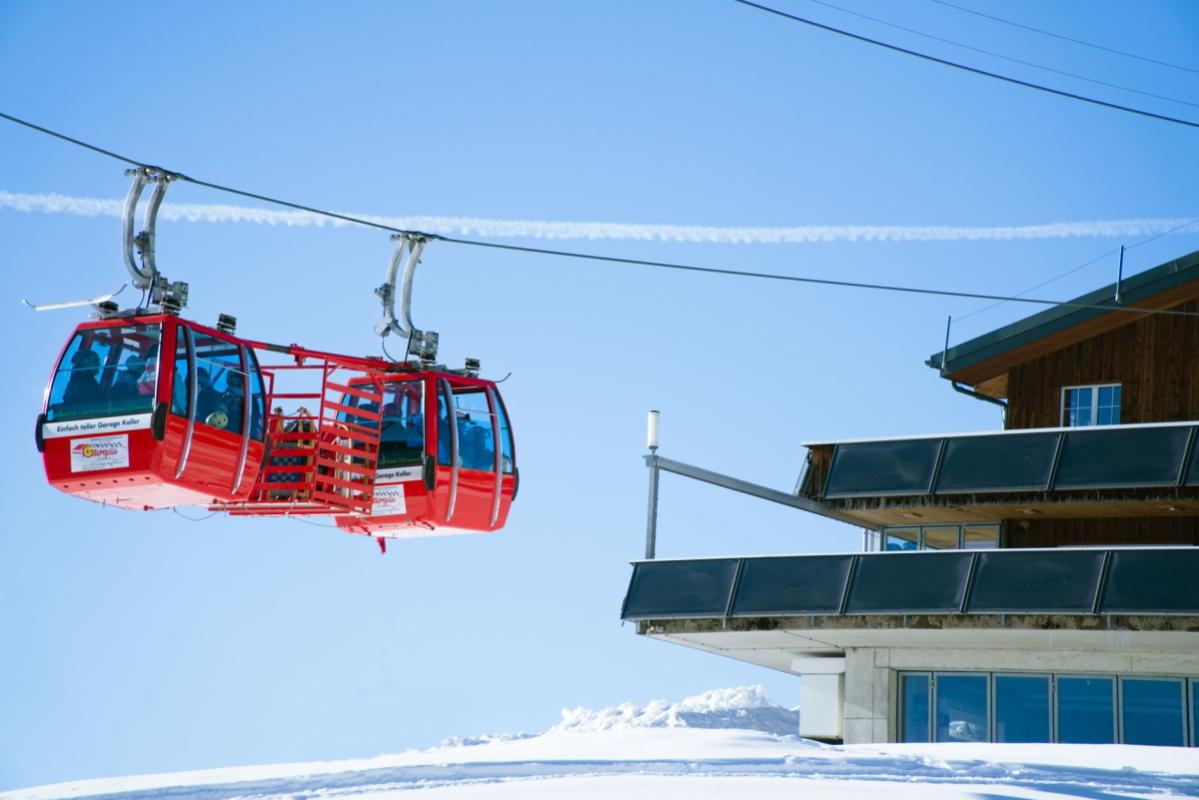
The other option is the elegant lift line itself. The Gondelbahn Stóg Izerski rises from the southern edge of town to just below the ridge, delivering you within a brief stroll of the PTTK Mountain Hut on Stóg Izerski and the crest‑line paths that fan toward Smrk, Polana Izerska and beyond.[4] Cabins hum overhead, spruce tops drift by, and in a handful of minutes you’ve traded cafés for ridgeline sky.
Euro‑Nysa demystified: one pass, three countries
Here’s the secret that turns a weekend into a web of options: the Euro‑Nysa Ticket (ENT+). It’s a cross‑border, day‑or‑multi‑day network ticket designed exactly for this tri‑country corner. In Germany it’s the Euro‑Neisse‑Ticket, in Poland Euro‑Nysa, in Czechia Euro Nisa—one concept, three names, the same freedom.[3]
What it buys you isn’t a single route but a mindset: hop‑on freedom across the ZVON area in Saxony, the Liberec Region’s IDOL network in Czechia, and designated lines (rail and bus) in Polish border counties, including Jelenia Góra city and the belts that wrap the Izera foothills.[3] In practice, that means you can roll into Świeradów by train, ride a Czech bus over the watershed to Bedřichov for late‑season cross‑country tracks, then swing back into Poland the same day without chasing separate fares. Planning a ridge‑and‑rail figure‑eight becomes simple rather than fragile.
Cyclists, take note: ENT+ offers a supplemental ticket for a bike or—even more regionally specific—a dog.[3] On busy winter weekends and summer holidays, board early and position your bike in the signed carriage or the driver‑designated space, and keep a strap handy. Snow days see more sleds than spokes; patience pays.
How to plan like a local
1) Build around D62, then branch
Start with the train you want into Gryfów Śląski, then pair it with the D62 service that runs up to Świeradów‑Zdrój. From the German side, look for the Görlitz–Gryfów corridor; from Lower Silesia, Wrocław and Jelenia Góra feed frequent regionals to the same junction. D62 is your mountain elevator; everything else is a corridor to reach it.[2]
2) Check for rail bustitutions early
Weather and maintenance can nudge trains onto buses, especially outside peak seasons. Before you commit to a tight hiking window, check the operator’s official timetable and service alerts for any rail replacement notes on the Gryfów–Świeradów section. Pad your transfer in Gryfów when fronts are moving through the Sudetes. If you do meet a replacement bus, it typically stops close to the station forecourt—keep footwear laces and ski bags tidy for quick boarding.
3) Use the town’s real‑time tools
Świeradów’s municipal site aggregates notices for its city routes and links to real‑time departure boards. It’s not a complete regional planner, but it’s invaluable for those short shuttles between the spa quarter, gondola base, and residential stops. When the sky turns pewter and the ridge disappears in a flurry, knowing your bus is five minutes out feels like a small luxury.[6]
4) Buy where you board
For ENT+, think simple: you’ll typically buy from participating rail or bus staff, station ticket windows, or designated points in the ZVON/IDOL areas. If you’re traveling primarily in Lower Silesia by train with only a cross‑border flourish, consider whether a national rail ticket paired with ENT+ for the day you roam is the sweet spot. If you intend to zigzag buses in Liberec and the Zittau corner with a single loop back to Świeradów, ENT+ becomes the backbone rather than the add‑on.
5) Traveling with kids
Family‑style weekends work well here. D62 is pram‑friendly and platforms are low‑stress. In town, the walk from station to Dom Zdrojowy and the Hala Spacerowa is short and shaded; even small legs can make it to the mineral‑water taps without a mutiny. The gondola is a seasonal show‑stopper—cabins feel like a glassy toy—and the ridge meadows around Stóg Izerski are picnic‑perfect on calm days.[4][5]
Putting it together: day loops that start at the station (or the gondola)
Świeradów gives you two natural “launch pads”: the railway stop and the gondola base. Both lead to loops that feel efficient rather than effortful, with minimal trudging on tarmac.
Loop A: From platform to spa to ridge
Arrive by train. Walk up Zdrojowa to the Dom Zdrojowy, slip into the timbered cool of the Hala Spacerowa and fuel up. From the spa quarter, continue south on foot or by short city bus to the gondola. Ride to near the crest, visit the PTTK Mountain Hut on Stóg Izerski for a bowl of soup and the scent of pine resin, then stroll a section of the ridge path. On a clear day, the light thins out over the Kamienicki Range and your boots scuff quartz pebbles baked to a sugar‑white. Descend by lift; amble back through town in the long light of afternoon. Children sleep well after this one.[4][5]
Loop B: Ridge traverse to Smrk, return via Czerniawa‑Zdrój
Use the gondola to get your altitude; from the top, keep the slope on your right and pick up the way toward Smrk on the Czech side. The forest quiets here, even on busy days. You’ll skirt peat meadows and wind‑stunted spruce before the final pull to the lookout. Loop down toward the border meadows and return via Czerniawa‑Zdrój, where the town starts to whisper back into your walk: the smell of coffee, the clink of cups, a bus that short‑cuts the last two kilometers when little legs demand it. No car. No rush.
Loop C: Polana Izerska and Jizerka day
On settled weather, pair an early gondola ride with a long, mellow day across the high clearings. Aim for Polana Izerska, then continue into the Czech side for a late lunch in Jizerka Village before turning your steps back toward the gondola or down to the spa quarter. On shoulder‑season weekdays you may have long sections to yourself, just the hiss of kettle grass and the dart of a lark. ENT+ makes the safety net: if clouds build and you choose to bail to the Liberec side, a bus and train chain will bring you back without drama.
Weekend playbooks: Wrocław, Dresden, Liberec
From Wrocław (Friday night or early Saturday)
Board a regional train toward the Jelenia Góra line and aim to change at Gryfów Śląski. From there, D62 is your mountain shuttle to Świeradów‑Zdrój. Sleep steps from the spa quarter. Saturday: gondola to the ridge, hut lunch, a sweep toward Smrk, then back to the Hala Spacerowa for mineral water and that honeyed smell of larch boards.[2][5] Sunday: a lower‑altitude ramble along the Kwisa or a bus‑aided wander to Mirsk’s old market and back by afternoon train.
From Dresden (day trip or 1‑night)
Ride east to Görlitz, cross the Neisse, and hop onto the KD service toward Gryfów Śląski; D62 continues up the branch to Świeradów‑Zdrój. ENT+ shines here: one network concept gets you across borders without collecting tickets like postcards.[2][3] On a summer Saturday you can breakfast in Dresden, eat blueberry pancakes at the PTTK hut, and be back on the Elbe by late evening—sunburned and smug.
From Liberec (ski day or blue‑sky hike)
Use the Liberec Region’s IDOL services to get you to the northern foot of the ridge—Bedřichov for winter tracks, Hejnice or Nové Město pod Smrkem for hiking access. ENT+ keeps your options fluid across the day.[3] Cross onto the ridge near Smrk and descend toward the gondola. If legs protest, drop earlier to Czerniawa‑Zdrój for a short bus back to the spa quarter and a last glass in the Hala Spacerowa before the Liberec bus home glides up under the lamps.
In town: trains, timber and time
You’ll notice how close everything sits. From the station, the town steps up in terraces of villas to the Dom Zdrojowy and its long, breathing gallery—the Hala Spacerowa—a wooden hall that looks like a ship’s hull turned inside‑out. Its glass glows warm on cold days; a brass tap offers the mineral taste that drew visitors long before the rails. This is a good place to begin or end any loop—especially when clouds roll in low and the ridge dissolves into a watercolor.[5]
When the weather clears, the gondola calls—Gondelbahn Stóg Izerski—a practical and beautiful piece of mountain infrastructure that stitches town to crest. Riders share cabins with skis, kids with wide eyes, the odd dog with a heroic expression. At the top, a few brisk minutes bring you to the PTTK Mountain Hut on Stóg Izerski. Order something simple. Step back outside for the wind through spruce. Decide whether today is a long traverse day or a lazy one.[4]
Practicalities (evergreen)
- Check routes and alerts close to departure. Look up KD’s official timetables for line D62 and verify whether any sections are temporarily covered by buses. Then confirm your connecting regional service into Gryfów Śląski. Treat winter storm days and summer heat‑repair windows with the same caution: build margin.
- For buses in town, use the municipal links to real‑time boards for Świeradów’s routes. Regional buses to Jelenia Góra and nearby towns are usually operated by private carriers—timetables and stops can change with the season; the Tourist Information Centre is a reliable backstop for printed updates.[6]
- Euro‑Nysa (ENT+) is the most flexible way to knit together rail and bus across the PL–CZ–DE tripoint. It’s valid across the ZVON area in Saxony, the Liberec Region’s IDOL network, and many lines in Polish border counties. There’s a bike/dog add‑on. Don’t chase prices here—they change; confirm current terms at points of sale on the day you travel.[3]
- With bicycles, expect seasonal crowding. Board early, use the marked carriage or designated spaces, and carry a strap. If a particular train or bus can’t take more bikes, the operator will usually direct you to the next service; ENT+ helps by broadening your options.
- Popular goals align neatly with public transport: the Dom Zdrojowy and Hala Spacerowa are a short walk from the station; the Świeradów Gondola Lift is reachable on foot or by a short bus from the spa quarter; the PTTK Mountain Hut on Stóg Izerski sits just below the crest; Smrk crowns the Czech side; Jizerka Village is a classic cross‑border day out. Trails radiate from the top station and from the edge of town—choose to minimise tarmac by front‑loading altitude with the gondola, then descending on foot.
Not every mountain journey needs an ignition key. Trains thread the foothills again, the gondola lifts quietly out of town, and the Euro‑Nysa web makes borders feel like lines on a map rather than walls. Give yourself to the timetable, build in the kind of margins that make room for serendipity, and let Świeradów‑Zdrój do what spa towns do best: slow your pulse while the mountains lengthen your stride.