Meadows Full of Wings: Butterflies, Bumblebees and Day‑Flying Moths of the Izera and Karkonosze Mountains — an Observer’s Guide
Between Świeradów‑Zdrój and the ridges of the Karkonosze, meadows, clearings and the edges of peatlands form a mosaic easiest to read through the prism of pollinators. This guide shows where and how to observe nymphalids, blues, whites, burnet moths and bumblebees — ethically, and only from designated trails and boardwalks.
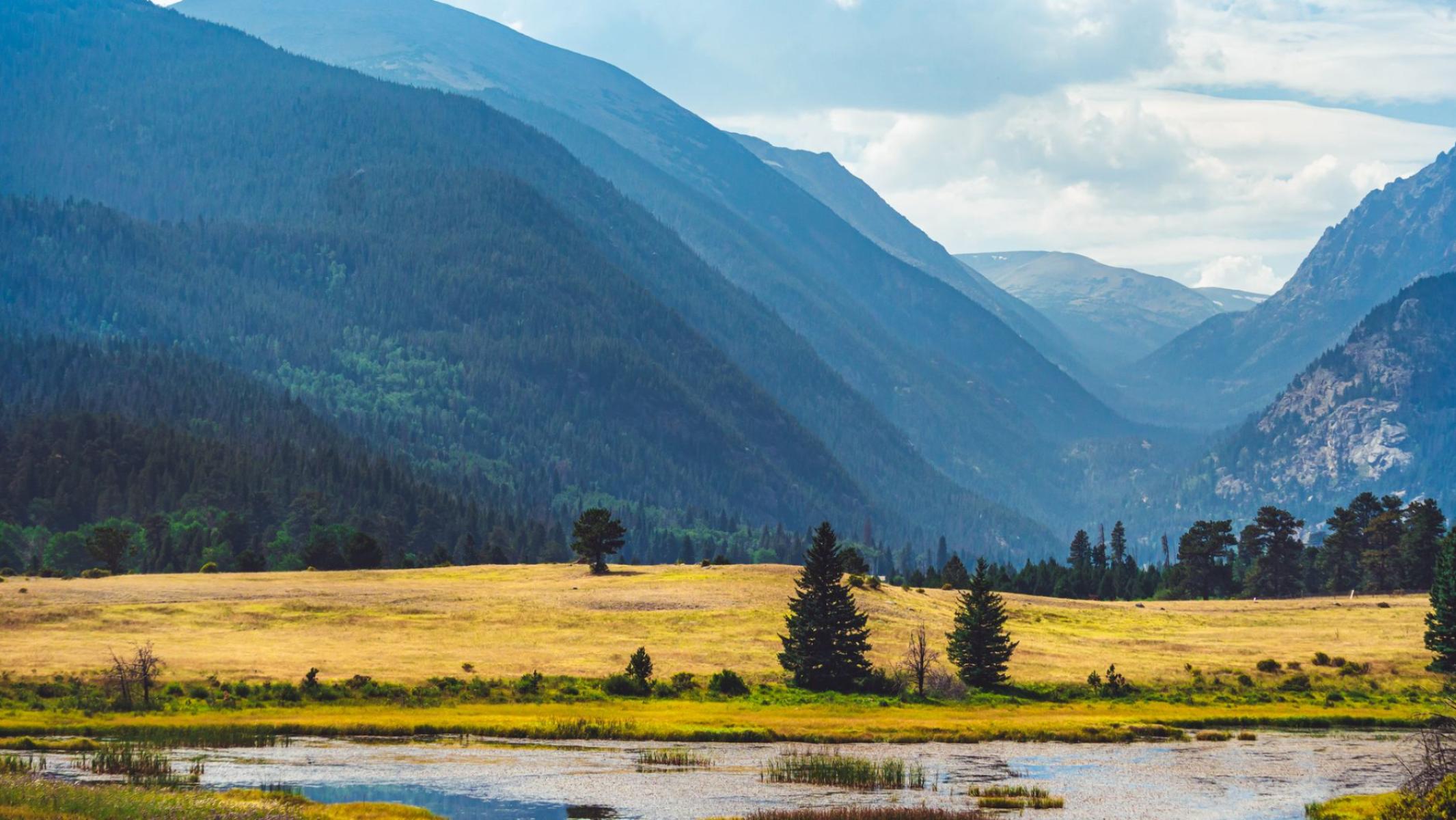
The first thing you smell on the clearings above Świeradów is the resinous breath of the spruce woods. The second is the warm flutter of wings when the sun breaks through wind‑driven bands of cloud. Stop at the forest edge or on a dry island among the moss carpets and the meadow will begin to “speak”: whites slice the air like sparks, blues whirl just above clumps of clover, and dark, shiny burnet moths with red spots hover over the cautious ones. This lesson in reading the landscape is best taken slowly and with a camera in hand — but always with respect for nature protection rules.
The mosaic of habitats: how to read meadows, mountain pastures and peatland edges
Between Świeradów‑Zdrój and the Karkonosze ridges the landscape arranges itself in sequences of light and shade: sunlit clearings, forest margins, waterlogged depressions with carpets of moss. Peatlands dominate valley bottoms and flattened terraces — sensitive and valuable, protected as a special habitat area “Torfowiska Gór Izerskich” (code PLH020047). That protection is not abstract: it was established by an official regulation, which defines the boundaries and conservation purpose of this life‑rich, if outwardly austere, world[1]. ([eli.gov.pl])
The same Izera valley also holds the status of a transboundary Ramsar site — recognised by Poland and the Czech Republic as wetlands of international importance. In practice that means we walk more cautiously here, watch more attentively, and where boardwalks or designated paths exist, we use only them[2]. ([gov.pl])
On the southern side of the border the Czech Chráněná krajinná oblast Jizerské hory (CHKO) provides the natural frame — a protected landscape that since the late 1960s has knitted meadows, forests and peatlands into a unified mosaic of conservation and trail tourism[4]. It is in this mosaic that you best understand why habitat diversity raises the “temperature” of insect life: the more edges between dry and wet, warm and cool, sunlit and shaded — the more niches for winged visitors. ([cs.wikipedia.org])
Places where you learn to look
Hala Izerska: the clearest lesson in light
On Hala Izerska — also called Izerska Łąka or Jizera Meadow — you’ll see a textbook arrangement: dry tussocks of grass lifted like islands, between them cool hollows and shimmering darker bands of peatland plants. When the sun comes out, in half an hour a spectacle emerges from apparent stillness: nymphalids settle on stones to warm their wings, blues skim low over bouquets of flowers. Watch from a distance and from designated routes — it can be colder here than it seems, but the entomological summer begins instantly when the wind eases[5]. ([en.wikipedia.org])
Clearings around Szrenica: forest margins as runways
In the Karkonosze choose the clearings and forest margins around Szrenica. Granite boulders warm up and act like sunny benches for nymphalids; a light breeze carries the scents from flowering clumps that attract whites and bumblebees. Pause at openings between spruces — movement is more obvious here than deep in the wood. Remember: this is a national park zone. Photograph and observe only from the trail.
Jizerka on the Czech side: meadows framed by the CHKO
The small settlement of Jizerka lies in the heart of the Czech mountain part — in a protected landscape where waymarked paths run along meadow edges and beside peatland enclaves. In summer, on a windless morning, at a flowering clump you’ll see everything at once: the slow, rocking flight of burnets, the nervous vertical cuts of whites and the patient arrivals of bumblebees, landing with a soft, low buzz. Stay on the route and you’ll see more — the movement of air and light will draw the actors of the scene to you[4]. ([cs.wikipedia.org])
Izerska Łąka — Ecological Education Centre: a city starting point
Before you head out, visit Izerska Łąka in Czerniawa‑Zdrój. This intimate centre lets you “tame” the subject: exhibitions on meadow fauna and flora, telescopes and macro details, and even a monitored beehive that allows you to observe the work of bees up close — without getting in anyone’s way. You will leave with a different sensitivity to small things: from wing texture to the rhythm of flight pauses[3]. ([swieradow-zdroj.pl])
How to recognise groups in flight — silhouette, flight and behaviour
Nymphalids (Nymphalidae) are “theatrical.” They land on stones or trunks and spread their wings flat, as if posing for a picture. In flight they can glide for several metres before settling in sunlit patches. They are easiest to spot at clearing edges and on sun‑warmed boulders.
Blues (Lycaenidae) are small and “electric” — a flash of blue when males patrol low over patches of meadow, often above clover or knapweed. When it’s windy they move lower, using the shelter of the grasses. It’s worth kneeling: the world of blues often begins 20–40 cm above the ground.
Whites (Pieridae) are contrast and motion: simple, repetitive wing beats and dashes between white and green. Often you’ll see pairs circling each other like in a waltz, disappearing and returning over the same bouquet of flowers.
Burnet moths (Zygaenidae) are day‑flying moths with red “lanterns” on dark, metallic wings. They fly slowly, as if unhurried, happily hovering over flowerheads. They are among the most obliging subjects for macro photography — provided you don’t come too close or block their sun.
Bumblebees (Bombus) make sound. That sound — warm, soft, steady — you’ll hear before you see them. They keep working even when it cools and clouds obscure the sun; they return to the same plants if flowers still offer nectar. They are good teachers of patience: follow your gaze from flower to flower and you’ll learn their routes.
Photograph without harm — field practice
- Choose the light and the spot, not the chase. The best moments are warm, windless ones: late morning, when the dew has dried, and afternoon when the sun softens. Instead of running after a butterfly, sit by a clump of flowers and wait — movement will come to you.
- Stand with the wind at your back. Insects prefer to sit on the leeward side of meadow patches. This way you won’t block their light or cool the plants with your shadow.
- Macro, yes — touching, no. Do not catch or “replant” insects onto a prettier flower — in protected areas handling and killing wild animals is forbidden, and elsewhere it is simply bad practice. Think of photographing as portraiture from a distance.
- The path is your boundary. Peatland edges are generally accessible from designated routes and — where present — boardwalks. Walking on mosses destroys years of plant and soil work, and the air movement caused by footsteps startles delicate butterflies.
- Background matters. Look for an axis of light: white whites show better against the dark forest background, and metallic burnets look striking backlit, gleaming like enamel.
When wings take off: weather and the daily rhythm
Butterflies and burnets are masters of the sun: as cold‑blooded animals they warm up when temperature and light rise. That is why on Hala Izerska, where mornings can be surprisingly cool, the best observations start when the sun warms the meadow patches and the wind eases. You’ll see a sharp increase in activity after brief bright spells and at forest edges, where the tree background softens gusts. After a storm — if the sun comes out — the meadow can be at its busiest: the air is still and flowers “open a buffet.”
Bumblebees extend the day: in light cloud they still work on heaths and herb stands, and their flight paths remain readable even in cooler afternoons. A windy, dry peak time? Look on the leeward sides of hills and in hollows. Bear in mind too that during prolonged dry spells nectar production weakens — then it’s better to search near water, ditches and wetter meadow edges.
Rules that protect meadows and their inhabitants
On the Polish side the rules are clear: in national parks we move only on marked trails. Catching and killing wild animals, destroying nests, collecting antlers, and leaving the trails are all prohibited — unless you have formal permission. It’s not just law, but a simple instruction on how not to spoil the meadow lesson for others (and yourself)[6]. ([api.sejm.gov.pl])
On the Izera peatlands — a Natura 2000 area designated by regulation — rules arise from habitat protection. Walk the accessible routes, and if boardwalks run through the site, do not leave them; do not step on mosses, do not scatter tussocks, do not “clean the background” for a photo. You are facing interconnected vessels: a trampled moss is not only a “gap” in the green, but a loss in the water‑retention system that cools the area and feeds the meadows[1]. ([eli.gov.pl])
On the Czech side, in CHKO Jizerské hory, stick to waymarked trails and follow local signs — especially in reserves and near peatlands. This is a visited area but managed so that nature has priority; your steps here are those of a guest[4]. ([cs.wikipedia.org])
The Izera valley also holds the rank of a transboundary Ramsar site. That implies an additional commitment to the “wise use” of wetlands — in practice: quiet presence, keeping to marked paths, refraining from drones and picking plants. In return you get something money can’t buy: a meadow that lives with a full, varied voice[2]. ([gov.pl])
Looking at a sunlit patch you will hear more than a buzz. It is the rhythm of a place that keeps working: water, light, wind and wings negotiate every centimetre of space. Walk slowly, give nature priority and stay on the path. The rest will happen by itself.