Seasons in the Izeras and the right kit: how to dress, what to pack and how to budget a mountain escape
In the Izera Mountains, sunlit afternoons turn to chill in minutes and the famous Izera Meadow can freeze even in midsummer. Here’s a rigorous, evergreen guide to seasonal weather, smart layering, a GOPR‑inspired packing checklist, and how to plan a budget — from transport and huts to integrated Euro‑Nysa tickets.
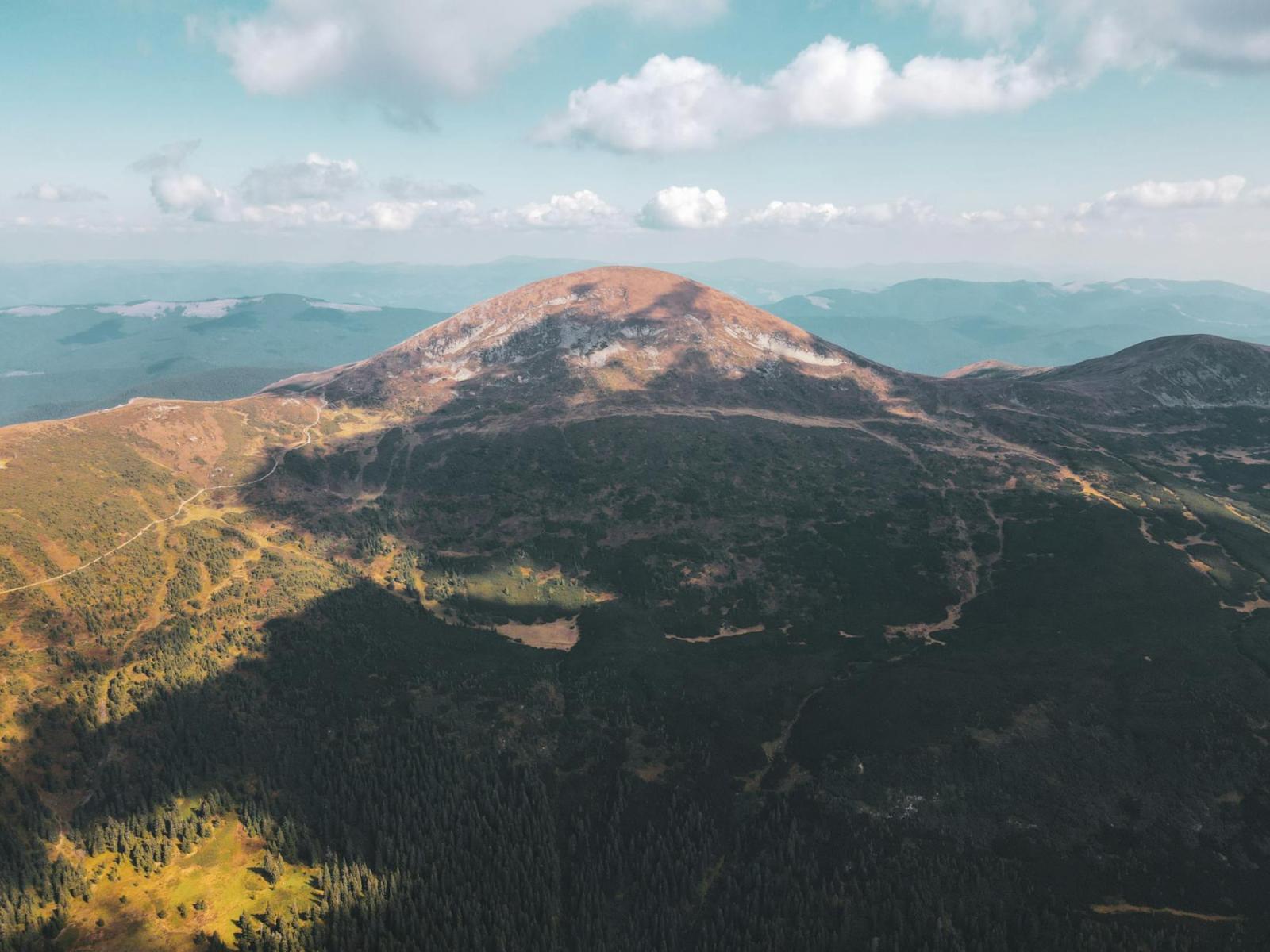
The first breath on the Izera Meadow carries the smell of wet peat and spruce resin. Even in July, dawn bites. Wind travels fast across the bog hollows and the grasses answer with a dry whisper, while a seam of fog tucks itself into the valley like a blanket being pulled up to the chin. This is a range that rewards those who dress for change, plan like locals, and pack as if the weather keeps its own counsel.
The weather grammar of the Izeras
The Izera Mountains sit between the Lusatian hills and the Karkonosze, a compact, undulating massif of granite, gneiss and high moorland where weather systems have a habit of lingering. The range is known for above‑average precipitation; one nearby station once logged a European daily rainfall record — a piece of climatological fine print that tells you a lot about why paths can be slick and streams quick to swell here.[2]
What you feel most is contrast. Afternoons can be shirtsleeve‑warm; evenings drop suddenly. In wide, marshy depressions such as Hala Izerska — the vast Izera Meadow — cold air pools at night, creating pre‑dawn lows that can flirt with frost even in summer. Local hikers call it a cold pole of Poland for a reason: snow can persist for months and the frost window is long.[1] That microclimate shapes how you pack and how you move — patiently, with an extra layer always within reach, and a respect for wind that seems to arrive out of nowhere across an open bog.
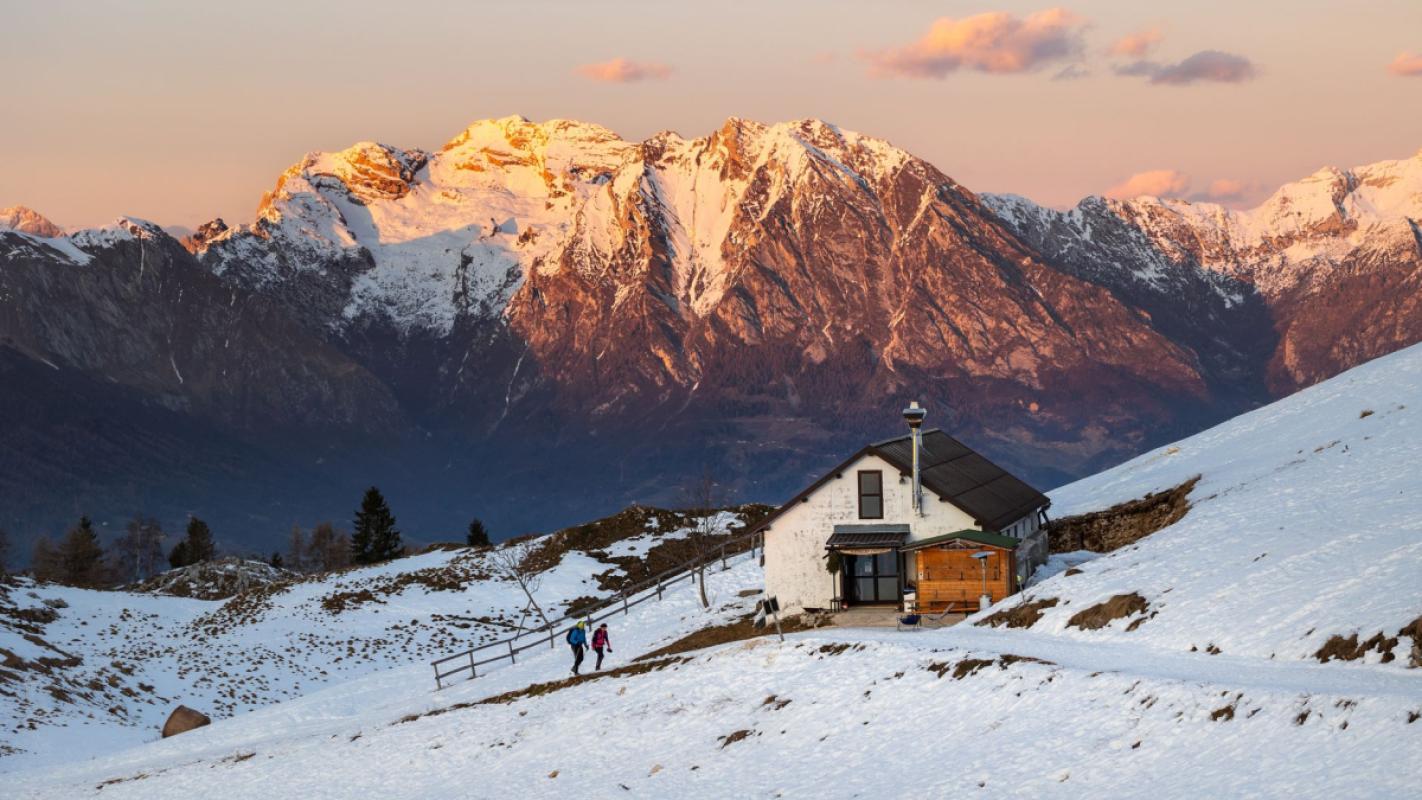
Winter in the Izeras isn’t just a season; it’s a tempo. Trails are quieter, spruce stands go still, and the soundscape reduces to the scrape of skis, the crunch of hard snow, and the occasional wingbeat of a jay. Snow cover often lasts well beyond what visitors from the lowlands expect.[1] Spring thaws turn plank paths and peat margins into a dance of slick boards and puddled shadow. Summer brings long light and storms that build fast; autumn is crisp, scented with needles and mushrooms, and notorious for fog that can wash away landmarks. Dress, pack, and plan as if any two of those might visit the same day.
Layering that works when the mountain changes its mind
Think of your clothing as a responsive system, not a set outfit. In the Izeras — with their wet‑cold character on the high moor and a wind that rides low — the essentials remain steady across seasons:
- Base layer: Wicking long/short sleeve depending on season. Merino or synthetics keep skin dry when fog and sweat conspire.
- Active insulation: A breathable fleece or thin synthetic jacket that can stay on while you move without overheating.
- Shell: Always pack a waterproof, windproof layer. Even on blue‑sky days, a squall can race across the Meadow faster than you think.
- Legs: Softshell or hiking trousers that dry quickly; in shoulder seasons, add thin thermal tights for dawn starts on Hala Izerska.
- Extremities: A warm hat and light gloves live in the pack year‑round here; in summer, add a brimmed cap and sunglasses for glare off pale granite and peat pools.
- Feet: Waterproof mid‑height boots with grippy soles earn their keep on rooty, bog‑edged sections. Trail shoes are fine for dry, short days; in wet weather, boots win.
Seasonal tweaks matter:
- Summer: Light base, airy mid‑layer, reliable shell, sun protection, and bug spray for low, damp clearings. Even in July, bring a warmer jacket for dawn or dusk on the Meadow.
- Autumn/Spring: Windproofs and thicker mid‑layers; pack a beanie and liner gloves. Expect slick leaves, muddy gullies, and cold rain.
- Winter: Add a loftier insulated jacket, spare gloves, and a thermos. Microspikes and trekking poles turn icy forest roads and wind‑scoured ridges from risky to reasonable. For deeper snow, gaiters keep the melt at bay.
The Izera pack list: essentials inspired by good mountain practice
Always‑carry kit (year‑round)
- Navigation redundancy: Map and compass plus an offline map on your phone. Batteries die; paper doesn’t.
- Light: Headlamp with spare batteries. Fog and forest can turn mid‑afternoon dim; a head‑torched walkout is better than a stumble.
- First‑aid basics: Blister care, elastic bandage, tape, a few dressings, pain relief, personal meds. Each hiker carries their own small kit.
- Warmth and shelter: Lightweight emergency bivy or space blanket; thin extra layer, even in summer.
- Hydration and calories: Water for your route plus a buffer; high‑energy snacks that don’t mind the cold.
- Comms: Charged phone in a zip bag, power bank, emergency whistle. Know the emergency numbers: 601 100 300 (mountain rescue in Poland) and 112 (EU).[3]
Seasonal add‑ons
- Shoulder season: Thin thermal leggings or long johns; waterproof mittens over fleece liners.
- Winter: Microspikes (or crampons where appropriate), trekking poles with snow baskets, hot drink, spare insulating layer, heat packs, and goggles if wind is forecast.
- Biking days: If you swap boots for pedals around Stóg Izerski and the gondola area, pack a multi‑tool, link, pump, and a jacket you can throw on for exposed chair or gondola rides.
Route planning and calling for help
Build routes with daylight in mind and a margin for bog boardwalks, photo pauses, and weather stalls. Leave your plan with someone who isn’t hiking. Check protected‑area advisories for nature reserves and any temporary trail closures. If something goes wrong, move to a safe spot, protect against cold, then call 601 100 300 or 112; share your trail color, last known point, and direction of travel.[3] In Poland’s mountains, the official “Ratunek” app can speed contact and location sharing with rescue services — a smart addition to your phone for the Sudetes.
How to budget an Izera trip without guesswork
Budgets are more resilient when you slice them into predictable categories and anchor each category to an official source for current prices. For the Izeras, think in four boxes: transport, accommodation, food, and entries/experiences.
Transport
Once you’re in Lower Silesia, regional rail and buses knit trailheads, spa towns, and the borderlands into a practical car‑free web. One powerful tool is the integrated Euro‑Nysa Ticket, designed for the tri‑border region of Poland, Germany and Czechia. It’s a day ticket valid across an extensive zone in the Liberec Region and Upper Lusatia (ZVON) plus designated counties on the Polish side; it’s honored on hundreds of bus and rail lines and, per official materials, selected tourist services such as Liberec’s Ještěd cable car and the Zittau narrow‑gauge line have been included in the offer framework.[4] Don’t memorize prices — they change. Instead, set a “mobility envelope” in your budget, then check the current rules, area maps and purchasing options via official operators or Poland’s rail regulator page before you commit.[4]
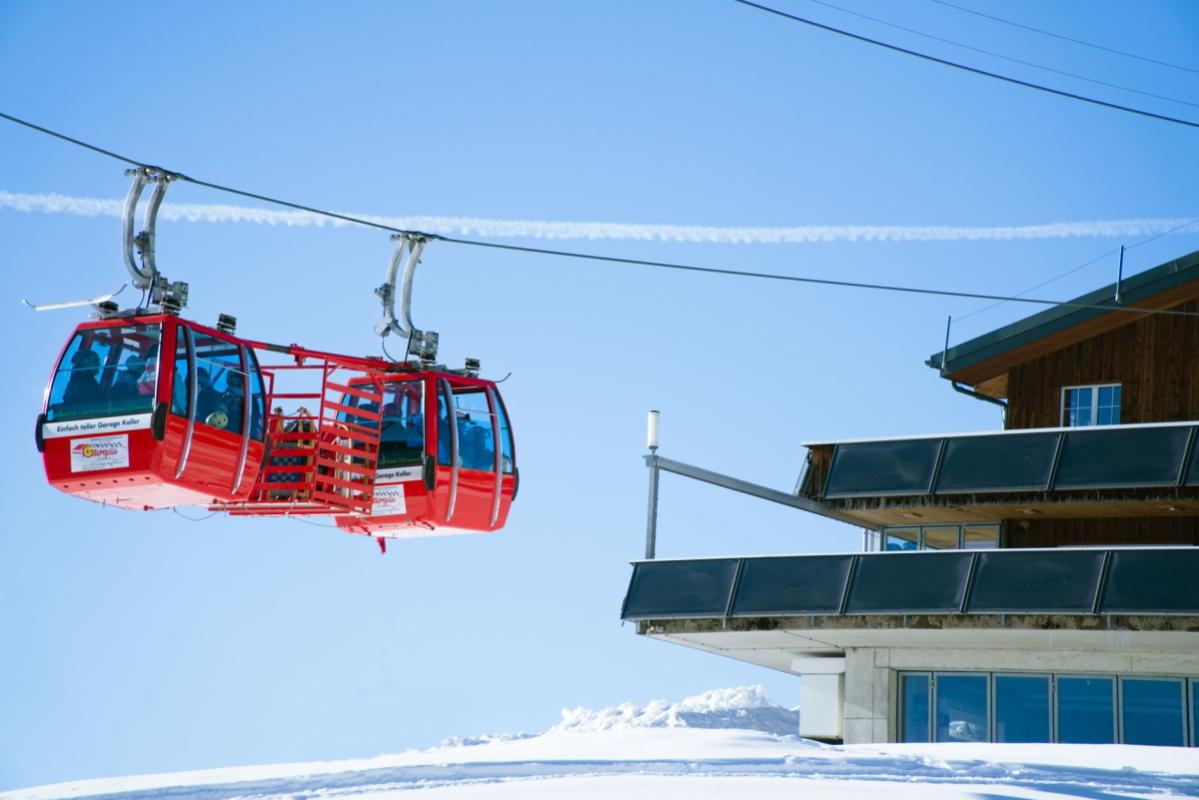
Locally in Świeradów‑Zdrój, the Ski&Sun gondola to Stóg Izerski runs year‑round, doubling as a scenic lift in the green season — good to keep as a line item if you’re planning family days or mixed‑ability groups.[6] Put it under “experiences” rather than “transport” and monitor opening hours right before you go, as windy days can pause operations.
Accommodation
Range your options: spa‑style hotels in town, simple pensions, or mountain huts anchoring classic routes over the High Ridge. For hut nights, budget for cash on site, basic meals, and the possibility of using your own sheet or lightweight liner. In town, shoulder seasons often bring good rates — but keep a sliver of budget for wellness add‑ons or pool access if the weather turns grim.
Food
Think of food in two lanes. Lane one is trail calories: reliable, quick‑to‑eat snacks, a thermos in winter, and flexible water capacity for long or exposed sections (the Meadow is beautiful but can be dry, then very wet — neither promises a handy spigot). Lane two is town meals and café stops. If you base in Świeradów‑Zdrój, factor in a post‑hike stroll through the historic Hala Spacerowa — the larch‑lined indoor gallery in the Spa House — where you can warm up, linger over a coffee, or sip mineral water at the pump room.[5]
Entries and experiences
Two smart budget moves: first, align your itinerary with what the weather will actually let you enjoy; second, put a shortlist of “plan‑B” experiences in your notes with official links for hours and ticketing. On clear days, ridge walks and sections of the Main Sudetes Trail flow straight out of town toward Stóg Izerski and beyond. On doubtful days, the spa galleries and the Natura 2000 Ecological Education Centre “Izerska Łąka” in Czerniawa‑Zdrój make excellent, weather‑proof pivots. If the forecast lifts by afternoon, that gondola scenic ride becomes a justifiable splurge for sunset without overcooking your legs.[6]
Packing matrices you can copy to your notes
One‑day Izera hike (fair weather, mixed trails)
- Clothing: wicking tee, light fleece, shell; hiking trousers; hat and light gloves in the pack.
- Footwear: waterproof boots or robust trail shoes; trekking poles optional.
- Navigation: paper map + compass; phone with offline map; trailhead photo of your route board.
- Safety: mini first‑aid kit; headlamp + spare batteries; emergency bivy; whistle; power bank; ID and small cash.
- Food & water: at least one bottle plus buffer; calorie‑dense snacks; small lunch.
- Extras: sunglasses, sunscreen, insect repellent; thin sit‑pad for bog‑edge breaks.
Two–three days (hut‑based or from a spa base)
- Everything from the one‑day list, plus: thin sleeping bag liner; extra socks; compact towel; spare base layer; pack liner/dry bags.
- Navigation detail: stage notes with time checks; sunrise/sunset times; bail‑out trails marked.
- Weather strategy: an extra warm layer for dawn on Hala Izerska; shell trousers if showers are likely.
- Food: breakfasts/dinners at hut or town; day snacks stocked in advance to avoid a “calorie crunch” between stops.
Family weekend (mixed weather plan)
- Clothing: everyone has a shell and warm layer; kids carry something light but you hold group redundancy (spare gloves, buffs).
- Route design: short scenic loops with options to extend; gondola up, walk down; learning stops (Izerska Łąka, spa galleries).
- Motivation: snacks on a schedule; a “treasure” stop like a hut hot chocolate.
- Safety: numbers saved (601 100 300, 112), whistle drill, a photo of each child in that day’s outfit.
Bad‑weather pivots that save a day
Some days in the Izeras are made for moss‑dark forests and low cloud; others need a rain shadow. Two reliable salvations sit right in Świeradów‑Zdrój. The Hala Spacerowa in the Spa House — 80 meters of larch‑framed light and stained glass — is a mood lifter on its own, with the mineral water pump room under the same roof.[5] When the rain lets up, you can step straight into the surrounding park for a slow loop.
When curiosity and restlessness strike, the Izerska Łąka Ecological Education Centre in Czerniawa‑Zdrój turns the region’s dark‑sky story, peatlands and pollinators into hands‑on learning. And if the clouds finally crack by late afternoon, ride the Ski&Sun gondola up Stóg Izerski, pocket a short ridge walk, and be back in town before the stew cools.[6]
Checklist before you leave home
- Forecasts saved for your dates and elevations; sunrise/sunset noted.
- Route plan printed or saved offline; bail‑out options marked; someone at home knows your plan.
- Emergency numbers stored: 601 100 300 (mountains), 112 (general). “Ratunek” app installed and tested.[3]
- Gear check: layers tried on; headlamp tested; first‑aid stocked; microspikes/poles packed if ice is possible.
- Budget envelopes set: transport (with a note to check Euro‑Nysa validity and purchase points), lodging, food, experiences.[4]
- Tickets and hours bookmarked for the gondola and indoor attractions you’ll use as plan‑B.[5][6]
Walk the Izeras often enough and you’ll notice how quickly their moods become readable: the way wind fingers the spruces before a squall; how the Meadow’s light goes steely then silver; how a ridgeline can be dry when the forest paths run with brown water. Pack for that conversation. Build a budget and plan that flex like a good shell. The mountains will do the rest.