Stamps, guestbooks and stories from under the eaves: a cultural map of the mountain huts of Izerów and Karkonoszy
From old stamps bearing former names to well-thumbed guestbooks – the Sudeten mountain huts are archives of living histories. This guide walks you through the rituals of the trail and the places where it’s worth opening the guestbook, asking for a stamp and adding your own line.
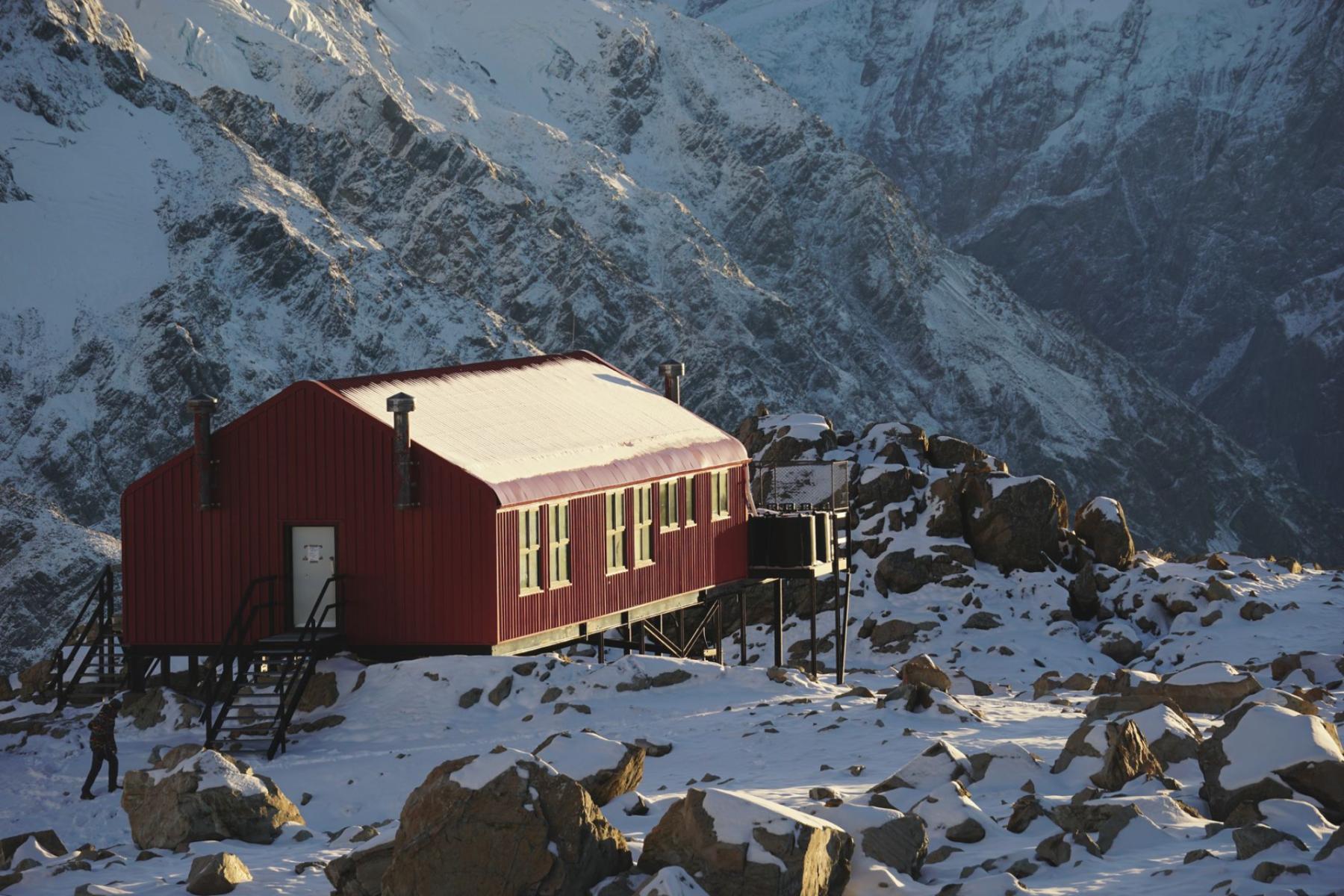
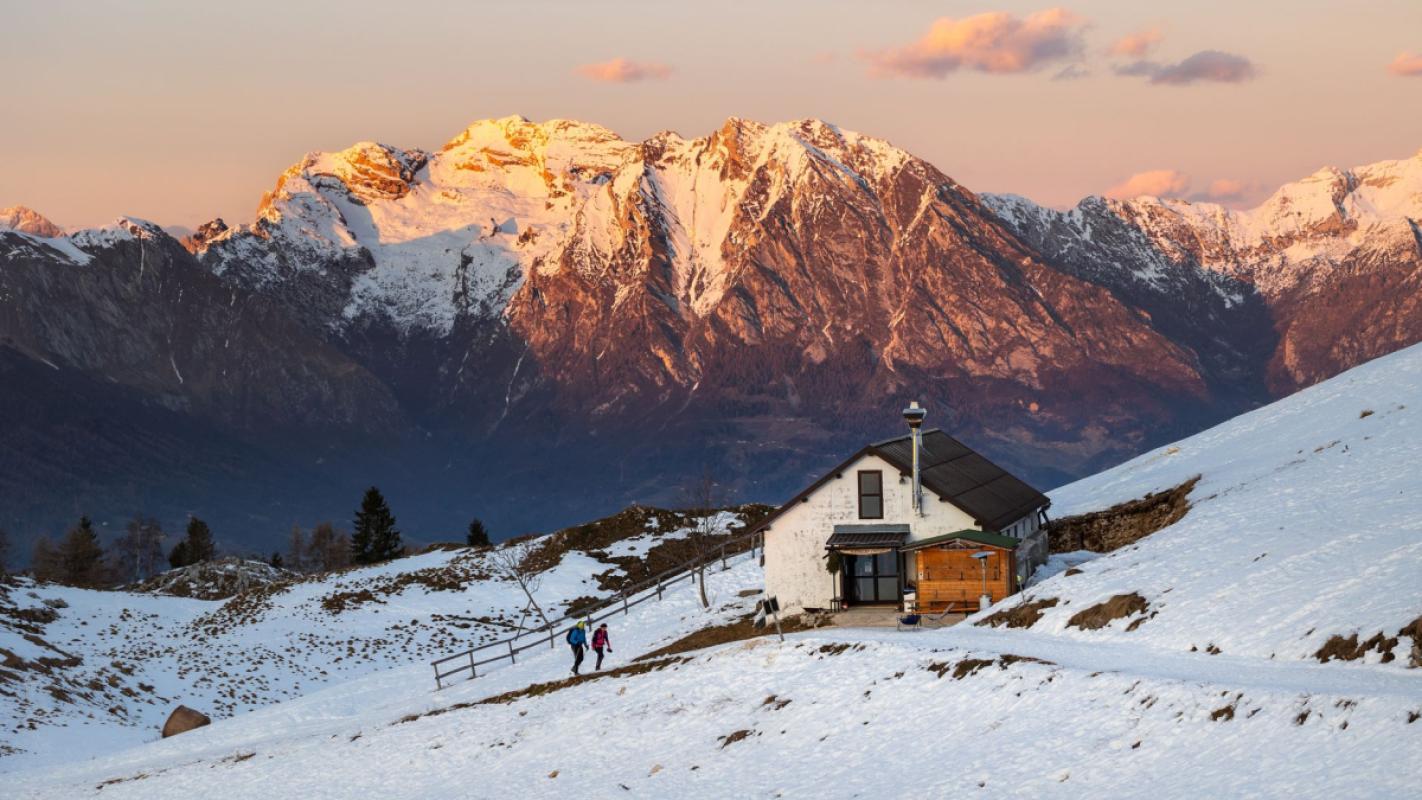
The first thing you notice is the smell of ink and resin. On the counter – alongside tea cups and maps creased from a pocket – lies a thick book. Someone left a sketch of the mountains in it, someone else a stamp from years ago; beside them a date, a laugh in one entry, a breathless route in another. This is how the huts in the Izerskie and Karkonosze teach you to read the mountains: through entries in guestbooks, simple stamps and names that have survived wind, wars and shifting borders.
They are not just places to sleep and eat. They are nodes of memory – places where your “hiking story” becomes part of a larger tale. You collect impressions, but what you really collect are moments. A stamp, a guestbook entry, crumbs of legends – nothing grand, and yet they remain.
How to read a hut: the guestbook, the stamp, the legend
The ritual is simple, but full of meaning. The guestbook is often on the counter next to the soup hatch or on a broad windowsill in the dining room. Usually all it takes is to ask: a pen, the date, a short route, maybe a sketch of a spruce or a drawing of the wind. Stamps? Most often by the till, at reception, sometimes in a separate box with a dater – sometimes one is “for booklets”, another “as a keepsake”. An entry and a stamp form loops of memory: for you, for the place and for those who will read it after you.
In Poland the most recognisable way to document mountain crossings is the Górska Odznaka Turystyczna PTTK booklet, where you record the route and the points – it is on this basis that the successive GOT levels are verified. This is a system built since 1935 and continued after the war: a simple idea that rewards persistence and teaches careful route planning[1]. On the other side of the border the Czech tradition of wooden tokens – Turistická známka – rules, and of course stamps (razítka) are available in huts, tourist information points and inns. Collecting them is a separate field game that raises whole generations of small and large hikers[5].
Little etiquette makes a difference. Ask for the stamp with a smile, don’t rub ink into a freshly dried book, don’t cover other people’s entries. Leave a short, specific trace: the date, where from – where to, the weather in one word, perhaps a sentence for those who come after you. Simple things sound good: “Sun over the meadow. Tea hot.”
Szrenica – kitchen, granite and the red ridge
On Szrenica’s windy ridge light skips across the granite and the smell of the kitchen soaks into the wood. The hut on the very summit, now privately run, grew here in 1921–1922 – dates that still carry the scent of disputes between Czech and German hosts. After the war a PTTK hut operated here, then came the fire of 1968 and a long, stubborn comeback that ended with a reopening in 1992[1]. So much history in a few sentences; the rest is the taste of broth, the warmth of the stove, a view that needs no caption.
On Szrenica trails cross like lines on a palm. The red ridge trail continues toward Łabski Szczyt and Śnieżne Kotły, below it the descent toward Szklarska Poręba begins. When the hall quiets in the evening, small stories remain in the guestbook: “Fog like milk, cats of the wind, we’ll return tomorrow.” The stamp? Usually at the hatch by the buffet or on the bar; ask boldly, the staff often have several versions – it’s the details collectors love most.
Practical note
- Guestbook: most often in the dining room or on the counter by the entrance – check carefully so you don’t cover someone else’s entry.
- Stamp: at the till or bar; it’s worth asking for a dater if you collect “clean” impressions for a booklet.
- Respect for the place: in season the hall works like a busy street stop – keep entries concise, don’t hold up the queue.
Hala Szrenicka – the former “Neue Schlesische Baude”
A few minutes’ walk down the ridge and the landscape softens: broad, windy Hala Szrenicka, a meadow with a view over the Jelenia Góra Valley. Today’s hut stands where at the end of the 18th century there was a shepherd’s shack. Over time it was named “Kranichbaude”, and later – to distinguish it from the “Old Silesian Hut” under Łabski Szczyt – “Neue Schlesische Baude”. That old German layer of names still returns in former stamps and postcards that circulate among collectors[2].
This hut – one of the oldest in the Karkonosze – has the rhythm of a meadow: long afternoons and evenings during which entries in the guestbook thicken like the morning mists. On the counter stamps often lie in a separate box; there are sometimes variants with the building’s silhouette, sometimes with the German equivalent of the name – a treat for those who track continuity. If you ask for an “old stamp”, do it warmly: the staff know it’s not a whim but a passion.
Practical note
- Guestbook: look for it in the room with a view of the meadow; it often lies on a wide windowsill.
- Stamps: at reception or the bar; ask for a keepsake version and a “working” one for your booklet.
- Trace: if you leave a sketch – keep it small so it doesn’t drown out other people’s words.
Stóg Izerski – a junction of trails and stamps
Stóg Izerski is the place where a hike regains its own rhythm. The hut – formerly “Heufuderbaude” – was built in the 1920s and still operates on the exposed ridge above Świeradowa-Zdroju[3]. Here hiking and skiing routes weave together, and just next to it, by the upper station of the lift, bikes visit in summer, skiers in winter. When you arrive with a rucksack you hear the doorbell, the clink of cups, and after a moment the first spoonful of soup warms your fingers. It’s the hut’s universal language – the same everywhere, and yet in the Izers it sounds lower, more resinous.
The Stóg guestbook holds many family entries: “Today Hania’s first stamp”, “Grandma back on the ridge again”. Here you feel that collecting stamps can be a pretext for building your own rituals. You verify them later in the GOT booklet – with points that slowly form ranks and dates – but the most precious thing is the memory of a shared day[1].
Practical note
- Guestbook: most often by the dining room; sometimes staff will bring it on request – don’t hesitate to ask.
- Stamps: in the hut at the bar; there is sometimes a spare stamp at service points by the upper station – it’s worth checking on site[3].
- Etiquette: if you stamp a child’s booklet – first make a test impression on a scrap of paper, then in the booklet.
Wysoki Kamień – a private address with a panorama
Here the wind plays differently. Wysoki Kamień, a rocky ledge above Szklarska Poręba, has drawn walkers for generations. The former Hochsteinbaude had its time and its farewell; today a privately run hut stands here, with a buffet and an extensive view where the tea steams longer than usual[4]. The panorama spreads like a fan – people fall silent by instinct before they even reach for a pen in the guestbook.
Stamps at Wysoki Kamień often have a simple, graphic line: the rock, the name, sometimes the roof silhouette. Entries tend to be brief because the wind quickly pulls people back onto the trail. It’s worth adding a few words about the light – it does its work here.
Practical note
- Guestbook: ask at the buffet; when the room is full the staff will point you to a quiet table.
- Stamps: usually by the till; windy summit = be gentle with the ink so you don’t smudge.
- Trace: short sentences work best here. “A gust. We saw far.”
Jizerka – an Izerska enclave of silence
Across the border stream – a different rhythm. Czech Jizerka is a settlement with a preserved, protected character; since 1995 its buildings have been under conservation as a vesnická památková rezervace[6]. Around it – dark bilberry woods and soft meadows favoured by cool, austere summers. The buildings – former glassmakers’ cottages, a school, old inns – speak of work and silence. This is a place where stamps and Turistická známka tokens are collected without rush, often in small taverns or tourist information points. A razítko sounds here even gentler – like an acknowledgement that wandering is above all about being on the way[5].
If you like reading traces of former names, Jizerka reveals them in details: in captions on old photographs, on plaques, in Czech–German parishes of memory. Those stamps – on postcards, in guestbooks – are sometimes the only proof of inns that never made it into a textbook monograph. It’s worth asking the host about local legends – sometimes you’ll hear about glassmakers, sometimes about stone-seekers along the Safírovým potok[6].
Practical note
- Guestbook and stamps: look in inns and tourist information points; Turistická známka tokens are usually found at the counter[5].
- Trace: leave an entry in Czech too – “Děkujeme. Krásná cesta.” – a small bow that works.
How to leave the right trace
Simplicity is the Sudetes’ style. A few practices that make a difference – and leave the place better than you found it:
- Record your route clearly: from – to, via what, how long. It helps others plan (and gives a realistic picture of conditions).
- Don’t “borrow” stamps for friends’ collections – an impression has meaning when it documents your own walk.
- Don’t stamp nature maps or park boards. Paper in a booklet or notebook is the right place for a mark.
- If you come across an old guestbook – turn the pages with dry hands, don’t press down the spine. It is the community’s archive.
- Respect the silence. Sometimes one sentence leaves more than a whole paragraph.
The most beautiful thing about all this is that the map you collect has no borders. Stamps and guestbooks lead from hut to hut, from meadow to settlement, from stew to story. You gather marks, but you return for light on the stones, wind among the spruces, the warmth of the table. And that moment when the ink dries on the paper so slowly you have time to remember – truly remember – where you were.