The athlete’s spa: recovery after downhill skiing, cross‑country and singletracks in Świeradów‑Zdrój
Świeradów‑Zdrój combines zones of exertion with considered recovery: the Ski&Sun gondola to Stóg Izerski and a network of mountain trails meet here with the Hala Spacerowa, drinking rooms and a brine graduation tower. This is a guide to safe, effective regeneration based on the local radon waters and the spa microclimate.
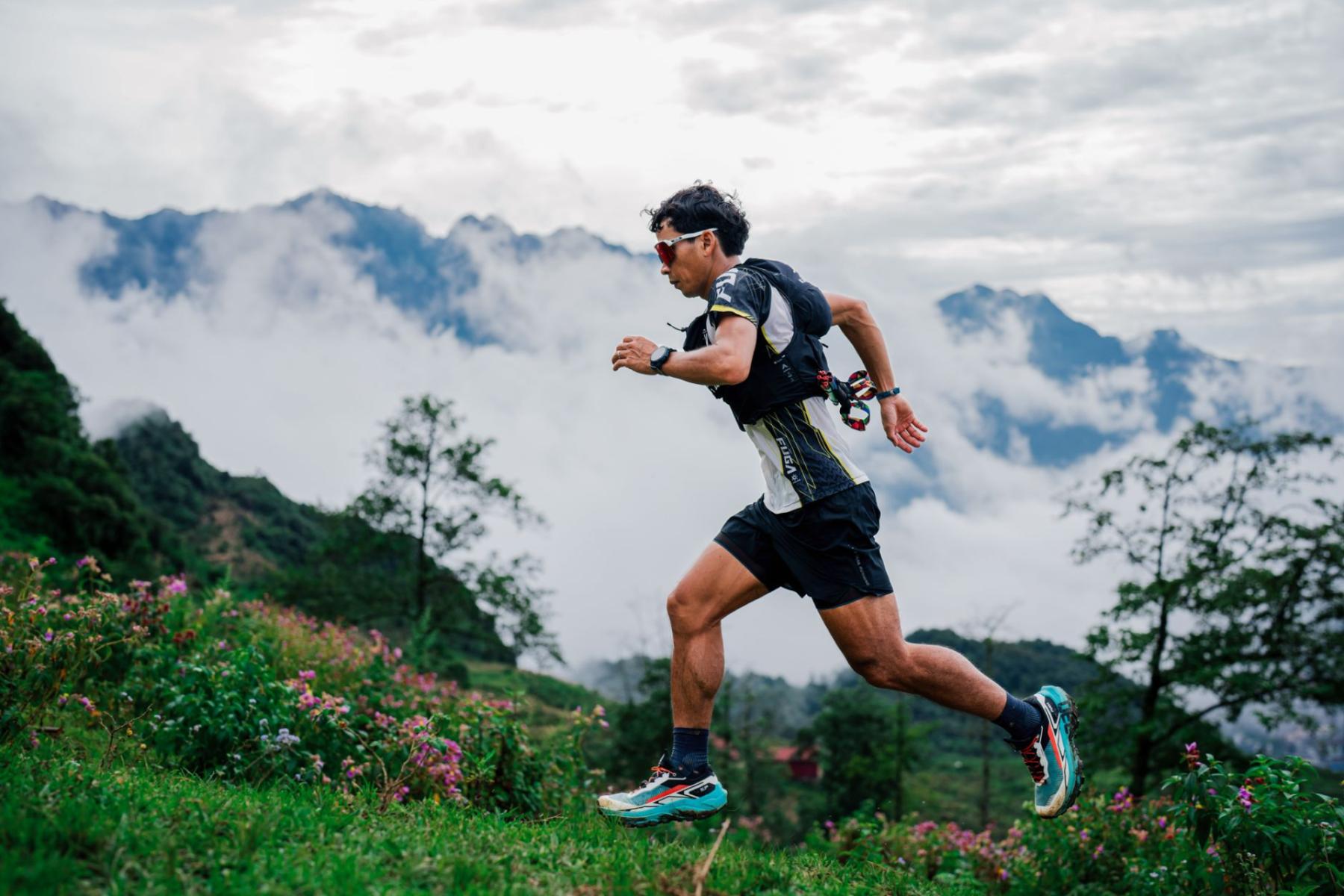
The first inhalation after a run smells of resin. In the Park Zdrojowy the air is cool and clean, and the larch Hala Spacerowa in the Dom Zdrojowy — long, half‑shadowed, gleaming with stained glass — wraps your steps in a soft reverberation. This is a spa where sport ends not in exhaustion but in deliberate renewal.
The town where sport meets balneotherapy
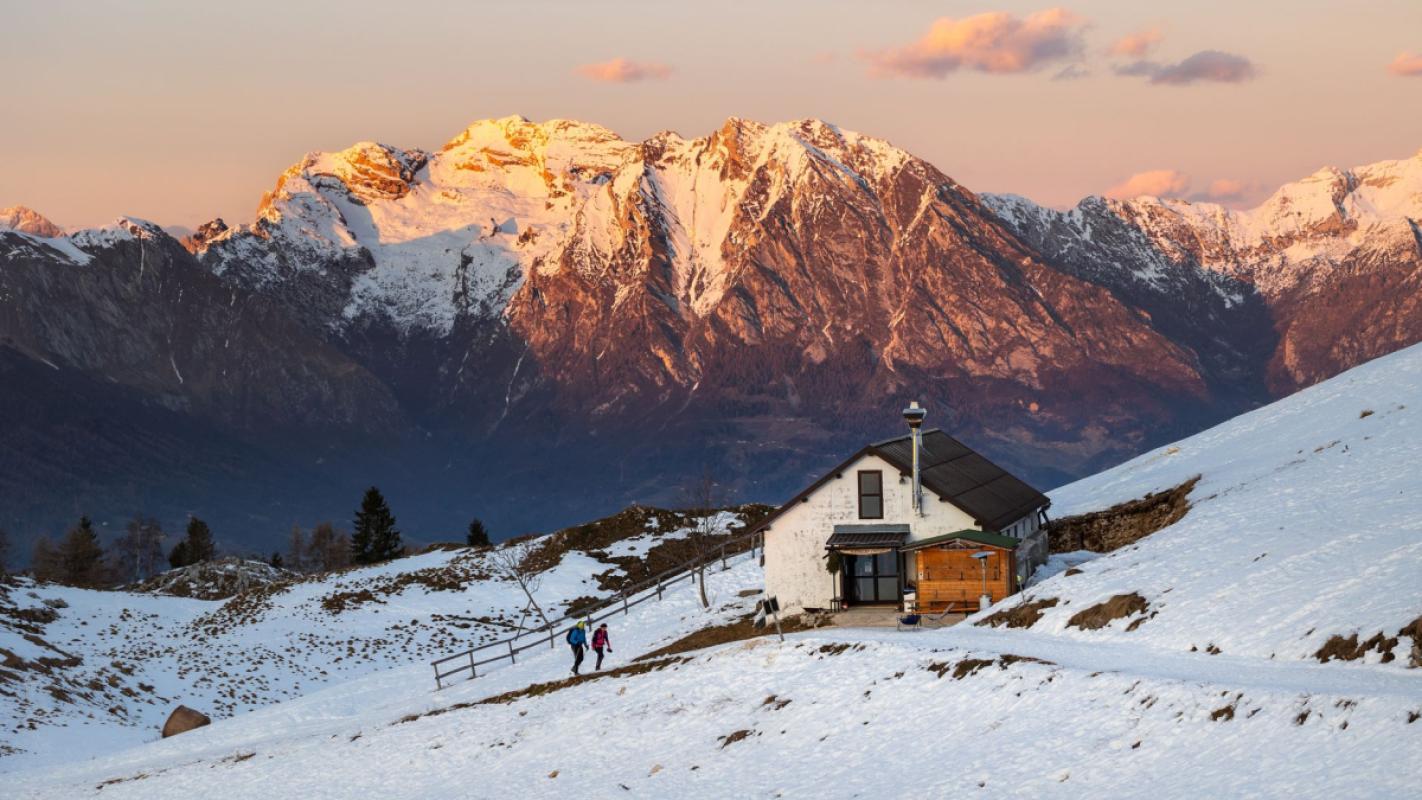
Świeradów‑Zdrój gives what ambitious amateurs seek in winter and summer: an easy start to the mountains and regeneration equally close at hand. The Ski&Sun gondola takes you straight to the ridge of Stóg Izerski — a quick exit onto downhill, cross‑country and walking routes without a long approach. On return it’s just a few hundred steps to the Hala Spacerowa, a visit to the drinking room, a seat by the graduation tower. It’s a rare, compact pairing of exertion and balneotherapy in Poland.
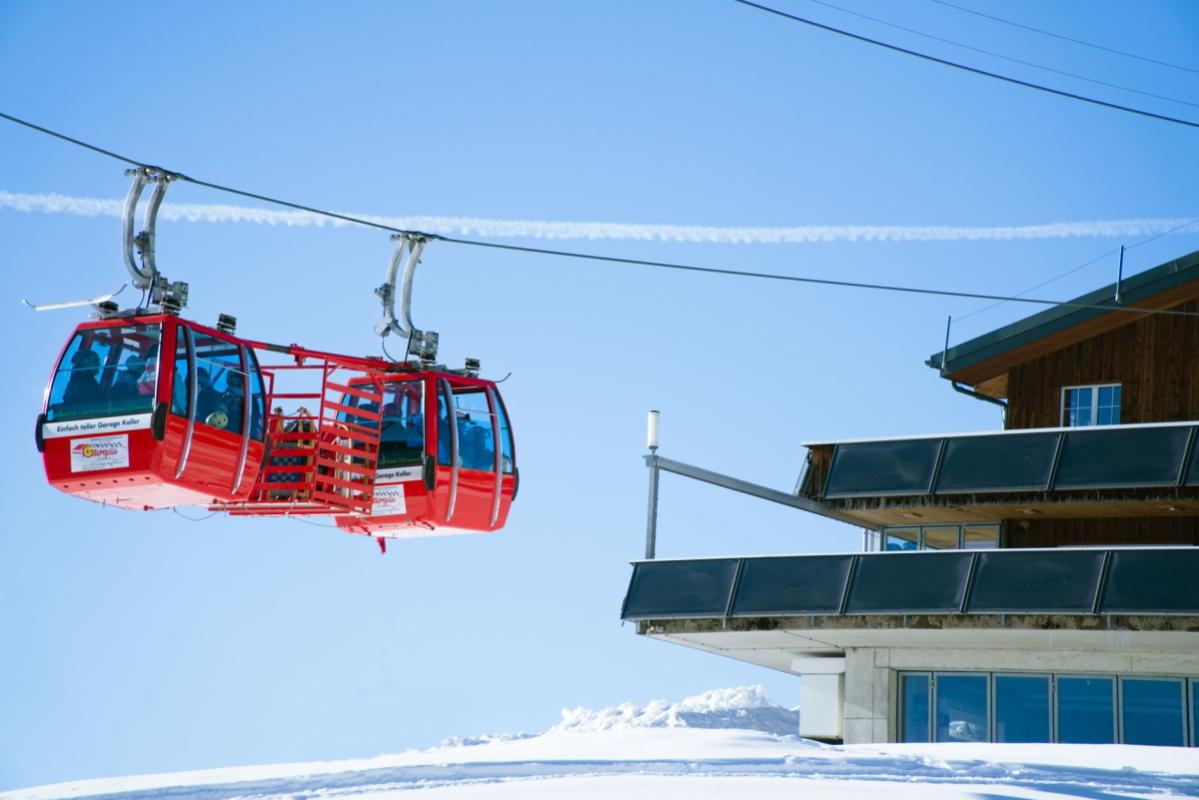
Why such convenience? The Ski&Sun centre operates year‑round and is a fixed point in the day’s plan: runs, trekking, and afterwards — a calm gondola descent back to the heart of the spa. For an athlete this is a shortcut to what matters most in recovery: time that can be spent on gentle cooling and treatments instead of logistics. ([skisun.pl])
Regenerative walk: from the park to the Hala Spacerowa
After effort, start with gentle movement. The entrance to the Park Zdrojowy from ul. Zdrojowa opens peaceful loops on even ground. A green canopy filters the light and a murmuring artificial stream drowns out the city rhythm. Here you enter a “quiet zone”: a longer exhale than inhale, a step lighter than on the trail. When the body stops “braking”, turn towards the terraces beneath the Dom Zdrojowy and close the loop by walking the larch corridor — the c. 80‑metre Hala Spacerowa[1]. ([swieradowzdroj.pl])
The Hall is not just shelter from the wind. It’s a place where pace naturally falls: the wood smells warm, the display windows catch the last rays, and in the central area there is a mineral water drinking room. It’s here that many of us first “meet” Świeradów not as an overnight base beside a slope but as an organism capable of true regeneration.
Radon waters — where their power comes from and how to use them
Świeradów and Czerniawa lie on a Sudeten geological province. It is here that waters called radon waters occur naturally — containing dissolved radon, a radioactive gas produced by the decay of radium in rocks. Under Polish law water is recognised as medicinal, among other criteria, at a radon content of at least 74 Bq/dm³, and its concentrations in the Sudetes usually fall within a wide range. For a spa‑going athlete this means one thing: in Świeradów you use a documented, local resource that for generations has supported treatments. ([pgi.gov.pl])
Importantly, local procedures based on radon waters — inhalations, baths or drinking cures — are performed exclusively in the facilities of Uzdrowisko Świeradów–Czerniawa, which holds the concession for extraction and exploitation of these waters. That guarantees controlled conditions and daily monitoring of water and air concentrations in the treatment zones[2]. ([uzdrowisko-swieradow.pl])
Indications and contraindications (overview)
Radon balneotherapy in Świeradów is used, among other things, for musculoskeletal disorders and some respiratory conditions; it is applied as baths, inhalations or drinking cures — always in specified doses and series. At the same time it is not an option “for every day and for everyone”. Contraindications include, among others, active cancers and childhood age; it is also not recommended in acute medical states. The decision to include treatments is made by a spa physician or physiotherapist after qualification[3]. ([uzdrowisko-swieradow.pl])
Drinking rooms: two addresses, two approaches
In everyday recovery after exertion the simplest things nearest at hand often work best. Inside the Hala Spacerowa there is a mineral water drinking room — here a drinking cure can be a short ritual before an evening meal without leaving the larch “dome”. But in Świeradów it’s worth knowing a second spot: the Pijalnia Wody Radoczynnej in the building of the former radon bathhouse once called Radiumbad. This modernist building from the 1930s on ul. Sienkiewicza is a separate chapter in the local history of treatment[4]. ([swieradowzdroj.pl])
How to drink? After sport, think of sipping water as an element of cooling — a few small sips in a calm breathing rhythm. In the same session take care of carbohydrates and protein from a meal (this is not the place for “hungry biohacking”), and only afterwards reach for stronger stimuli like a sauna or a hot bath. In radon cure programmes — if they are appropriate for you — the series and dosing are set by the spa medical staff.
Brine graduation tower: a micro‑breath in the Park
In the Park Zdrojowy, in the promenade area, there is a small brine graduation tower. The sound of dripping brine and the slightly salty scent can “switch” the nervous system into rest mode after only a few minutes. It’s a good stop between a walk and dinner — especially after a day that stressed the lungs with dry, frosty air or dust from a summer trail. Start with short sessions, breathe calmly through the nose, observe reactions (a clearing cough can be natural). And remember: the graduation tower does not replace respiratory rehabilitation, but can be a simple complement to it during the day. ([swieradowzdroj.pl])
From scheme to practice: three short recovery protocols
After alpine skiing
- Cool down in motion: a gentle walk around the Park Zdrojowy loop. Natural pace, without “pushing the tempo”.
- Breathing and posture: in the Hala Spacerowa stand by the railing, relax the shoulders. 6–8 diaphragmatic breaths with a longer exhale; gentle mobilisation of the thoracic spine (small twists).
- Drinking cure: a few sips of water in the drinking room — in time with your breathing. Goal: to hydrate the mucous membranes and softly close down the nervous system.
- Graduation tower in the park: a short “micro‑nap” session for the airways. If you feel a scratchy throat — shorten the session and return to walking.
- Bath or shower: instead of temperature extremes — comfortable warmth. Stronger stimuli (sauna, very hot bath) are best left to days without intense effort.
After cross‑country skiing
- Walk it out: 10–20 minutes on flat, preferably gravel‑park ground. Your knees and hips will thank you.
- Joint mobilisation: small ankle–knee circles, calf and hip‑flexor stretches (3–4 breaths in each position).
- Nasal breathing in the Hall: sit on a bench, start with 2–3 minutes of quiet nasal breathing, then slowly lengthen the exhale.
- Drinking cure: if you plan a series of treatments, follow medical recommendations; otherwise — just water and dinner.
After singletracks and a long MTB ride
- Spine reset: in the Hall place your hands on the railing at hip height, step your feet half a step back, “unstick” the thoracic spine and draw the spine toward the ceiling. 4–5 breaths.
- Shoulder girdle mobilisation: arm circles, gentle chest stretches (no pain). Riding a bike demands care for the upper body.
- Walk to the graduation tower: if the day was dusty and warm — it’s the simplest “cleanser” for the airways.
- Finisher: a warm shower, a light meal, sleep. Recovery follows a circadian rhythm — it’s worth not disturbing it.
Where and how to use it — in brief
- Dom Zdrojowy and the Hala Spacerowa — the historic heart of the spa, the larch hall (approx. 80 m long), a mineral water drinking room and adjacent terrace promenades. An ideal “corridor” for cooling down and breathing after exertion[1]. ([swieradowzdroj.pl])
- Pijalnia Wody Radoczynnej (former Radiumbad) — a separate building from the 1930s on ul. Sienkiewicza; here you can discover the “other face” of Świeradów’s waters. Worth a visit even for historical curiosity[4]. ([swieradowzdroj.pl])
- Brine graduation tower in the Park Zdrojowy — a small, everyday saline inhalation on your walking route through town. Effective as a short breathing stop. ([swieradowzdroj.pl])
- Treatments based on medicinal waters — inhalations, radon baths and drinking cures are available exclusively in the facilities of Uzdrowisko Świeradów–Czerniawa, which holds the concession for extraction and exploitation of the medicinal waters. This is the “address” for anyone planning a series of treatments combined with training[2]. ([uzdrowisko-swieradow.pl])
- Ski&Sun gondola — the sporting point of departure and return; convenient for skiers, runners and cyclists. From the gondola you return directly to the spa zone. ([skisun.pl])
Safe, sensible renewal
The most important rule is simple: stimulus by stimulus, not everything at once. Świeradów teaches patience — after effort let the body slow down in the park, and only then reach for “active” recovery. If you plan radon balneotherapy, allow time for consultation and qualification — these are medical services, not spontaneous “wellness”. And if you have health doubts or chronic treatment, priority must be a conversation with your attending physician. The local infrastructure encourages wise choices. That is why people return here not only for adrenaline but for a calm that lingers in the muscles longer than the last ridge view.
Notes:
[1] The longest larch Hala Spacerowa in Lower Silesia (approx. 80 m).
[2] Concession for extraction and exploitation of medicinal waters; treatments are performed exclusively in the facilities of Uzdrowisko Świeradów–Czerniawa.
[3] Contraindications to radon therapy include, among others, cancers, childhood age and acute medical states.
[4] The Pijalnia Wody Radoczynnej is housed in the building of the former Radiumbad from the 1930s.