Where to Park for Izera Trails: Legal Parking around Świeradów‑Zdrój and across the Czech Side (Smrk, Hala Izerska, Rozdroże)
A practical, evergreen guide to legal trailhead parking in the Izera Mountains. From Świeradów’s gondola‑side car parks to the Rozdroże Izerskie high saddle and Czech‑side trailheads near Smrk and Jizerka, learn where to leave the car—without falling foul of forest or protected‑area rules.
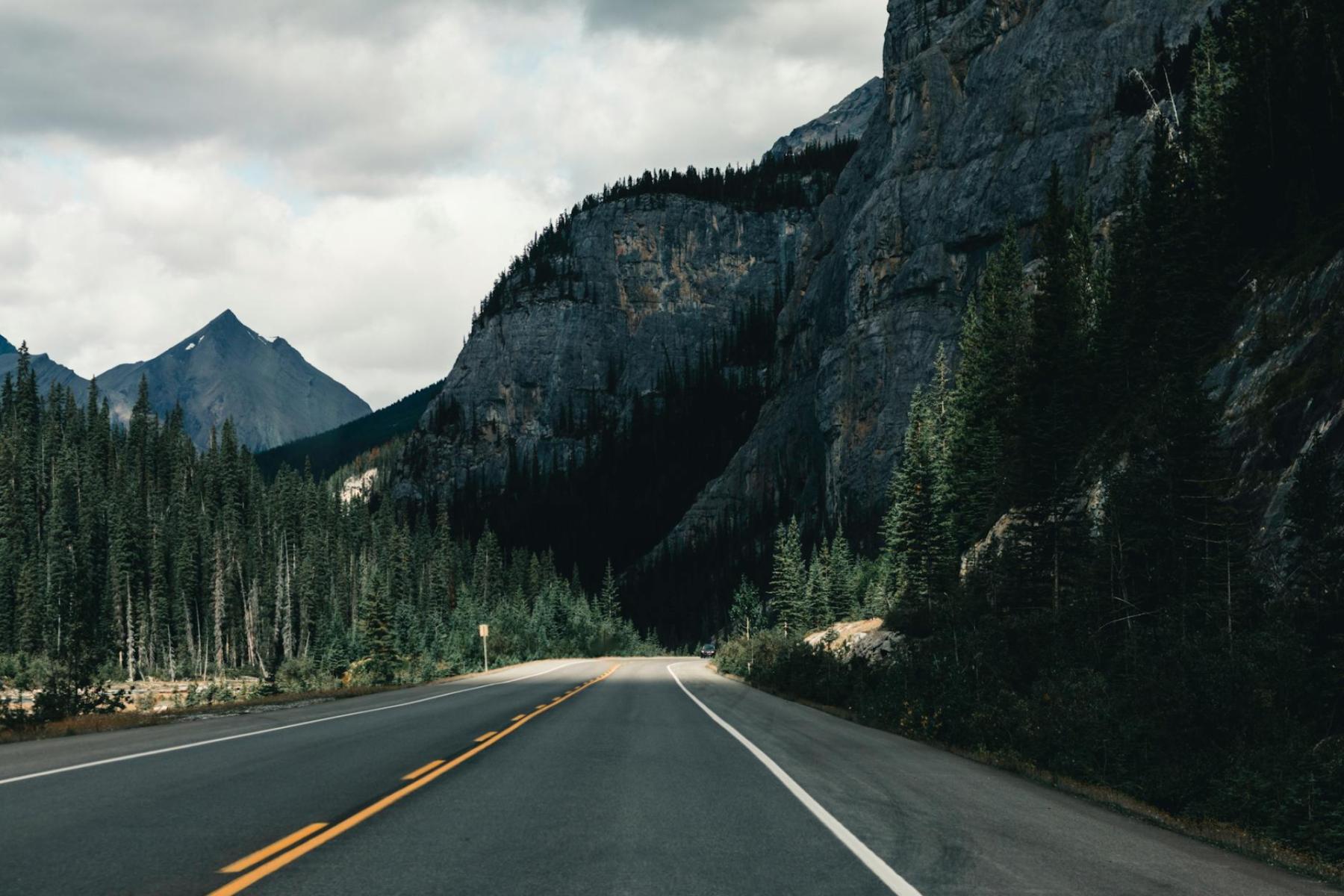
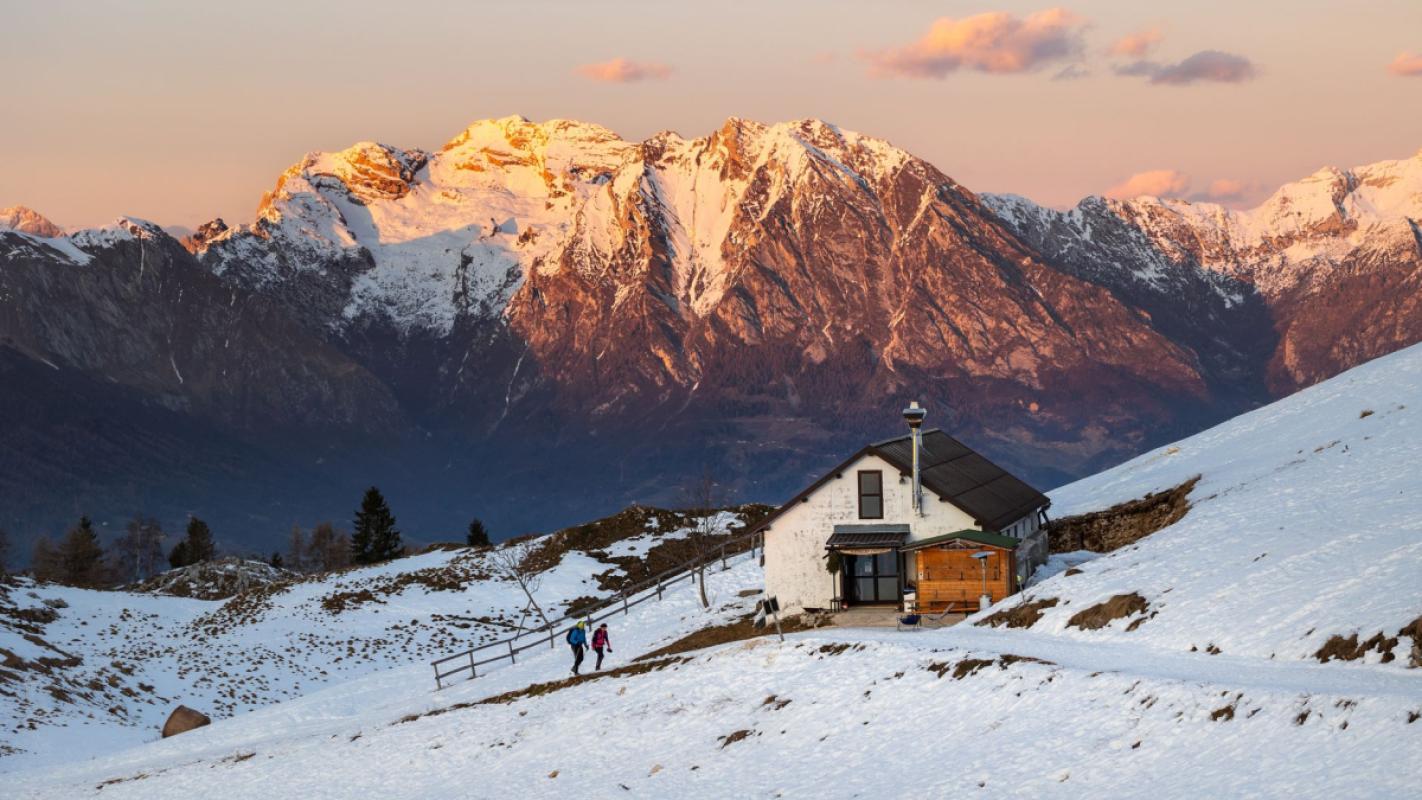
The first thing you notice up here is the resin. Even in the car, windows cracked, the Izera spruce find you. Engines tick cool in the mountain air and somewhere above, gondola cabins hum—a soft mechanical counterpoint to wind slipping between needles. Park well and you’ll step straight onto trail: Stóg Izerski before lunch, Hala Izerska by late light, maybe Smrk the next morning when clouds lift like steam from the valleys.
How to think about parking in the Izeras—without stepping over the line
Two frameworks shape where you can legally leave a car in these mountains, and they straddle a border.
On the Polish side, state forests dominate. The baseline rule is simple: you may drive only on public roads and on forest roads that are explicitly opened and signed for vehicle traffic; the absence of barriers or prohibitions does not mean an implicit yes. Parking is allowed exclusively in designated places. Forest roads and verges are not overflow lots—they’re off‑limits unless marked otherwise.[1]
Cross into Czechia and, for most of the range, you’re inside the Jizera Mountains Protected Landscape Area (CHKO Jizerské hory). In protected landscape areas, conservation rules limit motor access to public roads and signed car parks. Treat any meadow edge, track, or peatland pull‑off as out of bounds unless a legal, surfaced bay says otherwise.[2]
Within those guardrails, the good news: the Izera trail network is stitched to a handful of well‑located, year‑round parking nodes. Use them and your day starts with boots on peat or stone rather than a nervous glance in the rear‑view mirror.
Świeradów‑Zdrój: town‑side trailheads and car parks
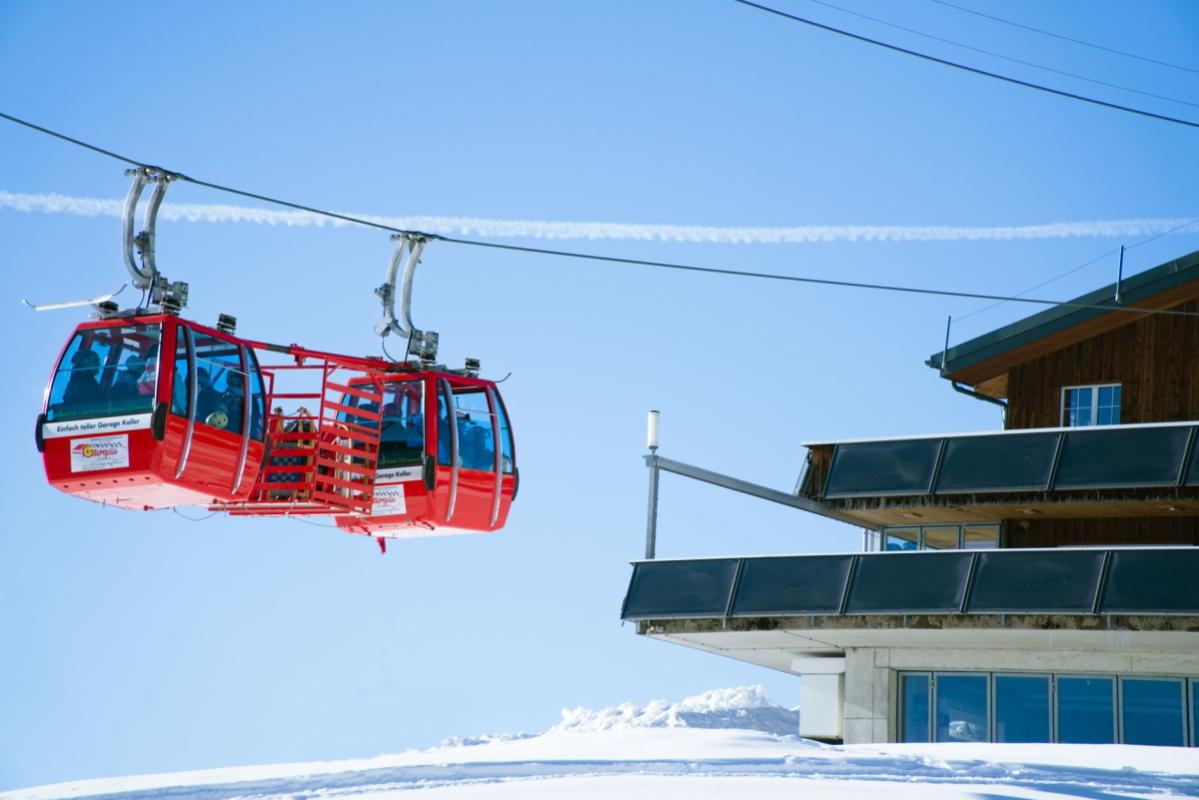
Świeradów‑Zdrój sits where spa town gentility meets dark‑spruce ridge. From the center you hear the steady buzz of the Świeradów Gondola Lift climbing the northern slopes of Stóg Izerski; cyclists roll toward Singletrack Świeradów; hikers drift to Sępia Góra, Zajęcznik, or straight for the High Ridge. If you’re arriving by car, the municipality signposts several formal lots in town, including at the gondola base and in the immediate center.[3]
Parking A by the gondola—shortest line to the ridge
For many itineraries, Parking A by the lower station of the gondola on ul. Sienkiewicza is the cleanest start. You’re steps from ticket windows and the lift up toward the PTTK Mountain Hut on Stóg Izerski, with paths linking out toward Smrk on the border crest and the easy hush of Zajęcznik above the spa quarter. It’s also a practical base for dipping a wheel onto the Singletrack Świeradów loops tracing the lower forest (you’ll notice riders clipping in right from their bays).[3]
Couple of quiet advantages here: snow clearance is typically prompt in winter, and wayfinding is intuitive—if you can see the cable line, you can find your car again. Expect pay‑and‑display or entry systems; fees change seasonally, so check the board on arrival rather than relying on memory.
Other Świeradów car parks for hikers and riders
When the gondola‑side fills, look to the town’s signed alternatives. Parking B (Centrum) and Parking C sit in the central grid, a short walk to promenade cafés and a manageable warm‑up to footpaths heading for Sępia Góra or the start ramps of the Singletrack network. There’s also parking along ul. Strażacka, near the gondola approach. All are listed on the city’s official “Parking and stopping places” page—bookmark it, because details and operators evolve.[3]
Good etiquette—no matter the lot: keep noise down for spa guests at dawn, pack out trip detritus, and slot your vehicle tightly. You’ll see how prized every square meter of asphalt becomes when the first snow dusts and the hill calls.
Rozdroże Izerskie: the high saddle that shortens big days
Between Świeradów‑Zdrój and Szklarska Poręba the road crests a broad, wind‑combed saddle locals simply call Rozdroże Izerskie. Pines stand like sentries; on clear mornings the light cuts across the open shoulder and you get a feel for how the High Ridge and the Kamienicki Ridge lean toward each other here. It’s a junction in the literal and hiking sense, with marked trails threading off across the top and down toward the Izera Valley.[4]
Why start from Rozdroże? Because it stitches quickly to a trio of classic objectives. Wysoka Kopa—the highest point of the range—sits within a steady, mostly wooded push along the ridge. The long, quiet boardwalk approach to Hala Izerska (Izera Meadow) begins near this axis, rewarding patience with that big, horizontal sense of space and the rattle of sedge in the wind. And if your day runs north, routes toward Orle and the old glassmakers’ hamlets lift away like gentle switchbacks cut into memory. Use only surfaced, signed bays or the hardstand used by hikers; if a verge looks convenient, it’s not part of the plan.[5]
Winter tip: Rozdroże can be white and blowy even when town is just damp. Ploughs are efficient, but compact ice lingers in shade. Carry a shovel and traction socks if your rental sits on all‑seasons—they’re a fifteen‑minute insurance policy you’ll be glad you packed.
The Czech side: Smrk, Jizerka and the logic of the magistrála
Once you cross the frontier ridge, navigation pivots around two ideas: the long red‑and‑blue rails of the Jizerská magistrála in winter, and the spare mountain vocabulary of hamlet‑inn‑saddle the rest of the year. The highest Czech summit, Smrk (1124 m), reads like a compass point from many trailheads; its lookout tower breaks the skyline when light is thin and the forest stands dark beneath.[6]
Smrk from the south and west
Smrk draws day‑hikers like iron filings to a magnet from two logical starts. From the south‑west, Smědava’s mountain inn sits on a high road crossing; red‑waymarked paths peel toward the ridge in a straightforward climb and a gentle traverse—one of the more forgiving approaches when weather is fickle. From the west, trails roll up from Nové Město pod Smrkem through cool, even spruce, breaking light only near the crown. Both align with public roadheads and signed parking, and both are classic Czech starts when the magistrála hums with skiers or lies quiet under larch shade.[6]
Jizerka: beauty with strict access logic
Say the name Jizerka and most Izeras regulars picture low, timbered houses set in a broad moor, a low river curving past—and winter stars so dense you feel your neck stretch. It’s also where the rules are clearest: vehicle access in the hamlet is restricted; only residents and booked guests may drive in, and the road connections toward Smědava are closed to general motor traffic because of water‑protection and nature‑reserve constraints. Park where signs tell you to, and be prepared to walk the last stretch on hard track.[7]
All of this flows from the landscape’s protected status. Almost the entire Czech side of the range lies within the Jizera Mountains Protected Landscape Area (CHKO Jizerské hory), so the default is conservation first, traffic second.[2] Treat the system like a mountain tramway: arrive at its designated “stations” (Bedřichov, Smědava, Jizerka’s outskirts), then continue on foot or skis.
Putting it together: which lot for which day
Pair the car park with the day you want and the way your group moves.
- Big‑view ridge day, minimal logistics: Park at the gondola base in Świeradów and ride up, then make a loop along Stóg Izerski’s shoulders toward the border before descending. The lift line acts as your north‑star on return. Fees and hours vary by season—read the board when you arrive.
- Quiet forest push to a high meadow: Use Rozdroże Izerskie for Hala Izerska. The start sits close to the height of land, so you spend more of your day on that softly undulating ridge than grinding a long, low approach. Expect wind. It’s part of the charm.
- Smrk with a forgiving grade: Start on the Czech side via Smědava; the red‑marked approach builds steadily rather than steeply and suits mixed‑ability groups. When snow covers waymarks, follow groomed corridors or winter poles; signage is consistent near the main nodes.[6]
- Family morning on Singletrack Świeradów + stroll to Zajęcznik: Park near the gondola or central lots and split the day—some roll the lower, flowy loops while others take the promenade and a short hike above town. Reconvene by the mineral‑water pump room before dinner.
Good practice—so the mountains welcome you back
- Never improvise a bay on a forest road. In Poland, driving or parking on unsigned forest roads is a violation even without a posted ban. Use only public roads and officially designated spaces.[1]
- In Czech CHKO, assume restrictions unless told otherwise. If a surface isn’t a signed car park, it isn’t a car park. In places like Jizerka, hamlet access is for residents and booked guests only—park at designated periphery lots and walk in.[7]
- Check for seasonal patterns. Winter weekends and the cross‑country season fill Czech trailhead lots early; summer storms can close shady bays under windfall risk. Build a Plan B into your morning.
- Give the verges back to water. These mountains breathe through their peatlands. Avoid soft shoulders and drainage cuts; one bad parking choice can turn a ditch into a rut that channels away the bog’s life.
- Think like a neighbor. Keep music low at dawn. Close doors softly. Don’t idle in a queue at the gondola or beneath a pension window in Jizerka’s hush.
Plan B: buses and a slower rhythm
When lots are saturated—or if you simply want to leave the car—public transport knits the range’s edges to its trailheads. Regional buses run into Świeradów‑Zdrój for the gondola and town walks; on the Czech side, lines converge on nodes like Bedřichov and Smědava, especially in winter when the magistrála turns the woods into a moving, silent city. Fewer moving parts; more time to listen for woodpeckers above the track.
One last thought before you kill the ignition: you’re parking in a living system, not a theme park. Use the formal lots—by the gondola in town, at the high saddle, at Czech trailheads—and you swap a few extra minutes on foot for a day that starts with clean conscience and ends with spruce in your clothes. The mountains remember who treats them well.
References
[1] Summary of vehicle access and parking rules in Poland’s state forests: entry only on public roads and explicitly opened forest roads; parking only in designated places. See Lasy Państwowe guidance. Always follow on‑site signs.
[2] Extent of the Jizera Mountains Protected Landscape Area (CHKO Jizerské hory) across almost the entire Czech side of the range, underscoring conservation‑driven access logic.
[3] Official Świeradów‑Zdrój listings for municipal car parks, including the gondola‑side Parking A and central alternatives.
[4] Geographic context for Rozdroże Izerskie as a high road saddle with waymarked trails—why it functions as a natural hiking node between Świeradów and Szklarska Poręba.
[5] Background on Hala Izerska (Izera Meadow) as a high, open basin on the ridge—an anchor objective reachable from the Rozdroże axis.
[6] Smrk (1124 m) as the highest Czech‑side summit, with an established route from Smědava along red waymarks.
[7] Jizerka hamlet: restricted vehicle access for residents and booked guests only; road toward Smědava closed to general traffic due to water‑protection and nature‑reserve constraints.