Mountain‑hut savoir‑vivre in the Izera and Giant Mountains: accommodation, bookings, food and rules on both sides of the border
A timeless guide to the culture of mountain huts in the Izera Mountains and the Karkonosze: where to book, what “tourist standard” means, how kitchens and buffets operate, and which rules to follow in the Karkonoski National Park and on the Czech side of the range. For first‑timers and for those who want to refresh good practices on the Polish–Czech border.
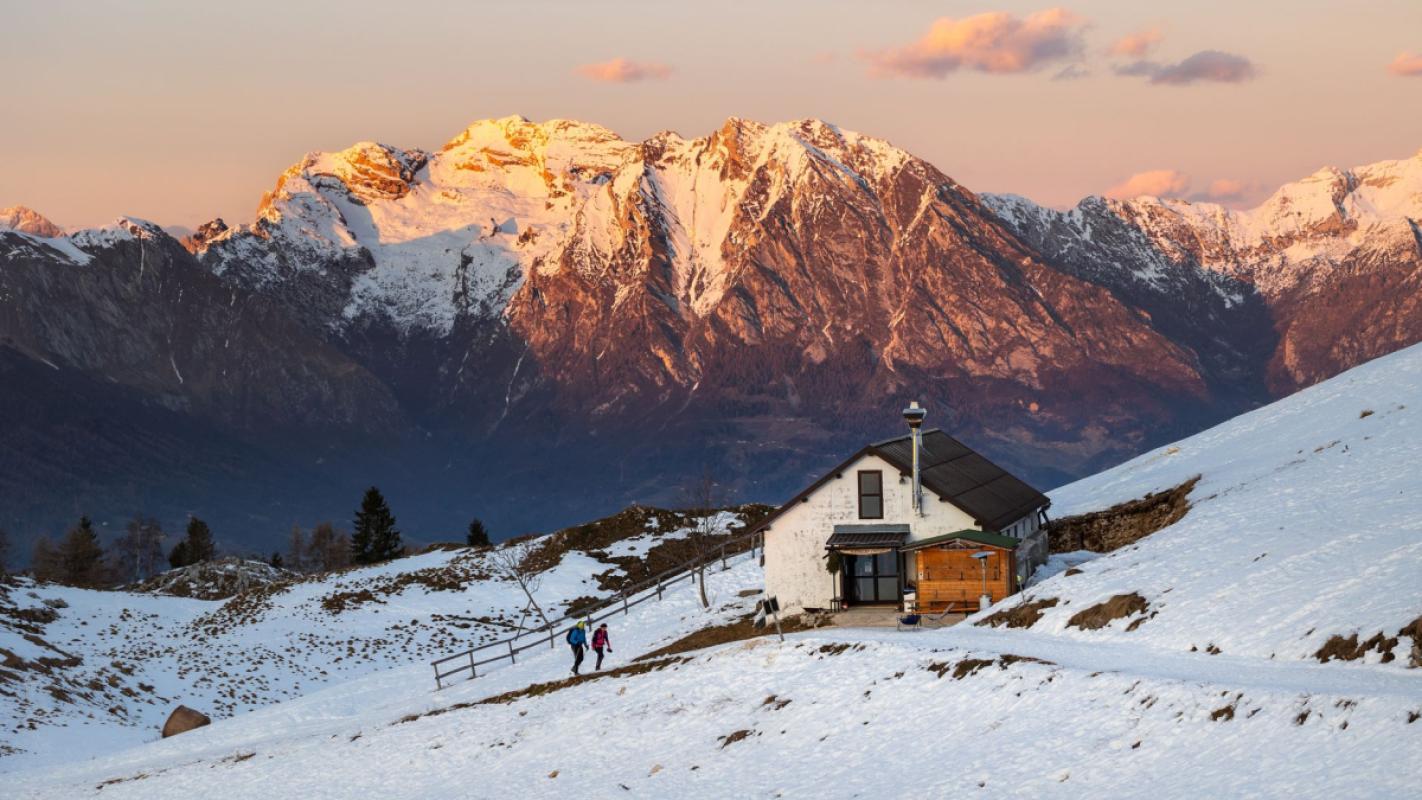
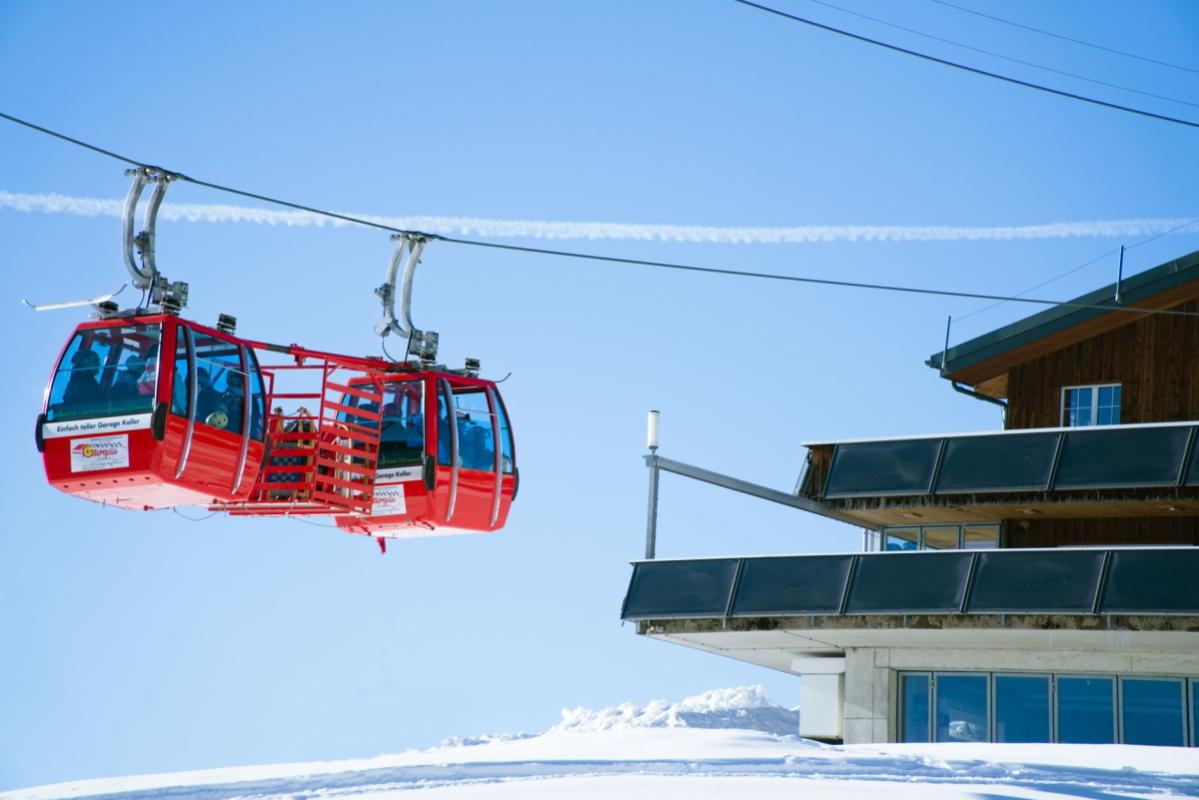
The first thing you notice at dawn in Świeradów is resin. Then — the dying whir of the gondola over the slope, as the ridge of Stóg Izerski slips into the cloud. In the dining room there’s the smell of coffee, and someone is taking yesterday’s boots off the dryer after a hailstorm. The mountain hut lives by its own rhythm: maps rustle, benches are rearranged, the soup of the day is being cooked. These are micro‑worlds scattered across the Izera Mountains and the Karkonosze, and it’s worth entering them with good manners and a little knowledge of the local rules.
Hut or just a buffet? Different addresses, different functions
Not every mountain building will put you up for the night. In the Izera Mountains a perfect example is the building on Wysoki Kamień — open almost all year, with a panorama and a kitchen, but without sleeping places. It’s a classic “daytime venue”: for tea with a view, not for an overnight stay[5]. In practice that means if you’re planning long crossings along the High Ridge, you’ll need to look for a night elsewhere — for example in Świeradów, at Chatka Górzystów, on Stóg Izerski or further into the Karkonosze.
On the other side of the border the word “bouda” can be misleading: sometimes it means a small mountain hotel, sometimes a hut with a lower standard, and other times a stylish guesthouse by the trail. In Jizerka, whose wooden buildings lie on a wide clearing between Bukovec and Smědavą, the historic Panský dům and Pyramida operate — today they feel more like intimate hotels at the end of the road than rough walkers’ cabins[6]. It’s a different address for the same need: warmth, a roof, a meal after a long march.
Accommodation: what “tourist standard” means and when to book
“Tourist standard” in Polish mountain huts primarily means a simple, clean bed (often bunk beds), shared bathrooms and showers, a dining room where you eat your meal and — if needed — spend the evening over a map. It’s not a hotel lobby and not a 24‑hour reception. quiet hours are actually observed, and the morning bustle starts earlier than in town.
Bookings? The rule is simple: the easier the access and the more scenic the location, the faster a free bed disappears. Stóg Izerski, Hala Szrenicka and Szrenica are classics — especially at weekends, during winter holidays and on long weekends. It’s worth planning ahead, particularly if you’re aiming for a family room or want to walk the Main Sudetes Trail “on the go” without losing a day to find lodging. Weekdays are usually quieter, but in sudden weather breaks or during short “weather windows” demand can spike in a few hours.
Some huts accept reservations only by phone, others make it easier with a simple form. A deposit is the norm — it secures your bed and disciplines the calendar. If you have unusual needs (a travel cot, an early breakfast, allergies), write in advance — in the mountains logistics is measured by goods lifts, the snowcat or… the host’s back.
Reception, kitchen, buffet: the day’s rhythm on both sides of the border
The hut day is shorter and denser. Morning — breakfast, often within a time window; at noon — quick mountain food: soup, the dish of the day, tea in a litre mug; in the evening — a plate that warms you after a chilled ridge. In the dining room payment is sometimes possible by card, but the mountains are a realm of connectivity caprice. Always carry cash — both on the Polish and Czech sides.
The Czech menu favours simplicity and heartiness. Hut menus regularly return polévka dne (soup of the day) and the legend of mountain buffets — smažený sýr, crispy outside, creamy inside. Add knedlíky, guláš, sometimes borůvkové knedlíky, and to warm up a hrnek čaje s citronem. On the Polish side expect bigos, żurek, pancakes, pierogi, classic cutlets and cakes baked “on site”. The composition of the menu is dictated by supplies and the season — what arrived on the last delivery and what can be stored without the caprices of electricity and water.
In the evenings huts live on conversation at the table: about the weather, about the “old ground”, about where to go tomorrow. Hosts will appreciate tidy tables, folded blankets in the common room, and not leaving equipment in passageways. Small things make a big difference when a hundred people share one space.
The rules of the game: dogs on a leash, no camping, drones only with permission
The Karkonosze are a national park. That’s not only the privilege of views but also the duty to follow rules. The three most important ones concern most tourists.
- Dogs. They travel only on a leash. Moreover, some sections in the Karkonoski National Park are closed to dogs — totaling dozens of kilometres, selected for nature‑protection reasons. Before you go, check the current list of trails open to dogs and those closed to them[1].
- Camping. No wild camping within the KPN — overnight stays are possible in huts. The park also reminds that we move along marked trails, and access has its rhythm: in the Karkonosze hiking is practised during the day, from dawn to dusk[2].
- Drones. Recreational and sporting flights over the KPN are not permitted. Filming from the air requires obtaining the director’s permission (and falls under a separate procedure). In other words: without formalities — no takeoff[3].
On the Czech side (KRNAP and CHKO Jizerské hory) separate regulations apply — the scope and mode of permits may differ. The practical rule is the same, however: no wild camping in protected areas and no spontaneous drone flights. Before you set off check the official park administration websites for current recommendations and any wildlife quiet zones.
Winter, wind and fog: safety on the Karkonosze ridge
The upper Karkonosze ridge is open, exposed and can be treacherous. In winter and early spring some summer trail sections cross avalanche tracks — then a system of pole‑marked detours and closures comes into play. KPN installs permanent winter signage, and a Level I avalanche warning announced by the Karkonosze GOPR Group triggers temporary closures of specific sections. Decisions change dynamically — check KPN and GOPR communications before you set out, especially if you plan to travel the ridge around Śnieżne Kotły or Szrenica[4][2].
In practice a safe habit looks like this: an up‑to‑date offline map or paper map, a powerbank, a headlamp, a warm windproof layer even in summer, an emergency supply of fluids and food, cash and GOPR’s number saved before you start. When the wind knocks over the poles, fog erases the tracks and the phone loses signal, these things literally “make the difference”.
Popular spots: when you’re aiming for Stóg Izerski, Hala Szrenicka and Szrenica
The Izera ridge and the Karkonosze “balcony” above Szklarska Poręba have their hits. The hut “Na Stogu Izerskim” — you can also reach it by gondola from Świeradów, so weekend crowds and day trips fill the dining room to the last bench. Hala Szrenicka — a classic for a longer stay, with a branching of trails along the ridge. Szrenica — the hut on the summit, windy and spectacular, with the shortest uphill approach and a great base for morning ridge outings. This set means one thing: book early, especially if you plan to arrive on a Friday after work or want to catch sunrise over the cirques.
In practice the easiest way to “catch” an evening bed is to call the same morning — sometimes someone cancels a reservation and a single place appears. But if you’re going in a group, want to sleep together and avoid surprises, a week or two ahead in the summer and winter seasons is a sensible minimum. For long holiday weekends — even more. In the Izera Mountains you can “make up” for lodging in the valleys (Świeradów, Szklarska Poręba), and on the Czech side — in Jizerka and settlements by the road.
Common‑room etiquette: shoes, quiet, slippers and the “ground”
The things that turn a crowd into a community are the little details.
- Quiet. Put the speaker away. Move conversations from the sleeping room to the dining room, and from the dining room to the corridor if someone beside you is already sleeping.
- Shoes. Mud stays in the vestibule. Carrying your own slippers in the backpack is lightness and respect for a floor that the next morning will become somebody’s “breakfast table”.
- Equipment. Dryers and radiators can’t bear your entire world — hang things sensibly, ask staff, don’t block escape routes.
- Payment. Because of connectivity, cash is plan A. It happens that a card terminal “refuses service” at the most inconvenient moment — when the dinner bill arrives.
- Emergencies. In the mountains a simple human rule applies — in an emergency shelter will be found. If you arrive after dark, in bad weather, or with an injury — talk to the staff. Usually it ends with a place on the “ground” in the dining room and a cup of hot tea. It’s not a reservation, it’s safety.
“A hut is not just a bed and a bar. It’s someone’s home on the ridge. Enter as you would a stranger’s home: with attentiveness.”
The border as an advantage: cuisine, vibe and small practical differences
The Czech‑Polish borderland gives you one more thing: the pleasure of comparison. On the Czech side the kitchen is more often “alive” into the afternoon on Sundays, and during the week it’s easier to find a menu with polévka dne, smažený sýr and knedlíky. On the Polish side the menu can be more “homely,” and dining rooms often turn into a logistical hub for hikers at weekends. The rhythm of access also differs: gondolas, lifts and ski buses haul crowds quickly and high, which doesn’t mean it’s empty further from the doors — on the contrary, sometimes 15 minutes past a hut you already meet only the echo of your steps.
Jizerka — located away from major roads — tastes of silence after dark. By day it’s enlivened by the cross‑country artery and lunches at Panský dům and Pyramida; in the evening a lamp in a window against the black sky and the creak of snow underfoot reign[6]. It’s good to have both złoty and koruna — cards are accepted, but not everywhere and not always.
Practical reservation and marching “tactics”
If this is your first mountain overnight
- Call the chosen hut — ask about available places, kitchen hours, breakfasts, bedding (sometimes charged extra), the possibility of arriving with a dog and rules in dormitories.
- Plan in a rectangle: access — ascent — overnight — descent. In the Karkonosze trails are open for hiking from dawn to dusk — leave a time margin for weather, photos and the queue for soup[2].
- Take cash, slippers, a headlamp and an offline/paper map. The phone can be useless when you really need it.
If you’re returning after years
- Check current KPN rules (dogs, drones, camping, temporary closures). They change — often precisely and “pointwise” — in response to nature and safety[1][2][3][4].
- Have plan B — if your plan A includes a ridge near Śnieżne Kotły. In winter and spring GOPR avalanche danger decisions can “turn off” certain sections[4].
- Book immediately for two nights if you want the certainty of a quiet morning with sunrise. Morning crowds in hub huts can speed up every sip of coffee.
Frequently asked questions (and answers in the spirit of savoir‑vivre)
Can I take my dog everywhere? No. Always on a leash in the KPN, and some sections are closed to dogs — the list is public and worth having on your phone[1].
Can I pitch a tent next to a hut? Not in the Karkonoski National Park. Overnight stays are organised in huts — that’s the rule for access. Besides, it’s far cosier over tea than under a flysheet[2].
What about a drone at sunset? Over the KPN — only after obtaining the appropriate permits. Recreational and sporting flights are out of the question[3].
What about winter detours and the “poles”? The park installs winter signage, and some summer routes are closed during avalanche danger periods. Follow communications before setting out[4].
What’s the difference between a hut and a “view spot”? Although a building may be called a “hut”, it won’t always put you up — Wysoki Kamień in the Izera Mountains is an example of a daytime venue without overnight accommodation[5].
The mountains teach attentiveness. In winter on a windy ridge, in summer in the queue at the buffet, in autumn in Jizerka’s silence. Huts teach cohabitation: that there’s room on the shared table for a neighbour’s thermos; that the humble slippers in a backpack are like a declaration: “I respect someone’s home on the trail.” And that the most beautiful evening moment is when twilight falls, damp with rising soup steam, and someone over a map says: “so tomorrow along the ridge?”