E‑MTB in the Izeras, No Sweat: Świeradów, Smrk and the Bike Park—etiquette, charging, route choice
How to use an e‑MTB as your passport to Izera singletrack—without range anxiety and in tune with the forest. Read loop profiles, set assistance smartly, know when to top up, and ride the Polish–Czech trails with respect.
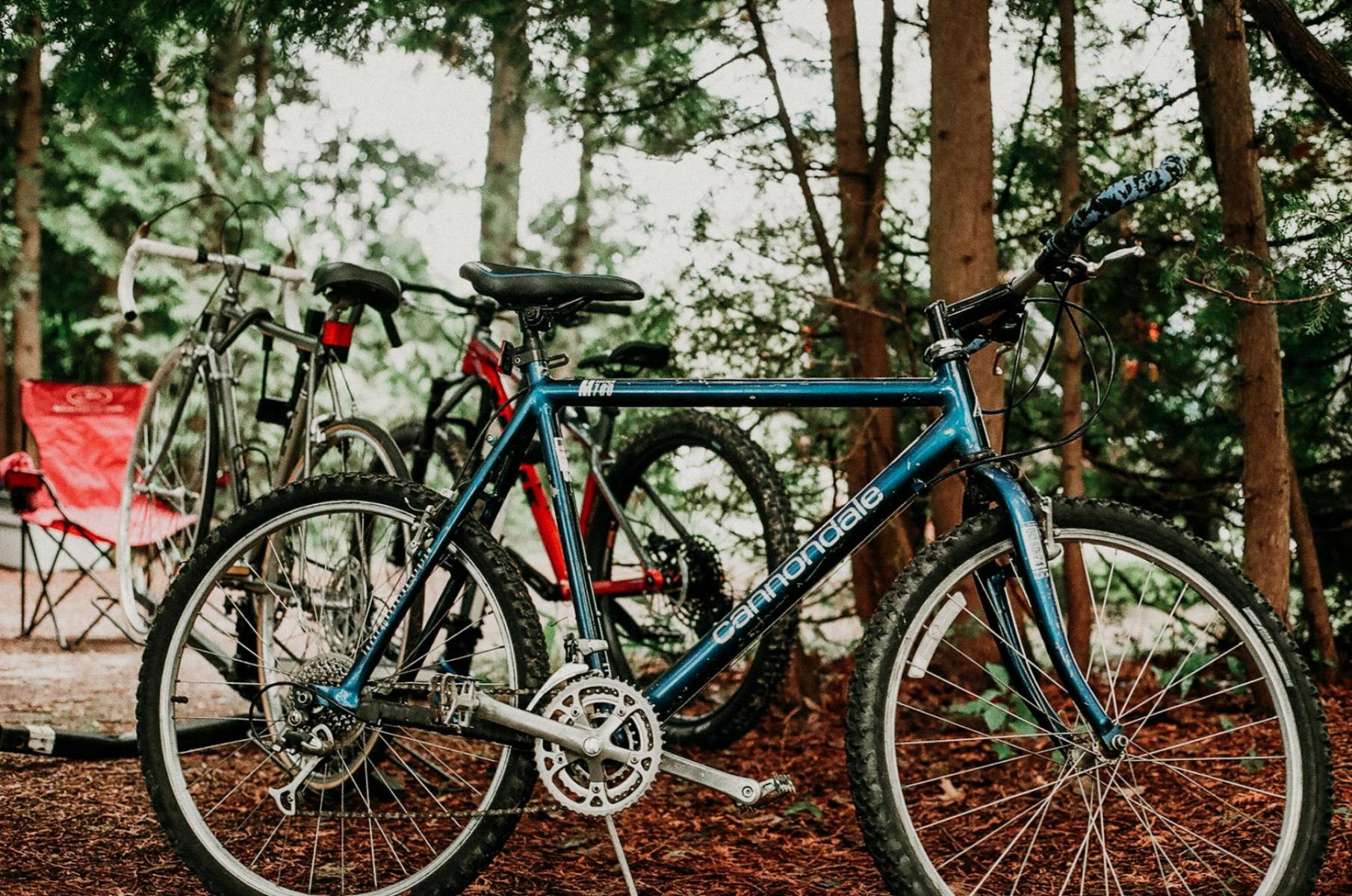
The first thing you hear under the spruces is a hush—the soft whirr of freehubs and a gondola’s distant murmur over the town. Needles crunch under tyres, resin scents the air, and a ribbon of bench‑cut dirt slips between trunks. This is how Świeradów‑Zdrój greets an e‑mountain biker: not with drama, but with flow. The Izera Mountains reward patience, measured pedalling and a good plan more than bravado.
Where e‑MTBs feel at home in Świeradów
Świeradów’s singletrack has a distinct personality: one‑way forest loops, narrow—about a handlebar and a bit—and built to surf low, regular gradients. That rhythm is e‑bike gold. You’ll settle into a steady cadence, trim assistance to match, and float the contour rather than fight it. Local guidance describes the town’s one‑way singletrack as trails up to roughly one metre wide with maximum grades around five percent—deliberately designed to be dynamic yet predictable, and graded by colour for difficulty, just like ski pistes[1]. The upshot: on an e‑MTB you can keep your motor in eco or trail and still maintain flow through long, rolling traverses instead of spiking power on punchy ramps.
Base yourself near the gondola and you’ll notice how the trails stitch into daily life. Riders roll out in the morning mist, return for a mid‑day coffee and a quick chain wipe, then head back for a twilight lap while the spruce shade goes cobalt. In a town that’s shaped by spa routines and unhurried afternoons, e‑bikes feel like they belong.
Read the loop like a battery gauge
Profile, elevation and assistance
An Izera loop rarely throws brute‑force climbs at you; it prefers long, mellow ramps. That changes how you read a GPX profile. Instead of bracing for a few steep spikes, look for the seashell pattern—stacked, gently rising curves that hint at contouring climbs and easy‑to‑meter effort. Use that to plan your support:
- Warm‑up zone: Start in eco for the first 10–15 minutes. Your battery is cold, your legs aren’t. Let both come online gradually.
- Cadence before current: Keep a light gear and 80–90 rpm. Modern mid‑drives are most efficient when you spin; lugging invites heat and waste.
- Trail‑mode cruise: On Świeradów’s steady gradients, trail/mid assistance often nets the best distance‑per‑watt because it smooths micro‑accelerations you’d otherwise pay for later. Save boost for short root webs, exits from hairpins, or wet granite lips.
- Micro‑coast: On rolling singletrack, cut power a beat before crests and let momentum carry over; re‑engage on the downslope’s first third to keep traction without surging.
As you practice this “profile reading,” you’ll notice how little boost you truly need. Flow smooths the watt‑draw; smooth watt‑draw preserves range. It becomes a quiet game between your thumb and the topography.
Plan A and Plan B for range
Two rules keep range anxiety out of your day. First, always plan an early bail‑out: a mid‑loop spur that drops to town or the base station, where cafés and services cluster. Second, sync your schedule with terrain features, not the clock. If the second half of your loop strings together traverses of equal pitch, you can predict energy use more reliably than on a route that ends with a wall. That’s the beauty of Izera design: long, consistent grades that make battery math honest.
There’s also a cartographic trick: zoom the official network map and toggle elevation shading to confirm that your “easy spin home” really is easy. One‑way loops help here; by following the signed direction you’ll meet corners, cambers and braking bumps the way designers intended—which is kinder to tyres, hands and battery alike[1].
The etiquette of flow
Good trail manners are the true superpower of an e‑MTB rider—especially on popular one‑way loops.
- Obey the direction of travel. These singletracks are engineered as one‑way for safety and drainage; riding against the grain risks collisions and damages berms[1].
- Manage speed at blind turns and on rollers. You might hear tyres before you see them; keep at least one finger on each lever where sightlines shorten.
- Yield with grace. On a narrow bench, communicate early, stop in a durable spot (rock, bare mineral soil), and keep tyres off soft edges. That preserves the singletrack’s thin, hard cap.
- Pedal quietly around walkers on shared connectors. Slow well in advance, announce softly, and pass with a smile. The forest sounds better that way.
- Don’t roost wet berms. E‑MTB torque plus saturated dirt equals blown lips and ruts—costly to fix and no fun to ride later.
Groups should stagger starts by 15–30 seconds so you’re not tailgating through every S‑turn. If you stop, choose wider lay‑bys or the base of climbs; never crest a roll and park on the blind side. You’ll keep the line moving—and the vibe light.
Charging, rental and a gentle uplift
“Charge smart” in the mountains
On the road, the gold standard is simple: charge your e‑bike battery with your own manufacturer‑approved 230 V charger, exactly as you do at home. For most e‑bikes, that routine mains charging is the norm, not the exception[6]. Accommodation hosts, cafés and service points in a bike town like Świeradów are used to it—ask before you plug in, place the charger on a non‑flammable surface, and avoid daisy‑chained extension cords.
What about public car chargers? Treat them as off‑limits unless there’s a standard socket provided for light e‑mobility and the operator explicitly agrees. EV posts are built around vehicle‑specific connectors and power levels; they aren’t general‑purpose outlets. The right way: carry your own charger, top up during a coffee or lunch stop, and plan routes with a midday “float charge” in mind. Your cells run cooler, your day runs smoother.
Using the gondola as an e‑MTB “ascent lane”
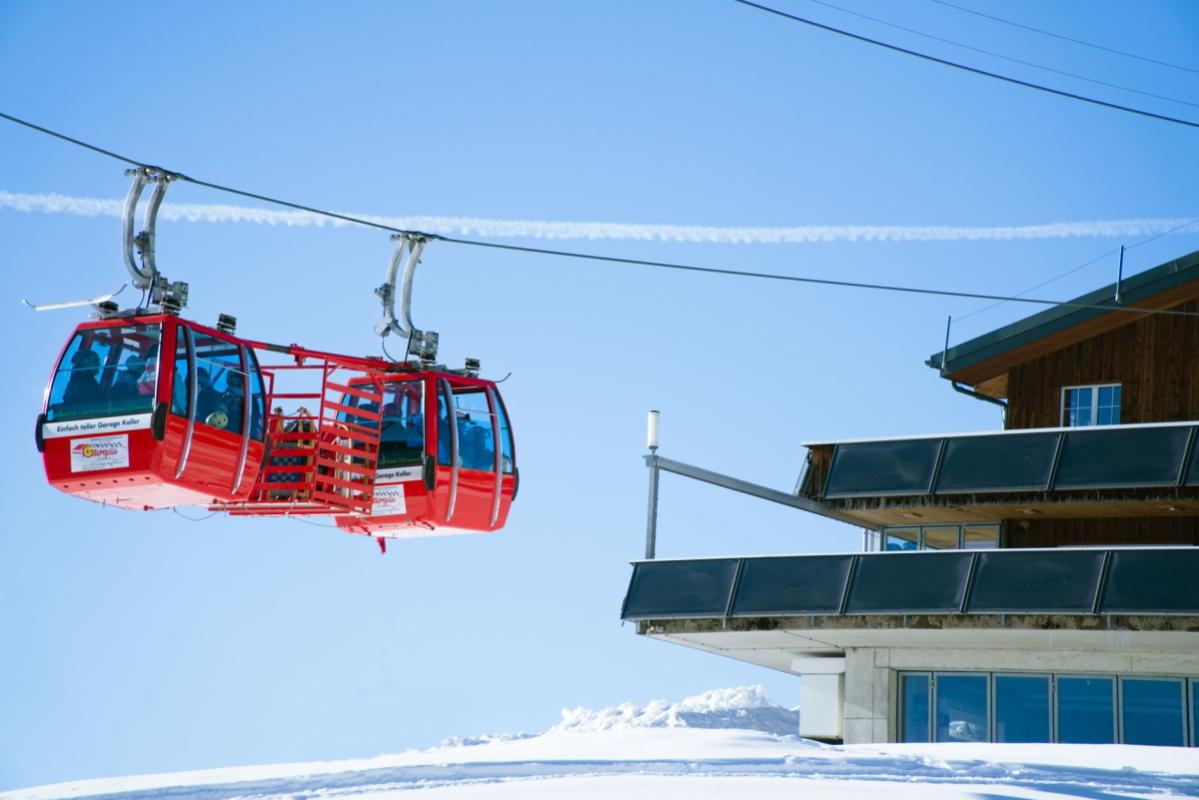
Świeradów’s gondola accepts bikes and even sells bike passes in summer, making it an elegant uplift when you’re riding a heavier setup or pacing a mixed‑ability group. Official summer regulations confirm bicycle carriage and dedicated multi‑ride bike tickets; the lift is your shortcut to the ridge without heat‑soaking your battery on a single long climb[2]. From the top, you can string together higher forest traverses, or simply treat the ride down as a gravity‑fed skills session before rolling back into town for a coffee and a light top‑up.
Where to rent and fix
If you’re traveling light, local rental at the base station covers modern trail bikes and e‑MTB models, with basic service on hand for mid‑ride mishaps. The on‑site SKI&BIKE rental lists e‑MTBs and sits within an easy pedal of the singletrack entrances—convenient both for a shake‑down lap and for returning with a half‑charged battery to swap machines if needed[3].
Across the border: Smrk and the Czech side
Just over the ridge, Smrk is the highest peak on the Czech side of the Jizera Mountains, a shapely spruce crown that you’ll glimpse between trunks as the trail swings west[4]. Around its flanks, the Czech trail network trades in the same grammar of flow: patient grades, linked curves, and a design language you’ll read quickly after a day in Świeradów. Think of it as the second half of a conversation—the same forest, a different accent.
How to ride it well on an e‑MTB? Bring the same toolkit: spin a high cadence on the long traverses, use trail mode for the elevator‑smooth ramps, and spend boost in short, precise bursts when roots stack up or a hairpin’s apex tightens. It’s another place where assistance is best used as punctuation, not prose.
Further afield: Singletrack Glacensis as your long‑form muse
Once you’ve learned to budget energy on Świeradów’s measured slopes, point your curiosity south to Ziemia Kłodzka. The Singletrack Glacensis network—promoted by regional tourism as Europe’s longest singletrack system—fans out across multiple forest loops and makes a fine e‑MTB classroom for managing assistance over big, rolling days[5]. Trails typically favour undulating, benched lines that let you cruise in a mid‑power setting for hours without the on‑off spikes that drain a battery.
That’s the key inspiration to bring back to Świeradów. Plan routes around consistent grades and clusters of amenities: in towns where singletrack meets spa culture, every loop has a natural intermission. Stop, recharge you and the bike, and head out again. You’ll find that a carefully chosen 45‑minute top‑up during lunch gives you a decisive cushion for an evening lap—an approach that echoes across both sides of the border.
Putting it all together: an e‑bike‑friendly day
- Start from town with 95–100% charge. Spin easy through the first low forest loop to calibrate legs, tyres and traction.
- As gradients settle, lock into trail mode. Keep momentum light through S‑turns, and micro‑coast crests to conserve watts.
- Midday, drop back to the base area. Take an hour: food, water, a soft brush across the drivetrain, and your own 230 V charger humming in a corner. Check the official map for one‑way directions and choose a second loop that flows home[1].
- Afternoon or golden hour, choose either another forest loop from town or treat yourself to a gondola uplift for a gravity‑tilted finale[2].
Three habits keep the day civilized: be predictable at corners, be kind on climbs (motor off when overtaking), and be patient when the forest is busy. Flow thrives on courtesy.
Ride Świeradów on an e‑bike and you’ll notice how the town’s cadence soaks into your own. Quiet mornings, resin on cool air, a bench‑cut ribbon rising just enough to make your legs feel alive. The Izera Mountains reward the rider who reads profiles like stories and treats assistance like a gentle edit—not a rewrite. The battery goes further, the trails last longer, and the forest sounds better when you leave it as you found it.