XC or enduro? How to read Izera singletracks (and Czech Jizerské hory) to match your riding style
Forget copying GPX files. This rider’s guide shows how to ‘read’ terrain, trail language, and maps around Świeradów-Zdrój and across the Czech border—so you can pick loops that fit your style, from fast XC flow to steeper, more technical lines.
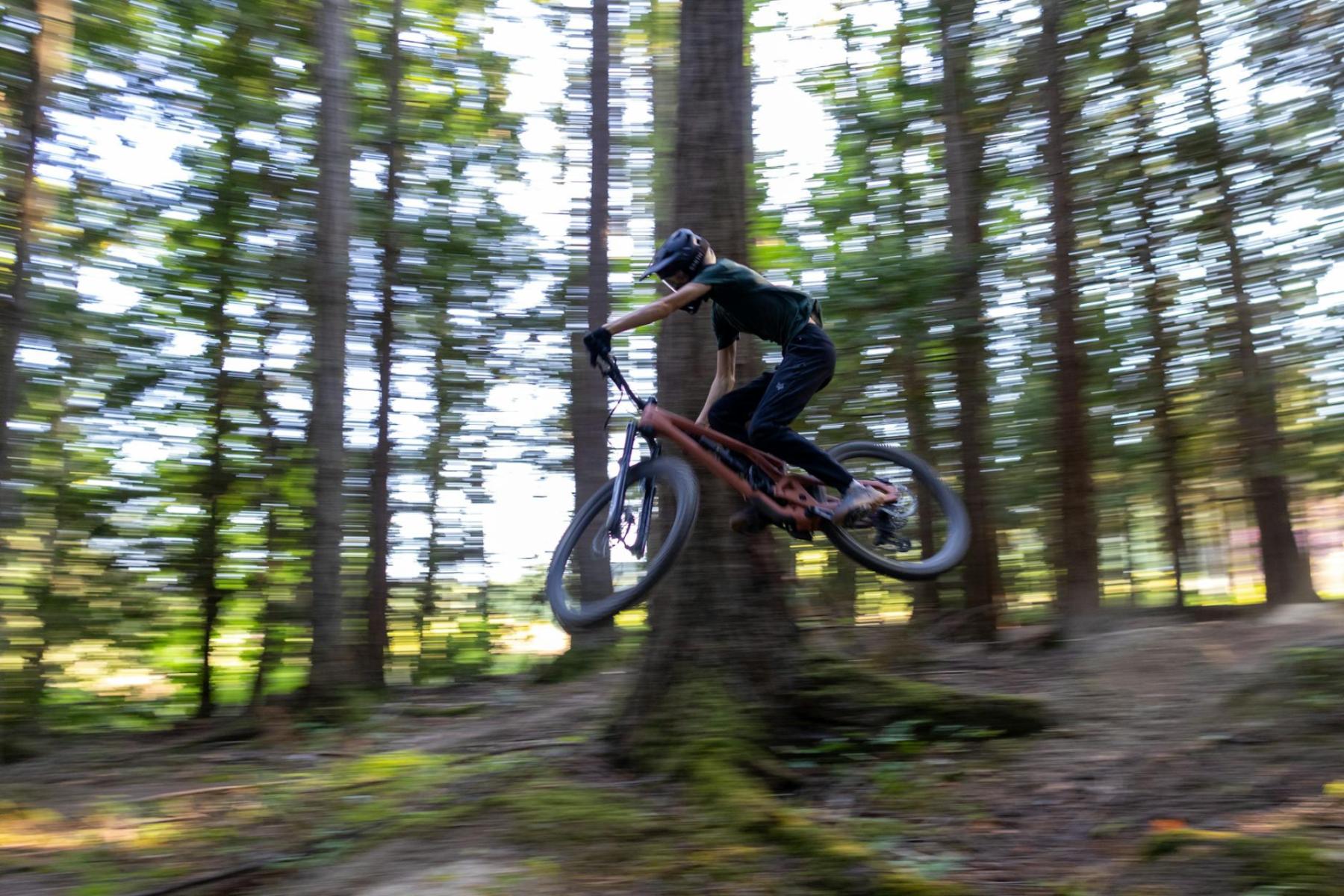
The first thing you notice after rain in the Izeras is the smell: wet spruce, resin, dark soil shining under needles. A ribbon of bench‑cut trail appears and vanishes again between mossy stones. This is where choosing the right loop isn’t about following someone else’s track. It’s about reading what the mountain is telling you—then matching it with the bike beneath you, the rubber you’re rolling on, and the speed you can hold.
The language of trails: flow versus natural
Every singletrack speaks a dialect. “Flow” trails are machine‑shaped to a steady rhythm—predictable curvature, consistent grade, compressions that feel like punctuation you pump through. They reward momentum and a light touch: looking two corners ahead, soft hands, heavy feet, micro‑adjustments on the pedals. On true flow you can often stay off the brakes longer and scrub speed with body position at the apex rather than yanking levers. Tires with fast‑rolling center tread and supportive shoulders shine here; you’ll prefer higher pressures than on jagged rock, and gearing that lets you keep a smooth cadence between compressions.
“Natural” singletrack is the opposite dialect. It’s sculpted by water and roots, not excavators—off‑camber turns that slide if you’re lazy, square rocks that ping a rim if pressures are too low, micro‑drainage channels that cross the bench right where you wanted a pedal stroke. Features are spikier, sightlines shorter. You manage traction with technique before equipment: eyes up; break the trail into read‑and‑respond sections; brake earlier and lighter; lift the front wheel over roots you can’t unweight both tires across. Rubber matters more: softer compounds, more aggressive, open tread patterns, and casings that won’t fold when you’re side‑loading around a damp beech root lattice.
Angles and travel don’t dictate your fun, but they steer your ceiling. Cross‑country bikes feel electric on sustained flow, especially when the surface is smooth and grades stay moderate. Modern “trail” and enduro rigs widen your margin for error on natural tech and higher speeds. Most marked trail networks use a color system—from green (easiest) to blue, red, and black—so you can gauge both skill and fitness demands before you drop in; the middle bands (blue/red) are where “flow versus tech” often swaps dominance within the same loop.[2]
Świeradów-Zdrój as a laboratory: one town, many ways to learn
The Polish resort town of Świeradów-Zdrój sits on the northern flank of the Izera Mountains, with Czech Jizerské hory just over the ridge. Smrk, the massif’s Czech high point, crowns the horizon—granite, bog, and spruce defining the skyline you’ll chase in the turns.[1] What makes this base so useful for riders is the sheer variety tightly packed into a small radius: purpose‑built cross‑country singletracks, a gondola‑served bike park, and—in town—a small skills area for balance, pumps, and basic precision that you can loop in twenty‑minute practice blocks.[5]
Think of the skills park as your warm‑up brain. Wooden skinnies, mellow rollers, graduated lines for different levels: a place to calibrate brake fingers, re‑center your vision in corners, and rehearse slow‑speed balance before you take it higher on the hill. When you step into the forest, keep the training mindset. Don’t just “ride a lap.” Assign yourself a task: two exits later, am I still looking where I want to go? Am I braking before the turn or in it? Is my outside foot loaded, inside hand light? Doing this under low consequence—on town‑level features and green/blue single—cements habits that will save you when roots arrive at speed.
Reading Singletrack Świeradów: profiles, colors, and context
Świeradów’s purpose‑built singletracks are woven for laps rather than epics; they’re ideal for practicing cornering vision, body position, and line choice. Treat the network map like a language key rather than a checklist. Here’s how to read it with intent:
- Colors tell you the baseline, not your fate. A blue loop can feel “XC” if you run fast rubber and carry momentum; the same blue can teach enduro skills if you choose slower tires, lower pressures, and commit to braking before rather than in features. Expect green to offer wider sightlines and gentler grades; blues to add stacked turns; reds and blacks to introduce tighter radii, rock/root clusters, and steeper sustained pitches.[2]
- Profile lines are promises. Look for where the saw‑tooth softens into longer slopes: that’s where flow will emerge and you’ll want to let the bike run. The bristly sections—short, frequent spikes—telegraph micro‑punches that will punish over‑gearing. If your fitness is in “winter base,” choose loops with longer continuous climbs and longer continuous descents so you can settle in rather than surge.
- Contour context beats distance. A 9 km contour‑hugging loop can feel shorter than a 5 km route that keeps cutting the fall line. On the map, longer segments that parallel contour lines usually ride faster and “flowier”; close‑packed switchbacks across contours often read as natural tech in the forest.
- Rain language. On machine‑built flow, water is channeled out; on natural connectors it sits in the tread. If the forecast shows showers, prefer loops that trace ribs and spines (better drainage) over gullies (slick roots, sump holes). Think rubber first, geometry second.
Świeradów’s singletracks also plug into the cross‑border riding culture: waymarked MTB routes from the Polish side tie into Czech loops beneath Smrk, letting you create bilingual rides without wrangling navigation apps.[6] When your technique is the goal, keep it local and repeatable. When your horizon is fitness and scenery, think loops that flirt with the border, then roll back for cake and mineral water.
Flow school, safely: using Bike Park Świeradów
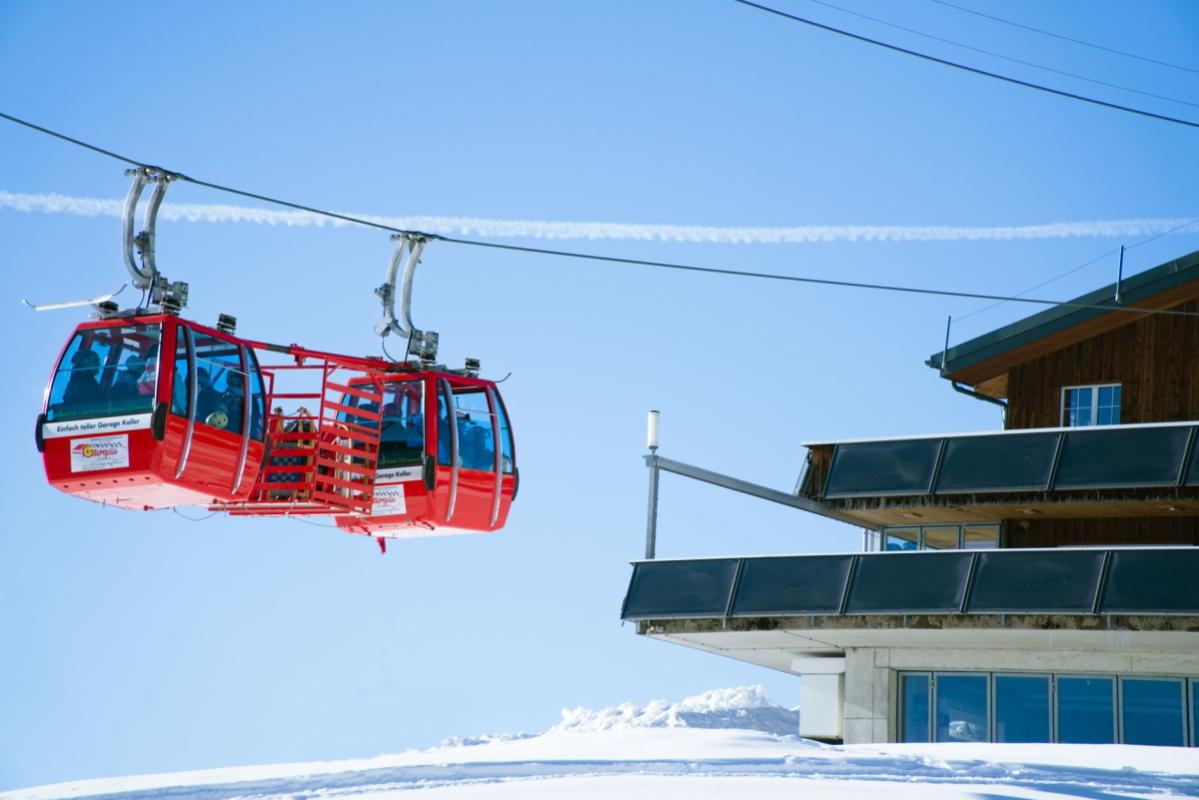
Gravity is an honest teacher, but it can be a brutal one. The gondola on Stóg Izerski turns the hill into a classroom where you can separate descending practice from climbing fatigue.[3] Use it that way. Start on the smoothest line you can find and set simple rules: no braking in berms, eyes up to the next exit, pump every roller you’re not jumping. Notice how a controlled entry speed makes the entire section easier; notice how one late pull on the brake ripples into the next two turns. Alternate laps: one “analysis run” at 70% to drill form and consistency, then one “expression run” a bit faster to test whether the habits hold.
As you step into slightly steeper or more technical lines, hunt for alternate options: high and low berm lines, inside vs. outside around rock clusters, rollable tables with safe landings. The goal isn’t speed. It’s expanding your decision bandwidth at bike‑park pace so that, back on natural trail, your brain has spare capacity for the unexpected. Change one variable per lap and keep notes on your phone: tire pressures, rebound clicks, body armor that gives confidence without costing mobility. Then take those settings to dirt that hasn’t been raked this week.
Crucially, a lift‑served environment lets you practice failure in a controlled way. Overshoot a timing pump? You have another try in twelve minutes, not forty. For the same reason, it’s where learning to slow down is as valuable as learning to go fast: progressive braking drills, deliberately “wide then tight” entries, committed exits. What you’re really collecting here is a mental model of speed control that transfers to off‑piste roots when the gradient steepens and traction thins.
Across the border: what the Czech Jizerské hory teach
Roll east from Świeradów and the forest changes character under your wheels. The Czech side beneath Smrk strings together purpose‑built loops and hikers’ paths in a way that makes progression intuitive: you can stitch mellow contouring kilometers, then dip into something that demands cleaner braking points and a stronger attack position. The riding is a live demonstration of the sliding scale between fast cross‑country and technical trail/enduro: one moment you’re pedaling a blue flow section shoulder‑to‑shoulder with spruce, the next you’re reading lines through a granite‑root stack that insists on commitment. Pick your bike accordingly. A modern trail setup—with stable geometry, wider handlebars, moderate travel, and tires wide enough to breathe—straddles both worlds without complaint, letting you choose learning over limits on any given loop.[2]
Use landmarks as anchors to structure your day. Smrk’s lookout tower is less a destination than a compass point—if it’s on your right as you climb and on your left as you descend, your loop will likely keep to manageable grades and predictable surfaces. If the wind is pushing cloud over the ridge from the south, expect slick patches where needles bank on the inside of compressions. If the sun has baked the spines, expect dried‑out marbles on hardpack berm lips—a different braking challenge entirely.
Further horizon: when to reach for Singletrack Glacensis
When your corners are clean and your braking points feel automatic, step south to the Kłodzko Land for Singletrack Glacensis. Think of it as long‑form riding practice: a sprawling web of waymarked routes designed as forest singletrack, purpose‑built and signed for sustained, rhythmic days—more flow than extremity, more “keep pedaling” than “drop the heels and pray.” It’s regularly described by the regional board as the longest singletrack network in Europe, and while your legs will debate semantics, your grin will not.[4]
What Glacensis teaches is not a single trick, but pacing. Read the profiles before you commit: lines that arc along contour for kilometers can seduce you into overgearing early; save a gear and a few heartbeats per minute so you arrive at the descents fresh enough to play. Because the trails are intentionally prepared—shaped, marked, and surfaced—your variables are mostly weather, tire choice, and how early you brake. That makes it a perfect proving ground for “equipment as experiment”: swap a faster rear tire at lunchtime, adjust rotor size for your next visit, nudge suspension one click faster on rebound and see if the nose stays lighter exiting turns. The point is not to optimize. It’s to understand what each change does so that, back in the Izeras, you can pick the right tool for an unpredictable day.
How to actually choose your loop: a practical, evergreen method
1) Start with purpose, not a GPX
Decide what you want to improve today—braking earlier, keeping eyes level through linked turns, pedaling smoothly over punchy rises—and choose terrain that exaggerates that variable. If you’re learning to pump for speed, narrow your search to flow lines with linked rollers. If you’re calibrating traction, pick natural singletrack with a mix of roots and small rocks. Distance is secondary; repeatability is everything.
2) Read slope, not just elevation
Profiles lie by omission. A climb that gains 200 m over 8 km can be a velvet ramp or a sadist’s interval set. The giveaway is slope distribution: a profile with long gentle gradients reads “XC”; one with tight sawtooth spikes reads “tech trail” even if the average is the same. On contour maps, the closer the lines, the greater the brake heat. If you’re choosing tires, that’s the moment to pick between fast rolling and cut‑proof sidewalls.
3) Decode color with context
Green is not always “easy,” and red is not always “enduro.” Ask: what’s the builder’s style? In groomed centers, blue can be as fast as you dare, with difficulty rising with speed; in older natural nets, blue may simply mean fewer mandatory moves but the same amount of thinking. The color swatch tells you “what,” but the surface tells you “how.”[2]
4) Cross‑check map types
Pair the official center map with terrain and satellite views. Purpose‑built flow will show as smooth, contour‑paralleling lines; natural segments often connect drainages and climb/dive more abruptly. If an official legend flags rock gardens, roots, or steeper sections, sketch your own A/B plan: a shorter bail‑out if you or your group is done early, and an optional extension if you’ve under‑estimated coffee power.
5) Filter by weather, then by group
In the Izeras, wind and drizzle can turn pine needles into Teflon on north‑facing slopes. Build in both equipment and route redundancy. On wet days, pick flow with good drainage or well‑armored natural trails. In mixed‑ability groups, base in Świeradów-Zdrój so riders can split—gondola laps for those drilling descending, town‑level skills and lower forest loops for those building confidence.[3][5]
6) Align bike and brakes to the loop
For XC‑leaning flow, you’ll want a bike that sprints and holds a line with minimal body input; for rougher tech, a bike that forgives late braking and poor exits. If you’re between categories, a mid‑travel “trail” setup with stable geometry and 2.3–2.5 inch tires takes you furthest before the bike—not you—runs out of talent.[2]
Places that shape your riding day
- Bike Park Świeradów: let the gondola break the climb/descend cycle so you can practice lines, speed control, and decision‑making under repeatable conditions.[3]
- Smrk Peak (Czech high point of the range): a visual metronome for cross‑border loops and a reminder that you’re riding a shared mountain.[1]
- Jizerka Village and high meadows: when you want a long coffee ride on mixed surfaces before re‑entering singletrack, this is your palette cleanser between sessions.
- Świeradów skills park (in town): short, sessionable lines for balance, cornering, and pumping, ideal as a warm‑up or a final drill after the forest.[5]
- Singletrack Glacensis (Kłodzko Land): your “long‑form flow” laboratory when pacing and small setup changes are the lesson of the day.[4]
Pick any clear morning and you’ll hear it: freehubs ticking under the pines, gullies echoing with a whoop that gets lost among the spruces. This border range rewards curiosity as much as strength. Learn to read its lines and legends, and the Izeras will return the favor—blue or red, Poland or Czechia, XC or enduro—by turning every loop into a lesson you wanted to take.