Glass Sudetes: a classic cross-border day from Świeradów-Zdrój — Julia Glassworks, the Karkonosze Museum and Jablonec
From hot furnaces to cool vitrines, this evergreen route braids together live crystal-making in Piechowice, the country’s standout art‑glass collection in Jelenia Góra, and Jablonec’s museum pairing of glass and costume jewellery. A one‑day arc you can do in a spa tempo from Świeradów‑Zdrój.
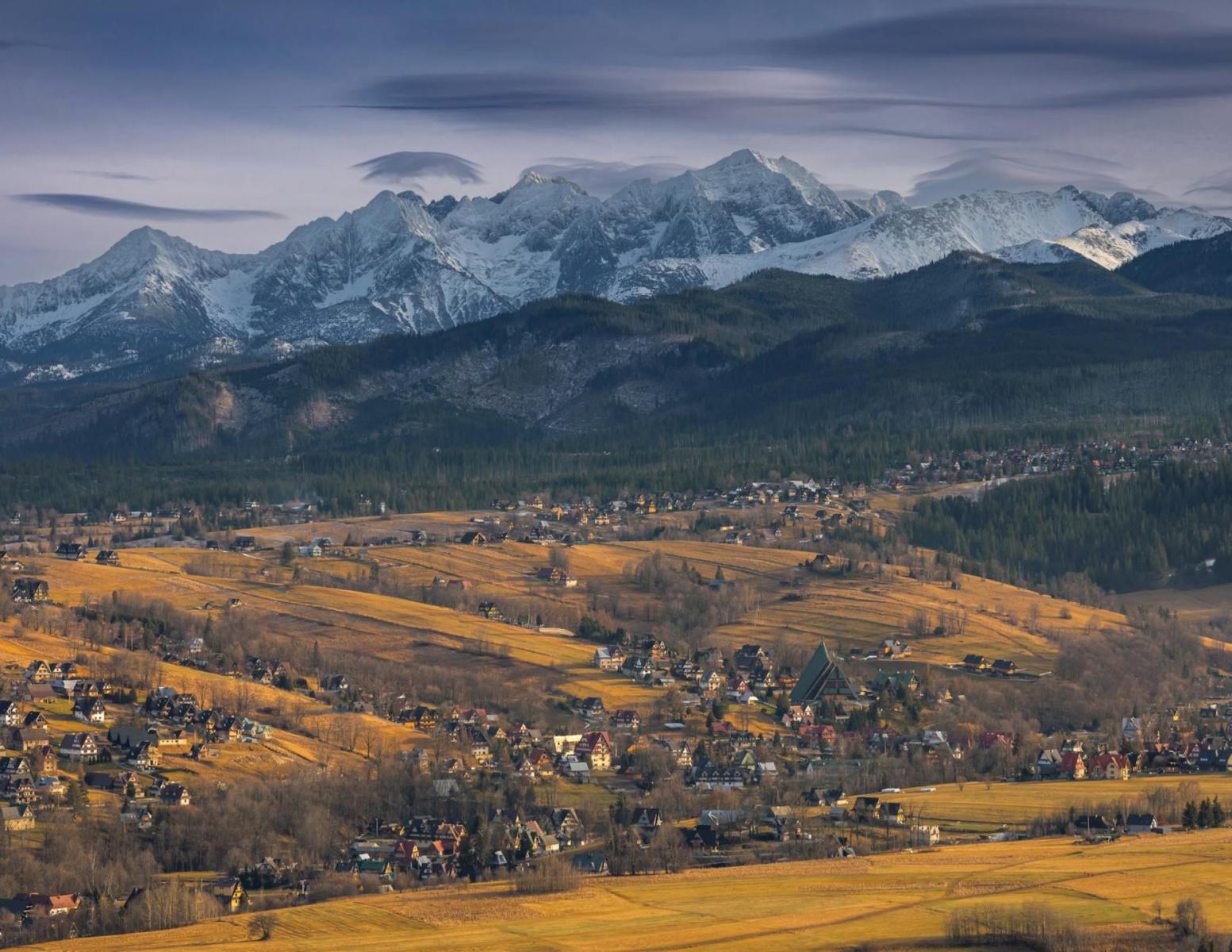
The first thing you notice after rain in Świeradów-Zdrój is the resin on the air. Spruce needles glisten; the old promenade hall smells of wood. It’s a town that invites you to slow your step — a gift when you’re tracing a craft as patient as glass.
This day is best read left to right across the foothills: production in the morning, history at noon, and design in the afternoon. Three stops within a short, scenic drive from the spa — Piechowice, Jelenia Góra, and Jablonec nad Nisou — outline the Sudeten glass belt without fuss or seasonality. Watch crystal take shape, then walk through a century of techniques, and finish where glass meets jewellery in a museum unlike any other in the region.
Morning heat: inside Julia Glassworks, Piechowice
Leave Świeradów with the windows cracked and the forest still damp, and aim for Piechowice. The low industrial silhouette of Julia Glassworks sits against the Karkonosze like a line drawing, its chimney and brick halls betraying a working factory rather than a set-piece attraction. That’s the point: visitors thread a dedicated route along the hotshop to watch teams gather, blow and swing a ribbon of molten glass into form, then follow pieces through grinding and decoration before they ring clean on the bench. It’s a living floor, not a diorama, which makes the small pauses — the hiss of a paddle on hot glass, the faint smell of wet wood and rouge — the morning’s quiet luxuries.[2] ([dolnyslask.travel])
Julia is a crystal glassworks. That single word — crystal — tends to blur in casual use, but here it describes lead glass: a formulation in which lead oxide replaces part of the usual fluxes to raise refractive index and density. The result is the luminous ‘ring’ when you tap a cut rim and that unmistakable sparkle along deep facets.[3] At the factory, you’ll see cutters trace those facets with rhythmic, careful passes, a choreography passed down bench to bench. By contrast, most everyday bottles, jars and windowpanes you touch are made from soda–lime glass — a utilitarian staple tuned for durability and mass production rather than fire‑polished brilliance.[4] ([en.wikipedia.org])
Give yourself time in the factory shop. You’ll find classic cut patterns alongside newer, cleaner silhouettes — tumblers with just enough weight in the hand, small lidded bonbonnières that travel well, and stemware you can buy by the pair. If you collect with a story in mind, look for pieces that expose a technique you just watched: a hand‑cut star, a polished punt, a cranberry overlay revealing transparent windows. I like to choose one tactile object — a thick old‑fashioned glass — and one that captures the play of light, such as a shallow bowl where facets throw pinpoints across the table.
Coffee? Keep it simple this morning: a short stop in Piechowice or in neighbouring Szklarska Poręba on the way to Jelenia Góra. Mountain cafés here do the basics well, and you’ll want to save your appetite — and your attention — for the museum at midday.
Noon context: the Karkonosze Museum, Jelenia Góra
Jelenia Góra’s museum is where the local glass story deepens from craft to culture. Its art‑glass holdings are a point of pride — widely cited as the largest collection of art glass in Poland — and the galleries draw a clean line from ornate historic pieces to postwar form experiments to contemporary studio work.[1] It’s a room‑to‑room education in how this borderland saw, and still sees, glass: as utility, as ornament, and as a medium with its own voice. ([dolnyslask.travel])
Two names surface again and again as you walk: Josephine and Heckert. Without turning the visit into a date‑quiz, think of them as twin strands of a local DNA. Josephine, the powerhouse of nearby Szklarska Poręba, and Fritz Heckert’s Piechowice works both pushed technique and pattern — their rivalry and eventual entanglements fed a style that prized cut light, enamel colour, and a willingness to borrow motifs from far beyond the mountains. You’ll begin to read these pieces the way locals do: not just for their pattern, but for their place — which valley workshop cut this rim, which decorator’s hand laid that enamel. It’s the kind of nuance that makes the region’s glass feel lived‑in, not merely displayed. ([dolnyslask.travel])
Pause between galleries. The museum is a good place to reset your pace to a spa rhythm: sit under the high windows, let your eyes clear, and then lean into the next case. If you’re traveling with curious teens or design‑literate friends, this is where conversations bloom — about how tools shape taste, how borderlands cross‑pollinate, and why certain forms, once you’ve handled them, refuse to leave your hand-memory.
Lunch and a short city interlude
Step into Jelenia Góra’s arcaded Old Town for something simple. The square’s rhythm of arches throws soft shade even on bright days, and you’re never far from a plate of pierogi or a light soup. Don’t chase a “destination restaurant”; chase a good table where you can set down your new vocabulary — facet, overlay, wheel‑cut — and let it settle.
Afternoon design thread: Jablonec nad Nisou’s museum of glass and jewellery
Cross the border and the landscape doesn’t make a fuss about it — the mountains keep their cadence, villages stay buttoned to the slopes, and the road unspools toward Jablonec nad Nisou. Here, glass takes on its other regional life: as jewellery, buttons, and the glamorous hardware of everyday dress. The city’s museum brings the two worlds together — galleries devoted to Czech glass sit alongside displays of costume jewellery and the beadwork industry that made Jablonec a byword abroad. The institution traces its public roots to the early 20th century and occupies an Art Nouveau building; it is still the best single stop to understand how glass crossed from goblet to garment and back again.[6] ([en.wikipedia.org])
You’ll start to see, in vitrines the colour of deep water, how small things carry big stories: a clasp pressed from glass and metal that held a winter coat shut in Chicago; a spray of garnet‑toned beads that sold by the card in London; a brooch whose surface echoes techniques you saw at the grinder’s bench in Piechowice. This is where the morning’s craft meets the afternoon’s design, a neat hinge that makes the day feel complete.
Crystal Valley, in practice
Spend an hour or two in Jablonec and a wider regional picture comes into focus — workshops, schools, factories and museums threading the Liberec region in what locals and marketers alike have come to call the “Crystal Valley.” The name itself, used to capture a centuries‑old industry concentrated around towns like Nový Bor, has stuck because it feels accurate: a valley where glass is not just made, but lived.[5] If you want to extend this itinerary, it’s easy to add a studio visit or a short detour to another glass town on a longer day. ([de.wikipedia.org])
How to pace the day — and what to bring home
Plan the arc as a slow braid, not a race. Start at Julia when the furnaces settle into their day; you’ll have the most energy for the heat and the close attention the hotshop deserves. Let Jelenia Góra sit in the middle as your lens‑polisher. Finish in Jablonec, where the language of beads and buttons reads like a lively coda.
For coffee stops, think in pairs. Morning: Piechowice or Szklarska Poręba, snug cafés where a slice of yeast cake and a short espresso make sense before the museum. Afternoon: Jelenia Góra’s arcades on the way back, or a quiet spot in Jablonec near the river, where you can unwrap the day’s small purchases and decide who gets what.
What to buy? Choose across the three pillars you’ve just met. From production: a piece of true crystal that shows off cut and clarity — a weighty tumbler, a small vase with bright, precise facets, or a cranberry overlay where the wheel has opened windows to the clear layer beneath.[3] From history: a catalogue or postcard set that anchors what you saw at the Karkonosze Museum; even a bookmark with a period pattern becomes a compact souvenir that gleams each time you open a book.[1] From design: Jablonec jewellery that uses glass cleverly — a brooch you’ll actually wear on a winter coat, a string of beads that takes colour seriously, or a pair of earrings that catch the last light when you’re back under Świeradów’s wooden roof. ([en.wikipedia.org])
Borderlines, languages, and the pleasure of looking closely
One of the gifts of this route is how easy it makes crossing. The border feels almost imaginary at road level, and the day flows in the same key: Polish, Czech and German names set side by side on labels; techniques migrating between valleys; designs catching fashion’s wind in Vienna, Paris or New York and circling back. You don’t need to stuff your head with dates to sense the continuity. It’s in the way a cutter holds the glass to the wheel; in the way a bead sits perfectly on a thread; in the way a museum case pairs a utilitarian bottle with a sculptural bowl so you can weigh them both with your eyes.
End where you began, back in Świeradów-Zdrój. The promenade will smell of resin again, and if you hold the day’s glass up to a lamp in your room, you’ll watch the same mountains flicker in its facets. Production. History. Design. One valley, several languages, and a craft that rewards anyone willing to look longer than a glance.