Rock, rifts and radon: the geologic pedigree of Świeradów’s waters
Why do the springs of Świeradów‑Zdrój and Czerniawa‑Zdrój fizz, and why do some carry natural radon? A walk through the Karkonosze–Izera block—its granite heart, metamorphic rim, and fault‑borne ‘elevators’—reveals how the region’s bedrock sculpts its mineral waters, and where to taste and see this story for yourself.
The first sip is cool and slightly prickly, with a faint scent of wet stone. Step back into the timbered light of the Spa House’s long promenade and you’ll notice how the air itself seems to hum—pine resins, the soft clatter of cups, and, in the glass, the tiny lift of bubbles that gave generations of Silesians a word for such waters: szczawy, the naturally effervescent springs. Świeradów‑Zdrój and its district Czerniawa‑Zdrój built their identity on that tingle and on something invisible—the whisper of radon drifting up from deep rock. This is a mountain spa where water chemistry is written by the rocks beneath your feet.
A mosaic beneath the town: granite heart, metamorphic rim
Świeradów‑Zdrój sits on the northern slopes of the Izera Mountains, part of the larger Sudetes. Think of the region’s bedrock as a layered stage set. At depth sits a great granite body—part of the Karkonosze Granite—that forced its way into older crust roughly at the dawn of the late Carboniferous, about 318 million years ago, during the Variscan mountain‑building cycle[1]. Around that granite, the Izera metamorphic complex—gneisses and mica schists—wraps like a weathered cloak. South across the crest you encounter more granite; north toward the foreland, the metamorphic rocks return, with gneisses and micaceous schists common along the ridges[6]. Different rocks, different behaviors when rain and snowmelt percolate down.
Granite—massive, blocky, and dotted with micro‑fractures—stores and transmits water mostly along cracks. Metamorphic rocks such as gneiss and schist have their own foliation planes and fracture patterns. Between the granite core and its metamorphic envelope, permeability contrasts pile up like filters. Water weathers feldspars to clays, leaches ions from micas and accessory minerals, and picks up dissolved gases on its way. Over decades or centuries underground, these micro‑decisions add up to a glass in your hand.
Simple section sketch (not to scale):
Granite pluton (Karkonosze) | Contact zone | Izera metamorphic cover
[low primary porosity, | fractured, | gneiss/schist with foliation
water moves in joints] | mineralized | and fracture networks]
Faults as elevators: how deep waters reach the light
The Sudetes are not just a pile of rocks; they are a web of long, mountain‑scale faults, many oriented NW–SE, that have stitched, shifted, and shattered blocks over geologic time. Those fault and fracture zones—along with countless smaller joints—act like shafts and stairwells for water: rain and snow seep down, while warmed, mineralized waters are buoyed up. In places, the system behaves like a perpetual slow elevator, shuttling fluids between the shallow crust and deeper, gas‑rich realms[1].
That mechanical ‘plumbing’ is why a dozen springs in one valley can taste different. Water rising through granite may intersect veins rich in quartz and uranium‑bearing accessory minerals; water tracking along schistose planes may linger in mica‑rich zones and shear lenses. Where faults open wider, gases find easier passage. The town’s carbonic bite and its trace of radioactivity start here, in structures you can’t see but can absolutely taste.
Fracture‑flow idea (plan view):
Rain/snow → |\\\\| → storage in micro‑cracks → ↓
Deep CO₂ & radon along fault → ↑ → springs at surface
Thicker lines = higher‑permeability fault cores; thin hatching = joint/fracture networks.
Two gases, two origin stories
Why the waters fizz
In spa vocabulary, szczawy are naturally carbonated mineral waters. Their effervescence comes from dissolved carbon dioxide (CO₂) that either migrates from depth or is released by water‑rock reactions at elevated pressures in the crust. When that CO₂‑charged water reaches lower pressures near the surface, the gas forms bubbles and a gentle acid (carbonic acid), giving the palate that fine prickling some find addictive[10]. Świeradów’s official tourism profile lists bicarbonate‑calcium‑magnesium acidulous waters among the resort’s resources, along with fluoride and ferruginous types—chemistries that point straight back to the surrounding granitoids and metamorphic rocks[3].
Where the radon comes from
Radon is a noble gas produced by the radioactive decay of uranium and thorium in rocks and soils. Granites and gneisses often host trace uranium in accessory minerals; as their atoms decay, radon atoms can migrate into pore spaces and groundwater. In Świeradów‑Zdrój and Czerniawa‑Zdrój that radon dissolves into the same fractures that carry the mineral waters themselves, which is why the towns are listed among European spa centers that historically used radon‑bearing waters for balneological treatments[2]. The gas is invisible, odorless, and short‑lived in water, but its signature is part of the region’s hydrogeology and heritage rather than a marketing afterthought.
Following the rock to the glass
Let’s trace one possible journey. A winter storm crosses the Jizera crest and lays down 30 centimeters of dense snow. Meltwater seeps through spruce litter, threads between granite blocks, and finds a hairline fracture. Over months it rides a joint set down and into warmer rock, leaching bicarbonate as feldspars weather. It meets a fault, ascending fluids mingled with CO₂ rising from deeper crustal pathways, and it absorbs that gas. Along the way, a stray alpha decay in a zircon grain releases a radon atom that slips into solution. By the time the water returns to daylight, it has picked up a fingerprint of the Karkonosze–Izera bedrock: a little fizz, a trace of radioactivity, and dissolved minerals tuned by granite and schist.
You don’t have to be a geologist to sense the difference. Taste two springs hours apart in the day, and you’ll notice how temperature, movement in the pipes, even the size of your cup can change the perception of that sparkle. The science is real; the experience is sensory.
Where to taste, where to see
The safe, official pour
Start in the heart of town at the Spa House (Dom Zdrojowy), whose larch‑built promenade—the longest covered gallery of its kind in the Sudetes at about 80 meters—still glows with filtered daylight. The present building dates to 1899 and houses the Mineral Water Pump Room, where resort‑licensed waters are dispensed in a controlled, legal setting[4]. This is the right place to compare organoleptic notes without worrying about provenance. Take your time: the light smells faintly of resin; the floor timbers creak; the water speaks softly of stone.
Walk into the bedrock
If you want to see the rocks shaping those waters, aim for two field classrooms.
- Krobica’s St. John the Baptist Adit (Sztolnia św. Jana) near Mirsk, a short drive from Świeradów‑Zdrój. Here, an underground tourist route threads through old cobalt and tin workings, turning 16th–19th‑century drifts into a geology lesson. You’ll feel the grain of gneisses and quartz veins under your palm and hear the slow metronome of water in the dark—an audible reminder that today’s spa waters travel through the same kinds of fractures that miners once chased for ore[5].
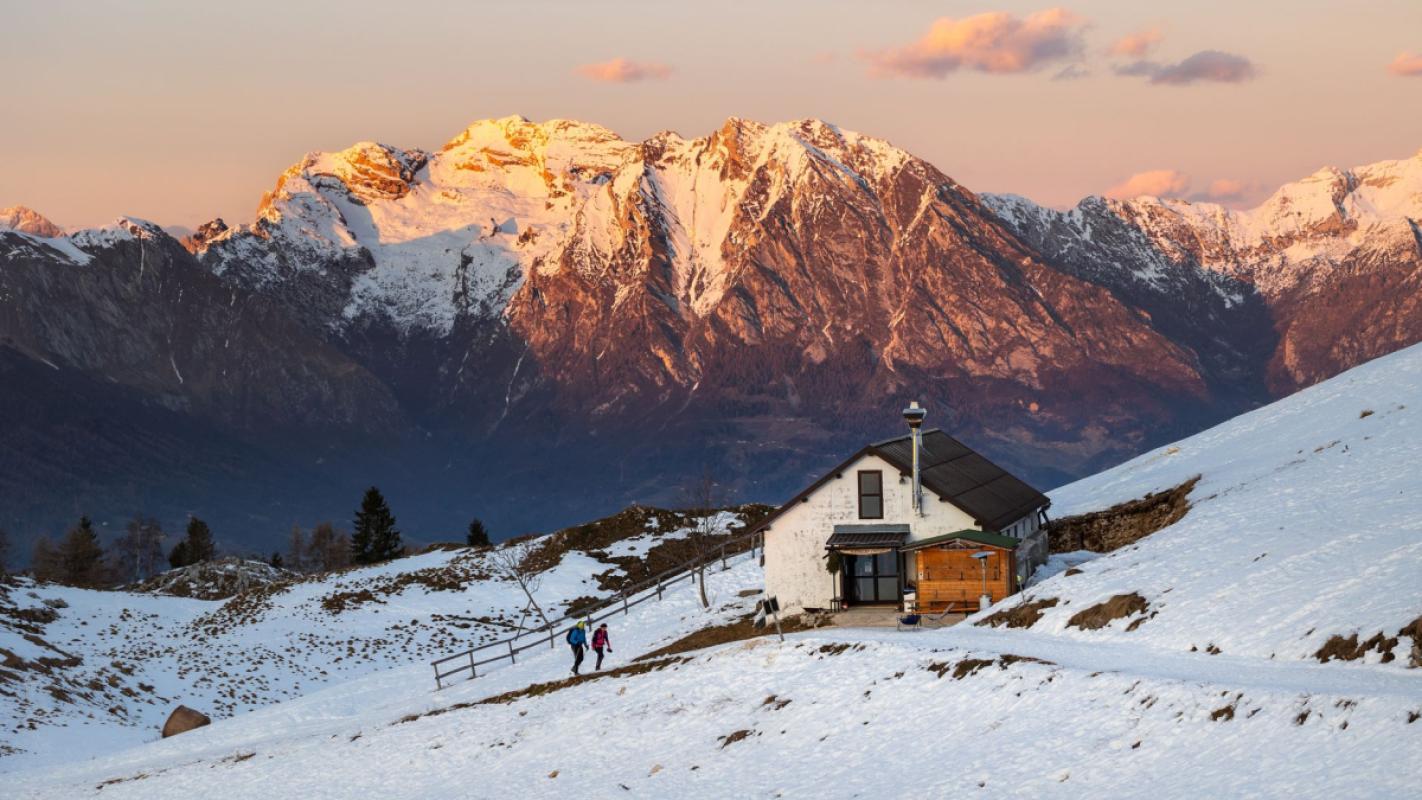
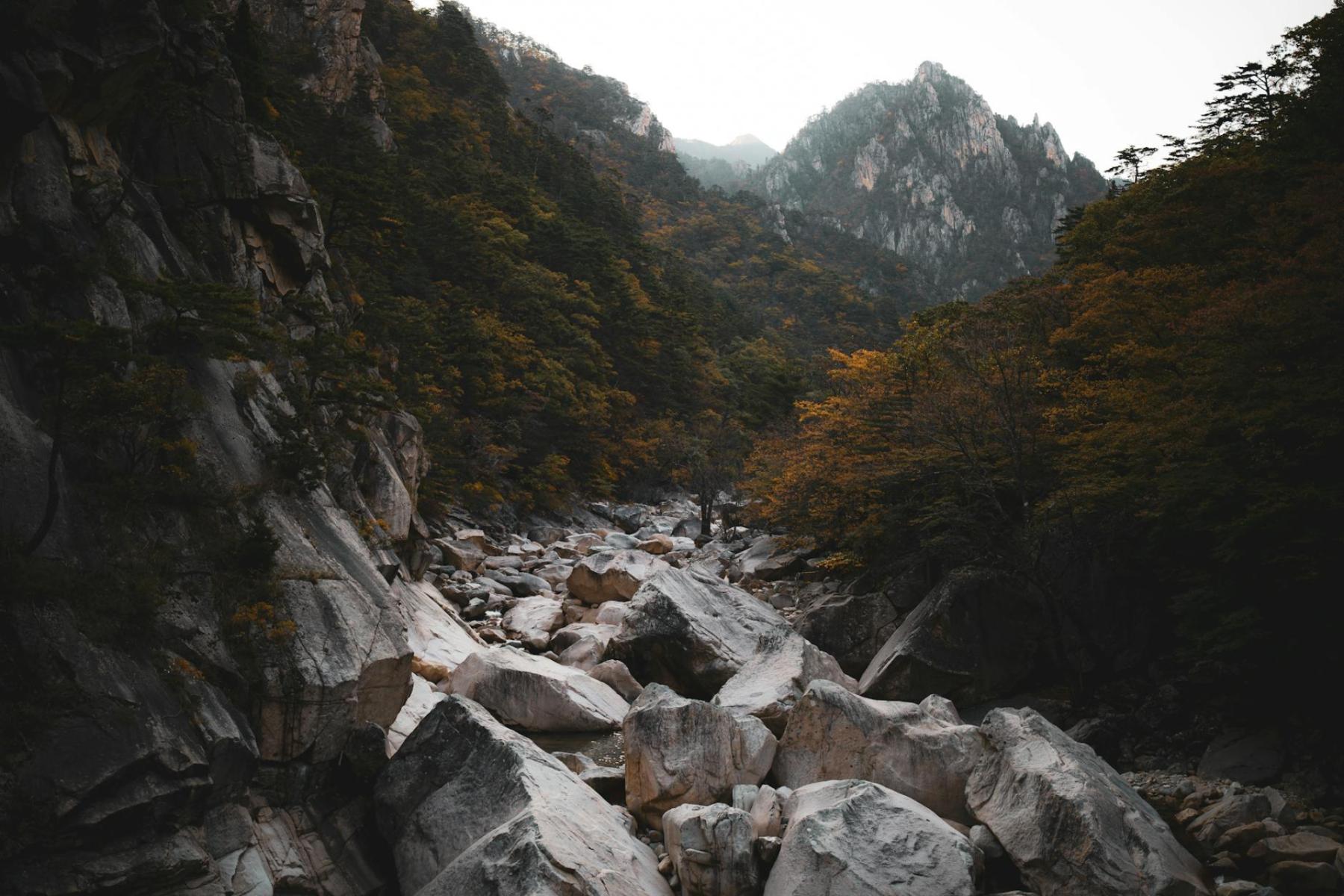
- The high ridges of the Jizera Mountains. Southward toward the crest the bedrock toggles from metamorphic to granite and back again along the range; in the southern sector granite dominates, while to the north gneisses and mica schists return. Even a modest ridge walk lets you read this change in the texture of outcrops and tors, in the sandy grit underfoot, and in the shape of blockfields that mantle many summits[6].
Back in town, the Park Zdrojowy paths, the leaping calls of nuthatches, the spiky shadow of Norway spruce—none of it announces “pluton,” “metamorphic cover,” or “strike‑slip fault.” But once you’ve watched a drip form on schist, or traced a quartz vein with your fingertip, the map in your head sharpens. Water stops being just water and becomes a moving conversation with the mountain.
How geology writes the menu
The chemistry listed on a pump‑room plaque is not a random shopping list. Bicarbonate in the glass speaks to silicate weathering and CO₂; calcium and magnesium reflect the dissolution of feldspars and micas; a hint of fluoride can point to granite’s accessory fluorine‑bearing minerals. The fizz tells you the water touched a CO₂‑rich pocket or pathway; the presence of radon says it brushed past uranium‑hosting grains within the crystalline crust. In the Jizera Mountains this pairing—acidulous waters and radon in the same hydrogeologic system—isn’t a paradox; it’s a regional specialty that flows naturally from the Karkonosze granite core, the Izera metamorphic rim, and the shared plumbing of faults and fractures[1][2][3].
None of this is a health claim. It is, however, a satisfying answer to the “why” behind the taste. When you drink at the Spa House, you participate, briefly, in a very long cycle.
From cloud to cup (conceptual):
Clouds → snow/rain → soil → joints in granite/gneiss → fault “elevator” (CO₂, radon join) → spring → pump room → cup.
On your next ramble, pair a tasting flight with a short field lesson. Begin with a glass in hand under the larch ceiling of the promenade. Then drive out to Krobica and step into the adit’s cool half‑light to see the same rock fabric the waters traverse. Finish high on a ridge, boots on rough granite or banded gneiss, and look north toward the spa roofs. The view is lovely. The geology is even better.
Practical notes: For legally dispensed waters, use the Mineral Water Pump Room inside the Spa House (Dom Zdrojowy) in Świeradów‑Zdrój. Underground visits to the St. John the Baptist Adit in Krobica operate on a guided‑route basis; check current access schedules locally. Field exploration should be low‑impact—stay on marked trails and respect safety closures.