The Town of Three Languages: The Multicultural Life of the Bad Flinsberg Spa
In Świeradów‑Zdrój languages flow like mineral waters: Polish, German and Czech mix in place names, signs and spa rituals. This is a guide to the sounds of the borderland — from the Hala Spacerowa to the horizon of Smrk and the hamlet of Jizerka.
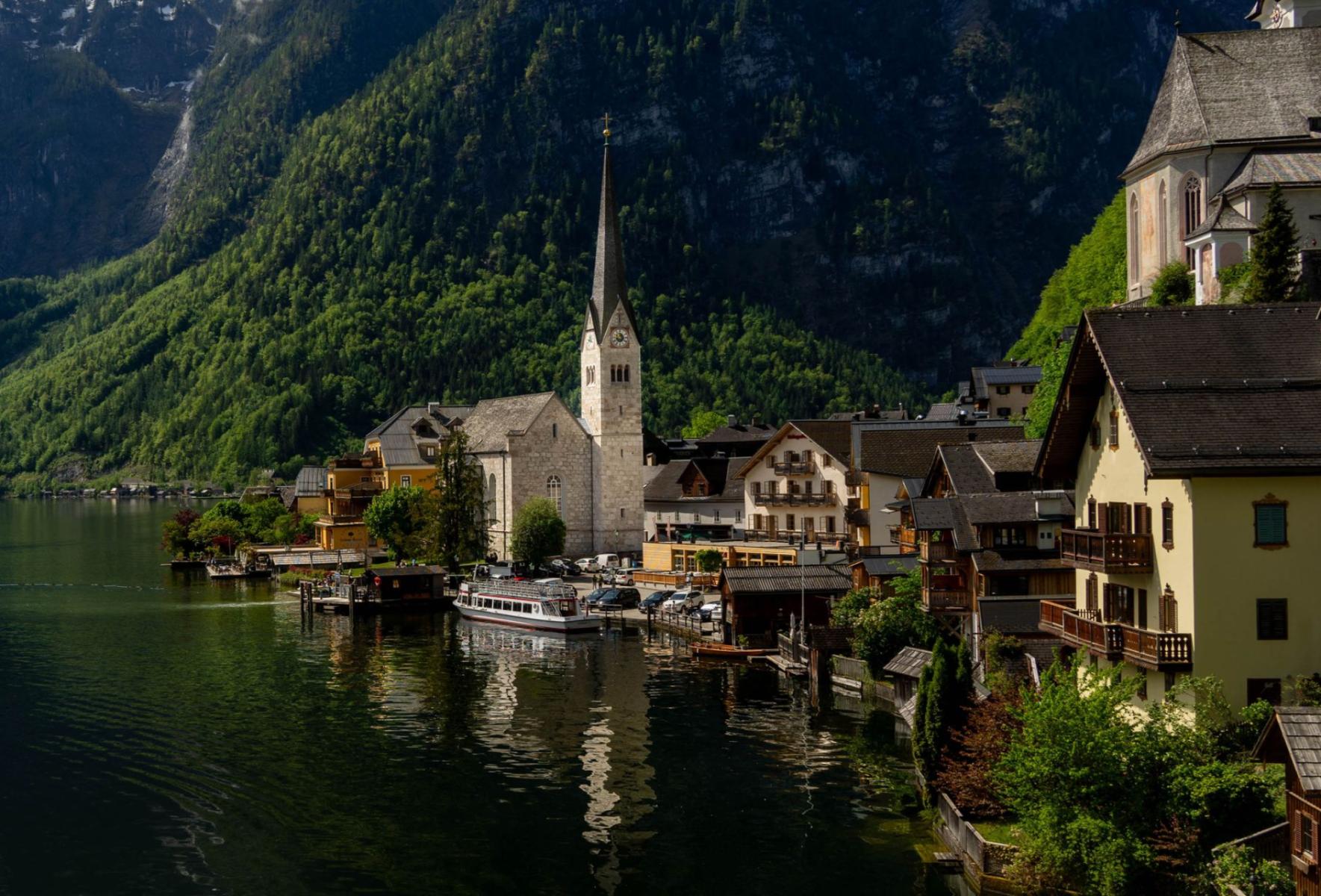
The first thing you hear here is wood. Footsteps tap quietly on the larch flooring, and conversations — the soft „dzień dobry”, the brief „Guten Tag”, the quick „Dobrý den” — bounce off the stained glass like light off beech leaves after rain. The spa rises in a morning swell as the ritual in the Hala Spacerowa begins: a cup of water, a sip of time, a short walk among details that speak in many languages at once[1]. ([swieradowzdroj.pl])
Geography of sound: a town at the meeting point
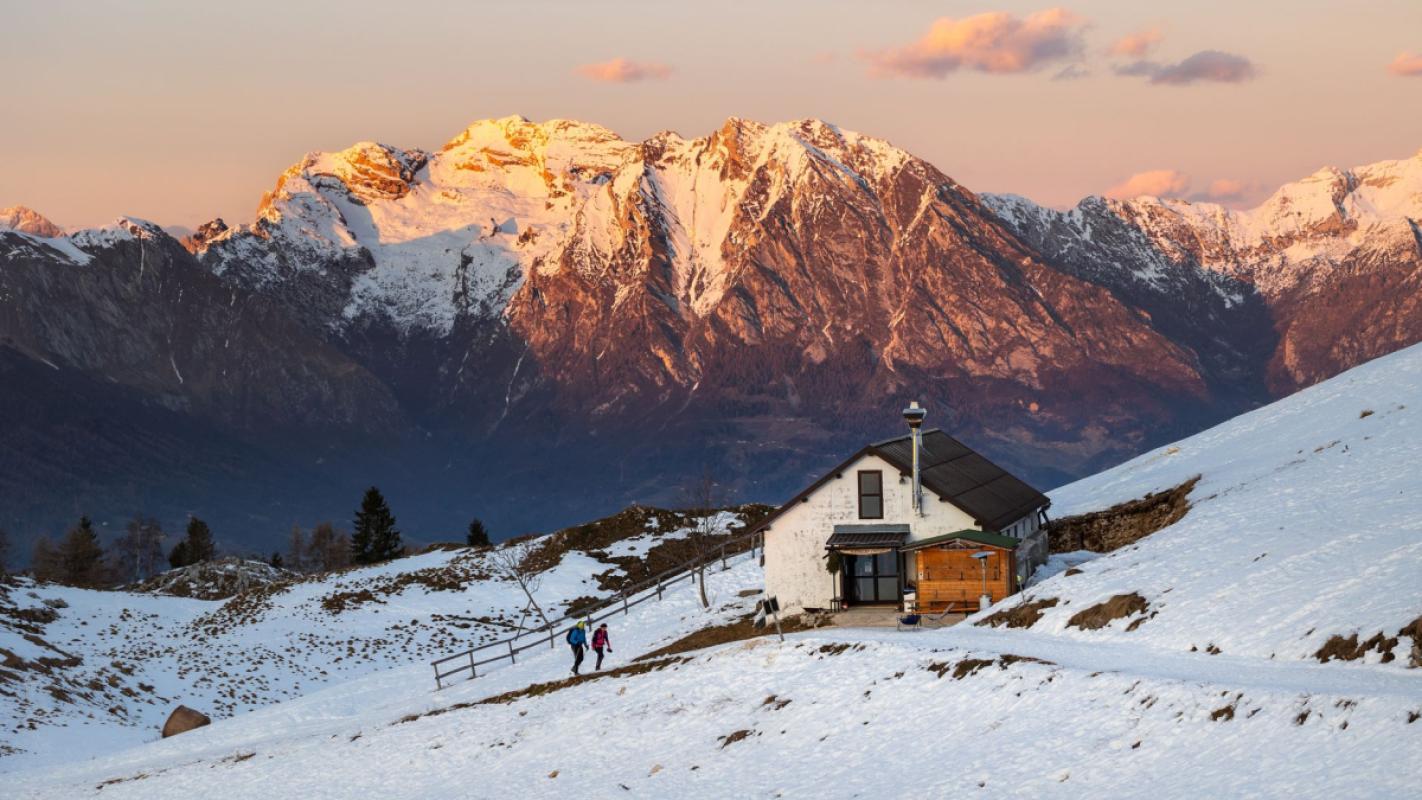
Świeradów‑Zdrój lies in the valley of the Kwisa, in the Izera Mountains, just by the Czech border. On a clear day the silhouette of Smrk draws on the southern horizon, and the names of streams and ridges remind you that this range has long both divided and joined two countries — Polish “Izery” and Czech “Jizerské hory” are here one landscape[3]. ([en.wikipedia.org])
Smrk, the highest peak of the Czech part of the Izera Mountains (1 124 m), stands nearby like a kindly guardian. From its tower you look out over a panorama that explains why accents have shifted in Świeradów: in some ears houses say “Kurhaus” and “Wandelhalle”, in others “Dom Zdrojowy” and “Hala Spacerowa”, and from the south comes “lázeňská kolonáda” — a word that rolls like a drop across coloured glass[4]. ([en.wikipedia.org])
Salons, signs, rituals: how the spa sounded
Bad Flinsberg/Świeradów‑Zdrój grew up in an environment that understood the resort as a shared code. “Bad” plugged it into the network of Sudeten spas written in the Gothic elegance of the 19th century; in Czech the same world was signalled by the “lázeňská” tradition with its colonnades and drinking halls. Today that code still operates: in city materials “Dom Zdrojowy” sits alongside “Kurhaus” and “The Traditional Remedy Centre” — a trilingual signature of one space, ready to be read by different sensibilities. Turn a leaflet over, check the town map, pause at the noticeboard with the concert programme in the Hala Spacerowa. ([swieradowzdroj.pl])
Everyday multilingualism is gentle: you hear it in the queue at the drinking hall when Czech hikers consult a route and German visitors compare the taste of the water; you see it on posters for dances and concerts, because spa life also means evenings with music — from salon romances to operetta and old‑school dancing[—]. ([polska.travel])
Dom Zdrojowy and the Hala Spacerowa: architecture that speaks
The resort’s principal salon is the Dom Zdrojowy — a place where sound, light and language intertwine in the ritual of a walk. Inside waits the longest Hala Spacerowa in Lower Silesia, an 80‑metre wooden promenade, wrapped in botanical polychrome and stained glass. Above the stage — the coat of arms of the Schaffgotsch family, a discreet signature of former owners who encoded their presence in the region not only in deeds but also in ornamentation[1]. ([swieradowzdroj.pl])
Outside the terraces stretch for over 160 metres, and at their feet hides a small “Sztuczna Grota” — an architectural fantasy of stalactites and flowstone where the echo of the drinking hall once sounded. This complex is a manual for reading: you look at the larch details, read the stained‑glass motifs, recognise the coat of arms and already know that the spa’s architecture is a language, not merely a form[2]. ([uzdrowisko-swieradow.pl])
One step further, on Zdrojowa Street, three mineral springs attract visitors as surely as the old colonnades once did. These local sources have their own small grammar of symbols: figures of a lady and a gentleman from the 19th century and — unusually — the figure of the pagan Flins on decorative plinths. The municipal installation links technical art (an automatic reduction system, without pumps) with the region’s mythology — again: meanings multiply between languages and eras. ([swieradowzdroj.pl])
Bridges across the mountains: Smrk and Jizerka
Looking south from the town, the eye naturally runs to Smrk — a reference point for the entire Czech side of the range. The elevation 1 124 metres is only a number; more important is that this peak orders the map of feelings: on signs in mountain huts you will see its name in Polish (“Smrek”), German (“Tafelfichte”) and Czech (“Smrk”). From the Polish side you can reach the ridge while staying in your country, and you will stop where languages and paths converge into a single panorama[4]. ([en.wikipedia.org])
Further on — and at the same time nearer, if you measure a journey by meanings — lies Jizerka: a Czech settlement high in the hills, “Klein Iser” on old maps. Once there was a glassworks here (opened in 1829), today it is a tranquil base for hikes and winter trails. Jizerka teaches humility before details: stone foundations, the black, slim walls of houses, streams with a sapphire name. Its history and form read like a footnote to Świeradów — explaining how the mountain transborder ecosystem of people, languages and customs works[5]. ([en.wikipedia.org])
How to read the traces of three languages
1) Names that lead
- Hala Spacerowa/Wandelhalle/Lázeňský dům (Vycházková hala). These words are used side by side in municipal materials and official pages, all pointing to the same place. Look for them on maps, in attraction descriptions and at events. ([swieradowzdroj.pl])
- Bad Flinsberg, Świeradów‑Zdrój and the Czech “lázně” — three orders of the same identity. “Bad” signals the family of Sudeten spas, “Zdrój” is the Polish code of water, and “lázně” rings like the echo of the neighbour across the border.
- Czerniawa‑Zdrój/Bad Schwarzbach. The historical name echoes in German materials and old inscriptions; today Czerniawa is part of the town, but its spa idiom still lives on in the Dom Zdrojowy and the drinking hall. ([de.wikipedia.org])
2) Where to look for inscriptions and symbols
- In the Hala Spacerowa watch for the Schaffgotsch coat of arms above the stage — a visual signature of former patrons, a heraldic element that weaves the architecture into the larger story of the family and the region[1]. ([swieradowzdroj.pl])
- By the terraces of the Dom Zdrojowy you will find the “Sztuczna Grota” — a detail from the language of spa fantasies, popular in Central Europe around the turn of the century[2]. ([uzdrowisko-swieradow.pl])
- On Zdrojowa Street pause by the three mineral outlets: the figures of the lady, the gentleman and Flins play a small cultural scene in which the spa ball, a pagan legend and modern engineering meet. ([swieradowzdroj.pl])
3) Short borderland routes (without crossing the border)
- Salon and terraces: Hala Spacerowa → terraces of the Dom Zdrojowy → “Sztuczna Grota” → Zdrojowa Street and the mineral outlets. A route for “reading” symbols — architecture, the coat of arms, figures and proper names that arrange themselves into a mini‑dictionary of the resort[1][2]. ([swieradowzdroj.pl])
- Spa path to Czerniawa: from the spa centre head to Czerniawa‑Zdrój. In that Dom Zdrojowy (the drinking hall, the atmosphere of a “small spa”) the language of the place sounds calmer, and the history of childhood cures sets accents in a different register. Stay on the Polish side, but listen for Czech conversations — this is the everyday life of that route. ([swieradowzdroj.pl])
- View of Smrk: from the town’s hills and paths toward Stóg Izerski the line of the Czech Smrk brightens — the highest peak in the Bohemian part of the range. Even if you don’t set out for the summit, simply recognising the name on the horizon is part of the borderland experience[4]. ([en.wikipedia.org])
The hall as a stage: the language of music and dance
In the spa towns of Central Europe, what “heals” has always had two circuits: the medical and the cultural. In Świeradów the cure also includes sounds: concerts of classical and early music, operetta, orchestra festivals, dance evenings. The Hala Spacerowa — with its wooden reverberation and soft light — often becomes a stage where Polish announcements meet German and Czech names of performers. The rhythm recorded in programmes carries the measure of waltz and march, only in a park version. ([polska.travel])
Practical mini‑dictionary of the spa (PL–DE–CZ)
This is not an encyclopedia but a useful “key to signs”: the equivalents are approximate and help you understand what you read and hear.
- Zdrój — Bad — Lázně
- Hala Spacerowa — Wandelhalle — Lázeňská kolonáda / Vycházková hala
- Pijalnia Wód — Trinkhalle — Pitná hala
- Dom Zdrojowy — Kurhaus — Lázeňský dům
- Źródło — Quelle — Pramen
- Tarasy zdrojowe — Kurterrassen — Lázeňské terasy
- Zabiegi — Anwendungen — Procedury
- Kuracja pitna — Trinkkur — Pitná kúra
- Kuracjusz — Kurgast — Lázeňský host
- Wędrówka/promenada — Promenade/Spaziergang — Promenáda/Procházka
With such a “legend for the map” you begin to hear the town more fully. The eye catches the coat of arms above the stage, the ear — the shadow of German and Czech words among Polish greetings, and the body remembers the warmth of wood underfoot. Świeradów — Bad Flinsberg — sounds like an accord of three languages. And what is most precious remains between the words: the slow rhythm of a spa day, in which geography is music and architecture is an alphabet.