The sour backbone of the borderland: żur, kyselo and sauerkraut in Izera cuisine
Between Świeradów‑Zdrój, Szklarska Poręba and Liberec there is a shared language of flavours: fermentation. This guide reveals the differences between Polish żur, Karkonosze kyselo and soups made with sauerkraut, and suggests how to read them on menus in Polish and Czech — from mountain huts on the trails to inns in town.
The first thing you smell after rain on the Izera ridge is resin and a sour flash in the air. The same note that returns in a bowl of hot soup: in Silesian żur, in Czech kyselo and in steaming zelňačka. Sourness binds the cuisine here like a backbone — simple, cool, honest.
The language of fermentation: what links Świeradów, Szklarska and Liberec
When we talk about Izera–Karkonosze cuisine, we are talking about a shared alphabet of flavours: sourdough and fermentation. On the Polish side, zakwas is usually rye flour, water and time. In Czech, „kysané” means “soured”, and „kvásek” — that something has been leavened by a good, breadlike microflora. This duet of techniques — cereal sourdough and cabbage fermentation — creates a single story here: about surviving the cold, eating from what was at hand, and a flavour that never gets boring.
In practice it comes down to three archetypes of soup. The first is żur — thick, milky‑grey from fermented rye flour sourdough, with a characteristic, vivid acidity.[1] The second is kyselo — a sour, mushroom soup from the Karkonosze whose tang comes from bread sourdough (Czech: „chlebový kvásek/kvas”).[1] The third is soups based on sauerkraut: in Czech zelňačka (sometimes „zelná polévka”), in Polish kapuśniak or kwaśnica — rich, smoky, with a sourness different from cereal sourdough because it comes from fermented cabbage.[2][4]
Żur — a pillar of the Silesian table
Żur (often listed as „żurek”) is the essence of Silesian everyday life: a soup on rye sourdough, thickened and seasoned so that the acidity is springy but not aggressive.[1] The simplest żur is meatless. In more filling versions you find white sausage, bacon, smoked ribs. A hard‑boiled egg — halved and releasing a golden yolk — mellows the acidity well and gives the kind of satisfaction sought in the mountains.[1]
In Silesia there is also the Silesian żur: a bowl of soup poured over mashed potatoes, which changes not only the texture but the perception of acidity — it becomes creamier, soothing, “homely”.[1] The region also has its famous “dinner set”: Silesian roulade, Silesian dumplings and “modra” (that is, red) cabbage. In this triad the sourness (cabbage) balances the richness (gravy, meat), and the dumplings hold everything in place. Such a composed plate is regarded as the Sunday canon for many Silesian families.[3]
What to order? On a Polish menu look for the words „żurek”/„żur”, „jajko”, „kiełbasa biała”. If you see „kluski śląskie” on the menu, it’s easy to understand the restaurant is operating with regional classics — and then „modra kapusta” (braised, lightly sweet‑sour) often naturally accompanies roulades and roasts.[3]
Kyselo — a Karkonosze classic
Kyselo is a soup that tastes like a morning after a night storm: dry, mushroomy, with a building, breadlike acidity. Its base differs technologically from żur. In kyselo the bread sourdough (Czech: „chlebový kvásek/kvas”) ferments, and the soup is made from that — not from flour blended in water as in żur.[1] That difference is clear in the taste: kyselo has less of a “mealy” thickness, more bread and mushrooms. In the region it is also called „krkonošské kyselo” — to avoid confusion with other sour soups.[1]
The backbone of the flavour here is dried forest mushrooms, caraway and onion sautéed in butter. Potatoes are added after cooking, sometimes roasted further to bring a crisp contrast. In many household and inn versions eggs make their way into kyselo — from scrambled eggs mixed into the soup to halves of hard‑boiled eggs. There are also egg‑free variants; the history of Karkonosze cooking knows humbler kyselo when eggs were scarce and sold at the market.[1]
If you look at a Czech menu, simply watch for the word „kyselo” (sometimes with the note „krkonošské”). It’s a regional item — known across the country but rooted in the mountains that link the Czech Republic and Poland.[1]
Sauerkraut and soups based on it
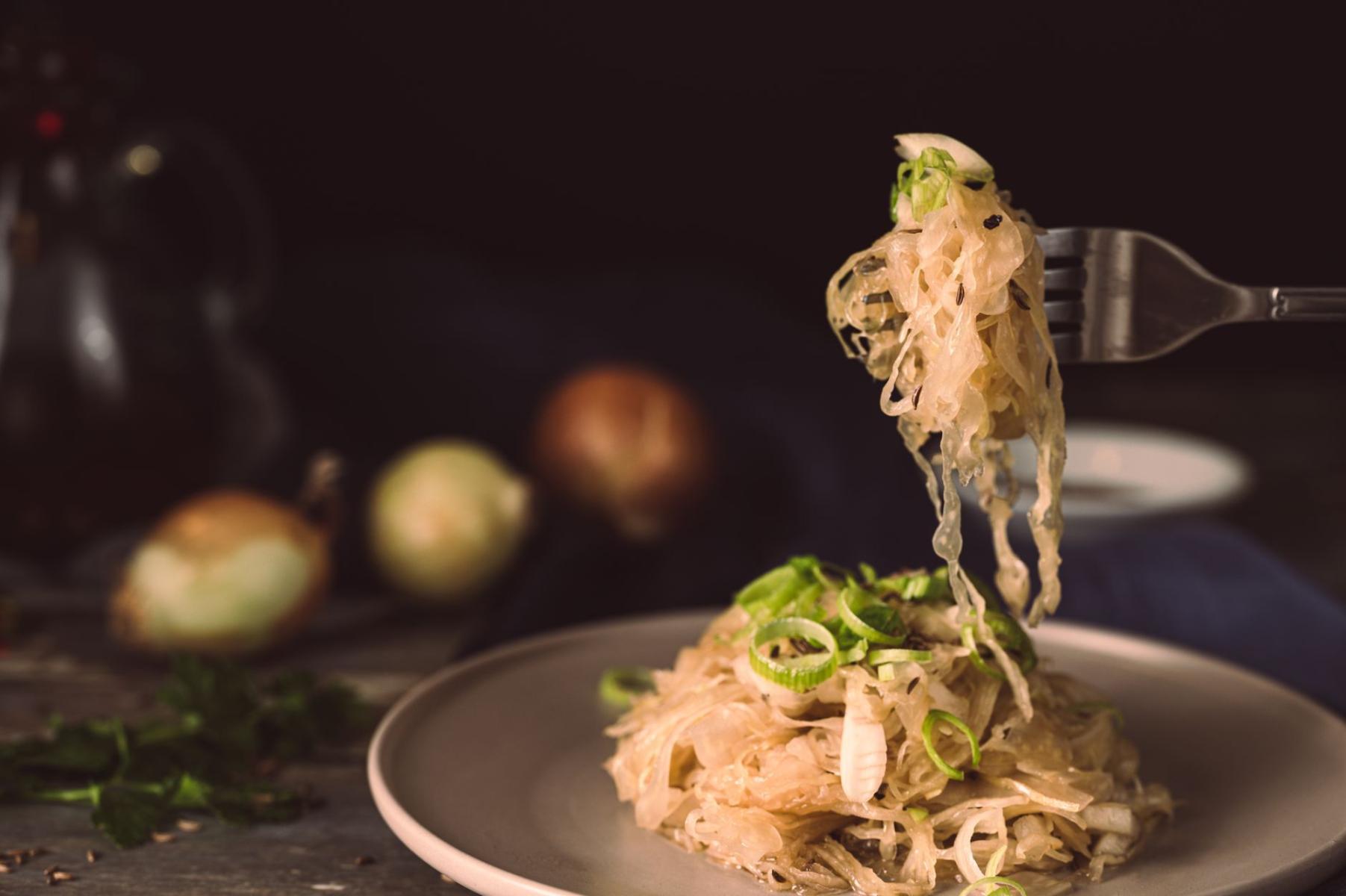
The third leg of this sour tripod is sauerkraut — in Czech „kysané zelí”. It crosses borders: from a pub in Liberec to milk bars in Jelenia Góra. When it lands in a pot with stock and spices, a cabbage soup is born: in Czech zelňačka (sometimes „zelná polévka”), in Polish kapuśniak or, in mountain homes, kwaśnica.[4] In Czech cuisine zelňačka is considered a common dish — often with finely chopped sausage; it can also become a main dish after a hearty weekend walk.[2]
As an accompaniment, sauerkraut is indispensable. “Modra” — braised red cabbage, often with apple — is the iron partner to Silesian roulade and dumplings. A plate composed with such a clear balance of flavours and textures long ago left the region, but nowhere does it taste as convincing as in Silesia.[3]
How to read menus in Polish and Czech
Żur versus kyselo
- Żur/żurek — a soup on rye flour sourdough; characteristic, cereal acidity and thickness. Often served with egg and sausage.[1]
- Kyselo — a soup on bread sourdough (kvásek/kvas) with mushrooms and caraway. A different acidity (more “breadlike”), a different texture. Look for: „kyselo”, „krkonošské kyselo”.[1]
Cabbage soups
- In Polish: kapuśniak or kwaśnica — soup made with sauerkraut.
- In Czech: zelňačka or zelná polévka — cabbage soup; menu descriptions may include „s uzeným” (with smoked meat) or „s klobásou” (with sausage).[2][4]
Beware of similar names
- Kyselo ≠ kyselica. The latter is a Wallachian soup made with sauerkraut, usually with cream — a different category of sourness.[2]
- Kulajda — a Czech mushroom soup with cream soured with vinegar or milk; it is sometimes confused with kyselo, but it does not use bread sourdough.[1]
Key words on menus
- kysané — fermented/soured; kyselé — sour; polévka — soup; vejce — egg; uzené — smoked; špek — bacon; sádlo — lard.
- modrá zelí — red cabbage; in Poland: “modra/modro kapusta”. The set: rolada + kluski śląskie + modra kapusta is the most intuitive “bridge” between dinner tradition and a sour accent on the plate.[3]
Where to try them: high, on the trail and in towns
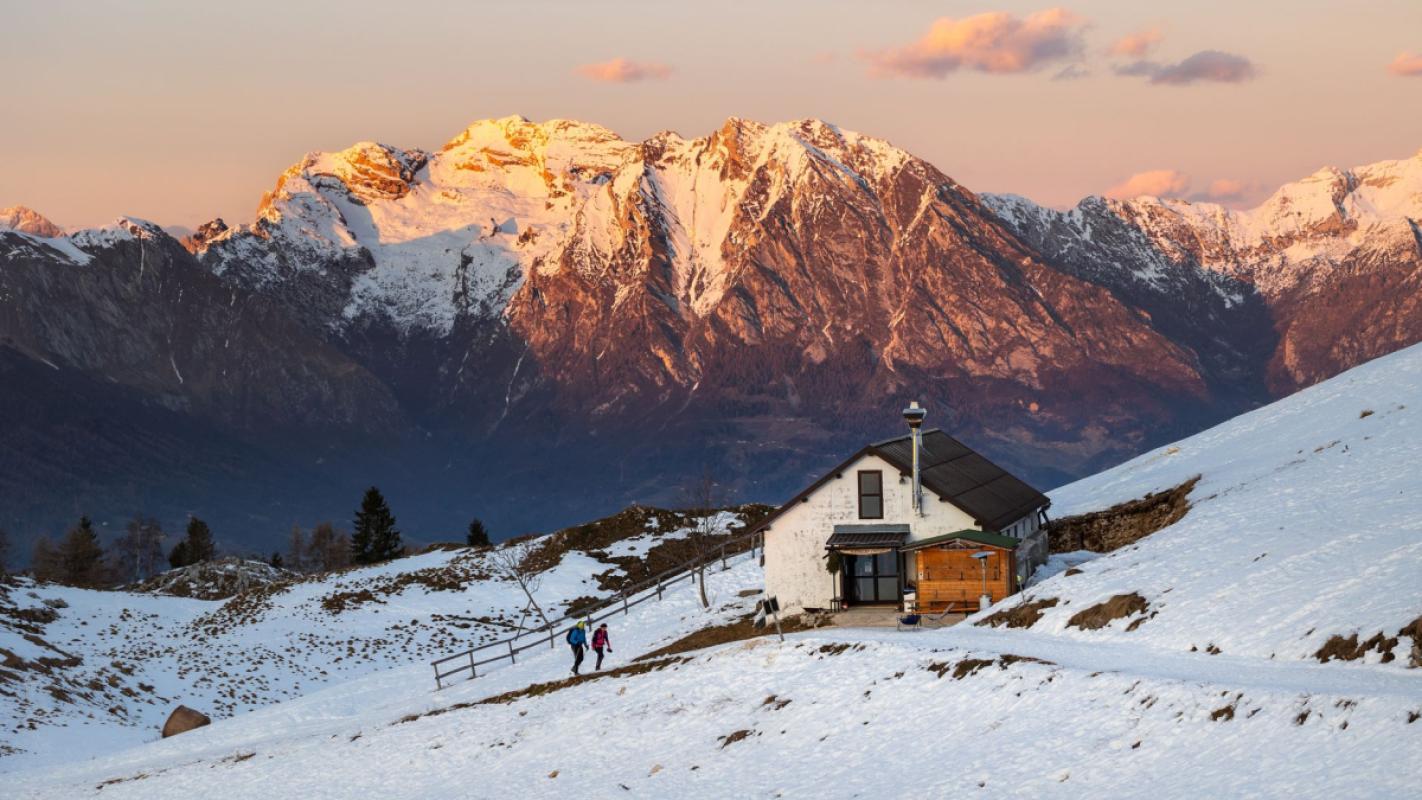
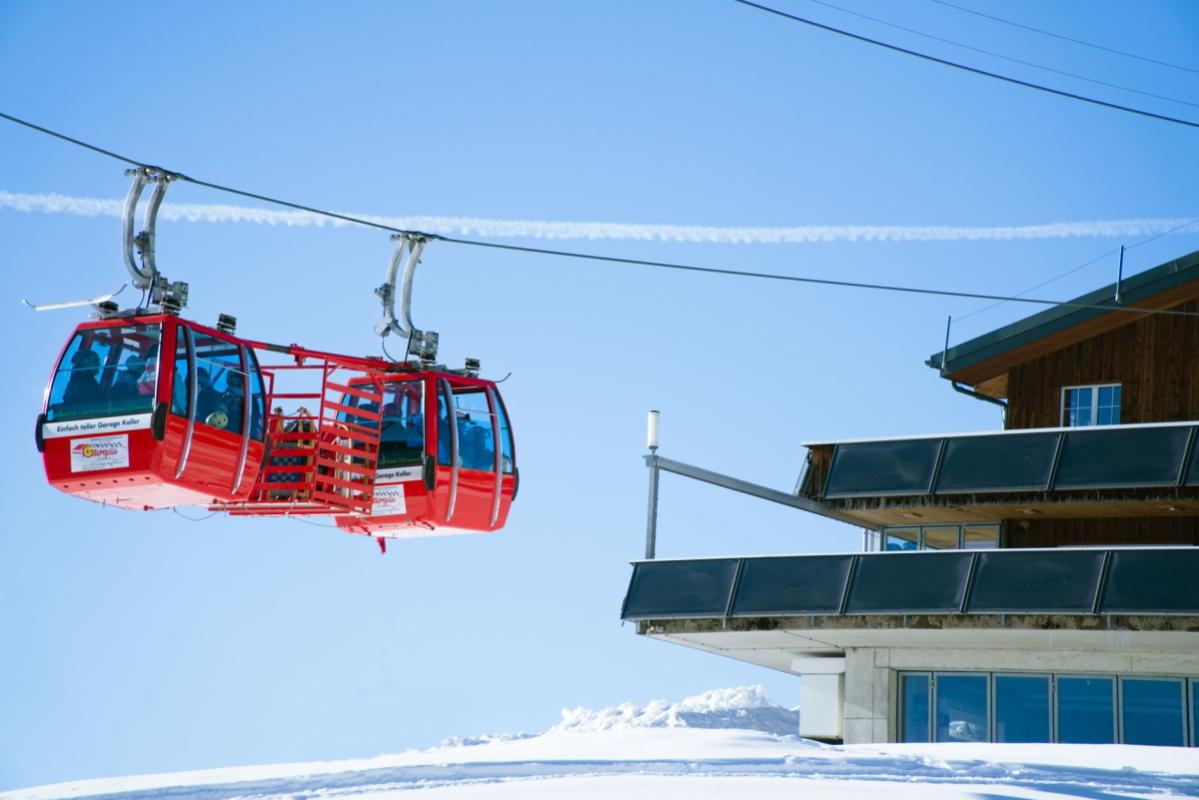
The easiest place to catch these flavours is where the cold and wind draw — in mountain huts and inns. On the ridge above Świeradów rest at the Schronisku PTTK na Stogu Izerskim: the movement of the gondola and the clink of cups echo in the wood, and the soup of the day is often a warming story. On Hala Izerska the Chatka Górzystów stands among the silence of bogs — a full bowl after a hike makes particular sense here. On the Czech side, in the valleys around Jizerka, look for the words “polévka dne”, “kyselo”, “zelňačka” — in mountain boudy and small hospody they often appear in colder months. In towns it’s easy to find Silesian cooking; in Świeradów‑Zdrój local karczmas (e.g. Stara Karczma) like to build menus around meat dishes with cabbage and dumplings. If you see “homemade sourdough”, “sauerkraut”, “caraway” in the description — you’re home.
Between a climb and dinner you can also visit places that tell the story of local nature and products: displays about bees and honeys or small markets with cheeses, sourdough bread and pickles. It’s a good context to understand that local buckwheat honey pairs beautifully with the sour‑salty notes of cabbage, and a rye bread with a hint of caraway understands kyselo almost without words.
Protected ferments: Nošovické kysané zelí (PDO)
In the world of sauerkraut there are also stars “with papers”. Czech Nošovické kysané zelí carries the PDO (ChNP) mark of the European Union — it is a registered and protected sauerkraut across the Community. The registration (under a Commission regulation of February 2008) means the product is inextricably linked to its place of origin and the method of production described in the specification.[5] For a traveller the practical conclusion is simple: if you see that name and mark on a menu or a label, you know the sourness has not only flavour but an address.
Mini‑dictionary of the borderland's sour flavours
- Żur/żurek — soup on rye flour sourdough; thick, with a slightly biting acidity; often with egg and white sausage.[1]
- Kyselo — soup on bread sourdough, with mushrooms and caraway; variants with or without egg; the name “krkonošské kyselo” emphasizes Karkonosze origin.[1]
- Zelňačka — Czech sauerkraut soup; on menus also „zelná polévka”.[2][4]
- Kapuśniak/kwaśnica — Polish soups based on sauerkraut; sour, sometimes with smoked meat.
- Kysané zelí — sauerkraut; in the Czech Republic an everyday product, but sometimes geographically protected (e.g. Nošovické, PDO).[5]
- Modra kapusta — braised red cabbage (often with apple); a classic accompaniment to roulades.[3]
- Kvásek/kvas — sourdough (in kyselo: bread sourdough), not to be confused with the beverage “kvass”.[1]
- Uzené — smoked meat; špek — bacon; polévka — soup; vejce — egg.
In the end a simple scene decides: knee‑deep snow or a July drizzle, warmed hands over steam and a spoon travelling to the mouth. Rye sour or bread kvas, or cabbage — that flavour builds unity across the border. You eat and you feel that the region’s language is truly the language of fermentation.