Tavern, Hospoda, Pastry Shop: How to Choose a Place for a Regional Meal in the Izera Mountains
A tavern after coming off the trail, a hospoda for Czech beer, a bistro for a quick lunch or a hotel restaurant for a leisurely dinner? This guide organises the food scene between Świeradów-Zdrój, Szklarska Poręba and Liberec by occasion, not by menu category.
Tavern or hospoda? In the Izera Mountains, choosing somewhere to eat depends above all on the situation: after coming off the trail, you need to replenish your energy quickly, while at dinner you are looking for time, service and a menu that can sustain a longer meal. The name of a venue suggests its character, but it does not solve the whole problem.
In Świeradów-Zdrój, the municipal dining directory separates restaurants, bars, cafés, pastry shops, ice-cream parlours, pizzerias, taverns and pubs[1]. In Szklarska Poręba, a similar guide lists taverns, inns, bistros, hotel venues, cafés and restaurants near the trails side by side[2]. This is a useful indication: there is no single model of “regional food” in the region. Instead, there are different formats, each suited to a different kind of day.
Choose the occasion first, and the venue afterwards
If you treat the borderland’s food scene as a decision map, the most important question is: what should happen at the table? It is not only about whether the menu includes a local dish. Speed, level of service, the possibility of walking in without a reservation, space for children and a real choice for someone who does not eat meat all matter too.
- After coming off the trail: choose a mountain shelter, a trail-side bistro or a tavern with a simple, filling menu. Accessibility, speed and the possibility of entering in hiking clothes are the priorities.
- For a family lunch: a tavern or a large restaurant with a broad menu will be a safer choice than a small venue with just a few tables. Ask about a high chair, children’s portions and waiting times.
- For a quick lunch: look for a bistro, a venue at a station or a restaurant offering a dish of the day. A shorter menu often means a more efficient kitchen.
- For dessert: choose a pastry shop or café, rather than a restaurant that merely adds cake at the end of the menu.
- For a leisurely dinner: a hotel restaurant or a venue that deliberately builds its menu around seasonal and regional products will work well. A reservation may matter more than the name of the place itself.
- For Czech beer and a snack: head for a hospoda, beer hall or pub. Here, food may be an accompaniment to socialising, rather than the other way around.
It is also worth distinguishing a claim from something concrete. “Izera cuisine”, “regional” or “mountain” may refer either to a traditional recipe or to a contemporary menu with a single local accent. Before going in, check three things: whether the menu states where its products come from, whether regional dishes are a permanent part of the menu, and whether the venue provides up-to-date information about its opening hours.
Tavern and hospoda: two similar words, different expectations
Tavern — a meal designed to fill you up
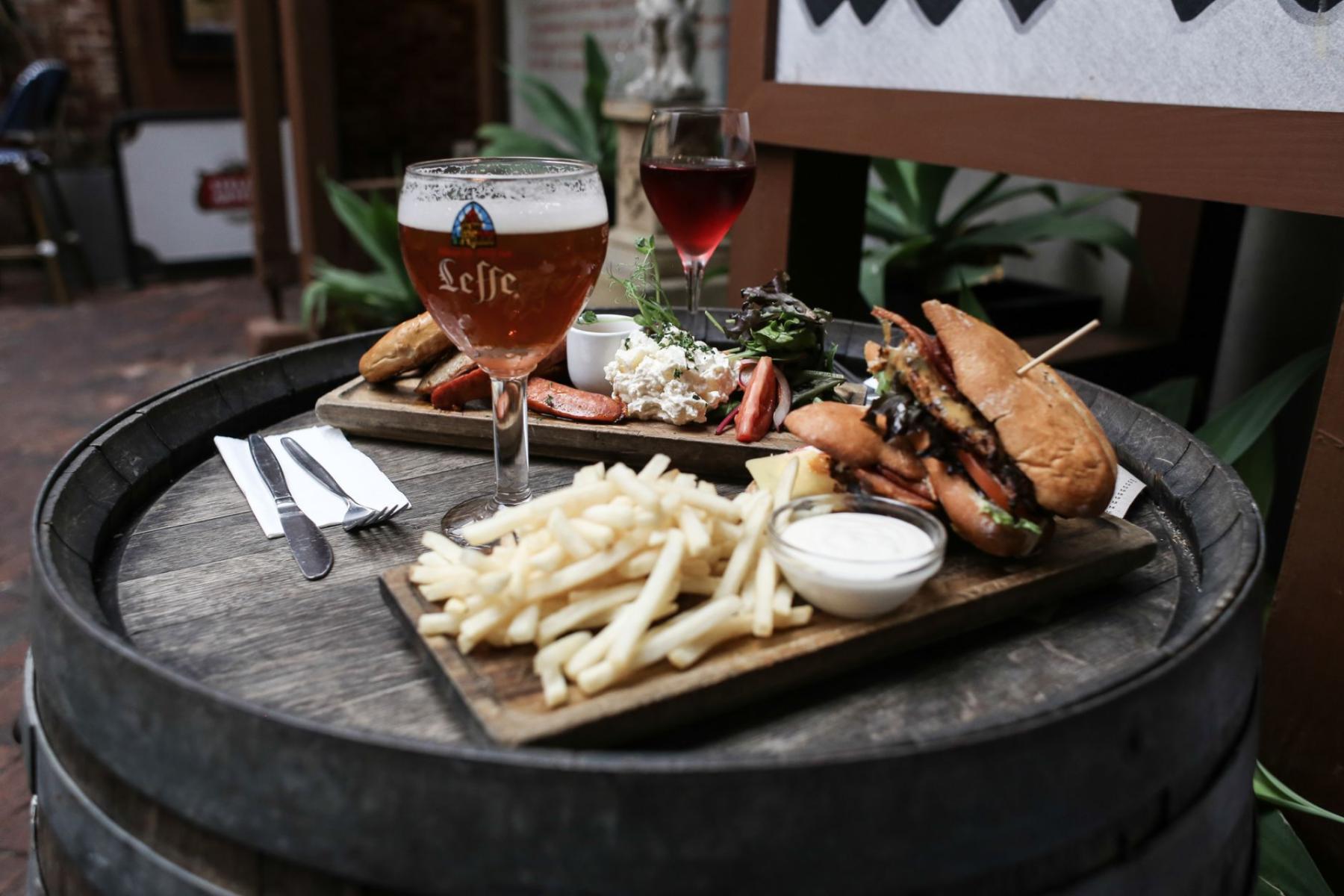
A tavern is most often chosen by people who want a substantial meal without excessive formality. A wooden interior, larger portions, Polish cuisine, dishes inspired by mountain cooking, soups, meats, potato pancakes and pierogi make this a format that is easy for the whole family to understand. That does not mean, however, that every tavern has the same menu. One may focus on classics, another on fish, and a third on dishes served in a more contemporary form.
Service and pace: table service is usually provided, and a meal takes longer than in a bistro. After an intensive hike, it is worth asking about waiting times, especially when the venue is full.
Children: a tavern generally works well for family lunches, because a broad menu makes it possible to order both an adult dish and a simpler portion for a child. Do not automatically assume, however, that high chairs or a separate children’s menu are available.
Meat-free options: do not look only for a single item marked as vegetarian. A better sign is several meat-free dishes: a soup, main course, side dish or the possibility of modifications. If the menu consists almost entirely of meat, ask before taking a table.
Reservations and spontaneous stops: during the week, you can often walk in without planning, but at weekends, during school holidays and after major events, a reservation saves time. A tavern is a good compromise between a spontaneous stop and a full meal.
Hospoda — beer, conversation and a simpler format
A hospoda is not simply the Czech version of a tavern. In Czech culture, it is above all a place for meeting, conversation and beer; food may be important, but it does not always define the venue’s entire identity[6]. That is why, on the Czech side of the border, it is worth reading the name functionally. A hospoda is a good choice when you want to sit down without ceremony, order a drink from a local brewery and choose a hot or cold snack to go with it.
Service and pace: the atmosphere is usually less formal than in a restaurant. Waiting times may be short, but when it is busy, flexibility matters. This is a format for people who do not mind simpler service.
Menu: expect Czech dishes, snacks to accompany beer, soups, fried or baked items and simple main courses. Do not assume that the menu will be extensive or that every venue will have a well-developed meat-free offering.
Children and reservations: an earlier time usually suits families better than a late evening. A reservation makes sense for a larger group, but for beer and a small snack, the hospoda remains one of the most spontaneous formats on the Czech side.
In Świeradów, a beer hall can serve a similar function. The official description of Piwiarnia Izerska lists more than 30 types of beer, primarily from local Polish, Czech and other breweries, as well as cider, wine, coffee and tea[3]. This is an example of a place where deciding “let’s go for a beer” does not have to mean giving up on food, but nor should it be treated as a plan for a full dinner.
Hotel restaurants and regional cuisine served in a contemporary style
Hotel restaurant — predictability has its value
A hotel restaurant is the right choice when a group has different needs: one person wants a regional dish, another a light dinner, and a third dessert or a glass of wine. The menu is often more structured, the service more formal, and the dining room prepared for longer gatherings as well. In Świeradów-Zdrój, municipal materials list restaurants operating at hotels and spa properties, including Hotel Buczyński Medical & SPA[1].
Pace: this is generally not the place for a meal between catching a bus and setting off on a trail. Even if the kitchen operates efficiently, a hotel restaurant is designed more for a leisurely lunch or dinner.
Children: families gain more space and calmer conditions than in a small bistro, but it is worth checking whether the venue accepts outside guests and whether a children’s menu is available outside the season.
Meat-free options: in a larger restaurant, you are more likely to find vegetarian dishes, fish, salads and the possibility of modifications. This is still a matter of the current menu, not the hotel’s standard alone.
Reservations: for dinner — particularly on Friday and Saturday — call ahead. Also ask whether the restaurant serves guests who are not staying at the hotel. That one piece of information may determine whether the plan is feasible.
Regional, but contemporary
The most interesting format for readers who do not want another repeat of heavy cuisine is a venue that uses regional ingredients or recipes but serves them in a lighter, more precise form. Here, you will not always find a long menu. Instead, you may encounter several seasonal dishes, a changing insert, a local product used as an element of a dish, or classics translated into the language of modern restaurant cooking.
Service and pace: the waiter will usually spend more time explaining the menu, while the kitchen works more slowly than in a venue focused on turning tables quickly.
Children: small children may feel less at ease here, especially if the menu is short and does not allow for simple substitutions. Older children who enjoy trying new things will get more out of it.
Meat-free options: ask whether the dish is a fully fledged proposition or merely a side without a main ingredient. In a good venue, someone who does not eat meat should not be condemned to a salad.
Reservations: recommended. This is a format for a planned dinner, not an accidental stop after the trail has closed.
Mountain shelter and bistro: when speed beats setting
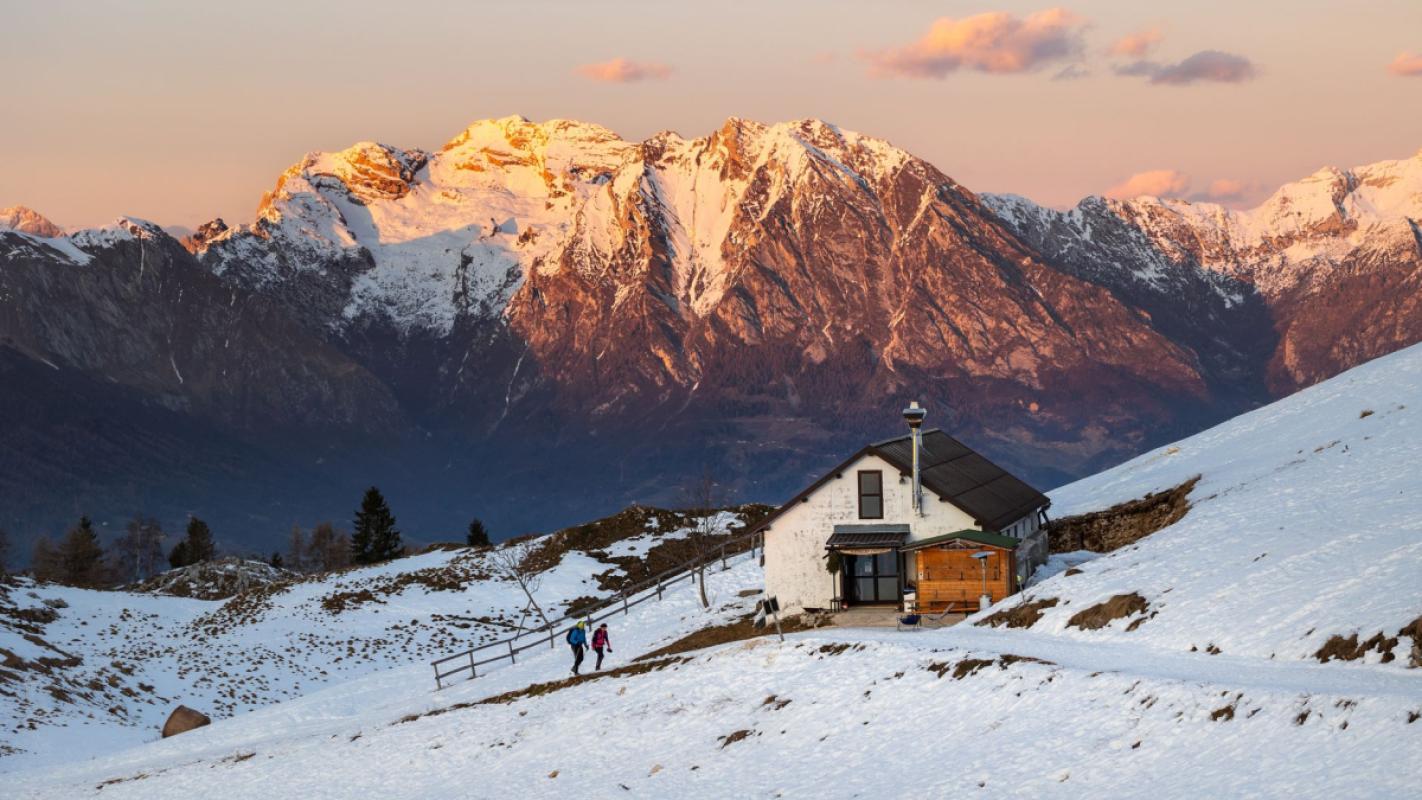
A mountain shelter does not compete with a restaurant in décor or menu breadth. Its advantage lies in its location and simplicity. After several hours of walking, what matters most may be being able to come in, warm up, eat something hot and continue without having to organise the entire evening.
Service: often simpler, sometimes partly self-service. Do not expect full restaurant service.
Menu: short, practical and able to withstand heavy traffic. Soups, one-pot dishes, crêpes, sandwiches, cakes, drinks and simple main courses are more typical than an extensive seasonal menu.
Children: a mountain shelter generally accommodates families well, but conditions are less predictable. If you have a pushchair, a small child or a large group, check access, seating and payment options.
Meat-free options: may be available, but the choice can be limited. The safest approach is to check the menu before setting out.
Reservations: are not usually central to how a mountain shelter operates, although a phone call can save the plan when travelling in a larger group. For a spontaneous stop after a hike, it is one of the best formats.
A bistro works similarly, but in town or near a main attraction. In Szklarska Poręba, the official directory lists, among others, Bistro na Widoku and Restauracja Jakuszycka and Bistro Cafe, described as places for lunch after active recreation[2]. This is precisely the situation in which a bistro has the advantage: you can eat more quickly than in a full-service restaurant, while enjoying more comfort than at a random food stand.
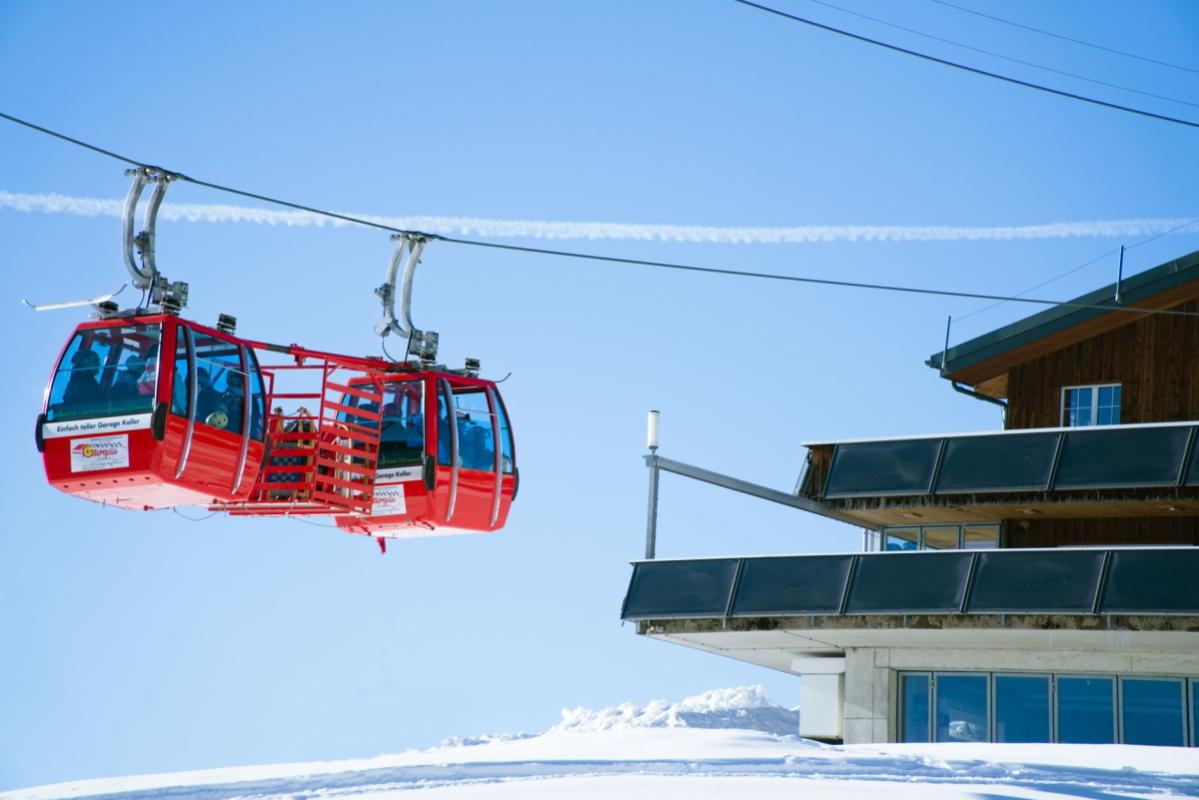
A venue near ski infrastructure can serve a similar function. Restauracja SKI&SUN is located at the lower station of the gondola lift in Świeradów-Zdrój and offers Polish cuisine as well as a counter selling delicatessen products[5]. Such a place is best treated as support for a day on the slopes or trail, not as an automatic choice for a long dinner.
Pastry shop and café: dessert is a separate plan
Pastry shops and cafés are often treated as an addition to lunch, yet in a spa town and mountain resort they can be destinations in their own right. This is a format for a break after a walk, an unhurried meeting, dessert for the children or coffee before the next part of the day.
Service and pace: usually quicker than in a restaurant, although a venue with table service may operate at a more leisurely pace. At the counter, you make your decision quickly; at a table, you can stay longer.
Menu: coffee, tea, cakes, ice cream, desserts and sometimes crêpes, sandwiches or light breakfasts. If you need a full lunch, do not assume that a café will provide it.
Children: this is one of the easiest formats for families, especially when the venue has space for a pushchair and short waiting times. It is still worth checking allergens and the ingredients of desserts, rather than asking only about the name of the cake.
Meat-free options: in a café, the issue is usually not meat but whether products free from dairy, gluten or sugar are available. Such requirements need to be verified directly.
Reservations and spontaneity: for coffee and dessert, you can most often walk in without planning. Exceptions include venues hosting events, social evenings or larger gatherings.
A good example of a place that goes beyond an ordinary café is Bohema in Hala Spacerowa. The official description indicates that the venue combines coffee, cakes and ice cream with the function of a music stage and cultural events[4]. In such a place, it is worth checking not only the menu but also the day’s programme — an event can change the character of the entire visit.
A simple rule for the end: do not ask where is “best”
A better question is: where will be best for this particular plan? A tavern wins after coming off the trail and during a family lunch. A hospoda or beer hall — when Czech beer, conversation and a snack are what matter. A bistro is sensible when the day has a tight schedule, a mountain shelter when food is meant to be part of the trail, and a hotel restaurant or modern regional venue when the meal itself becomes an event.
If you start with this decision, it is easier to avoid disappointment. You do not expect a tasting menu from a mountain shelter, a full lunch from a pastry shop or express service from a restaurant that builds its evening around several seasonal dishes. In the Izera Mountains, good food has neither one address nor one definition — it has the right format for the right moment.