Veranda Frames: A Photographic Guide to the Mountain Huts of the Izera and Karkonosze
How do you return from a mountain hut with more than a full stomach—also a great photo? A practical, ethical and timeless guide to views “straight from the veranda” — from Stóg Izerski and Wysoki Kamień to Hala Szrenicka, Szrenica and the Czech Jizerka.
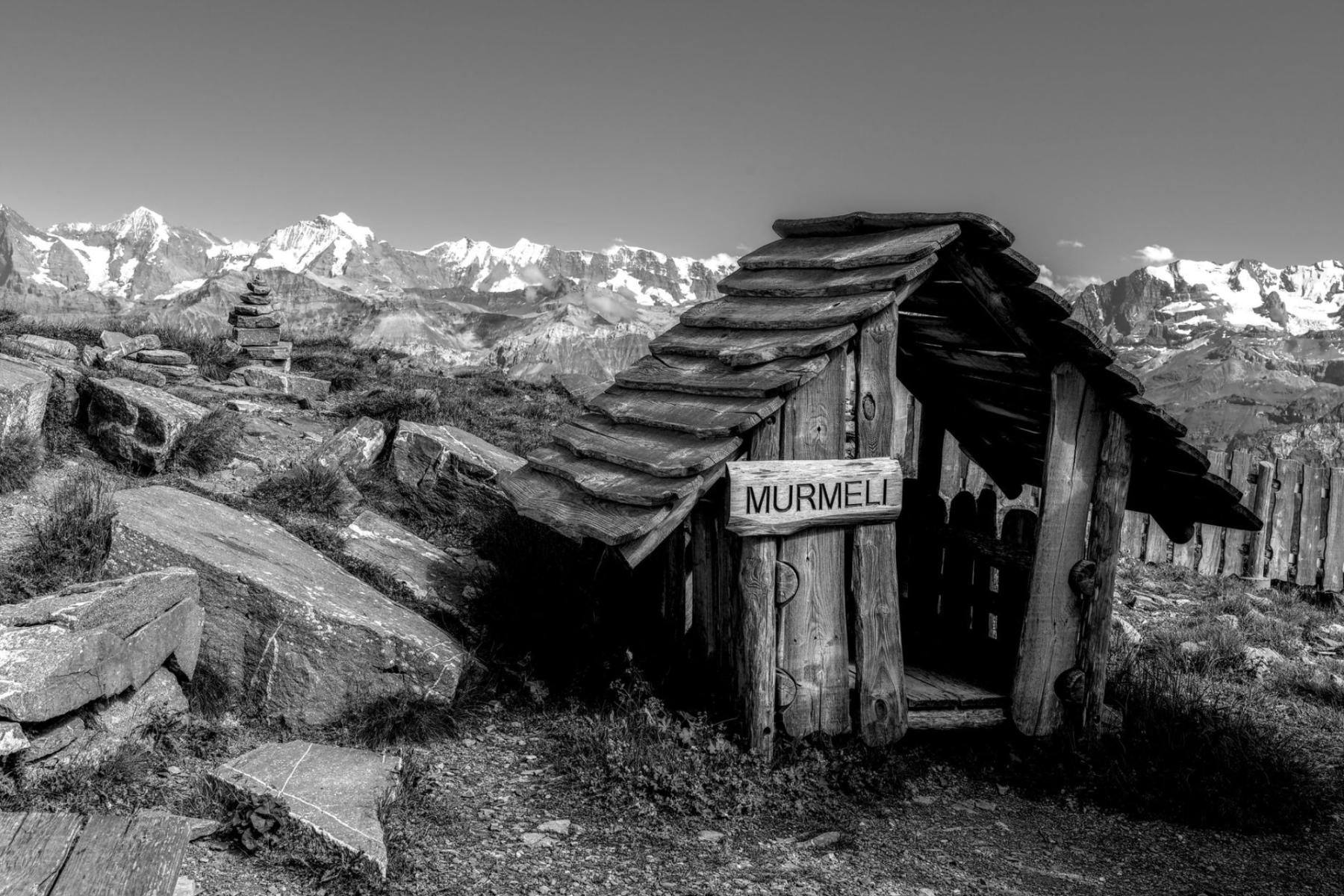
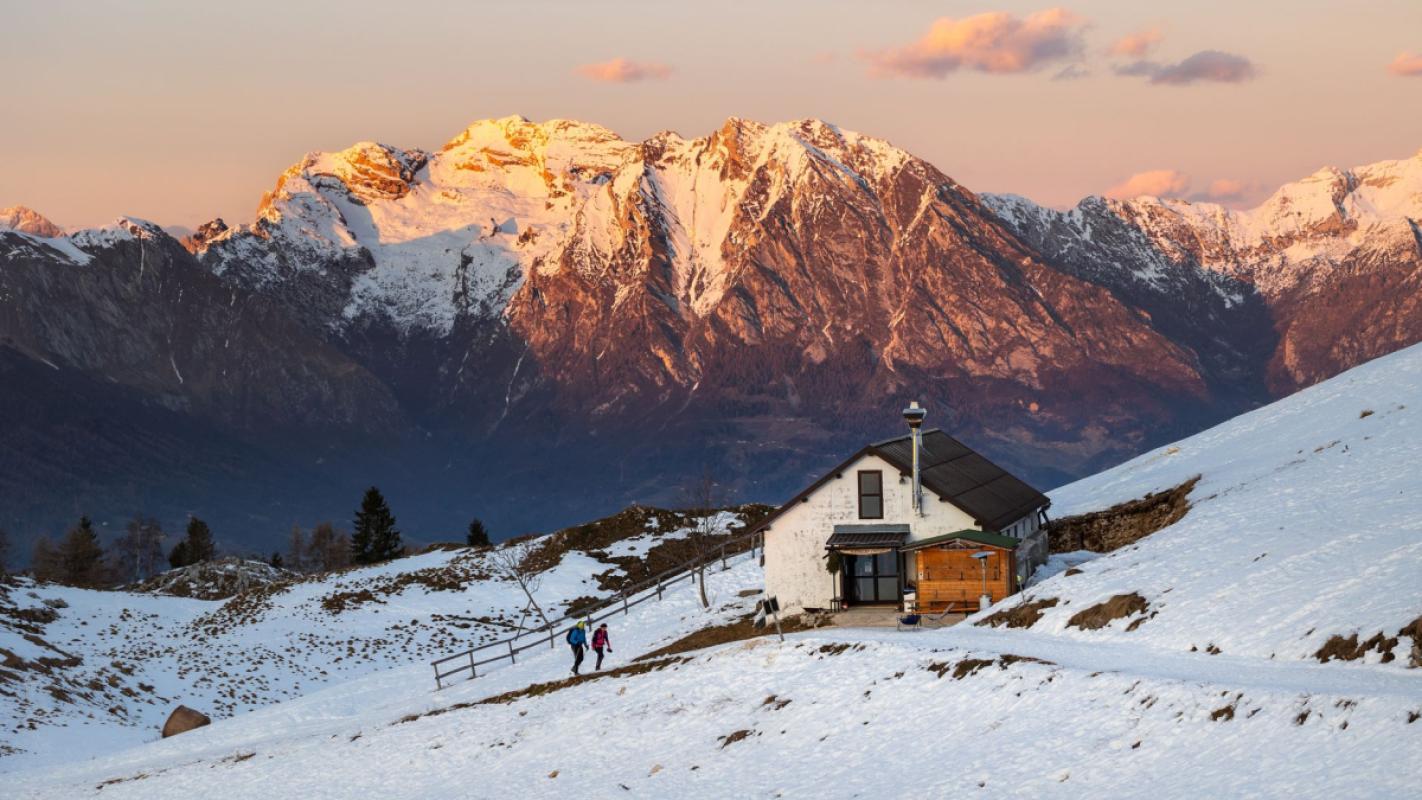
The first thing you smell at dawn on a high mountain veranda is resin and freshly brewed coffee. The air is crisp, and the valleys below you are still sleeping under a thin duvet of mist. One hand holds a mug, the other — a camera. In front of you are terraces, railings and windows that can become the best frame for a mountain shot. This guide is for those who like to photograph without straying far from the hut: quickly, safely, with respect for nature — and with an aesthetic sense that has long been associated in the Izera and Karkonosze with well-cut light.
Stóg Izerski: a wide frame on the spa town and the western Karkonosze
The PTTK hut on Stóg Izerski stands just below the summit. It’s a classic spot for a morning or afternoon “veranda” shoot: Świeradów‑Zdrój, the Kwisa valley, the Grzbiet Kamienicki and the western Karkonosze fall neatly into the frame[1]. The biggest advantage? You don’t have to go far — good shots are made literally from the doorstep, from the terrace and right by the railing.
If you’re after natural frames, try two approaches. First: use the veranda itself. Move so that the wooden handrail closes the bottom of the composition and the posts become vertical elements balancing the distant horizon. Second: look through a window — the glass softens contrast in harsh sun, and reflections can add depth. With a wide lens leave room for the sky to “breathe”; with a telephoto compress the town terraces and the gentle arcs of the hills.
Light. At sunrise the rays come from the side, carving layers on the Foothills. In the evening the sun hides behind the ridges, but before it sets it can warm the Karkonosze summits. In winter the low sun preserves the sculptural quality of grasses and spruces for longer; in summer the golden hour can be short — have your camera ready before you take the thermos out.
Field note: gusts of wind can arrive suddenly here. Capture the movement of grasses with a faster shutter, or deliberately blur them with a longer exposure, stabilizing the camera against the railing. And when inversion sets in, the mists in the Świeradów valley make a soft carpet that begs for a sharp, rocky foreground as a delicate counterpoint.
Wysoki Kamień: austere scenery, rock as foreground
On Wysoki Kamień you don’t need to look for the “wow” effect — it’s waiting for you. The panorama from this rocky summit includes the Karkonosze, the Jeleniogóra Basin, Rudawy Janowickie, the Kaczawskie Mountains and, of course, the Izery themselves[2]. Wide horizons favour simple, readable compositions: a stone slab or the edge of a boulder in the corner of the frame can turn an expansive panorama into a shot with an “anchor.”
Shooting “just below the hut” works extremely well here. A few steps are enough — the terrain opens immediately. With a wide lens keep a sense of scale by including silhouettes of people on the granite or lone spruces; with a telephoto crop the Karkonosze ridges into minimalist layers. After rain the rocks darken and gain a matte depth, and the air can be crystalline. In winter the light on this wind-exposed ridge is often sharp — look for shadows cast by blocks of rock; that’s the best natural contrast.
Where to stand? Right by the building and just below the summit rocks. There’s no need to search for a path further — caution and common sense are enough to get a variety of frames in minutes for every horizon direction. If the wind is carrying, move the camera to the lee side of the boulders; it’s natural shelter and also a ready-made foreground. After dark, if the weather holds, the sky clears — good for short Milky Way exposures, but only from safe, accessible spots.
Hala Szrenicka and Szrenica: the classic Karkonosze ridge
Hala Szrenicka is a broad, sub-summit opening on the ridge. Above it towers Szrenica — the peak that offers the classic, “postcard” view of the Jeleniogóra Basin, the Izery and parts of the Polish and Czech Karkonosze[3]. This set of planes works in every season: in summer with swathes of grass, in winter with the geometry of trails and wind-sculpted snow dunes.
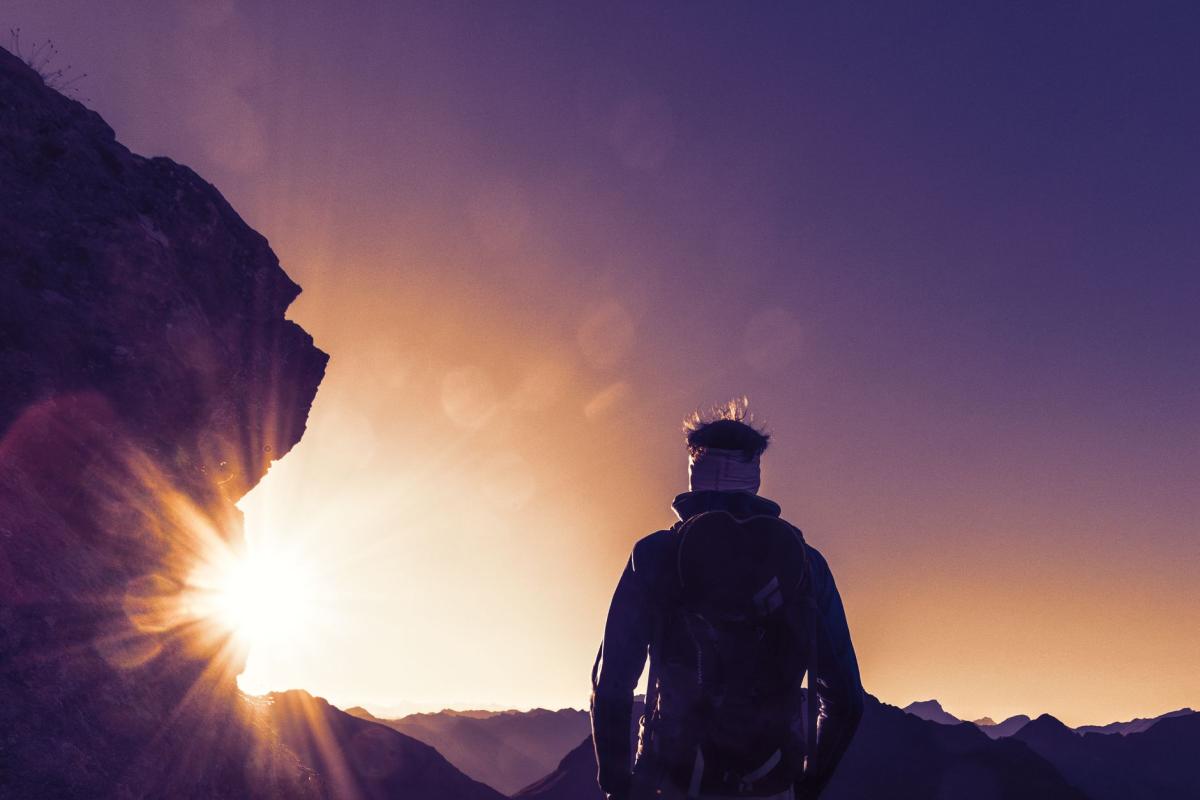
If you only have a few minutes, use the nearest safe viewpoints by the buildings. On Hala Szrenicka shots from the lower edge of the meadow work well — the low grass leads the eye to the ridge. On Szrenica, views “from behind the railing” at the building and rocky details in the foreground are effective. With a wide lens don’t be afraid to lower the camera to the level of the grass; the scale of the landscape is also emphasized by placing a hiker’s silhouette on the red ridge, a few steps from the hut’s door.
Light on the ridge favours diagonals: in the golden hour it sculpts the structure of the crests. In winter photograph shortly after sunrise — before the snow is bleached by the harsh sun. In autumn you often get long-distance clarity after a cool front; then telephoto lenses win with minimal lines and layers.
Jizerka: a postcard foreground with a wooden soul
On the Czech side, in Jizerka, picturesque wooden buildings sit on the gentle valley floor. From the village centre, along roads and paths, you can build frames with low porches and steep roofs, and above the horizon a dark cone of Bukovca will appear. Around the guesthouses Panský dům and Pyramida the scene composes into a classic “postcard” arrangement: a wooden house, a stream, and a grassy ridge behind it. Remember that valuable peatland areas lie near the village — in the Czech nature protection they are accessible only via marked paths[6]. That’s not a limitation but an asset: from the designated spots you gain natural, safe observation points.
How to compose? In the morning catch clouds above the wetlands, and place the house on a strong rule-of-thirds point — this will emphasize the rhythm of windows and gables. When the sun is higher, close the bottom of the frame with a footbridge, fence or the road’s edge; such “earthly” elements add order and lead the eye toward the gentle ridge lines. In the evening use a telephoto to compress the houses and Bukovec; the contrast between wood and soft grass here does half the work.
Light, weather, ethics: photographing beautifully and responsibly
Light directions and wide-angle practice
In the mountains light more often “draws” than simply illuminates. That’s why morning and late afternoon are your allies: side rays model relief, and shadows are longer and more subtle. A wide angle makes sense if you introduce something in the foreground — a handrail, the edge of a table on the terrace, a stone, a tussock of grass. Need scale? Add a person — ideally on a ridge, side-lit. When the horizon is rich, don’t be afraid to leave a lot of air in the frame; the sky can tell more than the land.
Where to stand “right by the hut”
- Stóg Izerski: the terrace and railings at the hut give immediate, stable support for a camera. The view of Świeradów‑Zdrój and the western Karkonosze is served up for you from here[1].
- Wysoki Kamień: by the building and just below the summit rocks you have a stony foreground and an unobstructed horizon — ideal for both wide and telephoto work[2].
- Hala Szrenicka and Szrenica: safe shots from the meadow’s edge and right by the buildings on the ridge. The most “classic” frames with the Karkonosze crest can be made literally in a few steps[3].
- Jizerka: build frames from road shoulders and marked paths, using houses as natural “anchors” and the gentle ridges as a backdrop[6].
Mists, wind, equipment safety
Valley mists (especially in autumn and in calm winter mornings) allow you to “suspend” huts above a soft layer of clouds — that’s a moment for telephoto and minimalism. Wind? Secure the tripod with weight or use railings and building corners instead of the centre column. In snow and dust a lens hood is useful — not only against flare but also as an umbrella for tiny ice particles.
Photographer's ethics: stick to the trails, dogs on leashes, drones only with permission
In Karkonosze National Park we move only on trails and in areas that are open to the public. Dogs must be kept on a leash; some sections are closed to dogs, but on most trails hiking with a leashed dog is allowed[5]. Drone? Over KPN a no-fly zone for BSPs applies that coincides with the park boundaries. Permission is issued by the KPN director and does not include recreational or sporting flights[4]. On the Polish side check current zones at dronemap.pansa.pl; on the Czech side the rules are set by the local protected area administration — always check regulations before a flight and remember that nature has priority.
This guide is about simplicity: about the terrace that becomes a frame, about the railing that organizes the plane, about light that doesn’t need long marches. The mountains take part in this arrangement by themselves: sometimes you only need to ask them for a moment — best when the coffee is still steaming and the sun is just opening the blinds over the ridge.