Between the meadow and the peat bog: a naturalist’s guide to the mountain huts of the Izera and Karkonosze
How do you read a landscape from the verandas and thresholds of mountain huts? This essay-guide takes you across Hala Izerska and Jizerka and along the ridges of Szrenica, explaining the difference between raised bogs and mountain meadows and suggesting where to safely observe these fragile ecosystems.
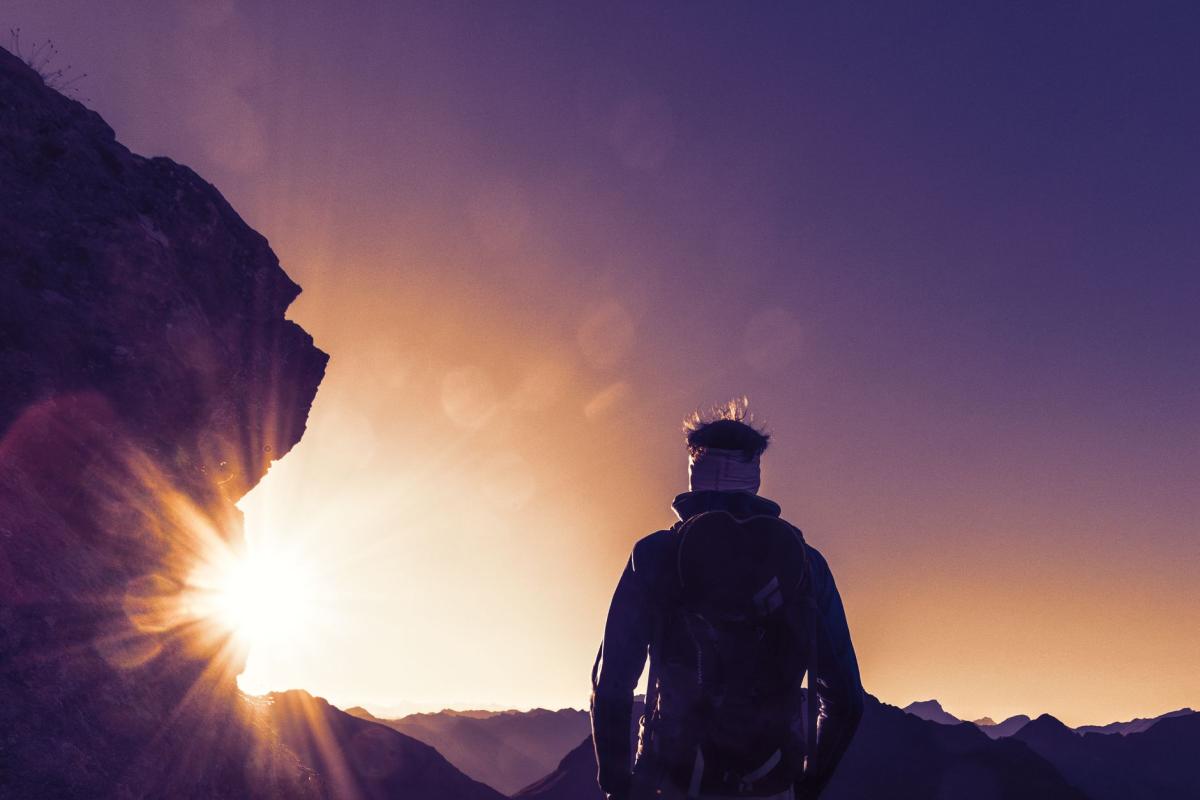
The first thing you notice when the wind dies down on the hut’s threshold is the scent of resin and wet wood. A chill drifts up from the valley, as if the ground beneath your feet were breathing like a sponge. Above Hala Izerska light spills wide, and the granite ridges around Szrenica filter it into sharp, silver streaks. These are mountains best learned from the simplest vantage points: a veranda, a dining room, a boardwalk above a wetland.
Hala Izerska: a cool basin and a lesson in peat bogs
Hala Izerska, also called Izerska Łąka, is a broad, flat basin at the meeting of ridges — a surprisingly cool place with a long winter shadow. Enclosed by gentle rises, it traps cold air at night — an inversion that shapes the local microclimate. In this wide bowl it is easy to understand why raised bogs are born of water and time: on outflow‑free, rain‑fed surfaces where every step yields and clumps of moss and grass knit into a rippled mosaic. The Hala itself and its most valuable wetland patches are protected by the Torfowiska Doliny Izery nature reserve and the Natura 2000 site Torfowiska Gór Izerskich.[1] ([de.wikipedia.org])
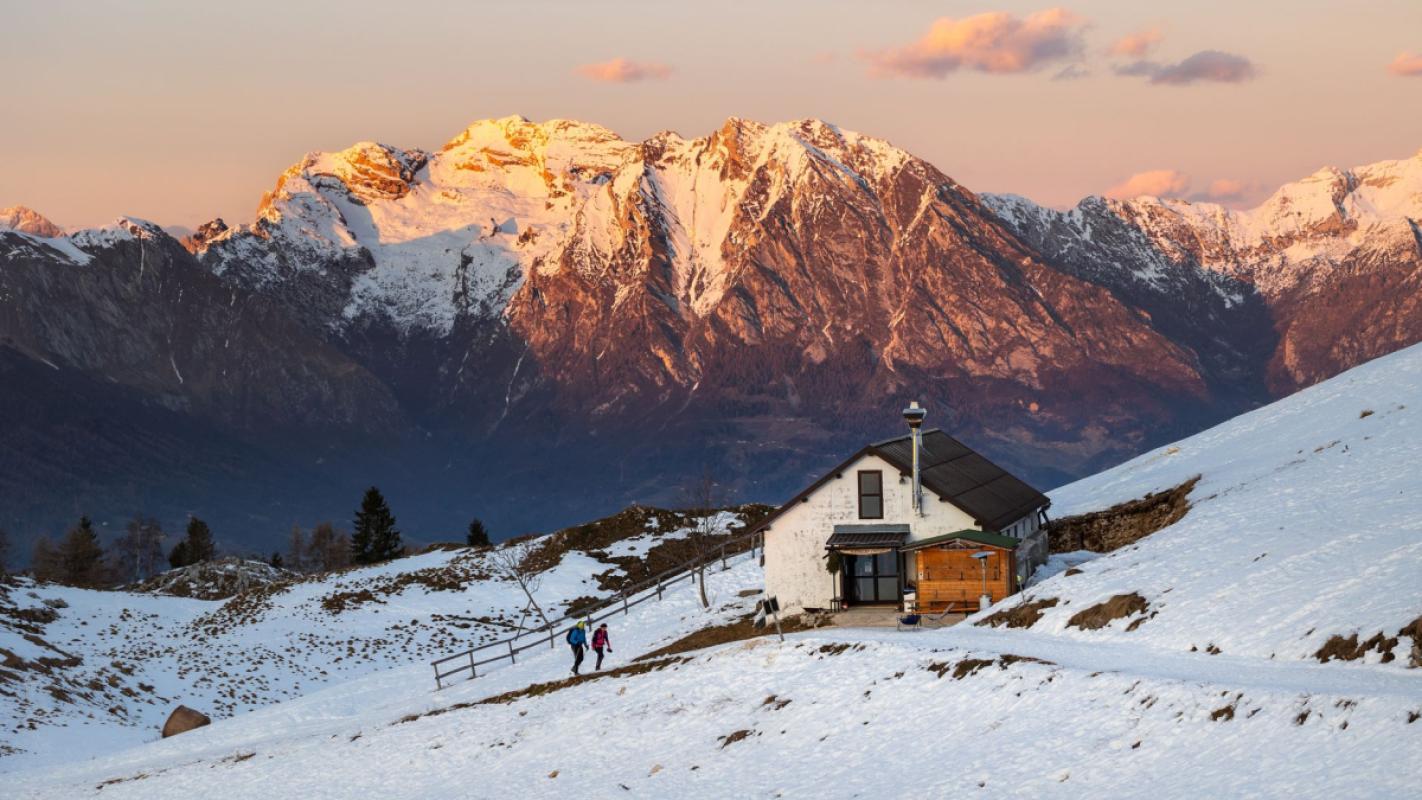
In the middle of this silence stands Chatka Górzystów — a simple, well‑liked base for hikers on the Hala. The building is modest, but it is from its threshold that the landscape is easiest to "read": a glance from the veranda takes in waterlogged meadows and clumps of dwarf mountain pine, and just beyond begins a walk toward educational panels that — unobtrusively — explain what grows here and why you must stick to the marked paths. The hut rises on the site of a former settlement on the Hala and remains the plainest refuge in the midst of the meadow.[2] ([de.wikipedia.org])
Here you learn most clearly the difference between a hala and a peat bog. A hala is like a spread carpet — drier and load‑bearing, shaped by traditional grazing and climate; a peat bog is like a sponge — it soaks up and stores, laying down layer upon layer of plant remains that decompose only partly in water and cold. Raised bogs form on watersheds and in basins without outlets, fed almost entirely by precipitation; they are poor in nutrients, acidic and fragile, which is why they are so easily trampled. Lowland mires arise in river valleys, richer and denser; transitional mires have intermediate features. This threefold lesson in geology and botany — printed here on the mosses — proves useful later in the Karkonosze, when the trail leads you onto bare, windy ridges. ([pgi.gov.pl])
Along paths and boardwalks: how to look without trampling
The Torfowiska Doliny Izery are a mosaic of habitats stretching along the upper course of the Izera. On the Polish side they are protected both by the reserve and by the Natura 2000 network; on both riverbanks these areas now form a coherent, transboundary nexus of wetland protection. The Polish part of the peatlands lies within the Torfowiska Gór Izerskich (PLH020047) and at the same time is part of the international wetland area jointly recognised by Poland and the Czech Republic under the Ramsar Convention.[3] When visiting this place, slow down and use what has been provided: designated routes, educational panels, hardened sections of paths where the ground swells with water.[4] ([eunis.eea.europa.eu])
The simplest rule is: stay on marked trails and official educational paths, and view the most sensitive sections from the edge or from boardwalks. In the national park (on the Karkonosze side) day‑and‑night rules apply: hiking, skiing and cycling are to be done during daylight hours, and dogs — where allowed — must be kept on a leash.[5] This is not a formality but direct protection for mountain peatlands and high‑mountain grasslands, whose turf is ruined by a single unfortunate shortcut. ([kpn.gov.pl])
On the Czech side: Jizerka and the lesson of observing a bog from a distance
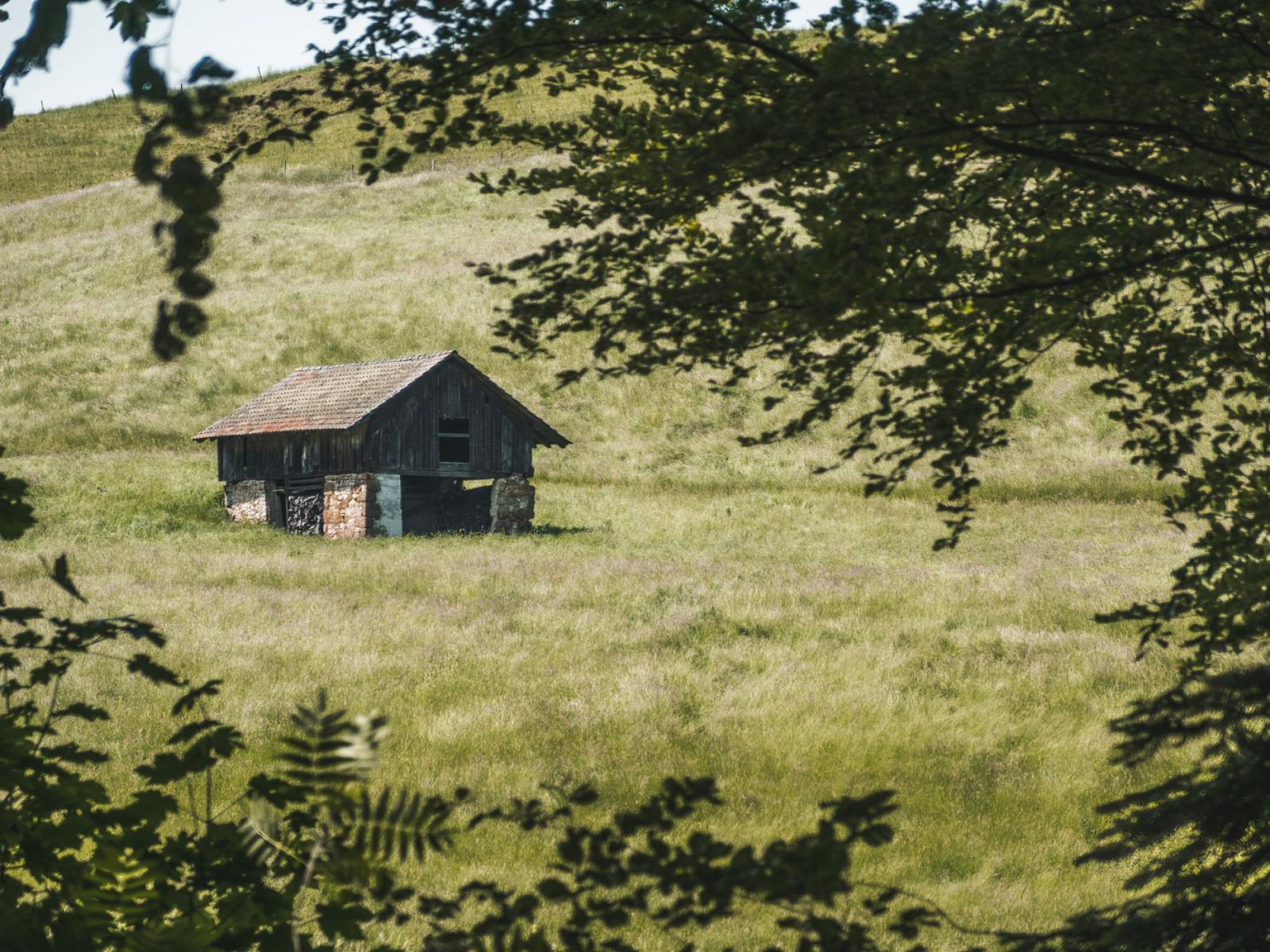
Jizerka lies just "next door" behind the border Izera — a village like black houses scattered across a meadow. From here educational trails run along the edges of reserves, including through the Rašeliniště Jizerky national reserve. The idea is everywhere the same: to teach and to lead in ways that do not enter the heart of the bog. When you stand on one of the viewpoints and look at the mirrors of brown pools between tufts of moss, the structure is visible as if in the palm of your hand — "patches" and "runnels", small hummocks and a network of micro‑streams that skirt the clumps like miniature fjords. That is enough. The rest is left to the birds and the water. ([de.wikipedia.org])
In practice it is from the edge of marked routes that the mosaic of the bog is best photographed: a telephoto lens brings out the rhythm of the hummocks, and morning light emphasises the contrast in texture between the dwarf pines and carpets of peatmoss. At midday the contrast softens; in the evening the chill returns from the valley floor and mist often hangs just above the meadow.
Halas and ridges of the Karkonosze: Hala Szrenicka and Szrenica
When you move onto the Karkonosze ridge, the landscape pivots ninety degrees. Instead of a cool basin you find an open, airy platform. Hala Szrenicka lies just below Szrenica; the red ridge trail runs across the hala and continues toward Łabski Szczyt and the Snowy Cirques. It is a backbone from which you descend into moist valleys — into streams and pools where ice can linger in spring and in summer the air smells of carrying water. Here you can see best how exposure changes the vegetation: on the ridge the wind lays down twingrass and fescues, while in the hollows moisture persists and peatland species prevail. ([polska.travel])
Szrenica itself is a lesson in meteorology. On the ridge you feel most sharply the temperature gradient and wind strength; north‑facing slopes are often cooler and foggier, while south‑facing slopes dry out faster. In the morning, when the valleys still hold the cold, the ridge catches the first light; in the evening it’s the other way around — the valleys keep a silvery glow longer. These are the moments when you "read" the mountains best: you hear the wind battering the rocks of Trzech Świnek and how an echo on the slopes above Mokra Przełęcz fades away.
What, where and when to observe
On Hala Izerska
- Morning – you will see the valley "breathing": cool curtains of mist lying across the meadow, clear borders between the dry hala and water‑saturated strips of pools.
- Afternoon – light lays out colour shifts on the mosses from olive green to the rust brown of peatmosses; the contours of dwarf mountain pine sketch the peatland structure like a charcoal drawing.
- After rain – the air thickens with the smell of resin and wet leaves; at the edge of paths you can easily spot clumps of cotton‑grass and small flashes of water in the depressions between hummocks.
On the Szrenica ridge
- Late morning – the drier, wind‑scoured parts of the hala contrast with the moist basins; you can see how high‑mountain turf gives way toward depressions of marsh vegetation.
- Evening – dew returns and there is a brief window of soft light; from the halas you hear a more "desert‑like" rustle of dry blades than the splosh underfoot.
Safely and respectfully: rules on both sides of the border
On the Polish side, within Karkonosze National Park, a few simple rules protect sensitive habitats. We move on marked trails and paths, during daylight hours (from dawn to dusk). On several sections dogs are allowed only on a leash (and in some places not at all), which limits disturbance to wildlife and trampling of turf.[6] When planning an outing, always check current notices and maps of closures; conditions in the mountains can change suddenly, and maintenance work on boardwalks and trail sections is seasonal. ([kpn.gov.pl])
On the Czech side (KRNAP) the logic is identical: stay on signed routes, respect quiet zones and use the educational infrastructure provided at the reserves. In practice this means observing from a distance — so the most valuable peatland patches remain untouched.
Short and family‑friendly: two "from the hut to nature" outings
1) Hala Izerska and Chatka Górzystów
This is an ideal afternoon "to warm up" — with children, with a camera, without hurry. The Hala itself is as long as a breath and flat as a table, so the walk is comfortable. Plan a route that reaches Chatka Górzystów and takes in the broad view to the east and south: dense hala turf here passes into waterlogged zones that need not — and must not — be cut across. Stop for tea in the dining room, warm your hands on a cup and step back out onto the threshold to listen to the rush of the grasses. If you have more time, return by a different route along the nature trail panels, reading the landscape like a textbook.[2] ([de.wikipedia.org])
2) Jizerka and viewing the bog "from the edge"
In the settlement of Jizerka, educational trails run along the margins of the Rašeliniště Jizerky reserve — without entering its sensitive interior. Look for viewpoints and marked descents to hardened sections of the routes from which the bog’s structure is clearly visible: water "eyes" and hummocks clothed in dwarf mountain pine. In the village centre it is also easy to plan a break: small museums, forest panels and hospitable dining rooms surrounded by the quiet of meadows help pace the day in calm rhythms. ([de.wikipedia.org])
Why it works: from the veranda to understanding
Mountain halas and peat bogs teach an eye that appreciates small differences: wind direction, the density of grass underfoot, the silver line of water between hummocks. The hut’s veranda is often the first bench in this outdoor natural‑history course — here you will feel the day’s thermals and hear how the mountains sound in silence. From a boardwalk above a wetland you will see that a "blank" spot on a map is in fact one of Europe’s most complex ecosystems. And when you return to the dining room to warm your hands over a mug, you will understand that true observation in these mountains is restraint: going where you may, and looking so as to leave no trace.
Practical ABC for the observer
- On the Polish side of the Karkonosze we travel on trails during daylight; dogs — only on a leash and only where the park’s regulations allow.[6] Check current information before you set out. ([kpn.gov.pl])
- On peatlands — never leave the paths and boardwalks. On Hala Izerska and in Jizerka the educational infrastructure runs along the edges of reserves, allowing observation from a distance.[1] ([de.wikipedia.org])
- The Hala Izerska area and the Izera valley are part of the Natura 2000 network; this is a conservation nexus that links Polish and Czech wetlands into a single transboundary system. Respect signage and seasonal closures. ([eunis.eea.europa.eu])
You will leave here with a different step. Measured. And with a new pleasure in looking: you read a hala with your eyes, a peatland with patience.