Świeradów‑Zdrój with a dog: a cross‑border handler’s guide to trails, access and etiquette
Planning spa time and long moorland walks with your dog in the Izera Mountains? This evergreen guide covers preparation, leash etiquette in protected landscapes, gondola rules, gentle first hikes from Świeradów‑Zdrój, and stress‑free border crossings to Czechia and Germany—always in a Leave No Trace spirit.
The first thing you notice, padding out before breakfast with a dog that’s eager to go, is how the air in Świeradów‑Zdrój smells of resin and damp bark. Gravel in the Spa Park crunches, spruce needles hold the night’s cool, and somewhere up on the ridge the light is already rinsing the open moors. This is a town built for promenades and slow rituals—but its trails tempt you toward the border‑straddling highlands of the Izera Mountains.
Pre‑trail briefing: set up your dog for the Izeras
Even the gentler routes here mix packed forest roads with rooty passages, peatland boardwalks, and wind‑bleached flats. Prepare for a mountain day, not a city stroll.
- Conditioning: string together longer park loops for a week or two before you attempt half‑day moorland walks. A steady, clip‑free heel around distractions matters more than top speed.
- Paws: bring a small towel, a basic first‑aid kit, and either wax or booties if your dog is sensitive to coarse gravel or winter salt. Boardwalk slats can be warm in sun and slick in rain—go slow.
- Water and calories: carry more water than you think you need and a folding bowl. Mountain streams look pristine but treat or filter before sharing. In summer heat, schedule shady siestas.
- Harness and line: a Y‑front harness with a back attachment keeps shoulders free on climbs; pack a 2–3 m line and a shorter lead for busy pinch points. A bell helps other users hear you on blind bends.
- Weather: the Izera plateau can swing from sun to spindrift in an hour. Pack a light dog coat in the shoulder seasons; in high summer, plan dawn starts and shady returns.
Leashes, landscapes and good form
The Izeras are a mosaic of town greens, working forests and protected landscapes. Birds nest low in the moors; deer, boar and grouse move at dusk. Keep your dog on a leash in forests and wherever wildlife or other visitors could be disturbed—and shorten it around cyclists, horses and picnic spots. That’s not just courtesy; Poland’s State Forests explicitly promote leashing to protect wildlife and keep everyone safe.[1] When in doubt, read the board at each trailhead: icons for “dog on lead,” “no swimming,” or seasonal restrictions tell you everything you need faster than text.
Stay on marked paths over peatlands and in sensitive clearings. Those silver‑grey walkways are there to keep boots and paws off fragile bog plants; trotting parallel through the cotton grass undoes hard restoration work in a single season. Pack in, pack out—even bagged waste. If you can’t find a bin at the end of your route, carry it back to town.
Getting around with a dog: gondolas, greens and wayfinding
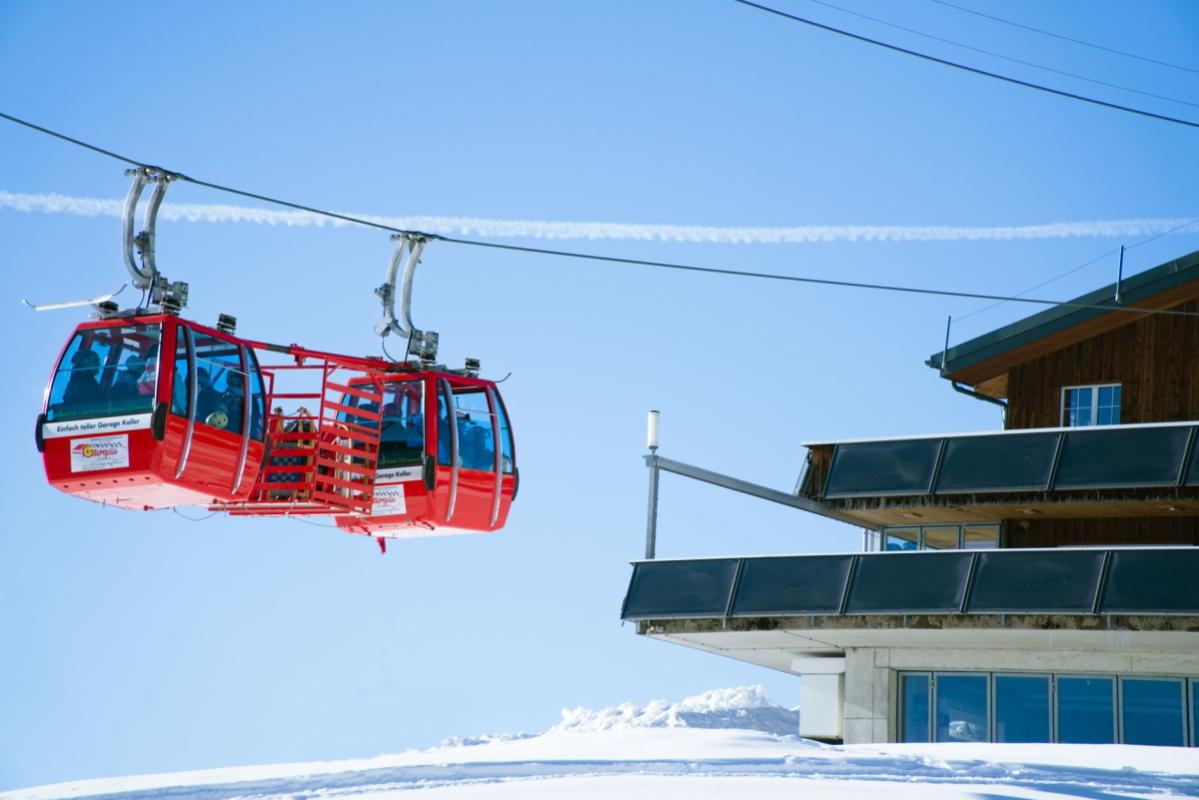
Świeradów‑Zdrój’s ritual starts in the Spa Park: take a slow lap under the larches to let your dog settle, then step out toward the ridgeline. If you want to save little legs for the moors, the gondola to Stóg Izerski is dog‑friendly: dogs ride free if they wear a muzzle, and staff will expect a leash.[2] Cabins are enclosed and the ride is smooth; on busy weekends, choose the first or last hour to avoid crowds. The upper station drops you in the high forest light—cooler air, resin and wind.
Maps from the Tourist Information Centre pair well with the town’s wayfinding boards, but always default to official color‑marked routes once you’re in the hills. Waymarks are frequent and junctions are signed; if a path looks freshly machine‑built and sinuous, assume it’s a purpose‑built bike line and keep to the parallel walking trail.
Easy, dog‑first hikes from town
1) The Spa Park circuit (intro stroll)
Start with a quiet loop beneath the old trees by the Dom Zdrojowy. Broad alleys, water, benches, and an easy bail‑out make this a good calibration walk, especially after travel. It’s also where you’ll dial in lead etiquette before hitting shared forest tracks.
2) To the Izera Meadow and Chatka Górzystów (half‑day classic)
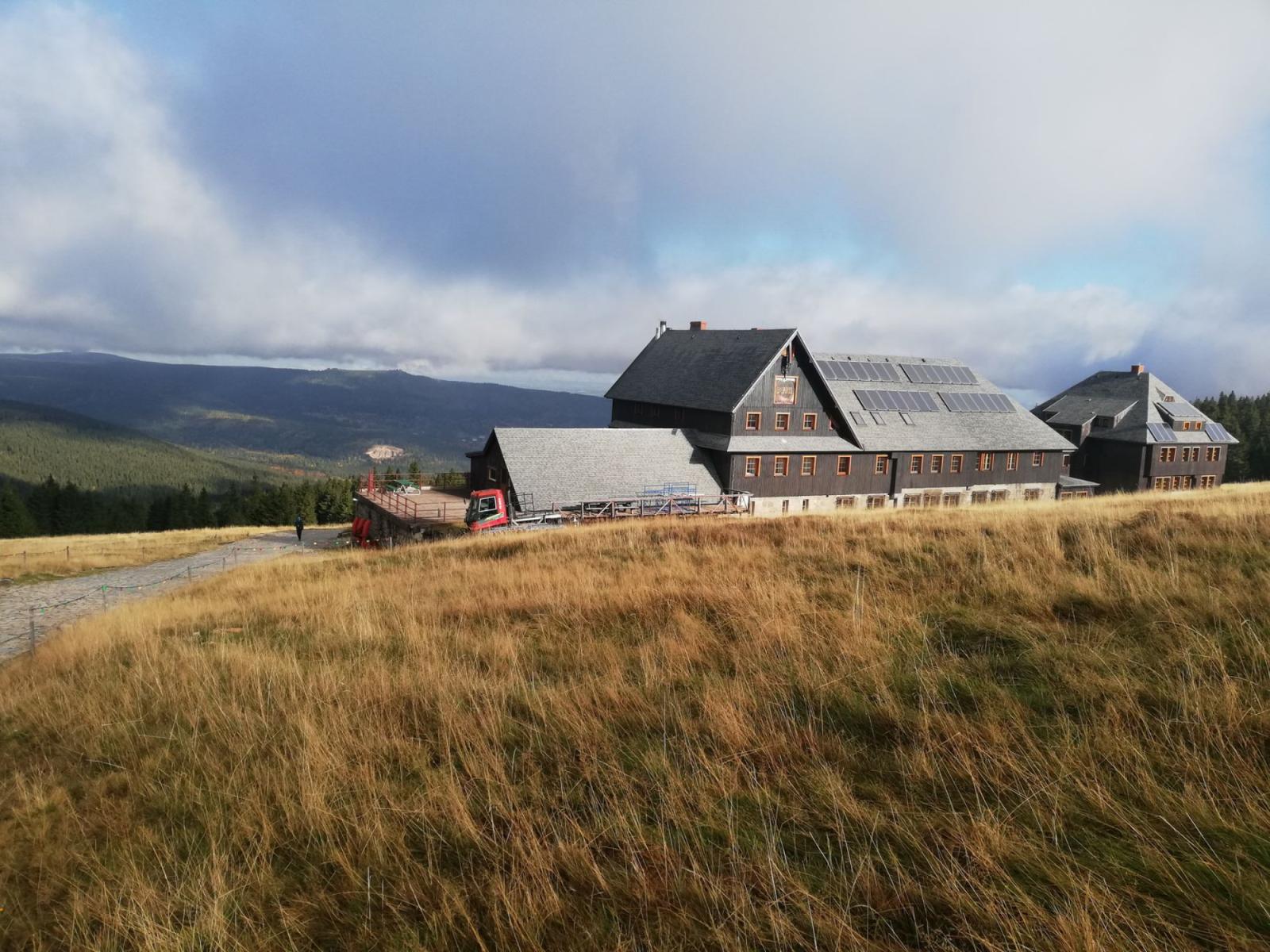
This is the Świeradów day out that turns new handlers into Izera lifers. From town, follow the blue trail toward Polana Izerska and onward to the wide, wind‑combed clearing of the Izera Meadow (Hala Izerska). The route threads forest roads and old drovers’ ways; it’s gradual, steady, with places to pause in shade and big sky waiting up top.[3] The meadow itself sits roughly between 840 and 880 m—and in cold seasons its basin geometry can trap night air, which is why locals joke it’s Poland’s “cold pole.”[4] On the far side stands Chatka Górzystów, a simple mountain hut where dogs nap under benches and human hikers fuel up on something warm before the return.
Trail sense with dogs here is simple: keep to the path where it skirts peat and bog pools; switch to a short leash if wind picks up and scent turns your dog’s head; and share the road with bikes by walking single file on the right. If the meadow is blazing at midday, step back into the spruce edge for shade breaks.
3) Border‑crest wandering toward Smrk (choose‑your‑length)
From the upper gondola station, you can stitch a mellow out‑and‑back along the border crest toward the Czech side’s Smrk. It’s a ridge walk with smells of resin and stone dust, the light pulling open on rock outcrops and then tucking you back under canopy. Expect mixed use: hikers, a few gravel riders, and, closer to Czechia, more signage in Czech with clear pictograms. Keep your line tight on blind corners, step aside early for bikes, and carry that muzzle—many lifts, buses and visitor facilities on both sides expect or prefer it.
Crossing borders with a dog—no stress if you prep
Świeradów‑Zdrój sits close to Czechia and not far from Germany; much of the area’s trail magic is the ease with which you step across ridgelines from one country to another. Schengen rules mean there are no routine person‑checks at internal borders, especially on footpaths, yet spot checks can happen—so carry your own ID and your dog’s papers.[6]
Within the EU, bringing a dog across the border is straightforward if your basics are in order: an ISO microchip (or compliant tattoo), a valid rabies vaccination with timing that meets EU rules, and an EU pet passport issued by an authorised vet. Pack the passport even for day walks; if you’re arriving from outside the EU you’ll need the EU animal health certificate instead.[5] Keep a muzzle in the pack and default to a short leash when you meet ranger boards, livestock, or busy trailheads—those conventions carry neatly between Poland, Czechia and Germany.
How to read a rules board in two minutes
- Icons first: a lead symbol means keep your dog on a leash; a red slash over a dog means no entry for dogs; a bird silhouette often signals seasonal nesting sensitivity—go quiet and tighten the lead.
- Surface and scope: boardwalk icons mean stay on wood; boot prints vs. bike symbols separate routes by user. If you see a map with colored lines, match your mark (red/blue/green/yellow in Poland) to it.
- Rubbish and toilets: many upland boards list zero facilities. Plan to carry all waste back to town.
- Emergency: note the local rescue number before signal fades. In winter, layer your dog early; there’s little shelter on the moors.
Leave No Trace on the Izera crest: a sample day
Morning: water, coffee, a slow Spa Park lap while town wakes. Pack snacks, extra water for the dog, and a light layer even if it’s warm at the benches.
Ride the gondola as cabins open; that quiet first ride spares noise‑sensitive dogs the crush. From the upper station, amble under the spruces and pick a signed footpath that edges toward open sky. Keep the line short where bikes thread down; release to a longer lead on wide forest roads when you have sightlines. Lunchtime on the Izera Meadow if the wind is kind; otherwise, snack in the spruce shadow and save Chatka Górzystów for off‑peak. Turn back as the light flattens and save paws on the descent—short steps, good footing, and one last water stop at the forest edge.
Checklist: ready for a border‑ridge day with your dog
- Documents: EU pet passport with microchip and rabies vaccine dates; your ID; proof of accommodation if asked casually at trailheads near borders.[5][6]
- Control: 2–3 m lead and a 1–1.5 m backup; Y‑front harness; recall that works around wildlife scents.
- Muzzle: required on the Świeradów gondola and often requested in other transports—pack a soft basket muzzle your dog tolerates well.[2]
- Paw care: wax or booties; small towel; tweezers or tick key; basic first aid.
- Water and bowl: more than you think; treat surface water before sharing.
- Warm‑weather kit: shade strategy, high‑value treats to keep focus when bikes pass, cooling breaks under spruce.
- Cold‑weather kit: light dog coat; your layers and gloves; headlamp for early dusk on the moor.
- Waste plan: bags plus a secondary pouch to seal and carry out.
By the time you’re back in town and the lamps blink on along the alleys, your dog will carry the day’s scents in their coat: peat and pine, sun‑warmed wood, a whiff of hut kitchen. Świeradów‑Zdrój is made for this rhythm—slow mornings under old trees; long, respectful crossings over high country; a quiet return. Keep the lead kind, the tread light, and the border just a line your boots and paws happen to cross.