Qualification for balneotherapy in Świeradów and Czerniawa: from the first visit to the tailored stimulus dose
What really happens between registration and the first bath? We guide you step by step through qualification for treatments in Świeradów‑Zdrój and Czerniawa: from the consultation with the spa physician, through the definition of “medicinal water”, to the rules for selecting the stimulus dose. With a practical checklist for the first day.
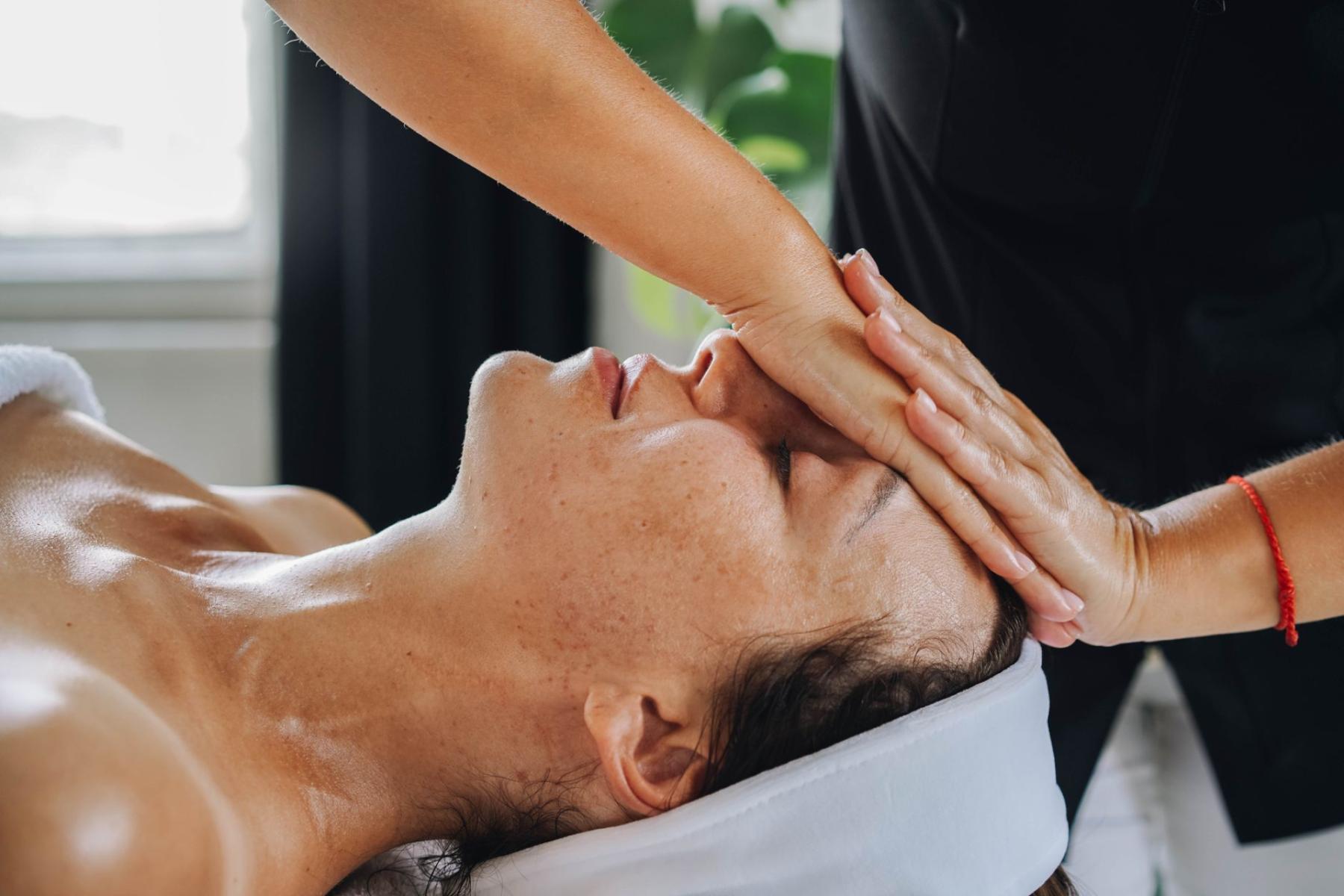
The first thing you notice on entering Hala Spacerowa is the smell of wood and a faint resinous note. Footsteps are softened by the wooden floor, conversations from the drinking hall whispering in the background. There is movement all around, but not haste. It’s the moment when most guests begin to wonder: what exactly does this “qualification” look like, and who decides whether a radon bath will be today, tomorrow, or not at all?
First consultation: this is where your plan is made
After registering at the facility you will see the spa physician. This is not a mere formality. It is the moment when the medical history, a review of medications and a short examination produce the treatment order – the document that physio- and balneotherapists later work from. In Świeradów and Czerniawa all procedures using radon water are performed only on the basis of such an order, issued after an initial medical examination.[1]
In practice it plays out calmly and matter-of-factly. The doctor asks about complaints, chronic illnesses, surgeries and how you tolerate heat and exertion. They ask for a list of medications you take and the most recent medical records, if you have them. Then you set priorities together: is it more important to work on pain, circulation or breathing; how quickly do you want to return to activity. From these conversations the day’s rhythm is built: sequences of baths, inhalations, exercises and rest.
It’s worth knowing that treatments can be paid for privately or on the basis of a referral financed by the NFZ or ZUS – the qualification principle and the need for a physician’s order remain the same.[1]
Documents, registration, calm: simple first‑day logistics
Formalities need not raise your blood pressure. On arrival you register at reception or the nursing office and receive a stay card. If you are arriving on publicly funded benefits, prepare an identity document and the e‑referral data. Also bring your regular medications for the whole stay and what you’ll need for treatments: swimwear, a cap, flip‑flops, gym clothes and a towel.[5]
Here you will receive the treatment card – you’ll show it each time you go to a treatment. After balneotherapy and physical therapy a quiet period is scheduled, preferably in designated rest areas. This detail, often overlooked “in theory”, in practice helps the body process the stimulus and avoid overload.[5]
“Medicinal water” – what it means in Poland and what it implies in the baths
In the medical office that phrase is not a poetic label but a term with a definition. Polish law (the Geological and Mining Law) defines medicinal water as underground water that is chemically and microbiologically uncontaminated, with naturally stable properties, which meets one of the thresholds: for example at least 1000 mg/dm³ of dissolved mineral substances, or a specified minimum concentration of characteristic components. For radon this is no less than 74 Bq/dm³, and for free (unbound) carbon dioxide at least 250 mg/dm³.[3]
This definition translates into practice in two ways. First – the selection of treatments: if radon stimuli are indicated, the physician may prescribe radon baths, inhalations or a drinking cure, but only where a documented and monitored resource is available. Second – the place of performance: in Świeradów and Czerniawa procedures based on licensed medicinal waters (including radon baths and inhalations and access to the drinking hall) are offered only in facilities of Uzdrowiska Świeradów–Czerniawa, which hold the concession for extraction and exploitation of these waters.[1] The concession itself covers deposits both in Świeradów and in Czerniawa, which directly explains why identical procedures are found only in selected locations.[2]
Stimulus dose: how the doctor “calibrates” treatments
In balneotherapy the “dose” is not reduced to a single number. It is a combination of several parameters: the concentration of the component (e.g. radon or CO₂), the water temperature, the duration of a single treatment, the body surface exposed to the stimulus and the number of repetitions in a series. On the treatment prescription that math takes a friendly form: 10–15 minutes of bathing, a specified tub temperature, number of days per week, and possibly inhalations on the “lighter” days.
In the first days of therapy the adaptation principle is often used – you start with shorter or warmer/milder stimuli, observe the reaction (drowsiness, calming, agitation, blood pressure fluctuations), and then, if tolerance is good, gradually turn up the dial. The weekly plan also includes “technical breaks” so the body has time to process the effect of the bath. Resort regulations even state it clearly: after balneotherapy and physical therapy – rest.[5]
In conversation with the doctor it’s worth dotting the i’s: say whether at home you tend to have drops in blood pressure after a hot bath, whether your head feels “heavy” after a sauna, how you react to exertion. From such honesty a plan is born that works, rather than exhausts.
Świeradów and Czerniawa: which procedures require an order and where you’ll have them
In Świeradów–Czerniawa the procedures that require a prescription are primarily radon baths, inhalations based on radon water and drinking cures. All three are procedures performed using licensed waters, and therefore available only in the spa company’s facilities – together with the drinking hall. A physician’s order is mandatory; based on it the treatment team will arrange the schedule, and staff check parameters daily, including radon levels in the water and in the air of treatment rooms, to keep the dose under control.[1]
On site you will quickly notice that the logistics are well thought out: treatment card, order of entry, time to rest, return to Hala Spacerowa. From a guest’s perspective it is comfort, but also a safety measure – after an intense bath the body needs a few minutes of quiet before you head back out into town.[5]
How the same rules work in neighboring Sudeten spas
In Lądek‑Zdrój and in Cieplice (the spa district of Jelenia Góra) the foundation is identical: first a visit to the spa physician and an order, then a series of treatments. What differs is the “palette” of the source water and thus the construction of the dose itself.
Lądek‑Zdrój uses thermal waters in which radon is a natural component – this matters because the stimulus here tends to be “mixed”: heat and a characteristic component.[3] Cieplice are famous for thermal waters with the highest temperatures on outflow in Poland – at sources from approx. 20°C to over 80°C (up to 87°C at well C‑1), and their exploitation, alongside Lądek, is one of the few Sudeten cases of ongoing use of such waters.[4] What does this mean for the patient? The physician in both places works with the same variables, but the emphasis differs: in Lądek the dose includes both heat and the characteristic component, in Cieplice thermal parameters dominate. In both cases qualification and cautious “scaling” of the stimulus are fundamental.
If you transfer your therapy between spas, bring your last treatment card and a short note about how you tolerated doses: after how many minutes of bathing you felt best, whether inhalations made you fall asleep faster, or if you experienced dizziness. The doctor at the new place will not start from scratch – but will always prescribe a plan anew, because the water, temperature, altitude and daily effort often change (here: walks in the park and along forest paths).
Practical patient glossary
- Medical qualification – the first visit to the spa physician, during which, after history-taking and an examination, you receive a treatment order. In Świeradów and Czerniawa this also applies to procedures using radon water.[1]
- Stimulus dose – a combination of the concentration of the characteristic component (e.g. radon), temperature, duration and number of repetitions; modified according to the body’s tolerance and the therapy’s goals.
- Drinking cure – administration of medicinal water to drink in the drinking hall; in Świeradów–Czerniawa available only in facilities with a concession.[1]
- Medicinal water – underground water meeting statutory criteria, including thresholds for concentrations of characteristic components (radon ≥ 74 Bq/dm³; free CO₂ ≥ 250 mg/dm³).[3]
Checklist: what to bring to make your first day truly calm
- Identity document (and e‑referral details if you arrive under NFZ/ZUS).[5]
- Regular medications – enough for the whole stay.[5]
- Swimwear and cap, flip‑flops, towel; gym clothes.[5]
- Up‑to‑date medical documentation (discharge summaries, medication lists, results – if you have them); it will help the physician arrange a safe plan faster.[5]
- A note with your goals for the therapy: less pain? better sleep? greater endurance? This makes the consultation easier.
Talking with the doctor: how to speak about goals and sensations
Be specific about what you expect after three weeks. Not “general health,” but concrete outcomes: less pain when climbing stairs, a lighter morning without stiffness, easier breathing on a walk through the park. Describe how you react to heat and exertion – do you have drops in blood pressure after a hot bath, does your head hurt after a faster walk. This allows the physician to design the stimulus dose at a pace your body can “carry” rather than fight.
Also remember that not all treatments are for everyone – contraindications and caution stem from care for the outcome, not bureaucracy. That’s why, even if you come "just for the weekend", before entering a radon bath there must be an order and a green light from the physician.[1]
Finally – about first‑day stress
The biggest myth? That “the first day is wasted on formalities.” In a well‑run spa it is precisely on that day that your therapy begins: registration, consultation, first treatments or their precise scheduling. You’ll step out for a short walk under the colonnade, maybe sit by the drinking hall and listen as the buzz quiets. In Świeradów and Czerniawa the medical qualification is the beginning of the story – not just its preface.
This text is informational and does not replace medical advice. Therapeutic decisions are always made by a physician, taking into account your current health condition.