Micro bikepacking from Świeradów: Izera mountain huts and Czech settlements for 2–3-day MTB loops
Approach the Izera Mountains lightly, based in Świeradów-Zdrój: warm up on singletracks, use the gondola to shortcut elevation, and link long stages with gravel and sections of ER‑2. Sleep hut‑to‑hut between the PTTK refuge on Stóg Izerski, Chatka Górzystów and the Czech village of Jizerka — no tent, and more time for flow, landscapes and the silence of the peatlands.
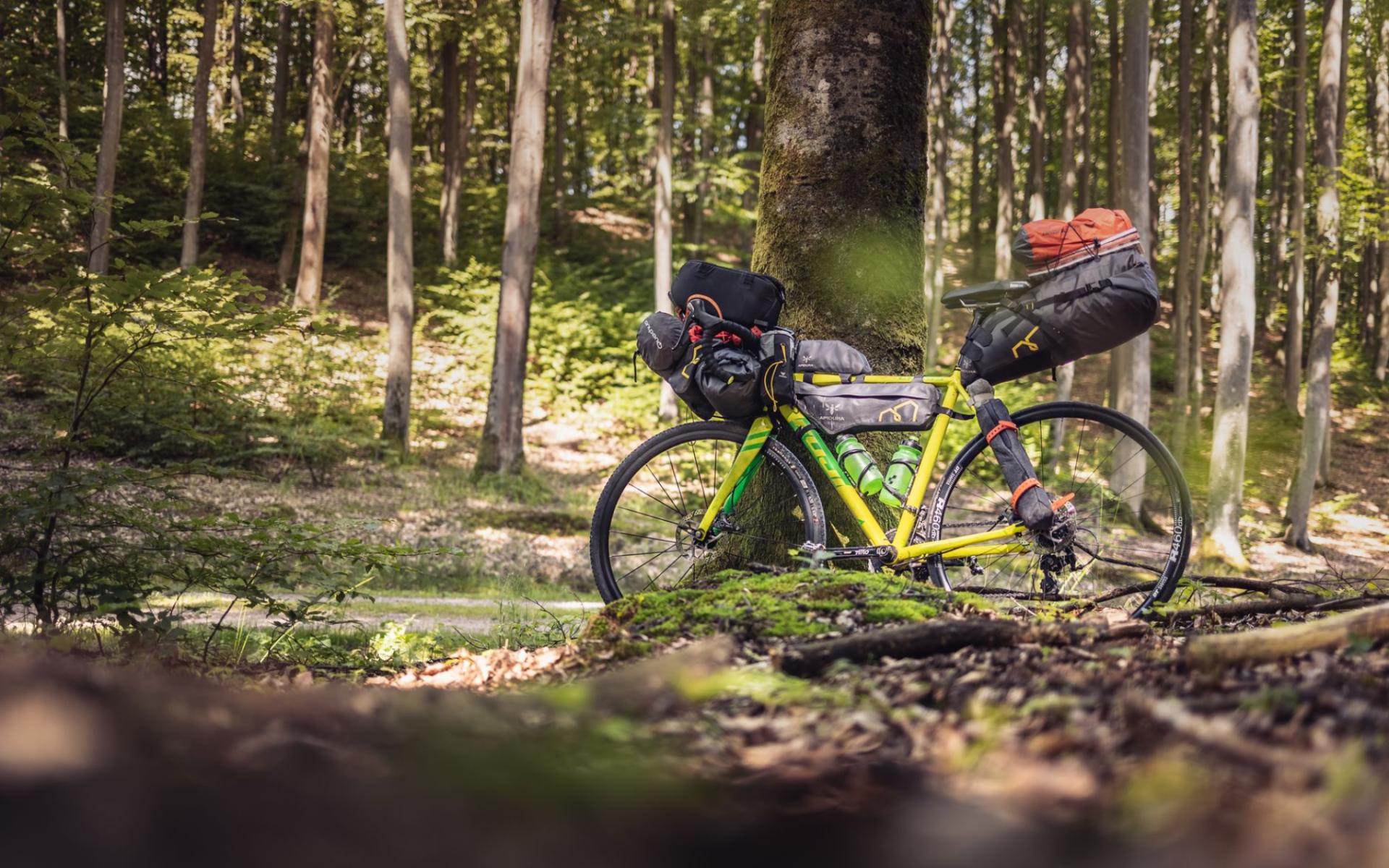
It smells of resin and damp leaf litter. Light breaks into patches through the spruces, and on the smooth arcs of the singletrack you feel the acceleration that in the Izera Mountains has its own rhythm. Instead of the classic “there and back” — light luggage, two or three days and micro bikepacking: overnight stays in mountain huts, flowing singletracks on the Polish side and calm gravel connectors across Czech clearings. Base? Świeradów-Zdrój — a spa town that in summer measures time in the ticking of freewheels and the rustle of a gondola above the trees.
What micro bikepacking in the Izera entails
This is an idea for intermediate and advanced MTB or gravel riders who want to turn single-day loops into a light two–three-day micro-expedition. The key is hut‑to‑hut: you ride without a tent or stove, sleep in mountain refuges and settlements, and swap saved weight for riding pleasure. Instead of a catalogue of fixed tracks you get a skeleton of loops and nodes from which you can build your own variant — prioritizing flowy singletracks or faster gravel sections so you return to Świeradów without the ordeal of a big headwind finale.
Into the area: singletracks, the gondola and service at the bottom
Świeradów has an advantage others envy: the Singletrack Świeradów network is a natural gateway to the mountains. The loops on Zajęcznik and the flanks of Czerniawska Kopa warm you up before leading you higher toward the ridge. The town information centre provides an up-to-date singletrack map — worth having on your phone even if you’re riding from memory.[1]
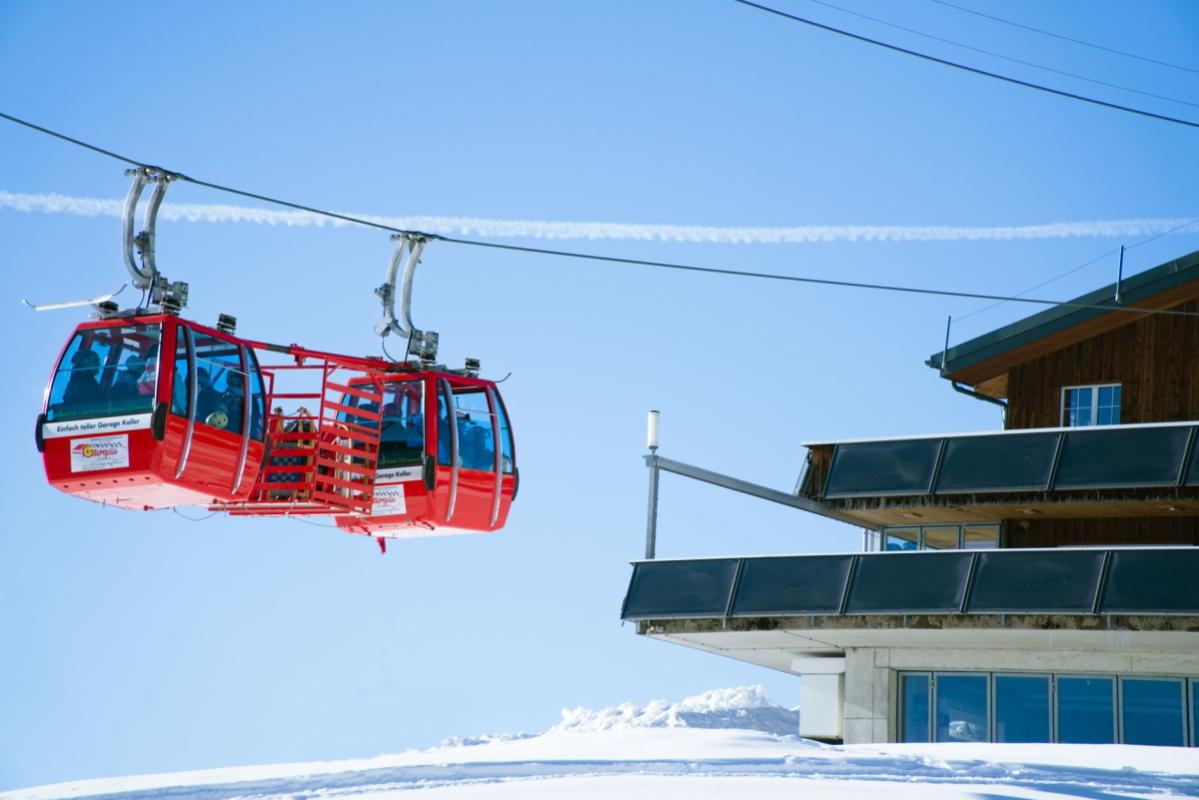
If you want to gain elevation without eating your legs — take the Ski&Sun gondola. In summer there’s a bike rental (including e‑MTBs) and a service workshop at the lower station; it’s an excellent start and finish point for loops, especially with a group of varied fitness levels.[2]
Day 1: Stóg Izerski and the approach to the Hala
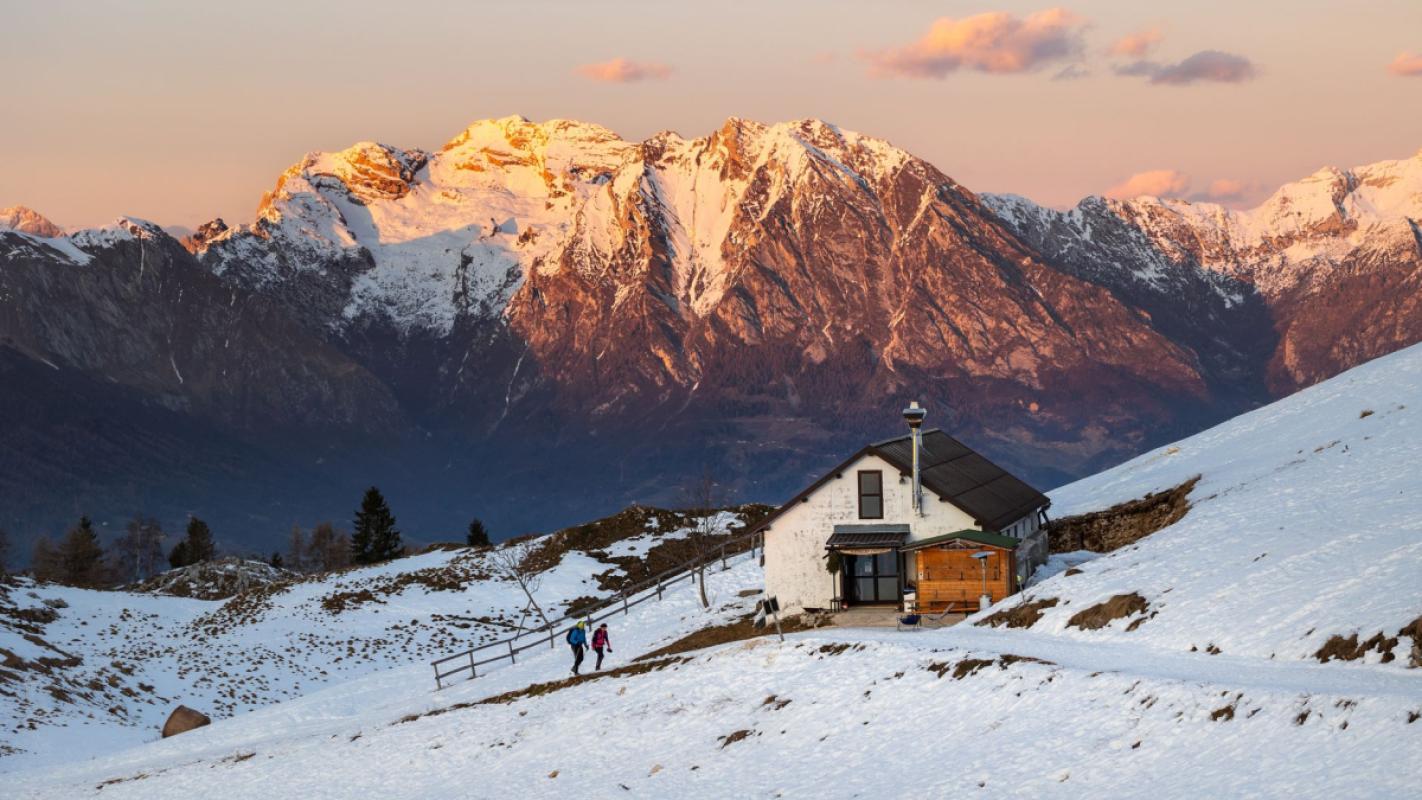
On the first day combine the flow of singletracks with classic ridge riding. From the centre head out on the Singletrack loops, then choose the “elevation shortcut”: a gondola ride to the upper station, from where in a few minutes you reach the Schronisko PTTK na Stogu Izerskim. The wooden structure sits at about 1060 m above sea level, just below the summit — and here you’ll feel the wall of forest behind you quieten and the view open up across the whole range.[3]
From the refuge descend toward the Izera meadows. Asphalt and gravel form a logical network here: gentle descents become rolling sections where a gravel bike is steered with a smile, and an MTB picks lines through the roots. Head for the broad Hala Izerska — a plateau with a character that is hard to mistake for anything else. On its edge stands Chatka Górzystów, a refuge housed in the old school building of the long-gone settlement Wielka Izera (Groß‑Iser).[4] This place ties the days together: you can grab lunch here after a windy stage, but you can also stay the night to hear the Hala’s silence after sunset.
Days 2–3: Orle, Jizerka and the Czech connectors
In the morning head for Orle — a former smelting settlement that today serves as a tourist station and trail hub. Gravel roads lead here smoothly, avoiding the busiest stretches. The “light” variant lets you pass through without stopping, but if you like places with history — take a moment to look at the old buildings.
Beyond Orle you cross the border on a little bridge over the Izera and enter the gentle landscape of the Czech Jizerská louka. After a few kilometres Jizerka appears — a small, scattered village on the meadows that, after the privatizations of the 1990s, has found life again in tourism. There are several guesthouses and restaurants, and the settlement makes an excellent base for a short loop on the Czech side or for an overnight between two long riding days.[5]
Surface strategy: you can reach Jizerka 100% on paved and gravel roads if you want a steady pace and to conserve an e‑bike’s battery. Want “more bike in the bike”? Add short technical inserts: a section of trail above the Hala, stony knots along the ridge, one of the side, twisty singletracks on the Polish side for dessert. On a dry day even a gravel bike will probably manage here, but after heavy rain choose firmer options under the wheel.
The return to Świeradów offers several equivalent options. The most panoramic route goes across the Hala and back under Stóg, from where — depending on mood and energy — you descend by singletrack or keep turning kilometres along the ridge to close the loop on asphalt. A longer variant, ideal for a third day, is a loop through the Smrek area and gentle slopes on the Czech side, then a return through a forest border crossing. For those who prefer a calm line, marked connectors and sections of the regional ER‑2 around the foothills are a good choice — quick under the wheel and easy to spot on the ground.
Nodes and variants: how to build your own loop
Reliable nodes under the wheel
- Singletrack Świeradów: loops on Zajęcznik and around Czerniawska Kopa. Link them sequentially in the morning before you head for the ridge. Keep the map on your phone.[1]
- Upper gondola station — Schronisko PTTK na Stogu Izerskim: a quick approach, a place to pause and decide whether you’re after views or pace on the gravel.[2][3]
- Hala Izerska — Chatka Górzystów: a classic for overnight stays and a kitchen, and a natural node before the Czech part of the loop.[4]
- Orle: a hub linking Polish and Czech gravel roads and gentle approaches to the border.
- Jizerka: guesthouses, eateries and wide meadows that turn golden in the afternoon sun. An ideal place to spend the night on the Czech side.[5]
Surface-selection strategies
- Flow-first: singletracks from Świeradów, then a quick link to the ridge and a wave of gentle descents down to the Hala. Then gravel through Orle and Jizerka; return — again via singletracks.
- Gravel-first: the gondola as an elevation shortcut, straight onto the ridge to the Hala. Then a long, smooth section to Orle and through Jizerka. Finish: paved and gravel connectors back to Świeradów.
- Mix: intersperse short singletrack inserts with longer sections on firmer ground. This approach suits e‑MTBs best — it conserves battery while still delivering technical pleasure.
Offline navigation and a day plan
In the Izera Mountains paper and digital navigation get along well. Before you set off download an offline map (e.g. in Mapy.cz), and set your phone to power saving — long forests and cool temperatures can eat battery faster than you think. At key junctions make short checkpoints: are you dropping into the correct valley? Did you miss the change from singletrack to connector? A background route recording can save the day if fog descends on the Hala or afternoon clouds bring a passing shower.
A sensible daily rhythm for two days is: a long warm-up on singletracks and a ridge ascent before noon; afternoon on the Hala and Orle; evening in Jizerka. For three days add one “lazy” stage: a short morning spin around a side valley or a calm viewpoint on the Czech side, then a coffee-paced ride across the meadows and a relaxed return.
Light logistics: luggage, service, energy
- Luggage: a 10–14 l saddlebag plus a small frame bag is enough. A rain jacket, thin down jacket, long gloves, lights with a constant mode. A simple repair kit and two sealant cartridges/bottles during berry season.
- Service and rentals: the most convenient spot is the lower Ski&Sun gondola station — for off-season checks or quick fixes before a loop.[2]
- E‑bike: plan charging “at the table” — in refuges and guesthouses you can usually ask for a socket for your charger. Save energy by combining flowy inserts with long, even gravel sections.
- Food: in season the Hala and Orle can be busy; it’s good to have a gel or sandwich “just in case”. In Jizerka you can relax gastronomically with a view over the meadows.
Safety, nature and the border
You’re riding through ecologically valuable areas. On both the Polish and Czech sides stick to designated roads and trails, respect seasonal closures (for example those related to bird protection), and don’t ride into peatland zones even “for a moment”. Light in the forest changes quickly — carry lights and a warm layer in your pack, even if you start out in sunshine. In winter and early spring some roads may be icy or closed; in summer after a storm roots can be as slippery as ice.
The border? It’s freely crossed on the trails under the Schengen rules — without fixed checks, but carry ID in your pocket. EU rules for EU citizens are simple: travel with a valid identity card or passport, and internal controls only occur exceptionally. People from outside the EU are subject to different rules when entering the Schengen area.[6]
Suggested loop skeletons (no tracks, with nodes)
2‑day variant: “Hala and meadows”
- Day 1: Singletrack Świeradów → gondola (elevation shortcut) → Schronisko PTTK na Stogu Izerskim → descend to Hala Izerska → overnight at Chatka Górzystów.[1][2][3][4]
- Day 2: Chatka Górzystów → Orle → Jizerka (coffee/lunch) → return across the Hala → descend to Świeradów via singletracks or gravel for pace.[5]
3‑day variant: “Through settlements and ridges”
- Day 1: Singletracks → PTTK Stóg Izerski (break) → Hala → Orle → overnight in Jizerka.[1][3][5]
- Day 2: A light loop on the Czech side (meadows, forest roads) → Jizerka (second night) or return via Orle → overnight at Chatka Górzystów.[5][4]
- Day 3: Chatka → return to the ridge → descend to Świeradów via singletracks or smooth connectors. The gondola remains an “ace up the sleeve” if your legs ask for mercy.[2][4]
A closing étude
In the evening the Hala falls into a silence not drowned out by any drivetrain. Over the peatlands a cool, clear sky stands, and the road returns to simplicity: you ride, you look, you breathe. In Świeradów it smells again of resin and wet beech. This is not the expedition of a lifetime — and thankfully so. It’s a loop you’ll return to in different light, with different company, with a different choice between flow and gravel. The Izera Mountains like repeats.