Karkonosze for a day: Szklarska Poręba or Karpacz? A selection guide for a base in Świeradowie‑Zdrój
The two gateways to the Karkonosze open two completely different one-day itineraries from a base in Świeradowie‑Zdrój: forested valleys and waterfalls in Szklarska Poręba or an exposed ridge with a quick ascent to Śnieżka from Karpacz. This guide helps you decide which route to pick, how to avoid crowds and how to move ethically within the Karkonosze National Park.
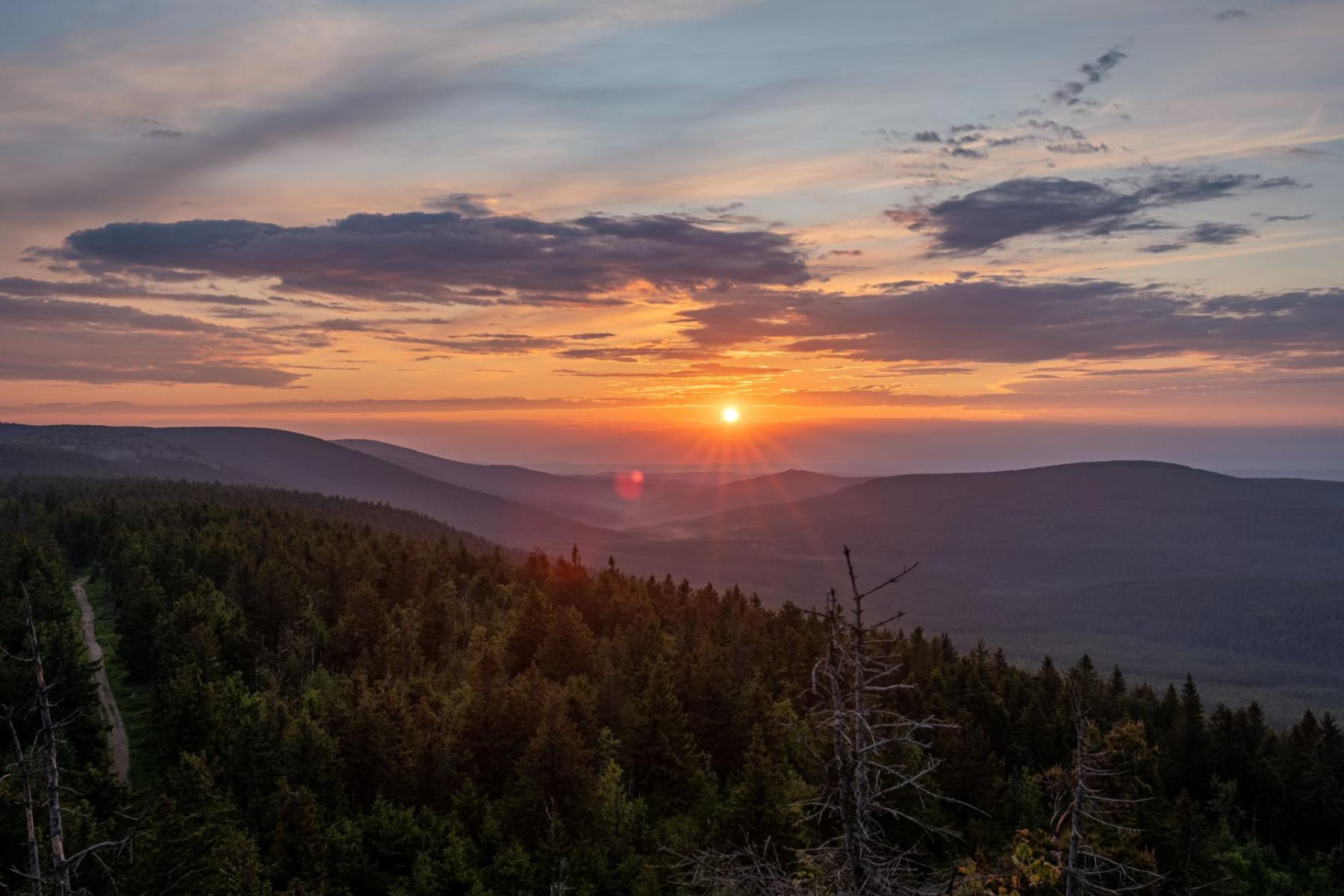
First drops of dew on the terrace boards, the resin scent that fills the morning in Świeradowie‑Zdrój. When the sun breaks through the spruces of the Izera Mountains, a day in the Karkonosze can be played out in two ways. Either immerse yourself in the gloom of gorges and the white froth beneath the icons – Kamieńczyk and Szklarka. Or rise above the tree line and walk the ridge, where the wind hums in your ears and Śnieżka cuts a silhouette sharp as a blade.
How to read the map of the day: two different worlds of the same massif
Szklarska Poręba is the “forest” option: streams, roots underfoot, the cool of water and the flicker of light on granite. Karpacz is the “ridge” option: wide panoramas, open space, exposure to wind and sun. Both plans can be arranged so that you return to your base in Świeradowie‑Zdrój unhurried – with a backpack full of photos and your head saturated with views.
The choice is not only a matter of taste. It’s a decision about the character of the walk, how sheltered or exposed you want to be, whether you prefer the rhythm of cascades and short climbs, or the steady holding of a contour line. Bottlenecks will also decide it (boardwalks at the waterfalls versus the ascent to the summit), as will the availability of a “shortcut” by chairlift and the wind forecast for the ridge.
Classic Szklarska: a waterfall loop with the option to climb to the meadows beneath Szrenica
This is the scenario for those who like to photograph water and listen to it without interruption. First Kamieńczyk – tall, raw, its roar carried through the spruce forest. Three cascades drop into a narrow rock throat; when you descend to the bottom of the gorge you feel the spray on your face and the chill that creeps under your jacket. The Kamieńczyk waterfall is about 27 metres high[1], and access into the gorge itself is via secured walkways – with a mandatory helmet provided at the entrance[1]. It’s a natural flashpoint for crowds: narrow, spectacular, everyone wants a photo. The solution? Be here early or reverse the order and leave Kamieńczyk for a later, quieter afternoon.
The other end of this loop is the Wodospad Szklarki – lower, winding softly into a stony basin. It flows wide and turns, creating a distinctive, photogenic arc. It’s about 13 metres high[2] and lies within a designated part of the Karkonosze National Park where access is arranged with a comfortable path and a viewing platform[2]. It’s more approachable, friendly for an unhurried stroll – and precisely for that reason it can be busy at midday. If you’re counting on intimate light and water, plan your visit in the first hour the park entrance is open or just before the daytime trail closes.
After the water – a little higher. If you have the energy and the weather cooperates, it’s worth climbing to the grassy subridge meadows or hopping a little higher toward Hala Szrenicka. Those seeking a broader panorama can consider ascending all the way to Szrenica (1362 m above sea level) – a peak within the Karkonosze National Park whose ridge opens a wide horizon. A two-stage chairlift also leads to Szrenica, shortening the effort if the priority is view rather than vertical gain[3]. On a sunny, clear day the granite along the crest gleams silver, and the wind dries the sweat on your brow faster than you can reach for water.
How to plan a day in Szklarska
- If you want shots without the crowd, start early at Kamieńczyk and descend into the gorge just after the park opens, or reverse the loop: Szklarka first, then Kamieńczyk, when most people are heading off to lunch.
- Take a thin waterproof layer and shoes with a good sole – around the waterfalls it’s damp and the surfaces can be as smooth as glass.
- Consider a “soft finish” on the meadows below the ridge if the crowds at the waterfalls have knocked you off rhythm. Evening light filtering through beeches can return the day’s calm to you.
Karpacz ridge: Kopa, the Równia and the ascent to Śnieżka – with a Plan B for the wind
If you dream of the horizon line and a feeling of altitude – choose Karpacz. Here the simplest shortcut to the ridge world operates: a cable car carries visitors up to Kopa, from which in a few steps you reach the open spaces of the Równia pod Śnieżką, and from there the trail that leads to the highest summit of the Sudetes (1603 m above sea level)[4]. The mere possibility of riding up to Kopa removes part of the day’s elevation – giving a lot of room to dose the exertion, and the reward is views that dominate everything from the first minutes[4].
The ascent to Śnieżka from the Kopa side has its rhythm: first wide panoramas and a long walk in the wind, then a buildup of people on the final approach where everyone slows to catch their breath and a photo with the observatory dome. When the weather turns, the ridge does not forgive – wind accelerates decisions, and clouds can swallow the trail in minutes. This is where a Plan B is useful: instead of forcing the summit in a blizzard, walk a stretch of the ridge for exposure and light, then descend more calmly toward the mountain hut and return the same way, leaving the peak for another day. Better to come down with a longing than with hypothermia.
How to plan a day in Karpacz
- Check the wind forecast for the ridge zone and don’t be afraid to change plans if gusts exceed your comfort. On the crest the sun warms more strongly, but the wind cuts faster – sunscreen plus a hood and thin gloves are standard in the pack even in summer.
- It’s most comfortable to start early. The morning cable car to Kopa is often less crowded, and the first light softens Śnieżka’s contours. You will still reach the summit more slowly than you think – let cameras and impressions set the pace.
- When the crowd on the approach becomes unpleasant, give yourself margin: shift the emphasis of the hike from the summit to the ridge walk. For many, it’s here that the “mountain” begins – not at a height plaque.
Szklarska or Karpacz? A one-day comparison
- Terrain character: Szklarska is a walk in the rhythm of water and forest half-shadow; shorter, steep moments at the cascades are balanced by comfortable walks between attractions. Karpacz is an exposed ridge and a long horizon – more wind, more sun, less shade.
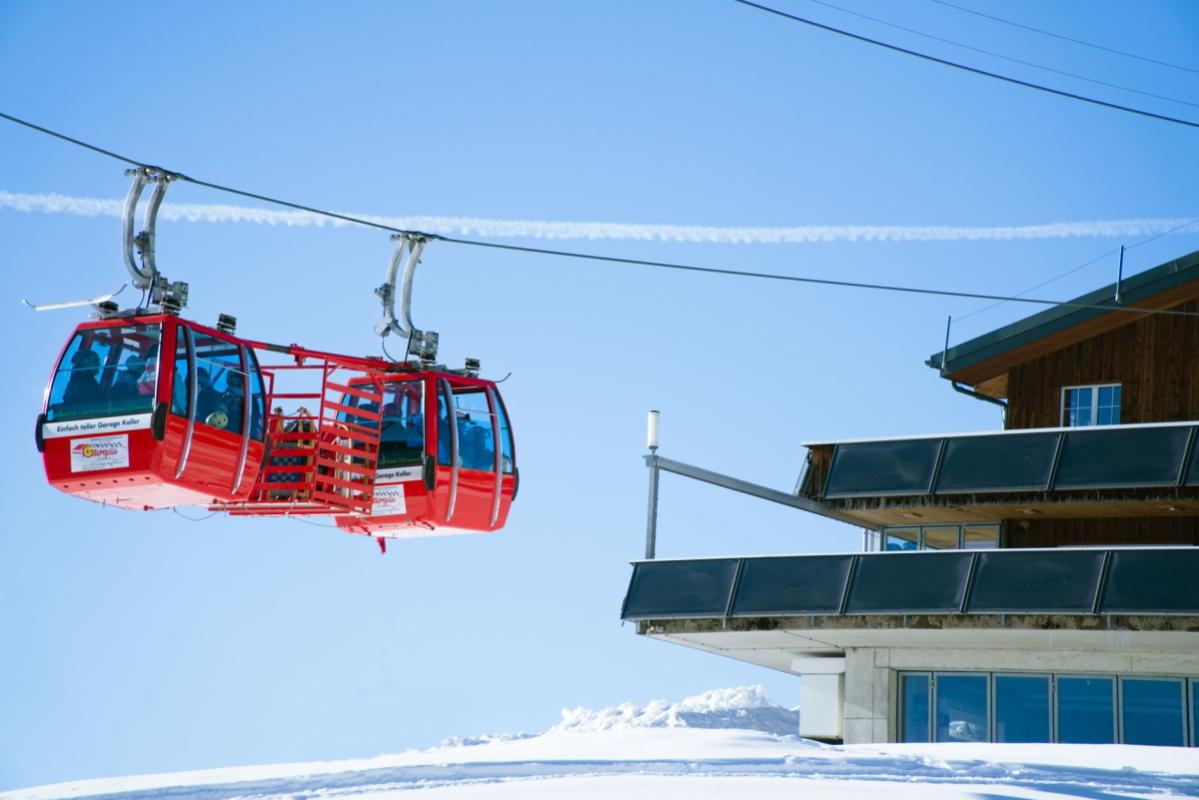
- Shortcuts and logistics: The cable car to Kopa shortens the approach to the ridge zone and makes reaching Śnieżka easier[4]. In Szklarska the chairlift to Szrenica gives a quick view bonus or a soft variant for the end of the day[3].
- Exposure to conditions: Forest valleys shelter you from wind and sun; waterfall spray cools. On the ridge it’s the opposite: wind is a constant companion, the sun works harder. Layered clothing and sun protection are a must-have.
- Bottlenecks and crowds: Steps and boardwalks at Kamieńczyk and the platform at the Szklarka concentrate queues at peak times[1][2]. On the approach to Śnieżka – in the area of the easiest access from the Kopa side – the walk naturally slows and passage times increase in good weather[4]. The antidote? Start before the crowds and choose your sequence of attractions deliberately.
- Fatigue: The “classic Szklarska” option is easier to scale: if you have less energy, stay in the valleys; if more, add Hala Szrenicka or Szrenica itself[3]. The “Karpacz ridge” rewards with views for less effort thanks to the lift, but demands resistance to wind and cold.
Karkonosze National Park rules: no haste, no litter, stay on the trail
What is most precious in the Karkonosze is protected here – and the rules are clear. On the Polish side of the park hiking is allowed only on marked trails and during the day: from dawn to dusk. There are no campfires, barbecues, or fireworks, and overnight stays are sought in mountain huts – camping is forbidden. Access to the KPN is ticketed; tickets can be bought at the entrances or online[5]. If you travel with a dog, keep it on a leash and check the list of sections with temporary bans on bringing dogs – it includes, among others, the area around the Kamieńczyk Waterfall. Sections with bans are clearly signposted on the ground[6].
These aren’t “rules for rules’ sake”. A crowd in a gorge or on a ridge can quickly become an incident – a slip on a wet rock, being blown off balance on exposed ground. In the Karkonosze ethics and safety go hand in hand: pack out your rubbish, stick to the path, slow down when it’s tight. If you feel the elements getting the upper hand – turn back. The mountains will still be there.
Framework proposals for a couple or a small group
Classic Szklarska – a day with water
- Start early at the trailhead to the Kamieńczyk Waterfall. Take advantage of the first wave of entries into the gorge – it’s calmer and cooler. After the waterfall walk the forest path toward the Szklarki, watching the change of light in the tree canopy.
- Midday decision: If you have the energy, climb above the tree line to the subridge meadows or choose a route to Hala Szrenicka. When the weather is clear, add Szrenica itself – the chairlift remains a fallback if you start to feel tired[3].
- Return the same way or in a loop along quieter tracks, deliberately postponing crowded spots until later. Dessert? An afternoon at Szklarka in soft light can be better than a morning selfie.
Karpacz ridge – a day with the horizon
- Ride up to Kopa early in the morning, when the lift runs smoothly. The first steps on the Równia pod Śnieżką set the day’s perspective – wide, bright, breezy[4].
- Decision on the crest: If the wind allows, push for the summit. If not – shorten the loop, linger at the hut and return without the pressure to “tick it off”. Altitude teaches patience.
- Return in the afternoon light that sculpts shadows on the ridge and reveals the texture of the granite. It’s then that the Karkonosze show their touch of melancholy.
At the end of the day in Świeradowie‑Zdrój you’ll sit with a cup of tea and be surprised at how much fit into a single day. The murmur of streams or the whistle of wind in your ears; the chill of a gorge or the warm scent of grasses on the ridge. The Karkonosze are close – and they stay under your eyelids for a long time. The choice between Szklarska and Karpacz isn’t final. It’s just a good first decision.