Izera Markets and Neighborly Fêtes: from Mirsk’s Square to Szklarska Poręba’s Trójka Lawn and Czerniawa‑Zdrój’s Spa Park
Between the Izera Foothills and Mountains, small-town markets and open‑air fêtes set a gentle rhythm within minutes of Świeradów‑Zdrój. Here’s how to browse Mirsk’s hand‑worked stalls, follow summer pop‑ups in Szklarska Poręba, and linger over concerts and picnics in the revitalised Spa Park of Czerniawa‑Zdrój.
The first thing you notice on a fair morning in the Izeras is the smell — piney air drifting off the hills, bread crust cracking somewhere close, a wisp of smoke from a grill curling above a square. Around Świeradów‑Zdrój, markets and neighborly fêtes aren’t spectacles so much as weekly punctuation marks: chances to talk, taste, and swap stories as the mountains hold a steady horizon. Begin in the larch hush of the Promenade Hall in Świeradów’s Spa House — the Hala Spacerowa stretches a stately 80 meters, a bright, wood‑scented nave for unhurried steps[1] — and by midday you can be sifting through ceramics and jars of honey over in Mirsk, or letting summer music spill across a lawn in Czerniawa‑Zdrój. The drive between them is short and easy; in fact, Mirsk’s municipality directly borders Świeradów‑Zdrój and Szklarska Poręba[4].
Mirsk: the square that fills with voices
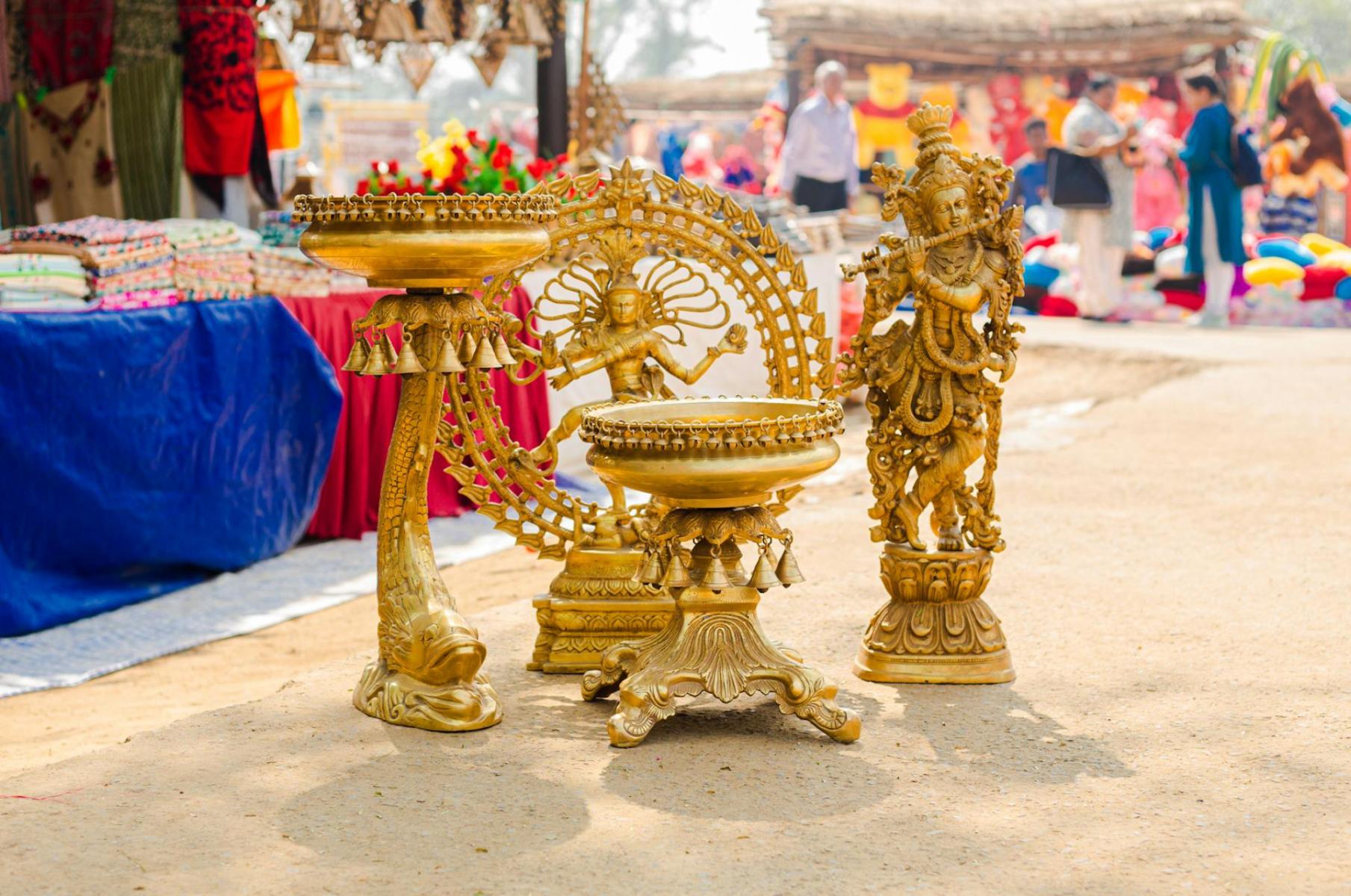
Mirsk’s market square isn’t large, but it feels made for conviviality — a compact bowl edged by townhouses, the town hall tower catching the hour. On fair days you’ll see lines of trestle tables under plain canopies, the texture of the region laid out in small things: beeswax candles with faint resin notes; rough‑linen runners; wooden ladles burnished with use; a tray of poppy‑seed pastries that leave a dusting of sugar on fingertips. Shoppers step sideways to make space for strollers and dogs. Someone tests a ceramic mug with both hands as if it were already filled with morning tea.
What counts as a “classic” jarmark in towns like Mirsk? Think hand‑worked objects and low‑tech food. Handicraft cooperatives and rural women’s associations show up with baked goods, preserves, and needlework; a local ceramic workshop might bring a crate of bowls, dimpled by the potter’s thumbs; there’s nearly always a stand with herbal infusions or mountain‑berry jams. When the municipality programs a fuller fête, the square gains a small stage and an orderly tangle of loudspeakers, the day paced by emcees, folk trios, school choirs, and a late‑afternoon singalong. It’s unpretentious — the sort of scene where a toddler’s delighted shriek at a soap bubble competes successfully with a soundcheck.
Arrive early if you care about choice. Makers often bring limited runs — three or four kiln loads of stoneware, a narrow basket of linen bread bags, six batches of buckwheat cookies, and that’s that. Ask: Can this plate go in a hot oven? What dye makes this embroidery pop blue? In English you’ll manage; in Polish, even a few words — “Dzień dobry… dziękuję!” — buys a grin and an extra minute of conversation.
Szklarska Poręba: summer pop‑ups by the spirit of the mountains
When Szklarska Poręba wakes to summer, its promenades and central lawns become a loose constellation of pop‑ups — stalls under white tents, small stages for duos with guitars, a corner where a glass artist sets out sun‑catchers that chime when the breeze shifts. The obvious rendezvous is the Skwer Twórców Radiowej Trójki, a central green that holds a gleaming metal figure of the Mountain Spirit — a wink to local legend and a landmark you can’t miss[2]. It’s the place where people agree to meet before “seeing what’s on,” which, in July and August, usually means a roster of afternoon performances and weekend craft markets that coalesce around town squares.
Szklarska Poręba’s centuries‑deep glassmaking tradition also shapes what you’ll find on the tables: blown globes with bubbles like trapped stars, carafes with a cool heft, earrings that catch the alpine light. The town’s story is braided with smelteries, grinders and furnaces — the name itself nods to glassmaking, and the region still celebrates this craft in workshops and collections[5]. You’ll notice the palette: bottle greens, amber, clear glass edged with a faint sea‑blue. Pick up a drinking glass and tilt it toward the sky; the light here does the rest.
Not every day brings a full‑blown fair, which is part of the charm. Instead, scan the square. If you see truss towers, a console tent, and a ring of folding chairs, there’ll be live sets later. If posters on lamp posts carry words like “scena,” “koncert,” “występy,” or “kiermasz,” plan on music or a browsing sprint. Families base themselves on the grass with a blanket and an ice cream, and the afternoon finds its tempo without fuss.
Czerniawa‑Zdrój’s Spa Park: where picnics meet a brass line
Świeradów‑Zdrój has two green hearts. One is the Park Zdrojowy in the center; the other — more intimate, newly polished — is the Spa Park in Czerniawa‑Zdrój, a district a few minutes down the road. After its revitalisation, the park reopened with a flourish: live concerts, family animations, retro dress invitations, even a picnic grill run by the local rural women’s association, which set an optimistic tone for what the lawn can host[3]. You’ll still feel that inaugural energy on event days. Musicians test a snare beneath beeches. Someone fans a charcoal glow. Children weave between deckchairs with paper cones of fries. The new graduation tower brings a briny, mineral tang to the air — a faint seaside in the mountains — and you can sit within its drift of droplets listening to a saxophone warm up somewhere nearby[3].
On quieter afternoons, the park is a study in Izera light. Needles breathe; birdsong runs a thread through the hour. When a community concert is on, everything brightens: there’s a light push toward the stage, couples nodding in time, and applause that folds into the soft percussion of a breeze. Watch the organisers — Stacja Kultury and town partners are adept at making these gatherings feel neighborly, keeping the formalities short and the through‑line of music long[3].
What to look for on the stalls
- Glass with a story. In Szklarska Poręba especially, makers lean into a glassmaking heritage measured in centuries. Look for small runs, tell‑tale weight in the hand, and a signature or workshop stamp[5].
- Ceramics for the table. Earth‑toned bowls, speckled glazes, serving plates pressed with fern fronds. Many potters sell mix‑and‑match sets; buy three or four pieces and you’ve built yourself a memory you can use daily.
- Honey and forest preserves. Amber jars travel well and bring a Low Silesian breakfast back home. You’ll often see labels for multifloral honey, linden, or spruce syrups and herbal blends.
- Textiles. Hand‑loomed runners and tea towels — some with regional motifs — fold neat in a daypack. If you’re gifting, ask for a paper wrap; many stands oblige with brown kraft and twine.
- Small indulgences. Beeswax balms, juniper soaps, wooden toys, paper prints of the Karkonosze skyline. It’s all designed to be carried through the day without weighing you down.
How to spot live music and extras
- Stage clues: truss lighting, a sound desk, white‑taped cable runs, and a cordoned grass patch usually mean sets from mid‑afternoon through early evening. In both Mirsk and Czerniawa‑Zdrój this often signals a full “fête” day with performances.
- Poster language: “scena” (stage), “koncert” (concert), “występy” (performances), “kiermasz” (fair), “jarmark” (market). If the flyer shows municipal logos or a cultural station mark, expect programming, not just a handful of stalls.
- Food smoke = music soon. It’s unscientific, but if grills fire up and a cotton‑candy drum appears, the stage rarely stays quiet for long.
Plan a day from Świeradów‑Zdrój
You can fold markets and fêtes into a supremely gentle day without checking a single timetable. Everything sits close — Mirsk and Szklarska Poręba bracket Świeradów‑Zdrój on the map, within the same local orbit[4].
- Morning: Hala Spacerowa (Promenade Hall). Start with a slow lap under the larch ceiling of the Spa House’s Promenade Hall, the light filtering honey‑gold across its length. It’s a good hour to sip water, chat with locals, and slip into the day’s pace while the air is still cool[1]. If you prefer open air, wander the Park Zdrojowy (Spa Park) beside it and watch the town warm.
- Late morning: Mirsk’s square. The road folds across low hills and fields; within a short drive you’re stepping onto cobbles. Browse systematically — left to right, then back again — or surrender to serendipity. If there’s a stage, aim to be back for the first set: it doubles as a community roll‑call, and you’ll hear who else is playing when.
- Afternoon: Szklarska Poręba’s central lawns. Head over for a change in tempo. Use the Skwer Twórców Radiowej Trójki as your north star — the Mountain Spirit gleams above picnic blankets — then branch out along promenades where pop‑up stalls cluster[2]. If glass is your weakness, today is the day to indulge[5].
- Golden hour: Czerniawa‑Zdrój Spa Park. Roll back toward Świeradów‑Zdrój and settle on the grass as the band tunes. If you happen upon a picnic‑style fête, expect family animations and a friendly, unhurried vibe; the park’s recent reopening programme gives a fair idea of what “full” looks like here[3].
Small logistics that make a big difference
- Cash and card. Many stands take cards, but the best bread may be at the one that doesn’t. A small stash of złoty keeps your day moving.
- A tote and two wraps. One sturdy tote for ceramics; a softer bag for textiles and prints. Ask vendors to double‑wrap glass. Most provide paper, but a spare scarf does wonders in a pinch.
- Weather sense. Mountain light changes quickly. A hat, a light layer, and a small umbrella keep you browsing when others bolt for cafés.
- Timing. Mornings are for first choice; afternoons are for music. If you see a programme board by a stage, snap a photo and drift on — you’ll know when to return.
- Parking and pacing. Squares in Mirsk and Szklarska Poręba are compact. Park on the periphery if you can and walk in; it’s calmer, and you step into the atmosphere instead of driving into it.
Why it feels different here
Markets exist everywhere; the Izera version runs on intimacy. Distances are short; hills are close; makers often live within a valley or two of where you’re standing. That proximity breeds talk: not sales patter, but the practical chat of people who fix and mend and bake. You’ll hear how a glaze misbehaved in last week’s weather, why linden blossom honey is pale this year, who’s playing second on the community stage because their drummer is sitting an exam.
There’s also the echo of this region’s older trades. In Szklarska Poręba, glass is heritage, not fashion[5]. In Świeradów‑Zdrój, spa culture has shaped how people move and meet — the 80‑metre promenade hall is a built invitation to amble and talk[1]. Czerniawa‑Zdrój’s park channels that sociable energy into the open air, with programming that leans deliberately neighborly[3]. And Mirsk, pressed right up against its mountain neighbours, turns its compact square into a stage that rarely feels overproduced[4]. The net effect is easy to love and hard to fake.
If you come for a week, don’t chase a calendar. Follow sound and scent instead: a fiddle line wafting across the lawn; smoke from a sausage grill; the clink of glass on a cloth‑covered table. You’ll find the Izeras’ markets and fêtes exactly where they’ve always made the most sense — in the middle of town, close to the people who give them life.