The Izera under skis and under tires: how terrain, substrate and microclimate shape sport around Świeradowa
It’s not about 'checking off' a slope or a loop, but about understanding why people ski the way they do in the Izera. A gentle plateau with peat bogs, the north-facing slopes of Stóg Izerski, a granite–gneiss substrate and inversions on Hala Izerska come together to define the style of riding — on alpine skis, cross‑country and singletracks.
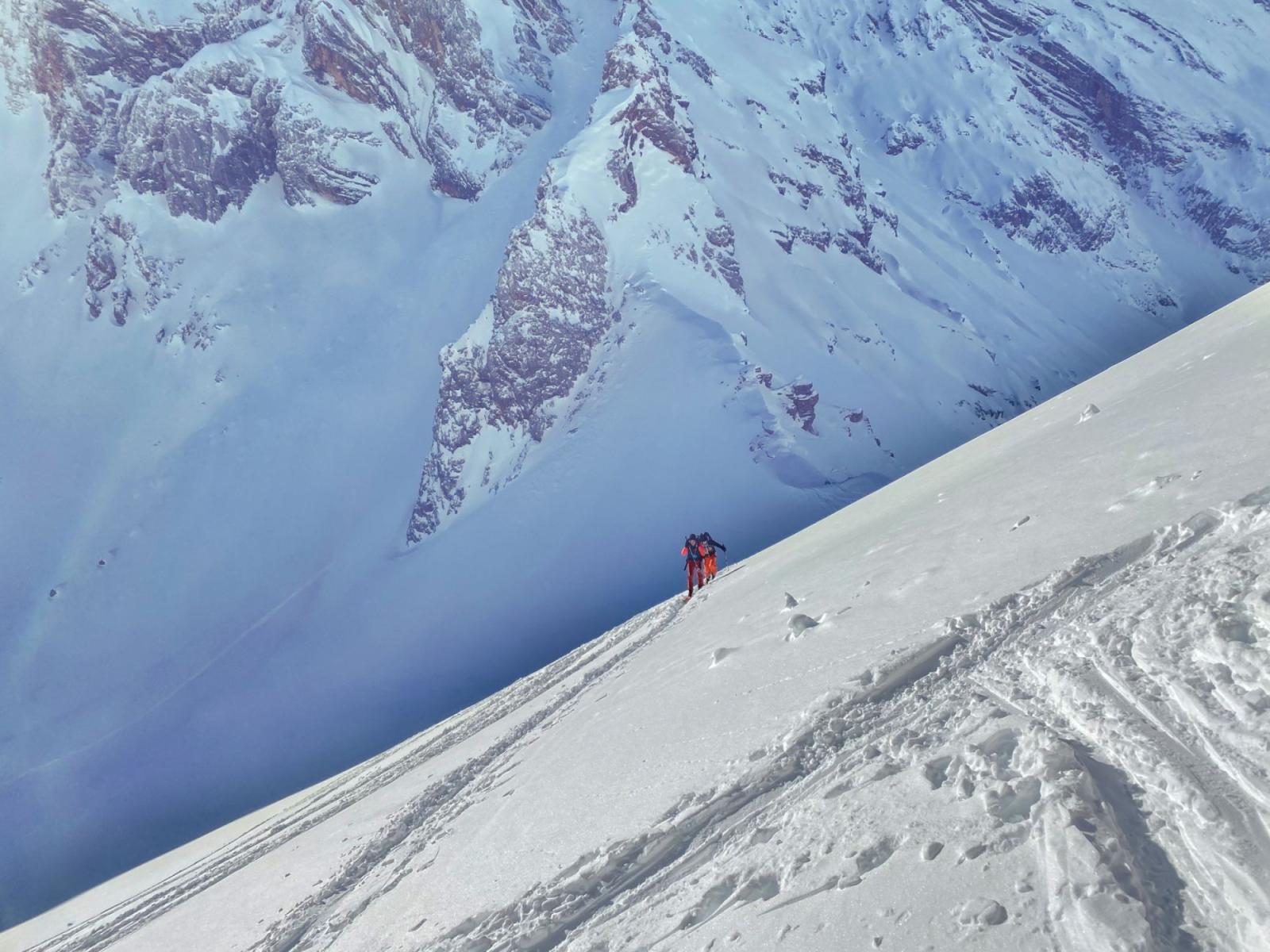
The first turns after an overnight freeze here stick 'on glass'. Before noon the snow has the whisper of fine sandpaper; in the afternoon — softer, scented with resin. In the Izera the terrain leads, and you only read what geology and weather have arranged. Instead of a list of runs, we tell the logic that governs skiing and mountain biking around Świeradowa-Zdroju.
Plateau, peat and inversions: what snow and rubber feel in the heart of the Izera
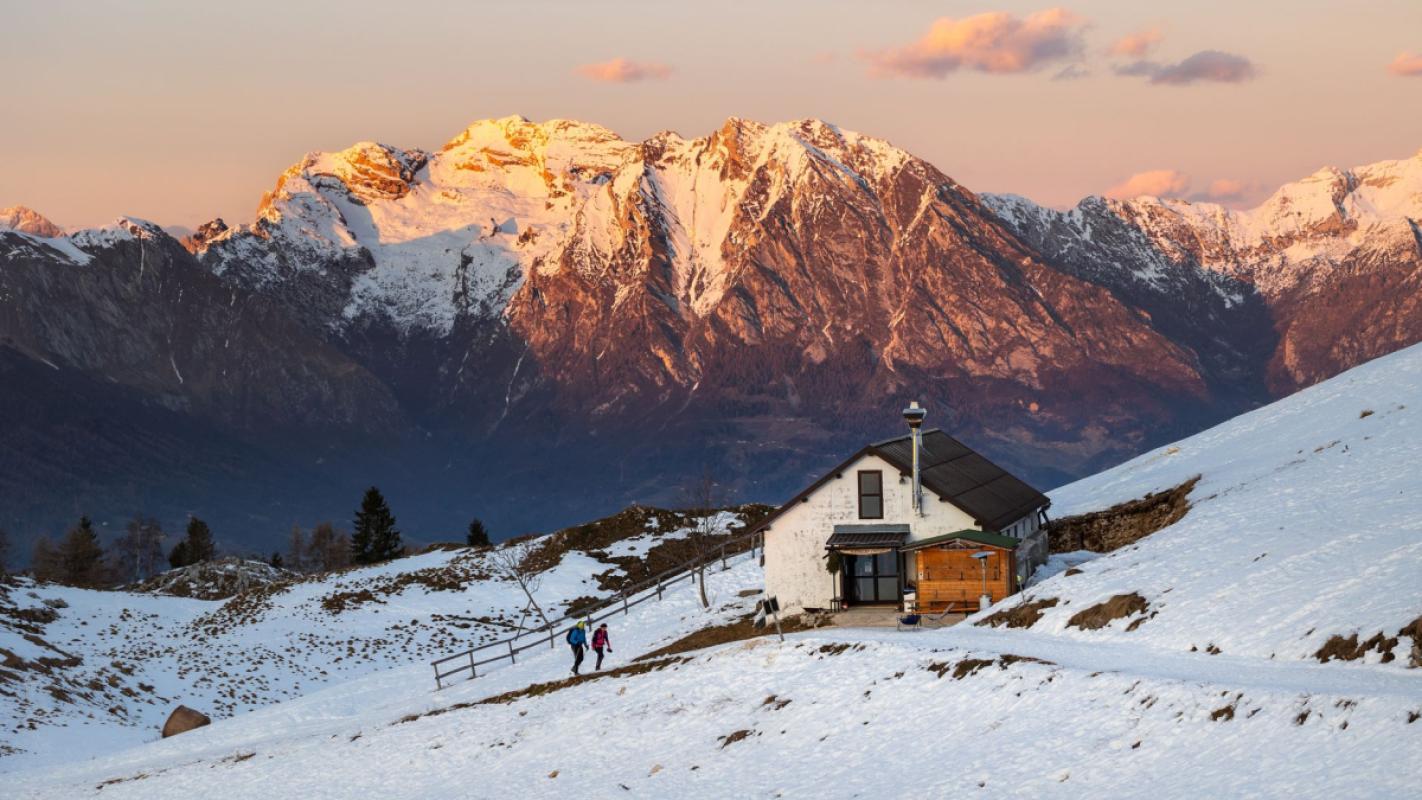
First, the space. The Izera plateau is not sharply sculpted like the ridges of the Tatras. It is a wide, gently undulating table with extensive clearings and the peatlands of Hala Izerska. Here air can lie like in a bowl — cold slides down from the sides of valleys and settles on the flat, which in winter means frequent temperature inversions and long‑lasting frost. The microclimate can be almost subalpine: high precipitation totals, regular snow and frosts even in summer, and snow that can persist for more than half a year[3]. For classic cross‑country skiing this is gold: the profile is smooth, the long, unexhausting waves favour a calm rhythm, and the cold 'preserves' a traditional corduroy surface.
In practice it feels like this: on a morning descent from Hala Izerska the skis glide over a hard, even base that doesn’t collapse into wet pockets; in the afternoon — when the sun only brushes the flat surface of the valley — the snow slowly softens, but the terrain’s shape still enforces long, airy arcs instead of nervous, short sequences. Add the fact that much of the Izera is built of granites and gneisses that weather into sharp, supportive gravel, and you get a stable, well‑draining substrate — friendly both to skis and to narrow trails[4].
Alpine skiing: north Stóg versus Karkonosze Szrenica
Stóg Izerski and Szrenica sit close on the map, but they teach a completely different 'dialect' of turning.
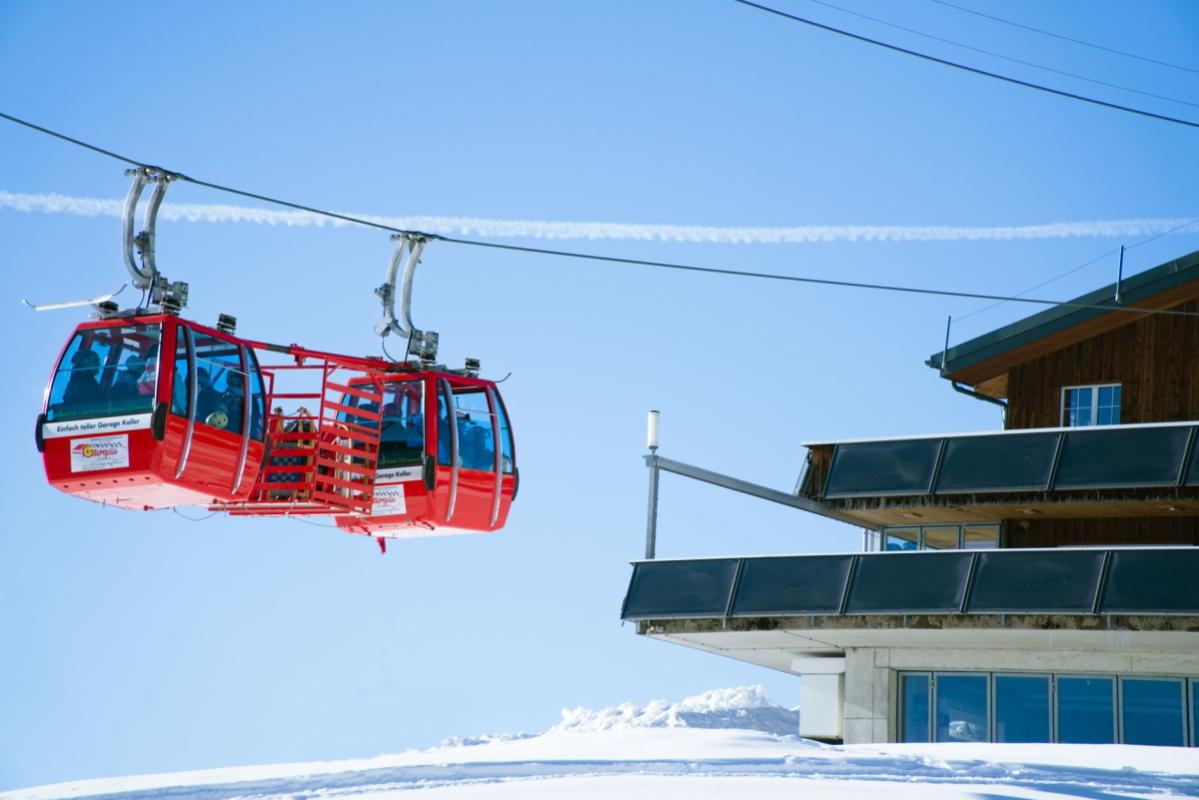
On the Świeradów side the Ski&Sun resort serves primarily the north slopes of Stóg Izerski. The main piste is about 2.5 km long and is a moderately steep, fluid line running from the ridge down — ideal for hunting longer arcs, working the edge under even load and learning tempo without abrupt rhythm changes. The northern exposure helps keep snow longer into the season and keeps it firmer before noon[1]. Most of the run runs through a spruce fringe, which usually reduces side gusts and lets you focus on the precision of the carve. If the forecast calls for wind on the ridge — it’s worth starting earlier; over time the shadows of the trees and the north‑facing slope will reward you with better support.
Szrenica in the Karkonosze is a different terrain game. The piste system here is composed of more varied sections — from gently undulating, long stretches like the red "Lolobrygida" of roughly 4444 m, to sharper segments of an FIS black run, with significant changes of pitch and natural exposure in the parts above the treeline[2]. On exposed sections you typically work shorter turn sequences — so you don’t get 'caught out' on wind‑scoured, harder snow and can adjust edge angles more quickly to changing texture. Where the ground softens and is sheltered by spruce, you return to longer arcs and a smooth radius. A windy day? Choose sheltered lines, keep a tighter radius in reserve and a more central stance over the ski.
How to match style to slope — the essentials
- Looking for long, even arcs and work on fluidity? Choose north Stóg — steady pitch, shade and snow that holds like glass until midday[1].
- Want to practice quick, shorter sequences and reactions to variable snow? Head to Szrenica — long sections interspersed with steeper, more exposed terrain teach adaptability[2].
- When it’s windy, avoid summits and open ridges; keep your line closer to the tree edge, adjust your radius and shorten the loading phase.
Cross‑country: the rhythm of the plateau
Izera cross‑country skiing was born from the terrain, not from the map. Gentle folds of the plateau, wide lowered saddles and natural 'terraces' of the valleys create profiles that make it easy to fall into a hypnotic rhythm: four, five, six breaths on a gentle descent, a long push on the flats, then three shorter ones up a sharper wave. The microclimate of Hala Izerska with frequent inversions and subalpine humidity stabilises the cover — tracks spread more slowly and can usually be reworked on a firm base[3]. When the forecast shows a thaw, aim for the morning and for sections open to airflow — there the snow dries faster. After fresh snowfall choose lines that run through slight depressions: the wind often evens them out and snow settles without cornices.
Narrow trail: one‑way flow and the colours that lead to progress
Singletracks around Świeradów — on the Polish side as Single Track Świeradów, across the border as Singltrek pod Smrkem — are organised by a logic that favours fluid riding and safe progression. At the heart of this logic is directionality (one‑way traffic) and a difficulty scale marked by colours, modelled on ski runs. Key parameters are set from the start: a narrow cross‑section (up to about 1 metre) and a maximum gradient around 5% — these build the 'flow', allowing the wheel not to bog down in excessive steepness and the body to rhythmically pump and link turns section after section[5].
What does that mean in practice? Green and blue are the natural dance lanes: gently banked berms, soft rollers, where you simply 'read the terrain' and learn to look three, four sections ahead. Red already requires active pumping and conscious brake work — shortening braking distance before a berm, opening up on exit. Black does not necessarily mean jumps: it often means a denser rhythm, faster stretches and a smaller margin for error. One‑way traffic eliminates head‑on encounters, and the colours arrange progression from speed control to deliberate use of centrifugal force. The shared trail philosophy on both sides of the border — 'natural but readable' — lets you build a day to warm up on loops near town in the morning and reach for longer, more sporting sequences on the Czech side in the afternoon.
Substrate matters. Izera granites and gneisses weather into a fine, sharp fraction; from that forms a compacted gravel bed that drains well and less often turns into clay after rain. That’s why after a night of precipitation you can often ride here 'lightly', without a battle for grip in the mud. Where the bed is thicker and dry, brake earlier and for shorter periods — rubber likes to 'bite' into harder aggregate, but brake pads can overheat on long, continuous load[4].
Substrate: granite and gneiss — how the ground holds an edge and a wheel
In the Izera geology is not a backdrop but a co‑author of the experience. The southern part of the range is built mainly of granites, the northern of gneisses and schists, creating a mosaic of scree, shallow soils and hard outcrops. On skis you feel this especially on slopes with a consistent exposure: on granite bedrock snow tends to be drier and firmer on cold, clear days, and in spring it releases later on north‑facing aspects. On singletracks the gravel from granite and gneiss provides a stable, 'fast' carpet that sheds water after rain and less often surprises with a clayey mess. That is why Izera trails are known as fluid — built with respect for the natural relief and relying on material that itself 'holds' and does not rapidly degrade under the wheel[4].
Water element: the calm Zalew Złotnicki under the paddle
In the warm months many athletes swap slopes for paddles. Zalew Złotnicki — the reservoir on the Kwisa below Świeradowa — is an impounded basin held by a concrete dam, with a shoreline that meanders between wooded slopes. For a paddler this usually means smaller waves and a more predictable wind 'run' than on large lowland lakes. It’s a good place for technical kilometres on a SUP or in a kayak, especially early in the morning when the water surface can be almost mirror‑flat.
In Poland restrictions on motorised craft on inland waters are introduced locally — by county resolutions. For Lake (Zalew) Złotnicki the use of vessels powered by combustion engines is prohibited, with exemptions for services, reservoir maintenance, fishery management or tourist boats. The Ministry of Infrastructure’s official summary lists both the content of the restrictions and the legal bases (county council resolutions). The status is sometimes the subject of legal proceedings, so before launching it’s worth checking the latest local regulations — best in the county BIP or in the MI register[6].
It all comes together as one lesson: in the Izera it’s the terrain and the microclimate that dictate style. When you understand the north shadow of Stóg, the wind‑scoured crest of Szrenica, the rhythm of the plateau and the hardness of Izera gravel — it’s easier to match the day’s goal to your skills and the weather. Then riding stops being 'ticking off' places and becomes reading the landscape — turn after turn, bend after bend.