Glass trails of the borderlands: on foot to vanished glassworks in the Izers and the Czech Jizerské hory
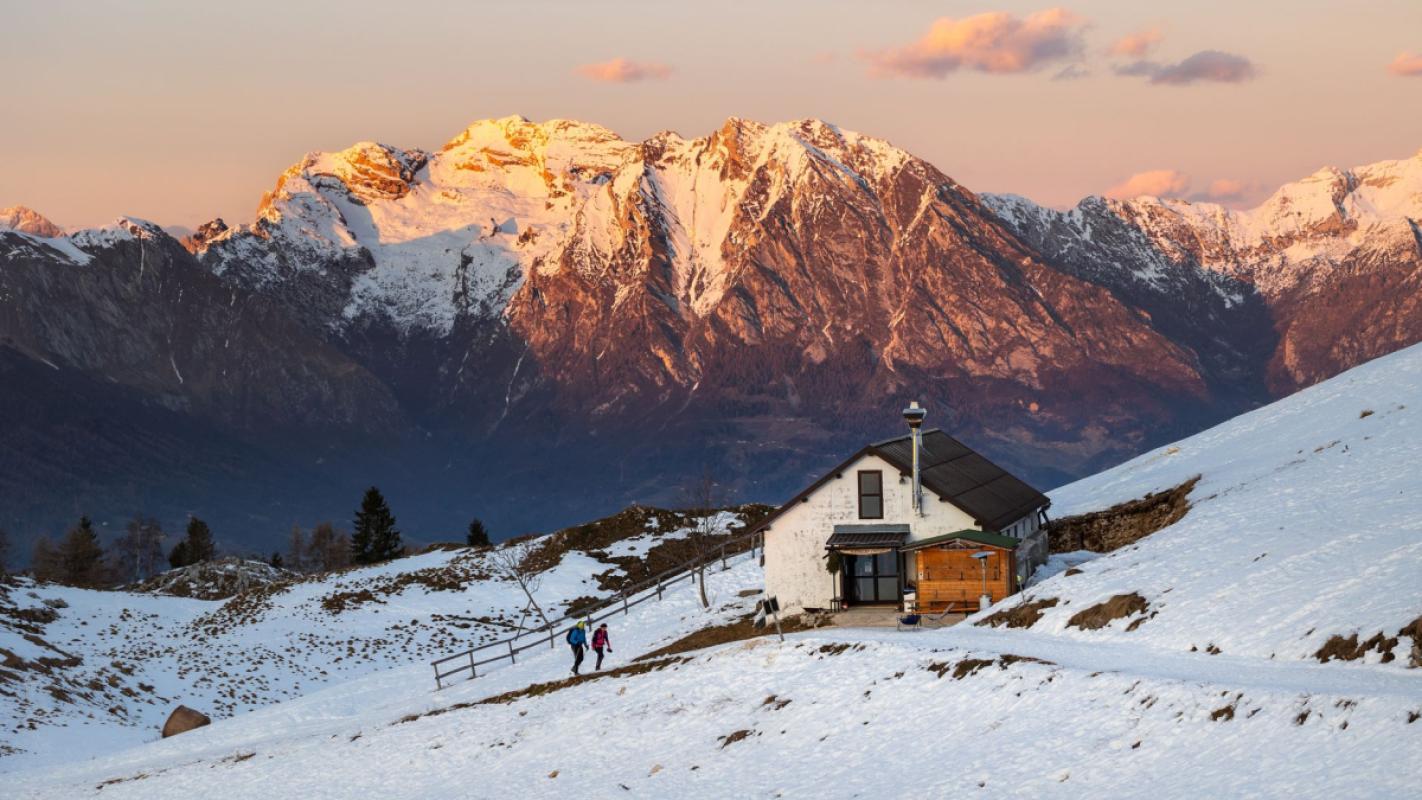
From a base in Świeradów‑Zdrój you can set out on loops that link the raw beauty of the Izers’ peatlands with stories of former glassworks on both sides of the border. Here is a guide to routes to Orle, Hala Izerska, Jizerka and Kristiánov — with tips on where to spot traces of glassmaking in the field and how to travel safely through protected areas.
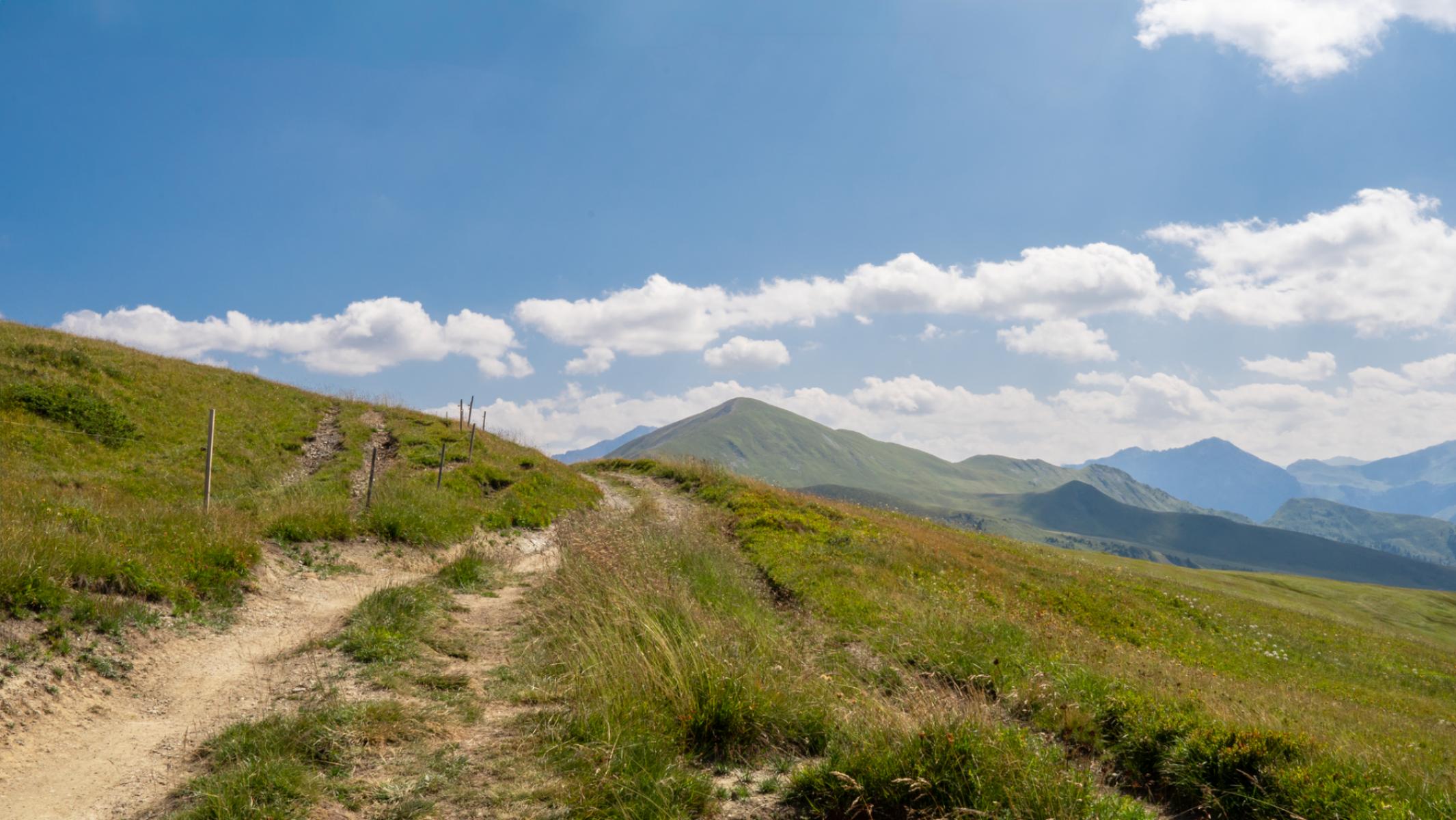
The first step on an Izers path sounds different: soft, springy. Your boot sinks into a litter scented with resin and bilberry, and the air — fresh, carrying the peatland’s moisture — clears the head faster than coffee. These are mountains where landscape and craft have arranged their own story: of glass melted on the ridges, of settlements that no longer exist, and of routes that still cross the border as naturally as the Izera flows.
Why glass? The origin of the phenomenon
The Izers became an ideal laboratory for old glassmakers: wood for fuel, water for cooling and transport, and quartz within reach. From these ingredients grew settlements that lived to the rhythm of furnaces and firings, and today are silent. On the Polish side we look for traces in Orle, a former metallurgical settlement known in the 18th–19th centuries (mentioned, among others, as Karlsthal) — with a glassworks moved here in the mid‑18th century and a later forester’s lodge that today preserves mementos of the glassmakers[2]. On the Czech side the story is told most fully by Jizerka — where a small exhibition about the settlement’s history and glassmaking operates at the former school — and by Kristiánov, a glassworks founded in the second half of the 18th century, with readable remains and a forest cemetery[1][3]. ([de.wikipedia.org])
Traces on the ground: what you'll see and where
At Mała Izera (Jizerka) the museum display is housed in the former school building — a stop that tidies the story before you head out to the wide meadows and up toward Bukovec. You’ll find a narrative about life on the highland meadow, about two periods of operation of the local glassworks and about the craft’s impact on the landscape. Next to it stand former owners’ houses now converted into guesthouses, and on the edge of the clearing a stone obelisk commemorates the former inhabitants[1]. ([de.wikipedia.org])
In Orle the material traces of metallurgy are subtler: hidden in the walls of the old forest house and in a small display by the mountain shelter that stands where production once thrummed. This place also has its own microclimate of memory — quiet in winter, in summer ringing with the clack of runners’ poles and bicycle tyres returning from the Czech side[2]. ([de.wikipedia.org])
Kristiánov has preserved an unusually legible spatial layout: from foundations to the small cemetery where, under mossy stones, lie people connected with the works. In summer a modest open‑air museum operates here in the spirit of an “open book” — with boards and models that help understand the scale of the former plant[3]. ([de.wikipedia.org])
Trails, roads and borders: how to connect the Polish and Czech sides
An excellent axis for walking is the red Główny Szlak Sudecki, which starts in Świeradów‑Zdrój and leads the ridge up to Stóg Izerski and on towards Hala Izerska and Szklarska Poręba. It is the backbone to which shorter spurs into the valleys and toward the border are easy to join[4]. ([de.wikipedia.org])
The heart of the transboundary outings is the Izera valley. The little bridge and the paths on the Orle–Jizerka section allow crossing the border without fuss — today it’s simply a line on the map within the Schengen area, though in the past there was a formal tourist crossing here. On the Czech side access to Jizerka follows old forest roads and the track once used by customs officers and carts carrying glass products. In archival descriptions names such as Karlstaler Steg and “Zollweg” recur, linking Jizerka with Orle and the wider road network toward Szklarska Poręba[1][2]. ([de.wikipedia.org])
In the field navigation is intuitive: on the Polish side well‑maintained forest roads and trail junctions run around Jakuszyce, Orle and Hala Izerska; on the Czech side a dense network of routes waymarked to KČT standards. It’s worth carrying a paper map or an offline file and watching your step — sections on wooden boardwalks can be slippery even in summer after rain.
Loop sketches from Świeradów‑Zdrój
Family loop: Jakuszyce – Orle – Jizerka – Izera valley
- Start from Polana Jakuszycka. A wide road along the tracks and through forest to the Orle Tourist Station — the first pause for tea and a small lesson about glass (check the display).
- From Orle cross the bridge over the Izera and the border — a path through the valley toward Jizerka. On the open meadow the horizons do their work, and by the former school waits a compact glassmaking museum.
- Return the same way through the valley or, optionally, close the loop via the clearing at Hala Izerska and the Chatka Górzystów, then descend back toward Jakuszyce. Choose the pace to the weather and company; off‑road prams and small backpacks will serve better than kilometre‑chasing ambitions.
Ridge loop: Świeradów‑Zdrój – Stóg Izerski – Hala Izerska – Orle – Jizerka – Rozdroże Izerskie
- Set off on the red GSS from under the Spa House and climb to Stóg Izerski — spruce, smrek and the wind put on their own concert here. In winter crampons are useful; in summer a windproof jacket.
- From Stóg descend toward Hala Izerska. On the floor of the “basin” the light lies low, and the grasses and peatlands remind you this is a fragile organism — keep to the designated route.
- Then on to Orle and across the border to Jizerka. Close the loop via Rozdroże Izerskie and descend to Świeradów (or return by bus from Jakuszyce if the day has grown longer than you planned).
Glass chains on the Czech side: Jizerka – Kristiánov – Nová Louka (advanced variant)
- This is a proposal for walkers with steady fitness and good orientation. From Jizerka head toward the forest roads leading to Kristiánov.
- On site take time for the boards and a careful reading of the landscape: foundations, furnace relics, the small cemetery. It’s an in situ open‑air museum — do not climb on walls, do not step into vegetation beyond the path.
- Return via Nová Louka and back to Jizerka, from where it’s easy to drop down to the Izera and back to Orle. If the weather turns, shorten the variant and retrace your steps.
Nature and the ethics of walking: peatlands, CHKO and Natura 2000
On the Czech side almost the entire massif is covered by the CHKO Jizerské hory — the equivalent of our landscape park — which imposes clear rules of conduct: stick to waymarked roads, respect quiet and habitats. On the Polish side the extensive Izers peatlands form the Natura 2000 habitat protection area “Torfowiska Gór Izerskich” (PLH020047). These are not mere formalities: they are concrete requests to stay on the boardwalks, not to walk on the grassy domes, to keep dogs on leads during nesting, and to avoid drones where they may disturb birds[5][6]. ([en.wikipedia.org])
On the bogs everything happens slowly. Drop by drop, hummock by hummock, over years. One badly placed boot off the boardwalk can destroy more than the eye can see. That is why the most beautiful frames of the Izers’ meadows are taken… from the right path.
Planning and safety
- Map and weather: changeability is the rule — fog can "come down" in fifteen minutes, and wind on the ridge can cut the cheeks even in August. Take a map with contours (offline on your phone plus a paper backup), a headlamp and a jacket.
- Border without barriers, with ID: the Orle–Jizerka crossings and the valley paths are inside the Schengen zone; there are usually no controls, but it’s worth having identity documents to hand[2].
- Boardwalks and winter traps: rain, ice and frost can turn wet boards into a sheet; in winter remember the short day and — if it’s your season — don’t walk on groomed ski tracks.
- Respect for places of memory: the cemetery in Kristiánov or the boards by former glassworks are not props. Stop, read, move on. Leave only footprints behind.
This walk has another value that maps do not show. It links the order of the landscape with the history of work. When you stand on the bridge over the Izera and watch how the current is made of two banks, it’s easier to understand the old glassmakers: that first there was a place, then a route, and finally a story. Today you can add your chapter to it, walking lightly and attentively.
Practical notes on the route: Główny Szlak Sudecki (red) starts in Świeradów‑Zdrój[4]; Orle is a former glassmaking settlement with a small display[2]; in Jizerka an exhibition operates at the former school, and in Kristiánov — a summer open‑air museum and a cemetery[1][3]; the Czech part of the massif is protected as CHKO Jizerské hory, and the Polish peatlands are in the Natura 2000 area PLH020047[5][6]. ([de.wikipedia.org])