Black grouse, boreal owl and their neighbours: an ethical guide to the wildlife of the Izera and Karkonosze Mountains
A slow-travel field guide to watching wildlife around Świeradów‑Zdrój—black grouse, pygmy and boreal owls, dragonflies and peat‑bog amphibians—without flushing birds or breaking park rules. Learn where to stand, when to go, and how water and a cool microclimate shape the Natura 2000 peatlands of the Izera valley.
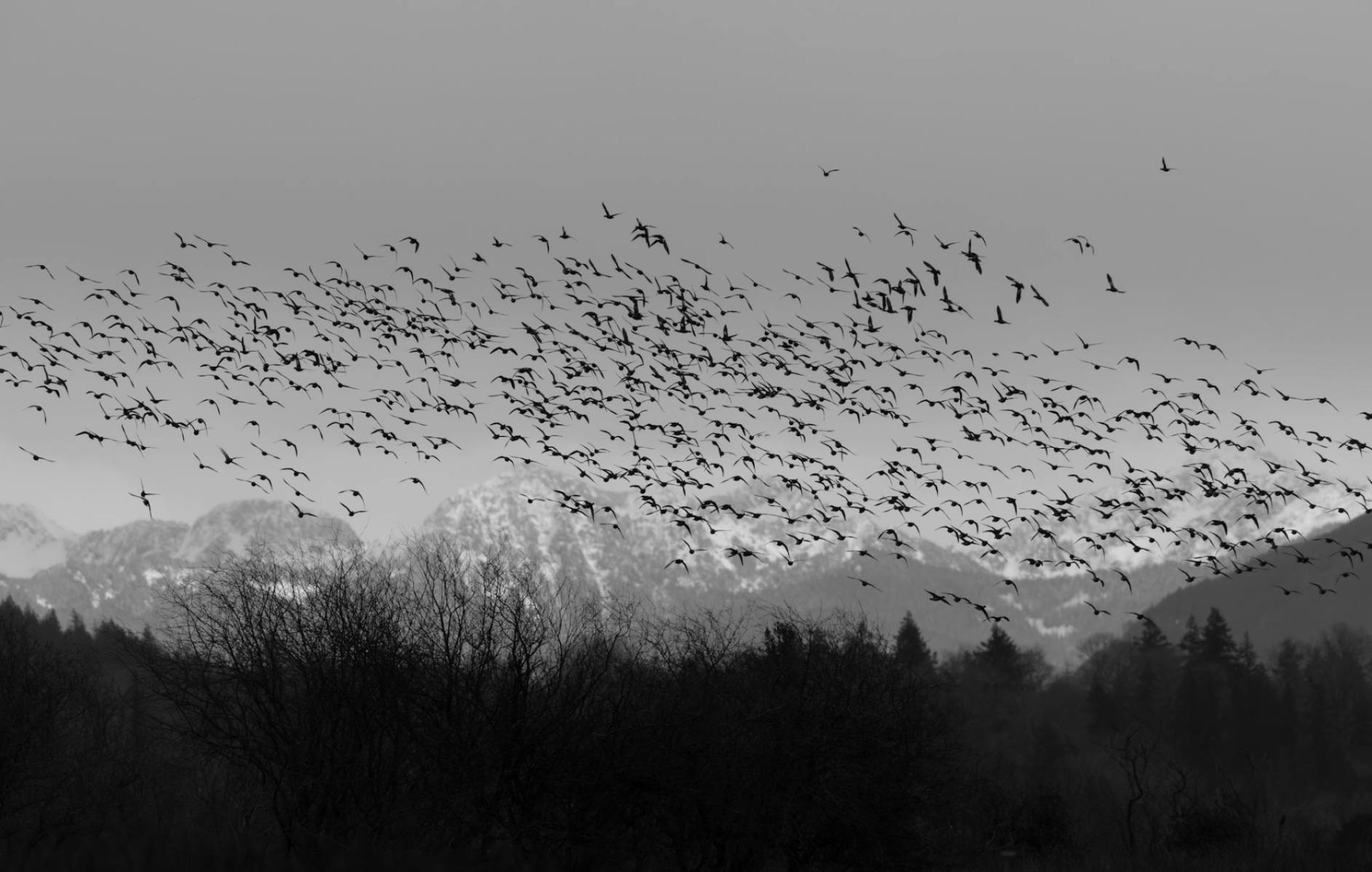
The first thing you notice on a still Izera morning is the sound of water you can’t see. It is everywhere—wicking through Sphagnum, whispering under cotton‑grass, collecting in the slow black channels that give off a tang of iron and resin. Sunlight skims the bog pools, a snipe flickers up, and the meadow opens into a sky big enough to make you drop your voice.
This is a guide for people who love that hush. For visitors who want to read the signs—wingbeats, silhouettes, a single call at dusk—without pushing birds from their roosts, cutting switchbacks, or turning a quiet lek into a spectacle. The Izera Mountains and their Karkonosze rim hold one of Central Europe’s most evocative highland marsh landscapes, protected as the Natura 2000 site “Torfowiska Gór Izerskich” and, together with the neighbouring bird area “Izery,” also recognised within a transboundary Ramsar wetland shared with Czechia.[2]
Where cold water rules: the Izera peatlands
Stand on the edge of Hala Izerska and you feel how the valley works. Night air drains from the ridges and pools in this shallow bowl; mornings stay cool long after the peaks above have warmed. The ground is a sponge of living mosses layered over centuries of saturated growth. In places the turf is tight and springy; in others it heaves, quakes, and swallows boot prints in a way that should be warning enough. What looks like pasture is, in fact, a high bog and its satellites—raised, transitional and poor fens—stitched together by slow water.[2]
Much of this mosaic forms the core of the Natura 2000 Special Area of Conservation known as “Torfowiska Gór Izerskich” (site code PLH020047). Its twin, the Special Protection Area for birds “Izery” (PLB020009), sweeps the broader uplands and forest edge. Together they shelter northern, cold‑loving communities—crowberry on acid hummocks, sundews glittering like pins in brown water, dwarf willows tugged low by snow and wind—and the animals that thread these niches.[2]
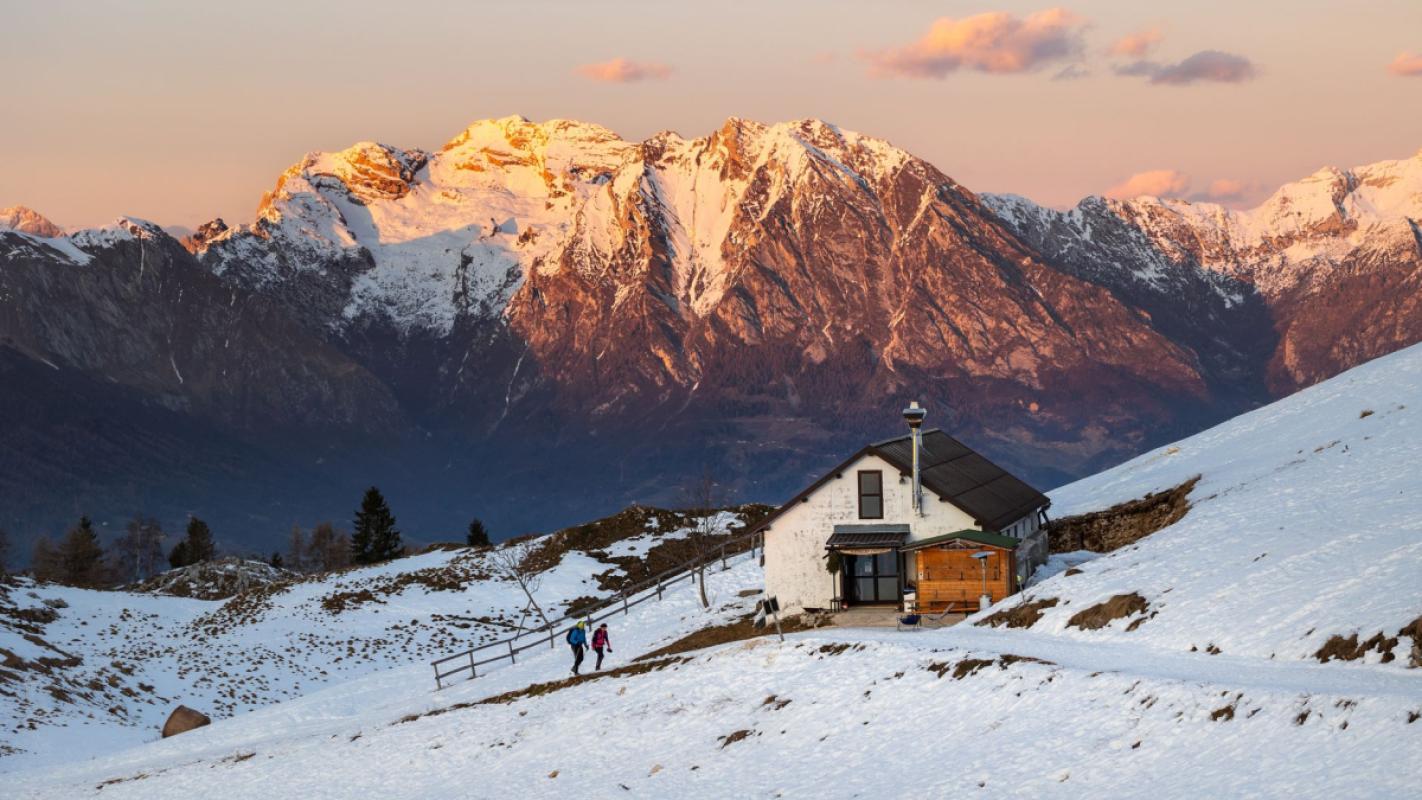
Hala Izerska itself, the broad, open meadow at the heart of the valley, is crossed by waymarked trails and anchored by the lone mountain hostel that survived the clearing of the old Groß Iser hamlet, today’s modest Chatka Górzystów. From these marked paths you can look over the bog lawns, the meanders of the Izera, and the dark comb of spruce beyond without ever stepping off the durable tread. That is the point.[5]
Flagship species—and how to notice them without getting too close
Black grouse: the early hush
In the Western Sudetes, the black grouse (Tetrao tetrix)—cietrzew in Polish—still finds pockets of open bog, young birch and spruce edge. Karkonosze and the Izera uplands remain significant refuges for this declining bird, with local nesting also recorded in surrounding state forests.[3] If your spring visit overlaps the lekking season, resist the urge to “go see” before sunrise. The safest way to experience a lek is indirectly and at a distance: stand on a ridge or forest edge well away from the open lawns, listen for the soft bubbling and brief hisses that carry on still air, then move on. Leks are traditional sites used for years; one flushed morning can cost a brood you will never see.
Midday, when the birds rest and feed quietly, is better for a walk on Hala Izerska’s waymarked routes. You may find a neat scuff where a cock dust‑bathed, droppings under a birch, a split secondary feather snagged on heather. Let field signs, not proximity, do the work.
The owls of the spruce belt
At the seam where bog meets spruce, two diminutive hunters keep the uplands alive at dusk. The Eurasian pygmy owl (sóweczka) is small, fierce and sometimes vocal in the last light; the boreal owl (włochatka) calls later, a steady metronome from a dark, cool stand. Both species are part of the Karkonosze–Izera bird assemblage, breeding in old woodpecker cavities and hunting along clearings, streamlines and the ragged borders of windthrow.[3]
Ethical owl watching begins with your clock and your feet. In Karkonoski Park Narodowy (KPN) you may be on the trail from dawn to dusk only—dawn starts one hour before sunrise, dusk ends an hour after sunset—and you must remain on marked paths.[1] That still leaves a lovely window of crepuscular light. Walk quietly, stop often, and let the forest come back around you. Do not use playback; an owl that spends ten minutes responding to your phone is ten minutes not feeding a brood.
Amphibians and the quick, bright air of the bog
When sun takes the chill off the lawns, the bog pools come alive. Common frogs thread the margins; dragonflies slice low over the water with a faint click of wings. This is the time to linger by a bridge or a culvert and watch without stepping off the gravel. Raised bogs look tough from a distance; up close they are a thready skin. Your best fieldcraft here is restraint.
The rules that protect the quiet
There are two parks to think about as you plan: KPN on the Polish side and KRNAP (Krkonoše National Park) across the Czech border. The rules are simple, and they matter.
- In Karkonoski Park Narodowy, tourism is daytime only—between one hour before sunrise and one hour after sunset. Stay on marked trails; cycling is allowed solely on designated bike routes; and bringing a dog is permitted on some trails only, and always on a lead. Drone flights require prior authorisation by the Park Director and are otherwise prohibited within the controlled airspace over the park.[1]
- On the Czech side, KRNAP’s “quiet areas” limit movement strictly to waymarked paths; these zones now structure how people move more than the old three‑zone protection system did. The two parks function together within UNESCO’s network of transboundary biosphere reserves—so think of the ridge as one ecological unit and behave accordingly.[4]
Read beyond the signs. In peatland country, the rule of thumb is that a boardwalk, bridge or trail is not a suggestion: it is the line. In bird season, avoid dawn loitering on open bog edges and known clearings where grouse display. If you travel with a dog, choose lower, forested routes where dogs are allowed on leads and where a single shake will not send skylark and pipit nests over the edge. Keep headlamps dim—red is best—if you finish at dusk. Turn off camera geotagging before you photograph an owl at a cavity. Leave night to the night shift.
Gentle vantage points around Świeradów‑Zdrój
A few places let you learn a landscape without leaning on it. None of them require you to leave a marked path.
- Hala Izerska (Izera Meadow). From the approach via Polana Izerska or the blue, red and yellow trails that cross the meadow, you can scan wide without stepping on the bog’s living skin. Early and late light paints silhouettes cleanly; the wind carries sound in long, cool strands. The Chatka Górzystów mountain hostel—today the only surviving building of the former Groß Iser—sits within easy walking distance of these crossings and makes a natural turnaround or a place to let the day stretch.[5]
- Stóg Izerski (Heufuder) ridgeline. Reach the crest on foot and follow the marked trail along the open shoulder near the PTTK hut. The airy vantage above the spruce belt is good for scanning the meadow’s edge and watching raptors work the thermals over the valley while your boots remain on solid tread. On breezy days, sound thins; let the glass (not the feet) do the closing.
- Szrenica and the high Karkonosze paths. Within KPN, the stone‑laid sections of the main ridge give drama without intrusion: wind, granite, the long sigh of dwarf pine. This is also where rules tighten—keep to the path for your sake and the cushion‑plants’—and where the day‑only window is both a safety net and a courtesy to wildlife.[1]
Elsewhere on the frontier, Czech quiet areas and marked tracks across high moors allow you to look into the peatland world from firm edges. Treat every side trail as off‑limits unless it is signed. The best wildlife images start with what you do not do.
Start in town: Izerska Łąka Ecological Education Centre
Świeradów‑Zdrój has a better starting classroom than most mountain towns. The Izerska Łąka Ecological Education Centre in Czerniawa‑Zdrój is a small, wood‑scented pavilion that makes the region’s story tactile: the plants and invertebrates of the meadows, the physics of a dark Izera sky in winter, a live observation hive that lets you step into the summer hum without a single sting. It is the right place to tune your ear before you go—how to separate a pipit from a lark by gait, how to map a frog chorus to the hour, what “peatland” really means in plant parts and water tables.[6]
Drop in before your first walk. Ask what is breeding now and which routes give you the most for the least footprint. Ethic is habit; a good centre helps you build one.
Fieldcraft that endures—ten habits to travel by
- Plan with a map and the rules open on your screen. Know where you can cycle, where a lead is required, and when the day begins and ends.[1][4]
- Time your visits for midday in sensitive spots during the nesting season; save your dawns for ridges and forest tracks far from open bog lawns.
- Carry optics that increase distance, not bravado: a small scope or 10x binoculars beat one more step off‑trail.
- Never use playback. If you must confirm an owl, wait, watch and map the call to habitat instead.
- Keep drones at home. In KPN they require explicit permission; over quiet peatland any buzzing is a breach of the social contract even where the law is silent.[1]
- Hold group size to human, not herd. One person listening beats five talking; ten minutes of stillness beats any checklist.
- Read ground signs as stories, not invitations: feathers, casts, tracks, dusting bowls. Photograph in place; do not trace them to the nest.
- Choose wind. A moving day masks your scent and sound; a dead calm carries every scrape to a lek.
- Log your sightings without pin‑drops for sensitive species; share locations with care.
- End on the trail you started on. In peatland country, the straight line is the wrong line.
On the map, these mountains look busy—border posts, spa towns, gondolas nudging ridges. On foot, they are something else entirely. A valley that hoards night cold into late morning. A black grouse you only know because the air briefly bubbled and you did not move. A boreal owl that saw you first. The ethic here is light and local: learn quickly, stay soft on the land, and leave the hush the way you found it.