Treatment on a Plate: How to Read Świeradów‑Zdrój’s “Spa Cuisine”
In Świeradów‑Zdrój the treatment begins with a sip — a radon‑iron water in the Hala Spacerowa — and ends with an evening breath by the graduation tower in Czerniawa. This guide explains how that translates into “spa cuisine”: cooking techniques, menu choices and a daily schedule that genuinely supports healing.
The first thing you notice in the morning in the Dom Zdrojowy is the resinous, sweetish scent of wood and the cool air of the great Hala Spacerowa. Light filters through the stained glass, and conversations blend with the rustle of footsteps. In the glass — gently sparkling, slightly tart water with a hint of iron. This is where the Świeradów treatment begins: with a sip, not a meal.[1]
The taste of the spa in a glass: what you’re really drinking
Świeradów‑Zdrój is known for radon and iron waters used in drinking cures, baths and inhalations. In the mineral water pavilion located in the heart of the Dom Zdrojowy’s Hala Spacerowa, local acidulous waters (szczawy) are served. The municipal website states that the pavilion operates daily (it’s advisable to check current opening hours before visiting), and the hall itself — with the most famous solid larch interior in Lower Silesia — is 80 meters long.[1]
The character of the local waters is best explained by the description of the intake from borehole P2: it is a mineral bicarbonate‑magnesium‑calcium szczawa żelazista — hence both the mild acidity and the tingling effervescence (natural carbon dioxide), and the subtle metallic note in the taste.[3] Radon, present in some of Świeradów’s springs, is a therapeutic agent administered only under medical supervision; the local spa operator conducts radon inhalations and baths using licensed waters, and drinking cures are part of the treatment programme.[5]
If after your morning portion you want to treat the cure as a strolling ritual, step out onto the promenade. On Zdrojowa Street you can find three stylized “poidełka” — public little springs whose heart is a CO2 gas separator. The installation works without pumps, thanks to a solution known as stream self‑excitation; it’s a local technological curiosity on a national scale.[2]
Spa cuisine, meaning more than “wellness”
“Spa cuisine” is not a trendy fad but part of therapy. It differs from hotel “wellness” in that meals are planned for specific medical indications, not just seasonal guest preferences. In practice this means menus devised by a dietitian and a physician, with macro‑ and micronutrient proportions aligned with treatment goals (from the digestive tract to glucose metabolism).
Sanatoria in Świeradów offer diets such as easily digestible, reduced‑simple‑carbohydrate (diabetic), gluten‑free, dairy‑free and low‑purine; selected variants can also be provided commercially after consultation with a dietitian.[4] The key is technique: boiling, braising, baking in an oven or steaming; avoiding frying and heavy thickeners. This is cuisine that soothes and regulates — not sensationally “detoxes”.
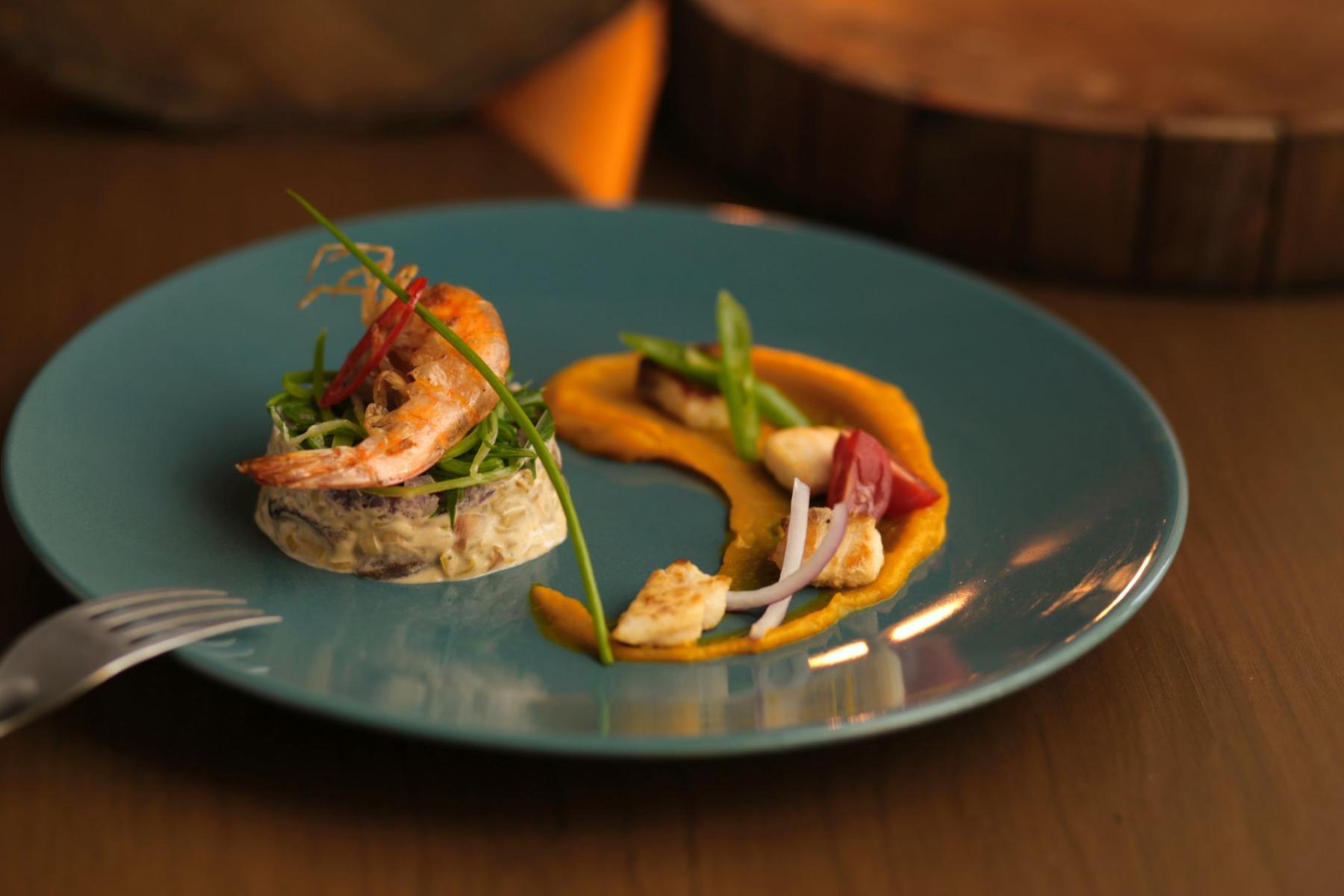
Imagine a plate arranged like a light chord, not an orchestra: delicate groats, vegetables with a soft texture, lean protein prepared without a browned breadcrumb coating. The flavour should be clean, the texture friendly to the stomach. On days with intensive radon or peat treatments, this kind of menu allows the body to respond calmly to stimuli.[5]
A daily plan that really works
Morning: drinking cure and a gentle pace
Start the day in the pavilion. Sip the water slowly, following the doctor’s recommendation (often — before breakfast). Move the ritual into the Hala Spacerowa: a slow walk along the larch spans makes a difference — breathing evens out and the body shifts into “spa” mode. The pavilion and the hall have set opening hours; it’s worth checking them just before your visit.[1]
Noon: a light lunch
The basic option is a portion of smooth‑textured soup, a main course with lean protein (chicken, turkey, freshwater fish) and a side of groats or potatoes, plus cooked or stewed vegetables. If you follow a diabetic diet, rhythm and portion size are key: five smaller meals a day, without a surge of simple sugars and trans fats.[4] In the sanatorium menu spices are present but do not dominate — they enhance flavour without irritating.
Afternoon: walk, hydration, a small snack
The town has several green stages, but it’s the Park Zdrojowy — greenery right in the centre — that most easily fits the day’s rhythm. If you’re in the Czerniawa‑Zdrój quarter, add a visit to the saline graduation tower to your afternoon plan. City events “by the graduation tower” are the best proof that this is today one of the favourite spots to spend time in this part of the spa.[6] A short walk, a bench, a few minutes of salty‑humid air — then back for a light afternoon snack.
Evening: a gentle finish to the day
Dinner should close the day without burden: warm vegetables, rice, boiled or steam‑baked protein dishes. If you are being treated for digestive disorders, avoid raw, tough vegetables late in the evening; in an easily digestible diet they are treated as an accompaniment, not a foundation. Returning from a concert in the Hala Spacerowa or a walk on the Dom Zdrojowy terraces, you’ll feel how well this fits the place’s rhythm.[1]
How to read a menu: a spa‑goer’s guide
Menus in a spa can be surprisingly simple — and that is their strength. Here’s what to look for so your plate works in your favour:
- Cooking technique: choose dishes labeled “cooked”, “braised beef”, “baked in the oven”, “steamed”. Avoid items marked “fried”, “breaded”, “in clarified butter” — especially on an easily digestible or diabetic diet.[4]
- Soft textures: creamy soups, cooked vegetables, fish without a crust. This is a gentle base for mucous membranes and the stomach.
- Carbohydrates understood: fine groats, rice, potatoes. If you follow a diet limiting simple carbohydrates, ask about whole‑grain bread and the glycaemic index of accompaniments.[4]
- Hidden fats: fried cracklings, heavy roux, cream sauces — discreet enemies. In spa cuisine sauces are clarified with stock, not cream.
- Local flavours in a “light” version: spruce extracts and infusions, apples and plums from Sudeten orchards, mushrooms — in moderate amounts and after heat treatment. Locality does not mean heaviness.
- Meal rhythm: if you’re undergoing a sanatorium programme, stick to the times and volumes agreed with the dietitian. “Little and often” is often more effective than “once and big”.[4]
In the spa canteen or a city restaurant ask for a simple modification: cooking instead of frying, sauce on the side, vegetables served stewed. Świeradów is used to such requests — it’s part of the local culture.
Why Świeradów? Radon, iron and a culture of healing
Świeradów‑Zdrój is one of the few European spas that uses radon in balneological treatment — from inhalations, through baths, to controlled drinking cures.[5] This follows from the local geology and the history of spring exploitation. Within the town there are various intakes with slightly different “characters” of water; the common denominator is the dominance of bicarbonate, calcium and magnesium ions, often with iron.[3]
On the town map it’s worth marking a few points that make up the daily ritual of the cure. The Dom Zdrojowy — a historic building rebuilt at the end of the 19th century — is the spa’s heart with its pavilion, promenade hall and long terraces. Here it’s easiest to understand that a spa is not an “attraction” but a regimen of care for the body — soft, quiet, consistent.[1] On the other side of town, in Czerniawa, a walk by the saline graduation tower is a reminder that treatment can also be a matter of air — salty, humid, sprayed into a mist that settles on the skin like a sea breeze.[6]
Completing the picture is the “spa cuisine”: invisible at first glance, yet decisive for how the body will respond to stimuli from water and air. Its strength lies in simplicity and repetition. Instead of trendy “detoxes” — slow regulation. Instead of “instant” effects — a habit that stays with you after you leave.
Leaving the pavilion, you might pause at one of the Zdrojowa fountains — the steel water Seeps in a steady rhythm, and the figures of a lady, a gentleman and the deity Flins keep watch over a ritual that immediately becomes an ally. Świeradów teaches you to eat and drink so as not to hinder your own recovery. The rest — a long walk, a handful of light in the Park Zdrojowy, a few deep breaths by the graduation tower — comes naturally.