Sudeten Spa Atlas: how Bad Flinsberg fits the mountain web of “Bads” and lázně
Across the Sudetes, a chain of historic spa towns shares the same bedrock and weathered wisdom. Here’s a clear, evergreen map of their waters—from Świeradów-Zdrój’s radon and peat to the carbonic springs of the Kłodzko Valley and the thermal heart of Cieplice—and how to braid them into one thoughtful journey.
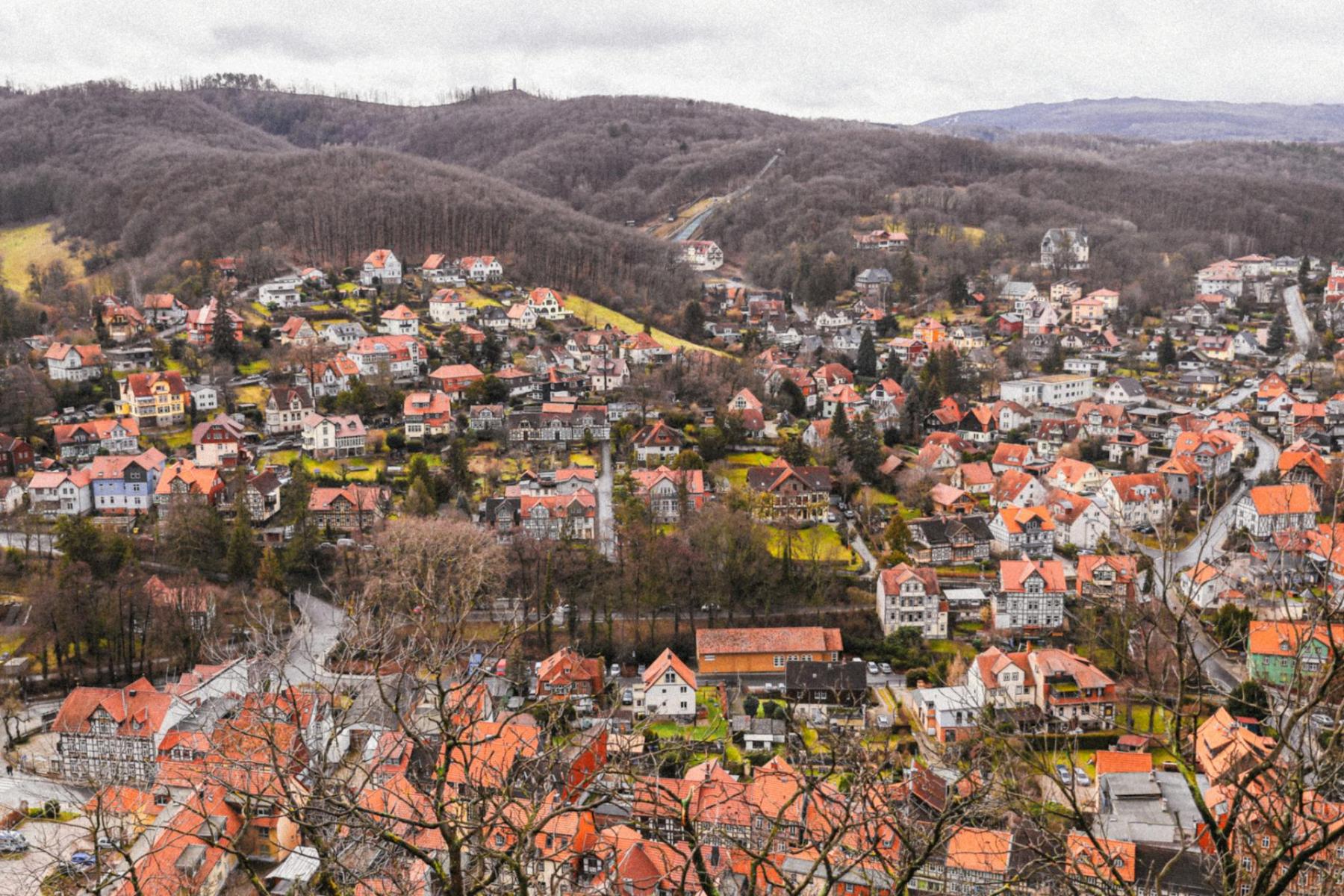
The first thing you hear is water. Not the rush of a river, but a softer interior sound—water falling inside timbered colonnades, glasses clinking in pump rooms, a hush that belongs to tiled floors and high, echoing halls. Step outside and the tune changes to wind working the spruce, a resin note in the air. This is the Sudeten soundscape of cures: a mountain arc of old Bads and lázně stitched together by geology and habit.
Świeradów-Zdrój—once Bad Flinsberg—sits right in this weave. Its glass-roofed promenades and green spa parks seem made for unhurried days, but the town also faces outward, across ridges and borders, toward sister resorts that share the same rock and the same rules of water. Look up from the cup in your hand and the map unrolls: west to the Izera bogs and Smrk, south toward the Czech lázně of Libverda, east to the Kłodzko Valley’s carbonic springs, and north to the thermal heart of Cieplice. The Sudetes, it turns out, are best read as a network.
A mountain web of baths
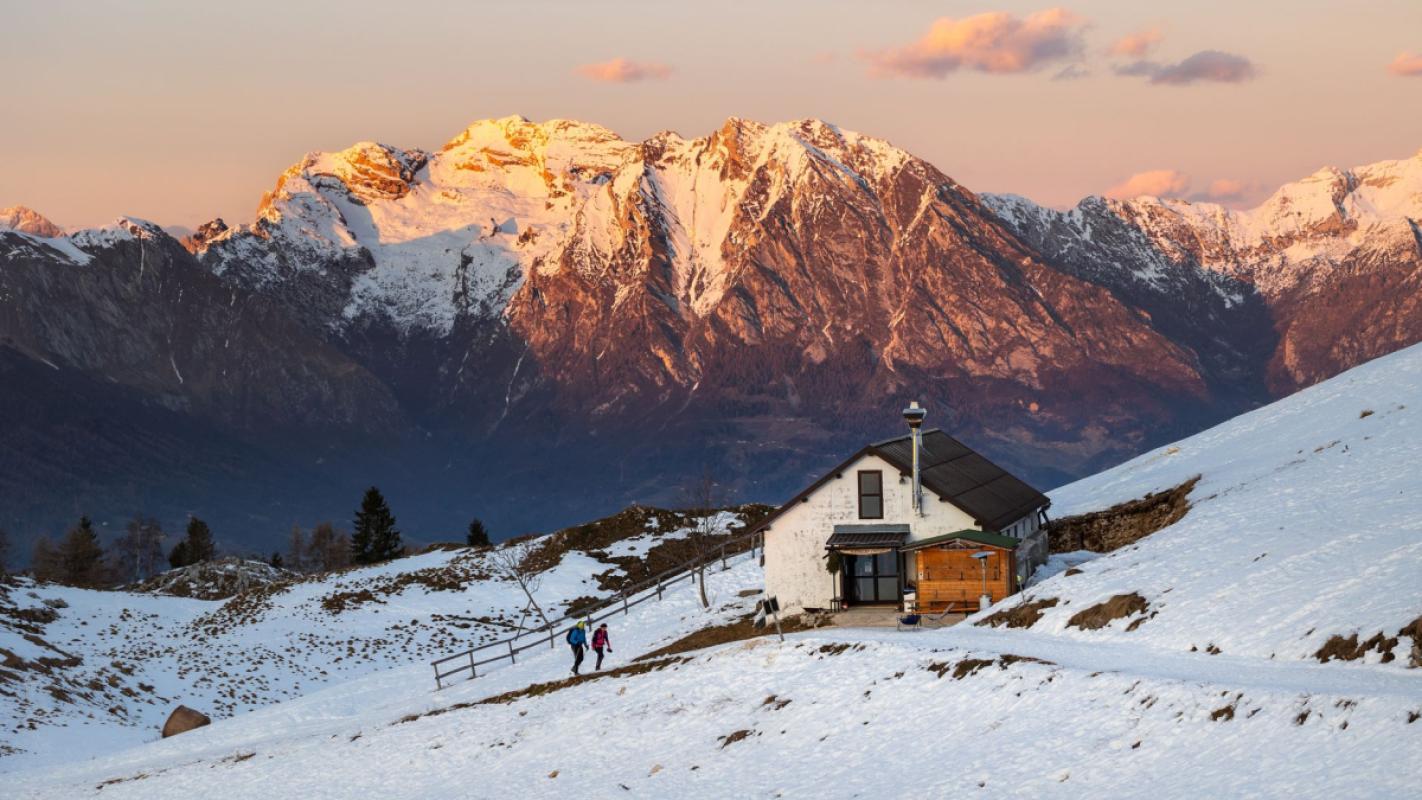
Stretching along today’s Polish–Czech border, the Sudetes are less a single wall of mountains than a sequence of massifs and basins. In their western reaches, the Izera (Jizera) Mountains carry long, forested spines broken by treeless domes and upland peatlands; here Wysoka Kopa crowns the range on the Polish side, while just across the border Smrk holds court over the Bohemian ridge.[1] Down in the Kwisa valley—Świeradów’s home ground—the habits of curing were learned early and kept. The town’s own story is soaked in mineral waters, radon treatments and mud baths offered from a late‑19th‑century spa house; the very name Bad Flinsberg lingers in the woodwork.[2]
Follow the ridge west and south and you cross lines on a map but not a worldview. Lázně Libverda lies under the same mountain shoulder as Świeradów, its neoclassical pavilions surrounded by beech woods and cool air with a silver smell after rain.[5] Eastward, the Kłodzko Valley gathers three famous resort towns—Kudowa-Zdrój, Duszniki-Zdrój and Polanica-Zdrój—whose sparkling waters have been poured and prescribed for generations. To the north sits Cieplice, a district of Jelenia Góra, whose very name proclaims what bubbles below: heat.[6]
What’s in the water: reading the Sudeten palette
Radon and peat: Świeradów–Czerniawa
Not all curing waters feel the same on the skin. Świeradów’s calling card is a pairing: naturally radon‑bearing waters and local peat (borowina). Treatments here have long combined radon baths and inhalations with peat wraps and spruce‑based therapies.[3] In geological terms, Świeradów’s “signature” waters are a classic Sudeten blend—acidulous (naturally carbonated) waters from depth mixing with shallower, low‑mineral waters carrying radon. The cocktail is a fault‑zone creation, born where big fractures cut through gneisses and schists in the Izera block and allow gases and waters to trade places underground.[4]
Walk the town and you can taste the thinking that went into it. The great timbered promenade hall tips light onto greenery, and pump rooms fold social life around the act of taking the waters. You’ll notice two names recur in local lore: Świeradów itself and Czerniawa-Zdrój, now a district. Both share the same mountain pantry; both still borrow from peat and radon as part of their spa grammar.[2][3][4]
Carbonic springs: the Kłodzko trio
East and a little south, the Kłodzko Valley’s famous trio—Kudowa, Duszniki, Polanica—sits on a tangle of faults and a seamwork of rocks that trap and guide natural carbon dioxide. Here the waters are “acidulous”: lively, naturally sparkling, rich in dissolved CO₂ and minerals. Geological studies tie their character to deep‑circulating waters rising along dislocation zones and mingling with shallower flows in schists, sandstones and—at places like Jeleniów near Kudowa—even in warm, deep wells.[4] When you sip from a beaker in these towns, you’re drinking geography.
Thermal springs: Cieplice’s heat
Northwest of the Kłodzko bowl, at the foot of the Giant Mountains, Cieplice Śląskie‑Zdrój has shaped its identity around warmth. The springs here are thermal—among the hottest exploited in Poland—and their use is documented across centuries of spa practice in the town once famed throughout Silesia. Modern descriptions underline both the temperature and the chemistry of the waters; in this corner of the Sudetes, heat itself is a resource.[6]
On the shoulder of Smrk: Świeradów and Lázně Libverda
Stand in Świeradów’s Spa Park and the skyline makes a kind of promise. The nearest high point across the border is Smrk—a dark dome of spruce and wind-scoured stones, crowned by a lookout. The mountain is the highest on the Czech side of the Jizera range; the overall high point, Wysoka Kopa, lies just over the Polish ridge.[1] Smrk’s broad shoulder slopes into Lázně Libverda, a small Czech spa municipality with roots deep in the early modern appetite for healthful springs. The two towns—not just neighbors but twins in temperament—share a ridge, a climate, and an older fashion for summering in the mountains that never quite went out of style.[1][5]
What passes between them is more than hikers on red‑marked trails. Architectural motifs echo—wooden galleries, pavilions with a lightly Alpine grammar—and the same mountain diet of air and light rounds out the cures prescribed indoors. Walkers drift between the beech groves and the upland peatlands, where the ground underfoot has a spring to it and the wind carries a cooler scent with a hint of moss. You can base in Świeradów and day‑trip to Libverda or reverse the pairing. The geography rewards either choice.
Architecture you can read
Spa towns tell you what they believe by how they build. In Świeradów, a late‑19th‑century spa house anchors the center—timber, glass and iron framing a long promenade where patients once clocked their daily constitutional between doses. It’s still in service, still offering the town’s characteristic therapies built around mineral waters, radon and peat.[2][3] Cross the ridge to Lázně Libverda and the order changes to neoclassical: a precinct of clean lines and pavilions layered onto a wooded setting, the effect more Bohemia than Silesia.[5] Cieplice, for its part, treats heat almost as an architectural element—baths, pools and treatment rooms arranged so that the spring’s temperature does the talking.[6]
You’ll notice other shared habits. Colonnades that filter mountain light. Pump rooms designed not only for function but for a certain theatre of health. Parks where green performs the role of a fourth wall, making the towns feel like stages for long walks and quiet talk. The Sudeten spa vocabulary is diverse, but it rhymes across the border.
Designing a conscious route
Because geology is the author here, the best itineraries read the rock first and let the rest follow. Think in themes and short hops.
- The Izera thread: Base in Świeradów-Zdrój for radon and peat. Spend slow hours in the promenade hall, then take a cross‑ridge day to Lázně Libverda under Smrk for a Czech‑style spa atmosphere. The ridge walk teaches you how one massif has nourished two spa cultures.[1][2][5]
- The carbonic arc: Move east into the Kłodzko Valley and triangulate between Kudowa, Duszniki and Polanica. Taste and compare in their pump rooms; note how a shared CO₂ signature plays out differently from town to town depending on local geology and capture points.[4]
- Heat at the foot of the giants: Swing north to Cieplice for thermal bathing days framed by parks and mountain views. It’s a different kind of cure—less sparkle, more warmth—and a fine counterpoint to the high‑ridge climate of the Izeras.[6]
For those with more time, repeat the same logic elsewhere in the Sudetes: look for where fault zones, old intrusions and basins made space for waters and gases to meet. The pattern tends to be patient and local. Let it set your pace.
Your pocket “comparative map”
Use this sketch as a mental legend when planning a longer stay:
- Profile of waters
- Radon-bearing, acidulous waters: Świeradów–Czerniawa. Treatments: radon baths and inhalations; peat wraps from local borowina.[3][4]
- CO₂‑rich, naturally sparkling waters: Kudowa-Zdrój, Duszniki-Zdrój, Polanica-Zdrój. Treatments and tastings built around acidulous springs rising along fault zones.[4]
- Thermal waters: Cieplice Śląskie‑Zdrój. High spring temperatures used in bathing and therapy.[6]
- Landscape setting
- Izera ridge and uplands: Long spines, spruce and peatlands; Smrk on the Czech side, Wysoka Kopa the range high point.[1]
- Kłodzko basin and margins: A tectonic chessboard where carbonic waters rise through schists and sandstones.[4]
- Giant Mountains foreland: The thermal district of Cieplice set in a spacious valley town.[6]
- Architectural cues
- Świeradów: Timbered promenade hall and a spa house shaped for slow walking and taking the waters.[2]
- Lázně Libverda: Neoclassical pavilions and orderly greens; Czech colonnade culture at small‑town scale.[5]
- Cieplice: Buildings that make a virtue of heat—baths and pools designed around warm springs.[6]
Two reminders as you plan. First, the Sudeten spa map is compact. Linking towns into one route is less a matter of logistics than of intention; short distances make contrast possible without rush. Second, let the elements speak. Taste before you read placards. Sit in the parks a beat longer than you planned. Warmth, sparkle and the faint edge of radon each teach the body something different about this mountain chain.
Świeradów-Zdrój belongs here not as a solitary jewel but as a keystone in a wider arch. With Smrk’s dome behind it and Libverda just over the line, with the carbonic towns a valley away and Cieplice’s heat within easy reach, Bad Flinsberg shows how a single spa can make sense only when you zoom out. The Sudetes reward that view—the network view—where the timber creaks under your step, the glass roof sings when rain comes, and a beaker of water becomes a way to read the mountains.