Silesian Sudetes Mountain Kitchens: What to Order on Stóg Izerski, Hala Szrenicka and in Jizerka
A practical, appetite‑forward guide to eating well along the Western Sudetes ridge: hearty plates at the PTTK hut below Stóg Izerski, full‑service comfort on Hala Szrenicka, and Czech classics in Jizerka. With notes on timing, fallback provisions, and the region’s food legends.
The first thing you notice after a climb on a clear day is the smell of spruce pitch and wood smoke. Then the clink: cutlery meeting enamel bowls in a warm dining room while boots thud to a halt outside. In these mountains, a meal is not an interruption of the trail but part of its rhythm. Hikers learn to read menus like they read weather—quickly, with intent, and always with a backup plan tucked into a side pocket.
How to plan your food day in the Western Sudetes
Think in stages. A simple breakfast at your base, an early lunch at altitude, a late‑afternoon sweet or soup to keep the pace, then dinner where you sleep. Kitchens along the Izera and Karkonosze ridges are built for weather: fast, filling, and often served canteen‑style. You line up at a hatch, eye the pots, and choose by instinct. On busier weekends the midday rush can feel like a small festival—steam clouding the windows, the dull percussion of trays sliding and boots drying under benches.
Timing matters. Counter service (the buffet window) usually runs during the late morning and early afternoon; sit‑down meals for overnighters are clustered into short windows in the evening. Arrive outside those bands and you may find only drinks and a few cold items. Carry a compact “insurance kit”: a bar or two, a sachet of nuts, and a teabag you actually enjoy. It buys you calm if a kitchen closes just as you shoulder off your pack.
Stóg Izerski: plates with a view at the PTTK hut
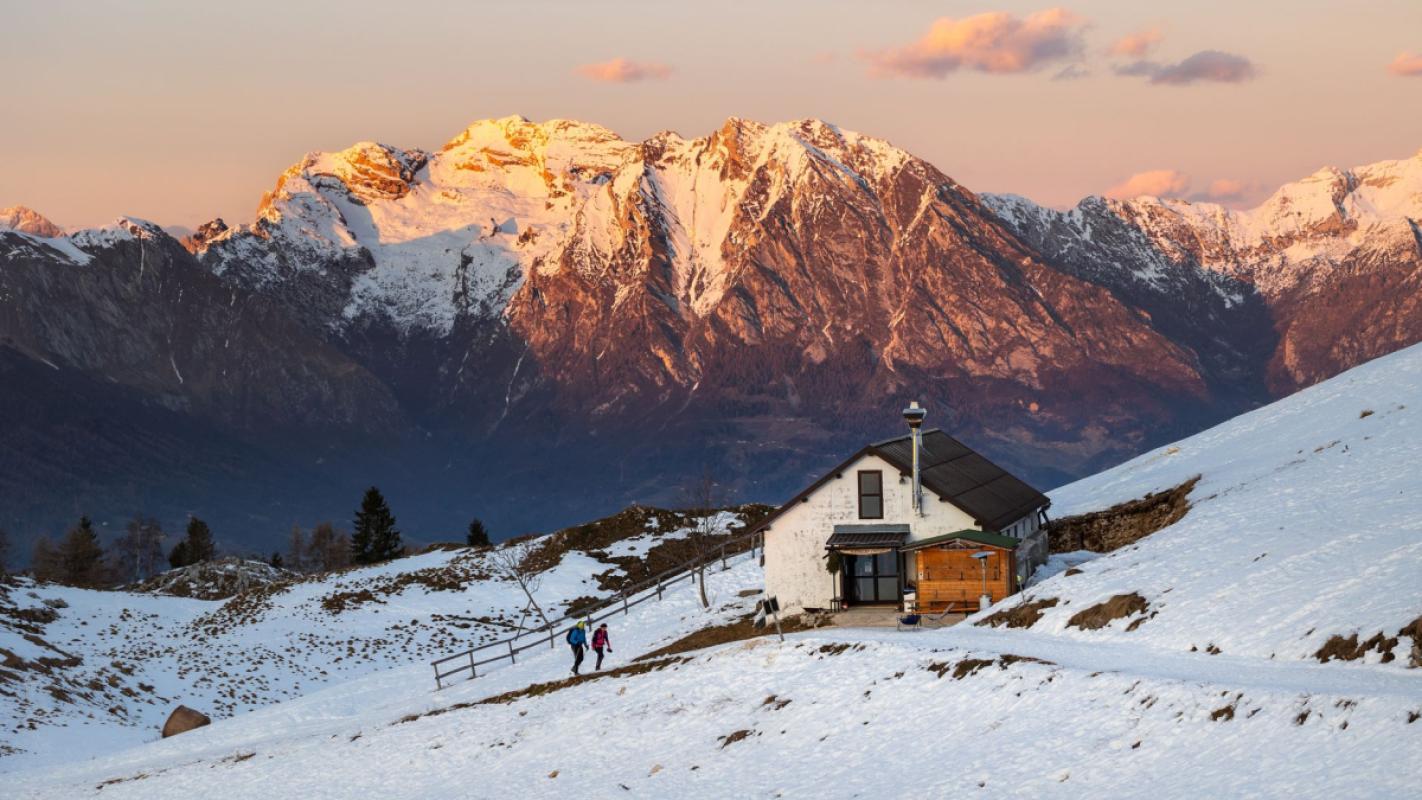
Just under the summit of Stóg Izerski, the PTTK hut sits at 1,060 metres in a low saddle, a long timber‑fronted building with a glassed‑in veranda that glows like a lantern on foggy afternoons. The dining hall is large, the turnover brisk, and the style classic mountain canteen: soups and one‑pot mains served hot and fast; simple set lunches when available; sweet endings if you timed it right. It’s the sort of room where homemade dumplings, cabbagey stews or a thick slice of sourdough with something warm on top feel exactly right after the ridge.[1] ([de.wikipedia.org])
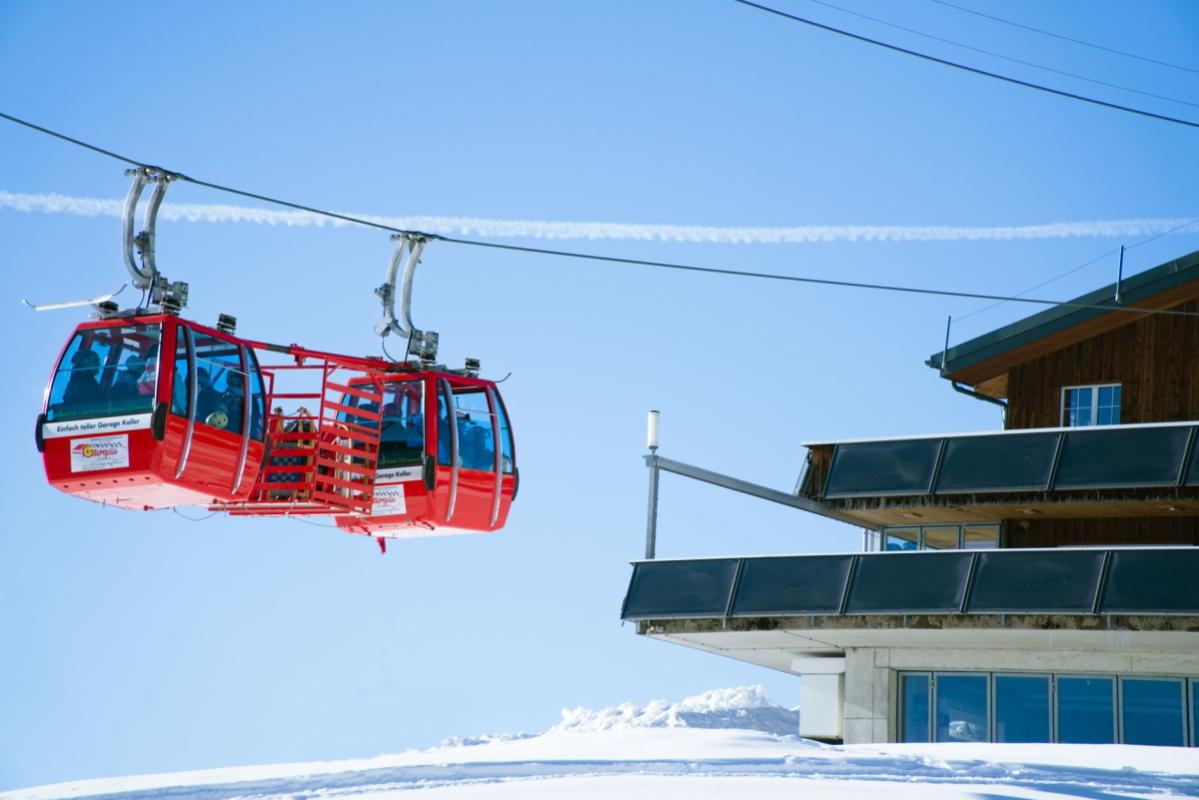
Practical note for planners: the gondola from Świeradów‑Zdrój tops out a short walk east of the hut, which makes this one of the most accessible hot meals on the range when weather turns. If you ride up for lunch and drop toward Hala Izerska or Szklarska Poręba after, you’re letting gravity help digestion—always a civilized choice in the hills.[1] ([de.wikipedia.org])
Hala Szrenicka: full‑service comfort on the high meadow
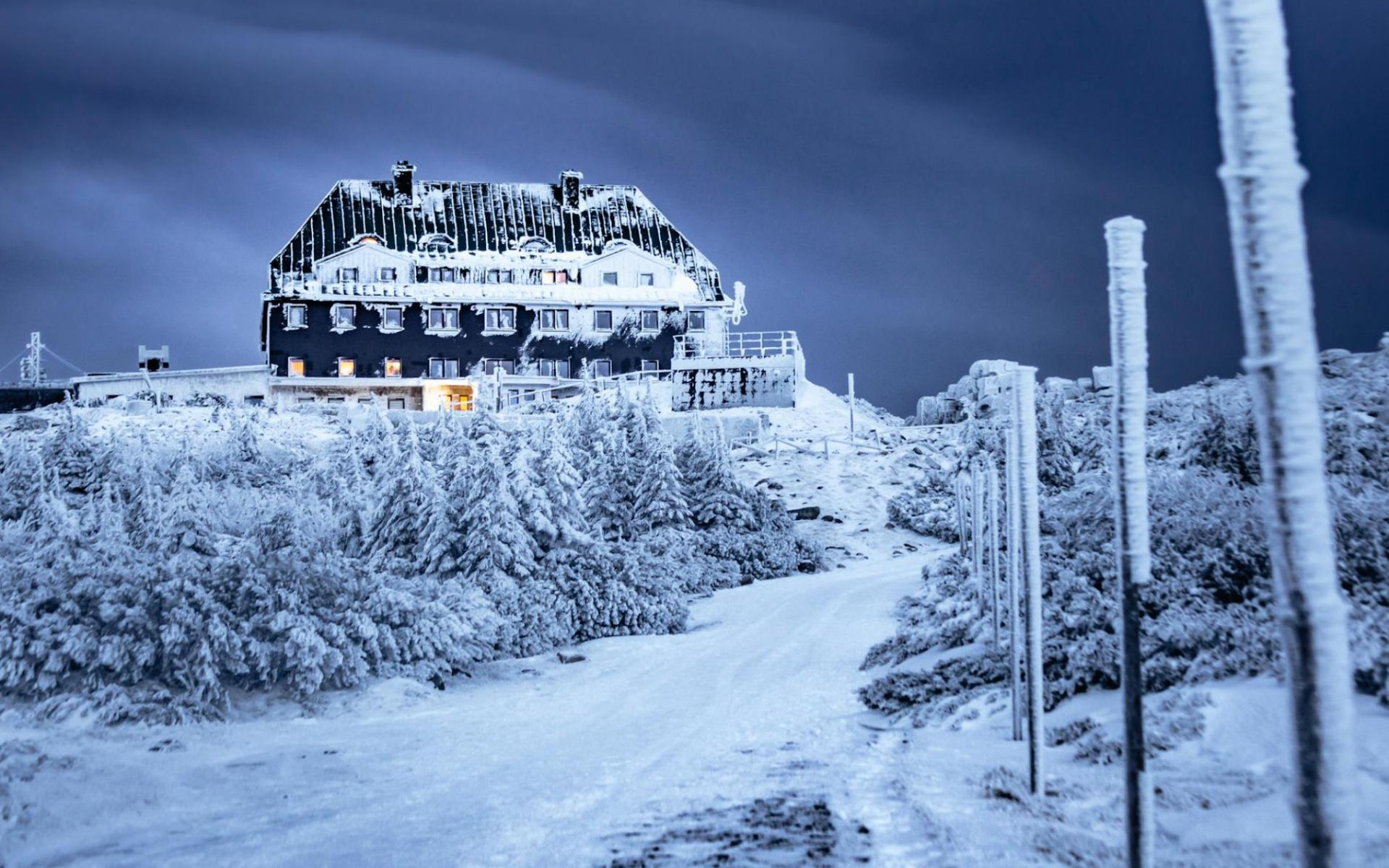
Below the rocky cap of Szrenica, the PTTK lodge on Hala Szrenicka sits high and broad in the wind, a true mountain hotel with room to spare. Historical accounts place a shepherd’s shelter here in the late 18th century; today it operates year‑round with scores of beds and a kitchen scaled for groups—welcome news after long traverses over the Wave of Friendship path or the red‑marked Sudetes Main Trail. Expect a canteen rhythm at lunch and dedicated windows for breakfasts and hearty evening plates for guests.[2] ([de.wikipedia.org])
What to order? Think restorative and simple. A bowl of clear broth after a wet push; a stew on cold days; something dairy‑based for breakfast when you wake above the tree line. The important bit is capacity and continuity—the lodge was designed to feed and warm many, and regional tourism sources explicitly note it can provide accommodation and meals for well over a hundred people. That reliability shapes itineraries: families often aim here for their biggest refuel of the day, hut‑to‑hut walkers plan their overnights around it, and solo hikers treat it like a weather‑safe anchor.[3] ([polska.travel])
Jizerka: two kitchens on the border
Cross the meadows into Czechia and the mood shifts almost imperceptibly: the light flattens pleasantly over peat, signs turn to Czech, and menus lean toward knedlíky, goulash gravies, and soups of the day. In Jizerka—a small hamlet spread wide in the uplands—you’ll find two neighboring establishments anchoring the food scene: the historic manor house (Panský dům), now a hotel with its own restaurant, and Pyramida, restored in its old form as an excursion inn. Both sit within walking distance in the village, which makes comparing soups and sauces a sport on drizzly afternoons.[4] ([de.wikipedia.org])
Order with your legs in mind. Dumplings with sauce go a long way if you have climbs ahead; a lighter soup and palačinky set you up for a gentle descent toward Orle and Hala Izerska. And if you’re hiking with kids, this is where a hot cocoa, a berry dessert or a shared plate of something crispy becomes morale strategy, not indulgence.
Not every roof means a hot kitchen: read the terrain
One common mistake is assuming every scenic shelter is a full restaurant. Take Wysoki Kamień above Szklarska Poręba: a privately operated stone baude opened in the 2010s without lodging and perched near the Główny Szlak Sudecki. It’s a superb place to stop, warm up, and sip something while scanning the horizon, but you shouldn’t build your day around a multi‑course meal here. Treat such spots as drink‑and‑view pauses and make your real refuel at Stóg Izerski, Hala Szrenicka, or down in town.[5] ([de.wikipedia.org])
Two rules help. First, check the object’s noticeboard or website the night before and again in the morning; kitchens may shorten hours in shoulder seasons or midweek. Second, carry a “hot add‑on”: a compact thermos, instant miso, or favorite teabag. Even the humblest counter‑only stop becomes generous when you can turn hot water into something comforting.
What to look for on the menu—without overthinking it
At Polish huts, look for the trinity of trail‑smart choices. Soups with backbone (zurek, tomato, pea or daily broths) to warm the core. A sturdy main—often pork or poultry with groats or potatoes—when effort has outpaced your snacks. And a staple from the dumpling family when you need guaranteed smiles at the table. Sweets tend to favor pancakes, crumb cakes and simple cheesecake; if you see seasonal berries, don’t hesitate. At Czech counters, make peace with sauced meats and dumplings, but learn the lighter outliers too: clear beef soups, cabbage salads, a sweet palačinka to share.
Drinks are part of the grammar. On both sides of the border, black tea is still the mountain’s utility beverage—unsentimental and exactly right. Coffee culture is better than it was a decade ago but still inconsistent at altitude; go in expecting “strong and simple,” celebrate if you find finesse. In Czech hamlets like Jizerka, house lemonades and crisp lagers are easy wins with lunch; on the Polish side, compotes and fruit teas are the family‑friendly defaults, with regional beer a civilized option when you’re bedding down nearby.
Serving windows, buffets vs. dining rooms, and the mid‑week trap
Menus change faster than maps. Staff shortages or deliveries delayed by weather can compress choice, and mid‑week some kitchens pivot to a leaner “bufet” offer—soups, a few hot mains, cakes, drinks—saving fuller service for weekends and groups. Keep an eye on closing rhythms: a dining room may shut earlier than you expect so teams can reset for breakfast. The best insurance is to eat a little earlier than hunger dictates and to carry enough to be cheerful if you arrive to a shuttered hatch.
Families and hut‑to‑hut walkers do well to book dinners where they plan to sleep, especially at Hala Szrenicka and the Jizerka properties. You’ll avoid the “we just served the last pan” conversation and you’ll know exactly when to arrive—crucial if the sky turns or trails run slick after a storm.
Route pairings that make the most of a meal
For a forgiving day with plenty of flavor, ride or hike up to the PTTK hut below Stóg Izerski, linger over a hot lunch, then work downhill along the broad forest tracks toward Hala Izerska and the open bowl of Izera Meadow. In clear weather, the light out on Izera feels almost maritime: shallow bog pools catching sky, the horizon softened by dark spruce. From there, either detour to the quiet refuge at Orle or keep tracing the meadow toward the border if dessert in Jizerka is calling.
On the Karkonosze side, tie your biggest plate of the day to Hala Szrenicka. Approach via the Kamieńczyk cascades for atmosphere, then drop into the lodge’s big dining room and treat it as your pivot point: napkins and maps out, layers adjusted, the afternoon planned over soup and something hearty. If legs are lively and clouds behave, push on toward Szrenica’s rocky crown for views before you begin your descent.
Legend box: the region’s cult bites and sweet habits
- Chatka Górzystów’s pancakes. Deep in the high meadow of Hala Izerska, the modest Chatka Górzystów has built a small legend on simple, comforting plates—pancakes and fried cheese chief among them. If your route passes the hut, factor in time: queues can form, and there’s a friendliness to the wait—steam at the windows, boots stacked in corners, the smell of batter and butter lifting the room.[6] ([swieradowzdroj.pl])
- Polish vs. Czech sweet tooth. On the Polish side, expect homely cakes, pancakes and fruit‑forward desserts; in Czech hamlets like Jizerka, look for palačinky, koláče and the occasional syrupy house lemonade. None of it is fussy. All of it travels well in memory.
Essentials to pack—and what to leave to the huts
Bring: a light, crush‑proof container (saves cakes from turning to compost in your pack), a small spork, wet wipes, and your own tea or hot‑drink sachets for “just water” stops. If anyone in your group eats gluten‑free or vegetarian, plan menus a meal ahead and carry a fallback—mountain kitchens can be accommodating, but stock runs out and the day’s offer may skew meat‑heavy.
Leave: elaborate snacks that melt into misery, and excessive packaging. Huts appreciate when you keep your waste footprint small; so will you when you realize how few bins you’ll see at altitude.
Final bites: eat with the weather
Food memories are sharpest up here because they’re earned. A bracing broth when the wind hammers the ridge. A breaded something that tastes like victory. A pancake that restores conversation among tired companions. The Western Sudetes make room for all of that if you plan lightly and flex with the clouds. Choose plates that match your legs and the sky, keep a small reserve tucked away, and treat every warm room you enter as part of the trail, not a pause from it.