PTTK hut vs. Czech chata: a field guide to mountain shelters of the Izera and Giant Mountains
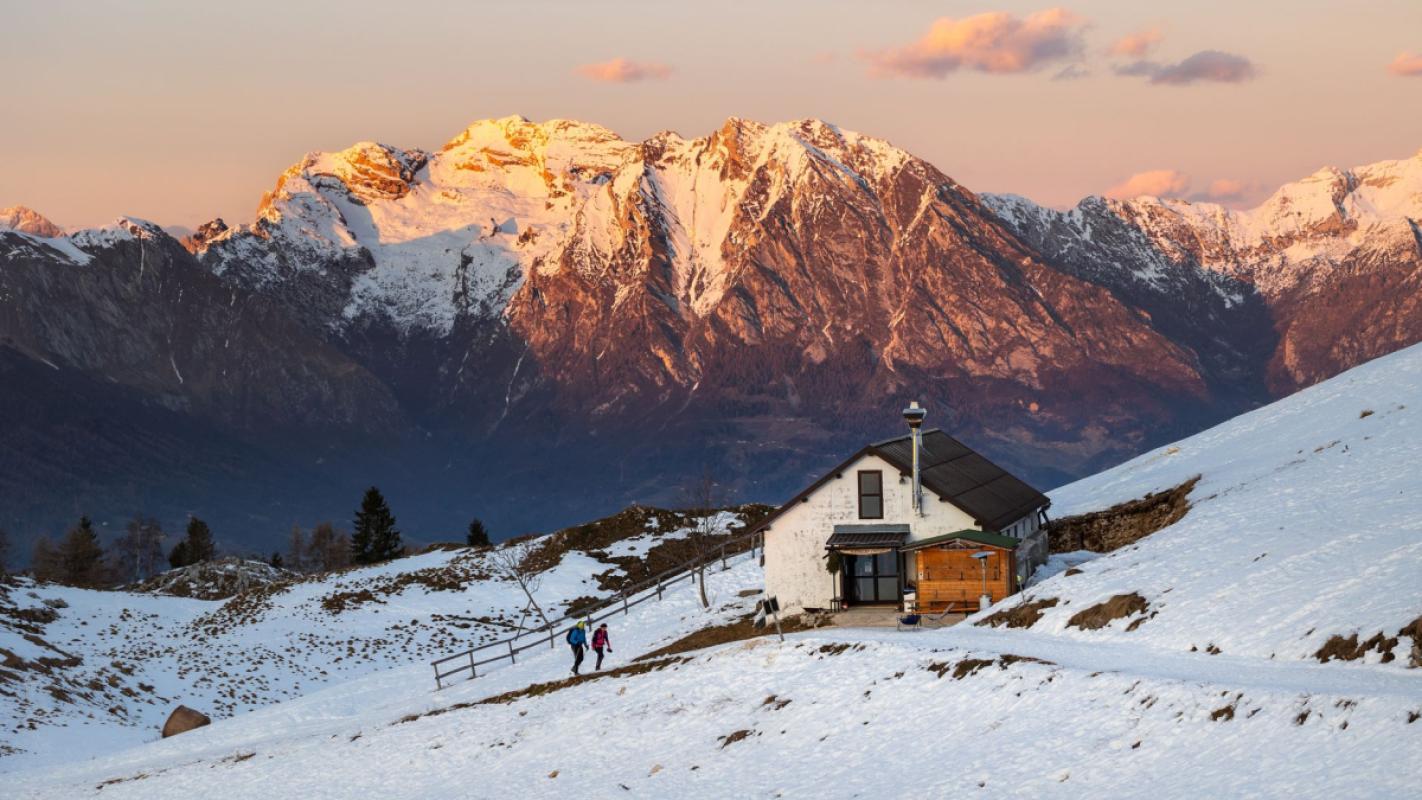
Planning a first hut-to-hut from Świeradów-Zdrój? Here’s how Polish PTTK shelters and Czech “chaty/boudy” differ in spirit and setup—plus a practical primer to link Stóg Izerski, Szrenica, Hala Szrenicka and the Czech hamlet of Jizerka into one thoughtful route.
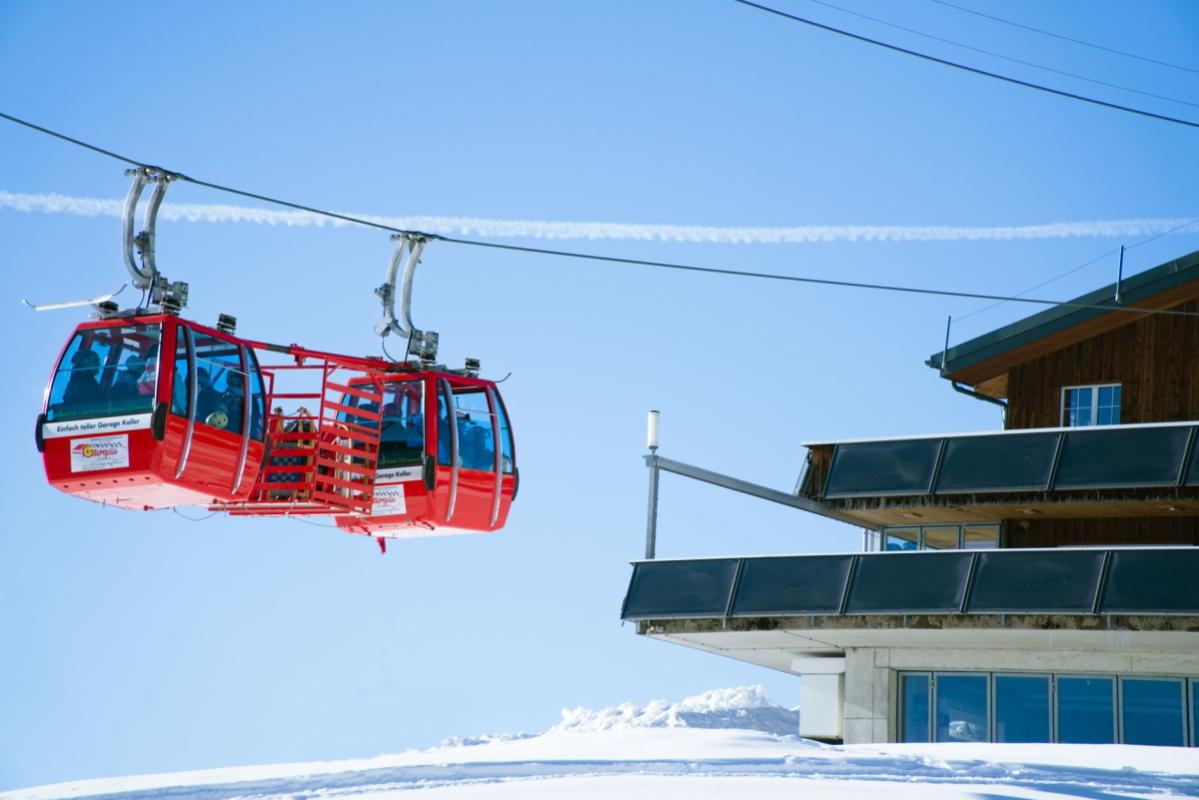
The first thing you notice after rain on the Izera slope is the resin. Spruce needles shine, the air smells clean as wool, and the gondola hum carries up from the valley. In Świeradów-Zdrój this isn’t a backdrop; it’s prelude. Within a short ride, you’re standing above the treeline-light of town and choosing your refuge for the night—one of Poland’s club-run PTTK huts, or a Czech chata across the ridge, where soup steams from the window and porcelain mugs clink against wood.
Two systems, two temperaments
Both sides of the border grew a deep culture of mountain hospitality, but they grew it differently. On the Polish side, many shelters belong to the PTTK—Polish Tourist and Sightseeing Society—an organization with roots in social mountaineering clubs and an ethic of access. On long-distance routes such as the Main Sudetes Trail, which starts in Świeradów-Zdrój and traverses the range on red blazes, you’ll find that tradition expressed in practical ways: dorm-style rooms are common, meals are hot and hearty, and there’s a long-standing rule of sheltering those caught out after dark or in emergency, even if formal beds are sold out.[1]
Step across the crest into Bohemia and the vocabulary shifts: bouda, chata. Lodges are frequently private, the mood a touch inn-like, with a sit-down dining room and a selection chalked on a board. They punctuate the ridge at useful intervals and, on winter weekends, half the conversation drifts in from the ski tracks. The differences are more about texture than taxonomy—shared tables versus a buffet line, boots parked under a bench versus lined in a rack—but they add up on a multi-day traverse.
What to expect when you walk in
Rooms, bunks and how to sleep well
In both PTTK shelters and Czech chaty, count on shared rooms unless you pre-book a smaller one. Bedding is typically provided; lightweight liners are still a good idea, both for comfort and habit. In older huts, expect creaking floors and doors that don’t hurry. That’s half the charm.
Food and the day’s cadence
Arrive hungry; you’ll be fed. Polish huts tend toward canteen-style service—order at the counter, collect your plate, clear your tray—while many Czech lodges lean to table service. In either case, soups are sustaining, dumplings appear at the right moment, and someone will have thought about tea. If you carry your own provisions, ask politely where you can sit to prepare them; some Polish huts set aside a simple corner for self-catering, signposted “kuchnia turystyczna.”
Reservations, seasonality and the unspoken pact
Reserving ahead is wise whenever the ridge is busy—school holidays, long weekends, a surprise bluebird forecast. And know this pact still holds on the Polish side: if conditions turn or dusk catches you short, huts on main routes will make a place on the floor rather than leave you out in weather.[1] It isn’t a loophole for spontaneous travel; it’s a safety net. Treat it as such.
Four waypoints near Świeradów-Zdrój
PTTK Mountain Hut on Stóg Izerski
A handful of steps below the summit, the PTTK Mountain Hut on Stóg Izerski feels purpose-built for that first deep breath above the forest. The building dates to the early 1920s and sits at roughly 1,060 m, its glass veranda catching the northern light. The gondola from town tops out just nearby, so it’s both an easy lunch goal and a convenient start to an overnight beyond. Look for red waymarks of the Main Sudetes Trail right by the hut; many Isera ridge days begin here.[2]
Szrenica: a high hut on the red ridge
Farther east, the granite knuckle of Szrenica rises to 1,362 m inside Karkonosze National Park—and the hut perched on top is a West Sudetes classic.[3] It’s a true ridge address: the long red line of the Mieczysław Orłowicz Trail merges here with the Polish–Czech Friendship Trail, then rolls the border skyline toward Śnieżka. That makes Szrenica both a dramatic first night from Świeradów-Zdrój and a springboard into a necklace of shelters on either side. Even the vocabulary straddles the line: within a short walk of the Polish hut you find Vosecká bouda on the Czech side, a reminder that “chata” and “schronisko” can face the same wind.[1][3]
Hala Szrenicka: a meadow, a kitchen and ski-season buzz
Drop just below the crest and the world opens to Szrenicka Meadow—a broad alp beneath Szrenica with a PTTK mountain hotel tucked into its edge at about 1,195 m.[4] In summer the place runs on trail rhythm: boots across the deck, backpacks leaning in a sunlit row, the kind of eggs-and-bread breakfast that turns a map from idea to plan. In winter the hut hums to the Ski Arena cycle; the slope outside is part of the resort’s terrain and the dining room fills with a different kind of tired, the good kind that comes from turns.
Jizerka: the Czech hamlet over the watershed
Beyond the Izera crest, the small Czech settlement of Jizerka sits in high meadows and bogland that feel older than the spruce rows. It grew from glass and timber into a place of quiet recreation; houses became hostels and pubs, then brightened their windows again when the mountains turned back to visitors after the 1990s. Today it’s a gentle goal from the Polish side—a lunch of knedlíky and a room if you choose to stay—classified as a border locality and threaded by waymarked paths from Orle and the Jizera meadows.[6]
The beautiful trap: Wysoki Kamień
One summit looks made for a sleepover. Wysoki Kamień Peak—a rocky 1,058-metre lookout above Szklarska Poręba—wears a small stone lodge and a brand-new tower like jewelry. It’s a beloved stop on the red-trail day line, an iconic tea-and-view address. What it is not, as of now, is a place to book a bed: the privately run Wysoki Kamień Baude functions as a viewpoint and buffet, without regular accommodation. Plan your night elsewhere and treat this as the panoramic pause it excels at.[5]
How to link both worlds in one thoughtful route
- A gentle initiation from Świeradów-Zdrój. Ride the Świeradów Gondola Lift to the crest and settle into the PTTK hut on Stóg Izerski for lunch. Follow red blazes east along the Main Sudetes Trail — Izera Section, where the forest thins to heather and the horizon pushes wider. If spirits and weather hold, continue via the old glassmakers’ hamlet of Orle toward the Czech border paths and swing down to Jizerka Village for soup and a short wander among the wooden houses before looping back across the watershed. The gondola run makes an elegant bookend for families.
- A ridge night on Szrenica. Start from Szklarska Poręba and climb to Szrenicka Meadow for a late lunch, then press on to Szrenica Peak to sleep above the last trees. In the morning, let the red waymarks—by now also the Polish–Czech Friendship Trail—be your compass along the border crest. Options to snack or warm up appear on both sides of the line; the presence of nearby Czech huts such as Vosecká bouda makes it easy to “cross-pollinate” cultures on a single day.[1][3]
- A panoramic day with a caveat. Trace the red-blazed ridge toward Wysoki Kamień Peak for the view and the tea, but keep the no-beds reality in mind. It’s the perfect midpoint on a circuit that finishes in Szklarska Poręba—with a night reserved at Hala Szrenicka if you want to stretch the journey into two days.[4][5]
Reading the map like a local
Colors matter in the Sudetes. Red isn’t the hardest trail; it’s the main line, and in this corner of the range that usually means the Główny Szlak Sudecki—the Main Sudetes Trail that starts in Świeradów-Zdrój, joins the Polish–Czech Friendship Trail around Szrenica, then rides the skyline long enough to become a habit.[1] Blue, green, yellow and black connect the dots. Signposts tend to show times, not distances; remember they’re calibrated for a steady walker on typical summer footing. In spring thaw or winter crust, your pace and the day’s math both change.
Small etiquette that travels well
- Boots and floors. If there are hut slippers in a basket, use them. Mud stays at the threshold.
- Counter or table, read the room. In a PTTK canteen, order and bus your tray; in a Czech dining room, wait to be seated and pay at the bar unless told otherwise.
- Cash is still king in weather. Cards are widespread, but mountain internet has moods. Carry enough notes to buy a meal and a bed if terminals blink.
- Quiet hours are real. Ridge dawn comes early. So do whispers in the corridor.
- Words to carry. “Dzień dobry” and “Dziękuję” go a long way in Poland; “Dobrý den” and “Děkuji” do the same across the crest.
What stays with you after a few nights on this border is not only the comfort—the hot soup, the dry socks on a chair rail—but the way the two systems illuminate each other. A PTTK shelter shows you the social, club-hearted side of mountain culture; a Czech chata frames the day like a small inn, a glass of Kofola or beer in front of the stove, a slice of blueberry cake for the walk back out. The map between them looks complicated until you step onto it. Then it’s just scent of spruce, a red line through heather, and the easy knowledge that a lighted room waits on either side of the ridge.