Mountain paths around Świeradów‑Zdrój: Izera high meadows, Karkonosze horizons and Czech Jizerské hory — from family strolls to cross‑border hikes
Świeradów‑Zdrój is a rare place where a spa town empties straight into a lattice of mountain trails — gentle loops in the woods, classic traverses across the Izera high meadows, ambitious climbs to Smrk’s viewing tower, and easy footbridge crossings into the Czech Jizerské hory. This editorial guide orders the options into four clear baskets and shows how to link the Main Sudetes Trail with local waymarked paths and the gondola to match any level of fitness.
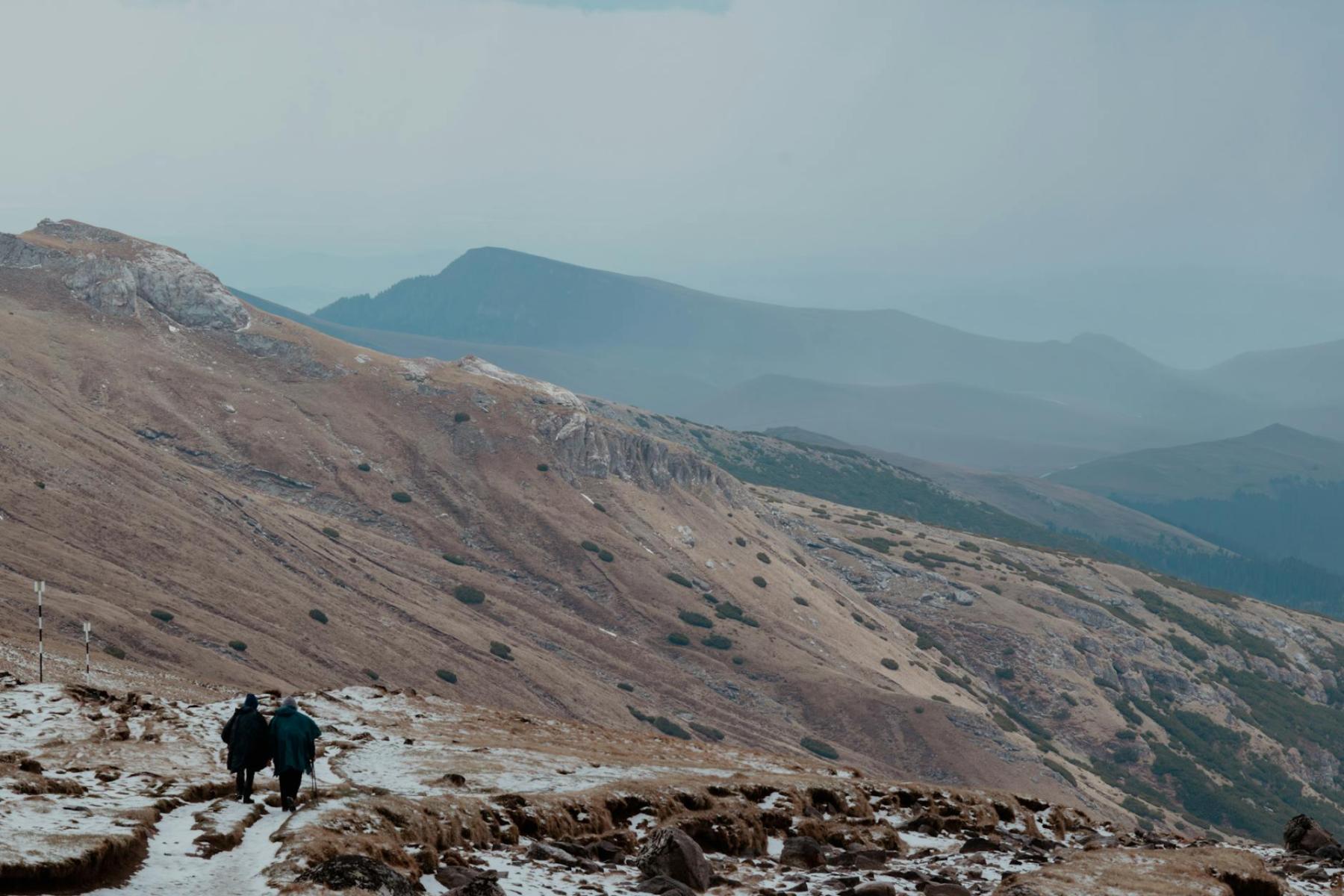
Morning has a way of lingering in Świeradów‑Zdrój. Mists hang low over spruce, resin in the air, the metallic clack of trekking poles somewhere up the slope. A red dash on a trunk points you uphill and, within minutes, the town’s tiled roofs are below you and the Izera Mountains unfurl like dark corduroy. These hills are made for walking: broad ridges, open meadows, peat bogs that glow with thin northern light. And because the border here is a soft seam, your day’s arc can just as easily tip into the Czech Jizerské hory and back again before dinner.
The red thread: understanding the Main Sudetes Trail in Świeradów
Świeradów‑Zdrój is a trailhead of the Main Sudetes Trail — the red‑waymarked route that stitches the Sudetes together. Here, its first impulse is simple: climb. The red marks rise from town toward the rounded back of Stóg Izerski and then run the ridge toward the broad meadow basin of Hala Izerska and on toward Orle and Jakuszyce. Follow that red line and you trace the geography that organizes almost every classic walk from the spa: up to the ridge, across the big sky of the Izera Meadow, down to a forest station and, if you wish, the railway at Jakuszyce. [1]
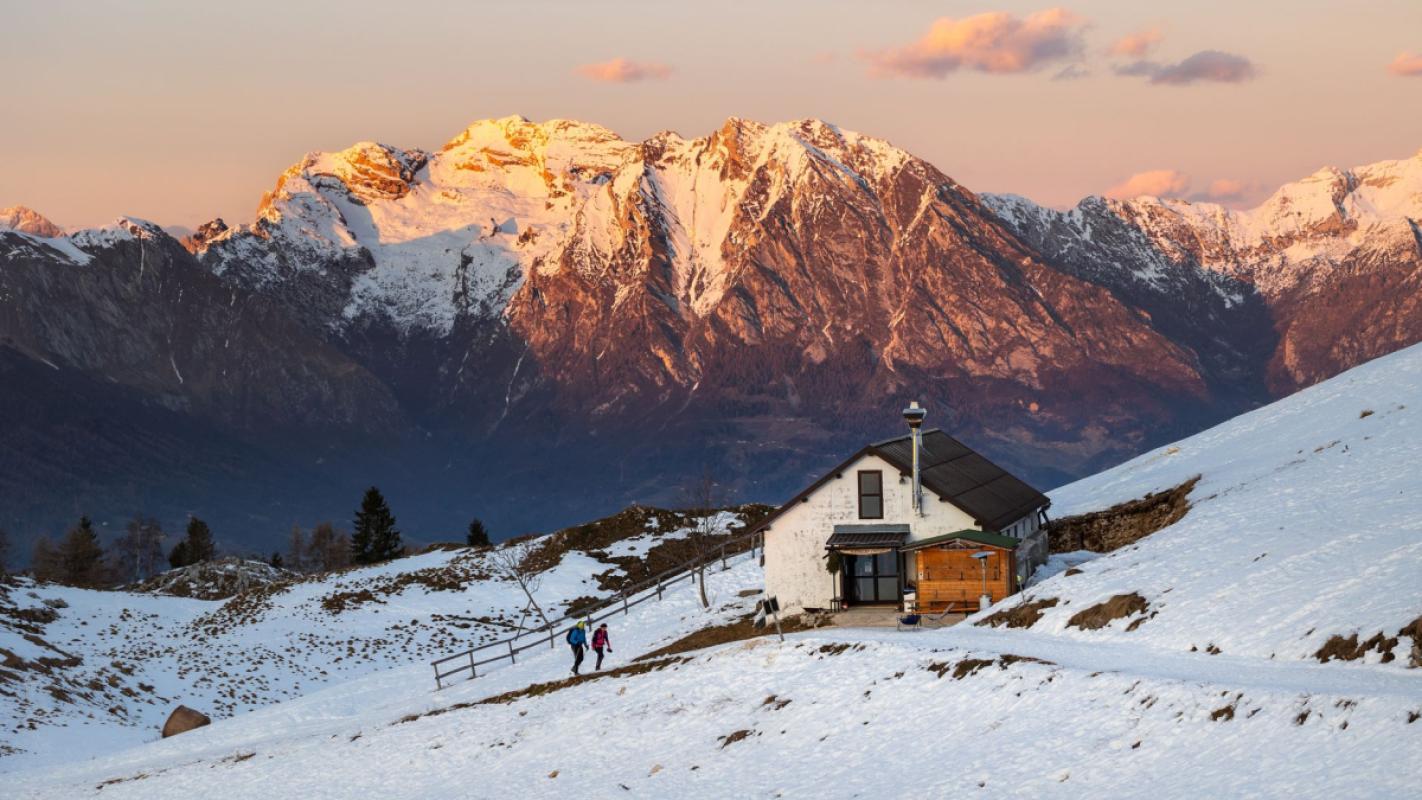
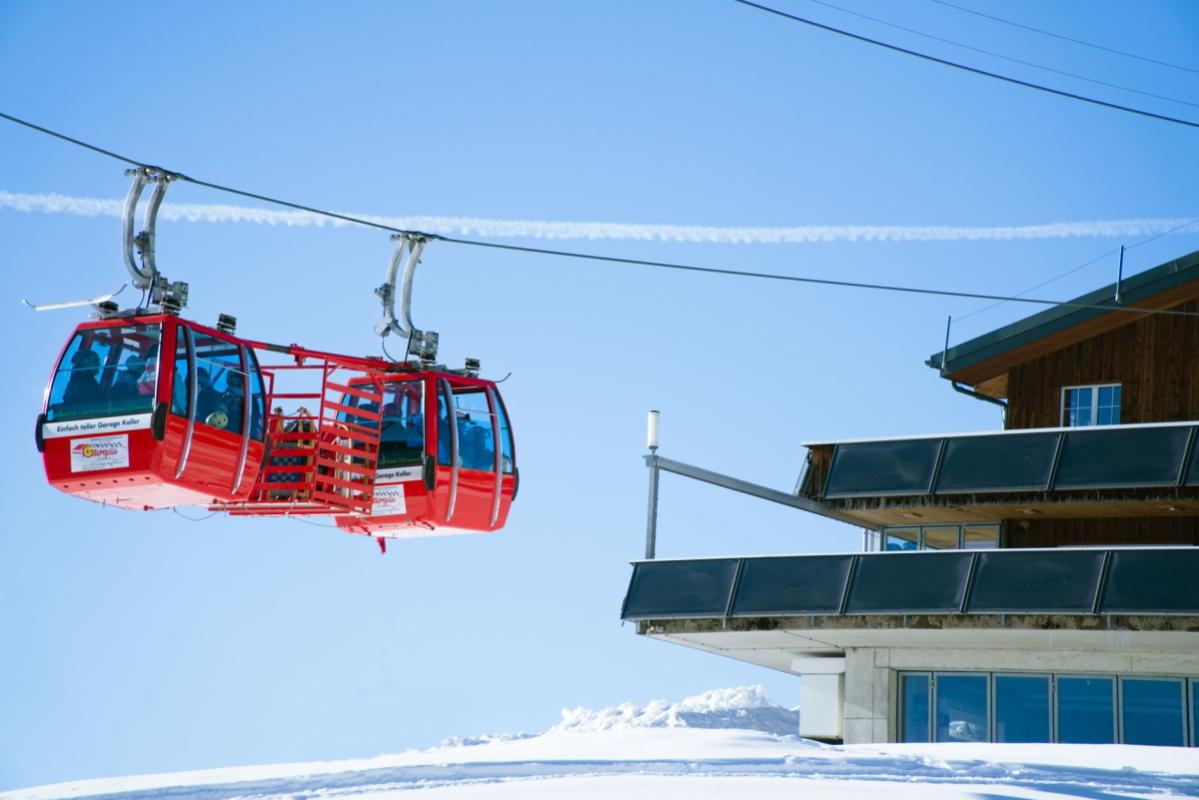
There’s a crucial helper: the Świeradów Gondola Lift. Its cabins float to just below the crest of Stóg Izerski, a stone’s throw from the PTTK Mountain Hut and the red waymarks. For families or hikers with limited time, that ride removes the long forest climb, letting you spend your energy where Izera walking is at its best — the airy, lightly undulating traverse. [3]
Think of Świeradów as a hub with four spokes. What follows orders the choices into four baskets — easy loops, Izera classics, ambitious climbs, and cross‑border adventures — and shows how to adapt each to your legs on the day.
1) Easy, family‑friendly loops close to the spa
Zajęcznik and the little forest classrooms
For a first morning or a day when showers are drifting in from the west, keep things local. The Zajęcznik Nature Trail climbs out of the resort in a gentle loop beneath tall spruce and beech. It’s one of those short walks that still feels like a small journey: boards and low rails underfoot in places, soft needles on the path elsewhere, and hands‑on interpretation that draws kids into noticing bark textures, cones, silhouettes of birds. The loop returns you to town with rosy cheeks rather than sore calves. [6]
You’ll also find short, signed paths in and above the spa park — quiet meanders where the soundtrack is watersplash in rills and the click of Nordic walking poles. These are forgiving surfaces, good for testing new boots, and even better for noticing the scents that mark the seasons: wet leaf, resin, a sweet cut of hay drifting up from gardens when summer is high.
Before longer outings, drop into the Izerska Łąka Ecological Education Centre in Czerniawa‑Zdrój. It’s a crisp primer on the living systems you’ll walk through later: peatland botany, night skies in a region famous for dark, unpolluted horizons, the insect worlds tucked into the meadow’s edge. It’s the sort of place that quietly upgrades the rest of your day; you’ll leave hearing more, seeing more.
2) Izera classics on the red line: Stóg Izerski, Hala Izerska, Orle
Ridge first, meadow second
If you picture a single, big‑sky day from Świeradów, this is it: up to Stóg Izerski, across Hala Izerska, down to Orle. Start on foot from the spa if you want the rhythm of a proper mountain day: forest shade, switchbacks, then the light opening out at the PTTK Mountain Hut on Stóg Izerski. Or take the gondola and save your breath for the ridge. Either way, you step almost immediately onto the red Main Sudetes Trail — Izera Section. [3][1]
Crossing Hala Izerska (Izera Meadow) is the signature Izera experience. Wind slides low over grasses; the sky feels oversized. Waymarks lead you gently across the broad basin, sometimes on raised paths where the ground turns to sponge, sometimes on firm gravel where the ridge breeze rinses the sweat from your neck. Górzystów Hut waits in the heart of the meadows with a warm stove in foul weather and a bench in the sun in fair — the sort of simple stop that can stretch into an hour. From here, the red marks ease you toward the forest ways of Orle.
Variants that lengthen or shorten — smart links, same logic
- Shortest scenic version: gondola up to the ridge, red waymarks across Hala Izerska, turn back the same way or cut a local loop and rejoin the red. It’s all about air and horizon, not meters gained. [3]
- Full traverse to Orle: ridge to meadow to the quiet, sandy tracks of Orle — a forest outpost tucked among spruce where time tends to slow. From Orle, you can continue to Jakuszyce for a train or bus, or pivot back via a different colored local trail for a satisfying loop.
- Add a crown: strong legs can tack on Wysoki Kamień, a rocky shoulder above Szklarska Poręba with a horizon that gathers the Karkonosze and Izera profiles into one sweep. Keep your map open and string colors together; the ridge here reads like a clean sentence.
Whichever option you choose, the core geography is the same: red to the ridge, wide skies over Hala Izerska, a forest glide to Orle. It’s hard to tire of that order.
3) Ambitious days with real ascent: Smrk and the tower above two countries
Some days you want to earn your views the old way. Smrk Peak — just over the Czech line and the highest summit on that side of the Izera Mountains — is a perfect goal. Route‑finding is simple from Świeradów or the Czerniawa‑Zdrój quarter: climb toward Stóg Izerski, then turn south on signed trails that braid the frontier. From the Polish side it’s a steady, satisfying ascent, the sort that shifts from needle‑soft paths to blocky roots and back again. On the summit, a steel viewing tower rises above the spruces. Its platform collects the Western Sudetes into a slow, turning panorama. [2]
There’s a logic in pairing comfort with ambition here: ride the gondola to the ridge within sight of the PTTK Mountain Hut on Stóg Izerski, then save your legs for the final pull to Smrk and the staircase up the tower. Or, if you prefer a purist’s line, start from town and let the day lengthen as you climb. Either way, you touch two countries in a single breath — the border itself is simply a forest line and, near the summit, a walking crossing links the two sides. [2][3]
On the descent, notice how sound returns to the forest — a woodpecker’s staccato, wind fretting the spruces, your own steps falling back into their rhythm. The best ambitious days don’t just spike on top; they land you home pleasantly tired, already making tea in your head.
4) Cross‑border ideas: from Orle to Jizerka and deeper into the Czech Jizerské hory
The elegant loop: Orle – footbridge – Jizerka – Orle
This is the Izera at its most cosmopolitan and its most gentle. From Orle, a clear forest path slips to the river and over a footbridge to the Czech side — a small span with a long memory. Rebuilt in the mid‑2000s, the crossing restored a traditional link between Orle and the hamlet of Jizerka, a beautiful scatter of dark‑timbered houses in a wide meadow basin. Walk over for a coffee, add a lazy loop among the meadows on Czech waymarks, and amble back to Orle the same day. It’s transboundary hiking in its best, most human scale. [4]
Ridge to ridge: Świeradów into the Jizerské hory
If you prefer a day with a little more spine, strike south from the ridge zone toward Smrk and continue into the Czech Jizerské hory. Routes fan out toward places you’ll see labeled on Czech maps — Smědava, Paličník, the long forest lanes of the Jizera Mountains Protected Landscape Area. The walking is straightforward, waymarking is clear on both sides, and the pleasure is in the continuity: one ecosystem, two languages of signage, the same scent of resin and wet granite after a shower. [2]
The peat, the boards and the big sky: moving through the Torfowiska Doliny Izery
Between the Izera ridge and the forested shoulders to the north lies one of the most distinctive landscapes in the Western Sudetes: the Torfowiska Doliny Izery nature reserve. Think long sweeps of peat framed by low spruce, open water stitched like mirrors in the turf, and a climate with a northern accent. The reserve protects rare plants and habitats that give the Izera its character and its reputation for star‑sharp nights. [5]
On the ground, that protection has a simple corollary: walk where the paths tell you to. Boardwalks and signed tracks keep weight off sensitive mats of sphagnum, and in places you’ll feel the spring of floating peat beneath your feet even on the boards. Do not cut corners; do not step off for a photo. Dogs should be under close control. The reward for that care is subtle — silence that feels earned, details that sharpen the more you look: a ring of cotton grass heads showing the breeze, a dragonfly held at eye level above a bog pool, a sudden snipe zig‑zagging up as your boot scuffs the gravel.
If you stopped by Izerska Łąka Ecological Education Centre first, you’ll recognize what you’re seeing now: the plants with their almost Arctic ranges, the tight choreography of water that makes peatlands possible. The centre’s displays turn into field notes on your walk. That’s the best kind of prelude.
Scenic drives and short walks for big views
The roads that reach Świeradów thread out into very good viewpoints. The most dramatic is the sweep of DW358 above Szklarska Poręba, nicknamed Zakręt Śmierci, a tight 180‑degree curve cut into granite with a broad prospect over the Karkonosze and the Jelenia Góra Basin. Come early or late for light and space; step well off the tarmac before you look for the perfect frame. In winter, watch for ice at the shaded edge, and in summer, for cyclists biting into the grade.
Elsewhere along the same road, signed pull‑offs deliver quick, satisfying leg‑stretches to low rock crowns and forest balconies. They make good “day two” fillers after a long traverse, or short interludes before a spa treatment. Keep a paper map handy; these little add‑ons have a way of becoming small detours of joy.
How to stitch the network: sample day plans that scale up or down
If you have half a day
- Gondola ridge taster: Ride to near Stóg Izerski, stroll the red line out and back toward Hala Izerska, coffee at the PTTK Mountain Hut on Stóg Izerski, then descend by cabin. All light, all views. [3][1]
- Zajęcznik loop + spa: Easy forest circuit on the Zajęcznik Nature Trail, then back to town for lunch on the promenade. [6]
If you want a full, classic day
- Ridge–meadow–Orle: From town (or the gondola), take the red Main Sudetes Trail — Izera Section over Hala Izerska to Orle and return on a different color for a loop. Linger at Górzystów Hut; allow time for the kind of meadow silence that doesn’t happen on a clock. [1][3]
- Orle–Jizerka loop: Reach Orle, cross the river on the footbridge, circle Jizerka Village on Czech waymarks, and recross to Orle. If legs are still springy, extend deeper into the Czech trails before closing the loop. [4]
If you’re chasing a summit
- Smrk day: From Świeradów or Czerniawa‑Zdrój, climb toward Stóg Izerski and then up to Smrk Peak. Take the stairs of the viewing tower for a slow, turning geography lesson, then choose a different descent to keep things fresh. The border near the summit is a simple walking crossing. [2]
Editor’s tip: When in doubt about distance, let the gondola do the heavy lifting and invest your time in the traverse. The Izera is a landscape that rewards lateral miles with outsized sky.
Maps in hand, the logic of this corner of the Sudetes becomes beautifully clear. Trails begin in town and rise to a rounded ridge. That ridge opens onto a luminous basin of meadows and peat — a pocket of the north in the heart of Central Europe — and then steps down into long, sandy forest lanes where a day can end with the click of a closing gate at Orle. Borders here are walked, not walled. Paths braid across languages without fuss. In a place built for slow travel, you’ll find that the most durable pleasures are simple: the hush of peat under boards, the warm wood of a hut table, a red mark on a trunk pointing you on.