Izerskie peat bogs and mountain meadows: the most beautiful nature trails from Świeradów‑Zdrój
Where in the Izera Mountains can you photograph mists lying over raised peat bogs, how to read the information panels along the educational trails, and where to start a walk with children? We begin in Świeradów‑Zdrój — at Izerska Łąka — and lead you across Hala Izerska, to Chatka Górzystów, Stóg Izerski, the Czech Jizerka with its boardwalks over the bogs, and Oldřichov v Hájích with the “Oldřichovské háje a skály” route.
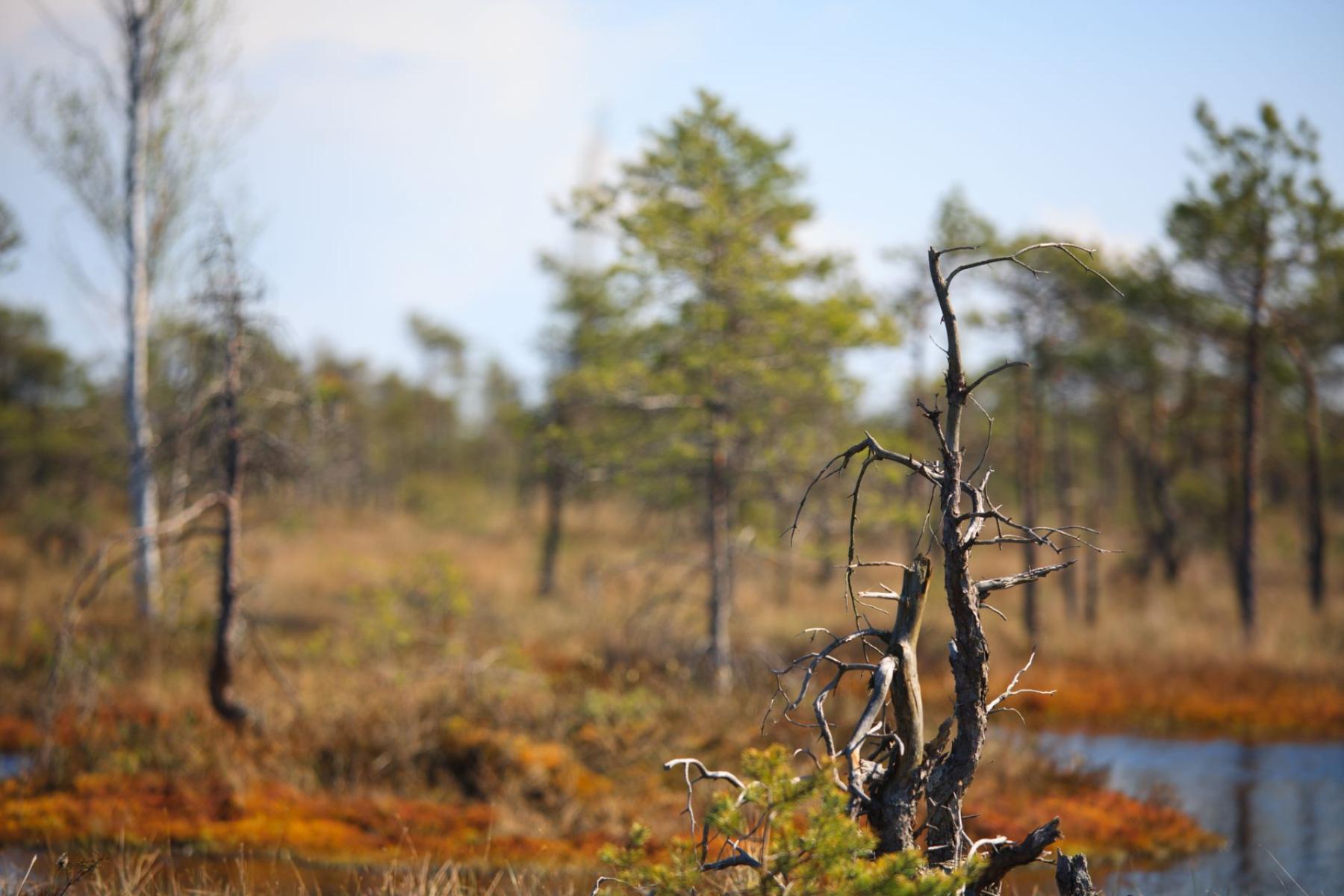
The first thing you hear on Hala Izerska at dawn is the wind. The rustle of grasses carries a chill from the wetlands, and the air smells of resin and dampness. Light spreads wide, catching dewdrops in the lens and the pattern of boardwalks that blend into the landscape. Here the Izery show the face of peat bogs and open meadows — a fragile landscape, yet generous to those who walk slowly.
From wetlands to the stars: how to read Izera nature
Raised peat bogs are living archives of cold and moisture. They form where water rests on an impermeable substrate, while mosses, grasses and dwarf shrubs build up a soft, springy mattress over years. In the Izery these wetlands form a continuous thread along the border valley — the Polish section is protected as the “Torfowiska Doliny Izery” reserve, included in the transboundary area of the Ramsar Convention together with its Czech counterparts. Among the protected habitats are raised, oligotrophic and transitional peatlands, and the area lies within the Natura 2000 network (PLH “Torfowiska Gór Izerskich” and PLB “Izery”).[1] You don’t walk on boardwalks as a whim — it’s the simplest way to leave the resilient skin of the peatlands intact and not cut the valley’s watery circulation.
Start in Świeradów‑Zdrój: Izerska Łąka — a centre that teaches you to look
Before you set out, visit the Izerska Łąka Ecological Education Centre in Czerniawa‑Zdrój. In the wooden pavilion, learning speaks to the senses: interactive stories about local flora and fauna, a projection of the clear winter sky over the Izery, and a safe, monitored beehive where you can observe the life of bees. For families it’s a convenient introduction to conversations about wetland protection and how to behave responsibly on the trails.[4]
From here you can choose two classic loops on the Polish side: to Hala Izerska and Chatka Górzystów — and to Stóg Izerski. Both are photogenic and both suit a calm, spa‑town pace. The first toys with space, the second with altitude.
Hala Izerska and Chatka Górzystów: broad light and the valley’s quiet rhythm
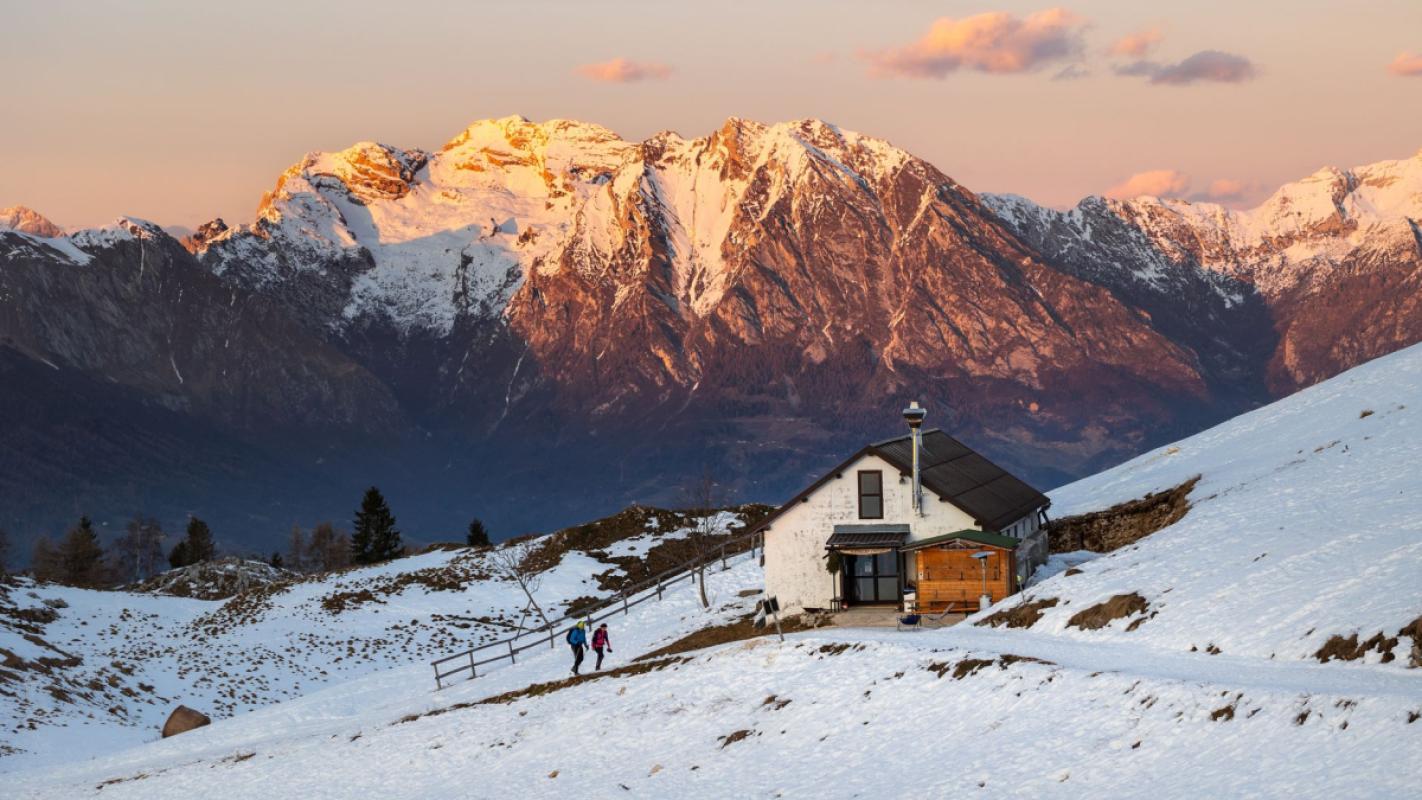
Hala Izerska is a wide, high peat meadow in the heart of the Izery. Light here can work like an open‑air painter’s studio: golden patches on tussocks of sedge, steel reflections in ditch waters, darkening silhouettes of spruces. In the middle of this silence stands Chatka Górzystów — a modest, legendary mountain hut now housed in the surviving building of the former school of the settlement Wielka Izera. It’s a natural rest point and a place from which photographs return fullest in tones and textures.[6]
The loop to Hala Izerska is well suited to an unhurried walk: it follows wide tracks, rises gently, and the landscape rewards every step. On boggy sections you’ll find boards and platforms. This is not only convenient — it’s the least invasive way to pass through habitats where every sidestep leaves a mark long after you disappear around the bend. For children it’s a lesson in balance and mindfulness; for photographers it’s an exercise in the eye and working with the horizon.
To Stóg Izerski: the ridge, the hut and the flicker of spruces
The other classic option is the walk to Stóg Izerski, whose upper ridge closes the spa’s panorama. On the summit there’s a mountain hut — ideal for soup and brief shelter when the wind begins to play in the crowns.[5] The ascent and descent can form a loop: an approach along a forest path and a return by a comfortable track; or vice versa, if you prefer to photograph the broad lines of the roads in softer light. It’s a walk that shows two faces of the same mountain — dense and airy.
Bridge to the Czech side (1): Jizerka and the boardwalks over the bogs
On the Polish side we’ve learned to walk on boardwalks; on the Czech side you understand why they’re necessary. In the National Nature Reserve “Rašeliniště Jizerky” entries onto the bogs are via wooden benches, and access is intentionally limited to allow the wetlands to breathe and renew themselves in their own rhythm.[2] Jizerka itself is an oasis‑place: a small settlement, the black glazing of spruces against bright meadows and rings of sight that naturally hand the field over to listening.
To photograph bog details you’ll want firmer‑soled shoes and a telephoto lens — plants are best captured from a distance without entering protected zones. In the growing season watch for the geometric rosettes of round‑leaf sundew and the white stalks of cotton grass; in autumn for the rust‑colored carpet of fescue, in winter for the graphic branches on the glass of frozen pools. The boardwalks lead gently, and the field panels explain what grows here and why it looks different from mountain meadows a few kilometres away.
Bridge to the Czech side (2): Oldřichov v Hájích and the “Oldřichovské háje a skály” trail
If Jizerka leaves you wanting other textures, head to Oldřichov v Hájích at the northern gateway to the Czech Izery. From here begins one of the region’s most beloved educational trails — “Oldřichovské háje a skály”. The route runs partly through a rock city above the village, with clear information panels and a rhythm that teaches you to listen to the beech forest. Depending on the variant it is about 5–10 km and includes ten educational stops; its original version was created in 1986, and in its current form it has operated since 2003.[3]
Along the way you pass features that practically beg for black‑and‑white frames: blocky walls and rock gates, climbing faces covered in moss, wind‑polished tors. For families it’s a convenient, clearly described lesson in geology and botany. For spa guests — a not‑too‑steep, rhythmic walk beneath a beech canopy. At every stop: a request not to leave the marked course, not to cut corners — and if you fancy a picnic, to move it a few dozen steps away from the plants shown on the panel you just read. The trail itself suggests the pace: short breaths among the beeches and longer pauses at rock exposures.
Short guide to the trails — how to link the points and not lose the point
Family loops
- Hala Izerska and Chatka Górzystów: easy terrain, wide tracks, a hut at the end. A great “warm‑up” route, also in less stable weather. Boardwalks and platforms in several places teach that you are walking on fragile ground — an ideal moment to talk with children about wetlands.
- Oldřichovské háje a skály: an educational format on the Czech side. Clear panels, rock “rooms” and beech dimness — a trail just right for a half‑day of slow exploration and texture photography.
For photographers
- Jizerka and rašeliniště: the play of boardwalk lines, repetition of cotton‑grass tussocks and the texture of mosses. Leave the tripod at the edge, do not bring it onto delicate platforms; change perspective with a lens, not a boot.[2]
- Hala Izerska: broad light and a low horizon; in the morning and before dusk the mists act as a natural diffuser. At Chatka Górzystów you’ll warm your hands and hear locals’ stories.[6]
For spa guests and “slow” walkers
- Ascent to Stóg Izerski: a rhythmic climb, a hut at the top and space for a calm meal with a view. Return by a different path — the loop closes neatly and your knees will thank you for the gentle descent.[5]
- Izerska Łąka + a short on‑the‑ground link: first the hall with the sky and bees, then a practical dimension — a walk along one of the valley’s forest roads, listening to trills and the splash of streams.[4]
Etiquette on peat bogs and meadows — rules that make a difference
- Always follow the signs and the boardwalks. What looks like firm moss is often a thin skin over water and peat. One shortcut can destroy microhabitats built up over years.[2]
- Drone? Better leave it in the backpack. Wetland birds and black‑grouse on the meadows respond with stress. If you must — check local regulations, but photograph from the ground.
- Dogs on a lead. This is not only about people’s safety — it’s primarily about the peace of animals and plants.
- Learn from the panels: educational trails on both sides of the border have excellently prepared stops. You’ll find tips on how to recognise peatland species and where to stand to see them without stepping into vegetation.[3]
- Take away all litter and micro‑litter. In a peatland nothing decomposes quickly — even an apple peel stays here longer than you think.
A day plan without hurry
The best day in the Izery usually begins with a cup of tea in the spa, followed by a quiet entry into the forest. A short stop at Izerska Łąka sharpens the eye, and two thoughts remain: that the dark sky is also part of nature, and that a wetland dislikes haste. With that awareness even familiar paths — to the Hala, to the Chatka, to the Stóg — reveal new layers: bird calls you didn’t hear yesterday, and shades of green that appear only at a particular hour. Across the border, on the boardwalks in Jizerka, you learn to measure your step; in Oldřichov — to read rocks and beech trunks. Returning, you’ll have more than photographs. You’ll have a rhythm.