Hut to hut from Świeradów: Izera and Karkonosze micro‑traverses across the border
A field-tested way to go hut-to-hut from Świeradów-Zdrój without a tent: two and three-day loops that link the PTTK hut on Stóg Izerski, the timeless Chatka Górzystów on Hala Izerska, and the Czech hamlet of Jizerka—with an ambitious Karkonosze variant via Szrenica. Practical planning intel, nature etiquette, and cross‑border logistics you can reuse any season.
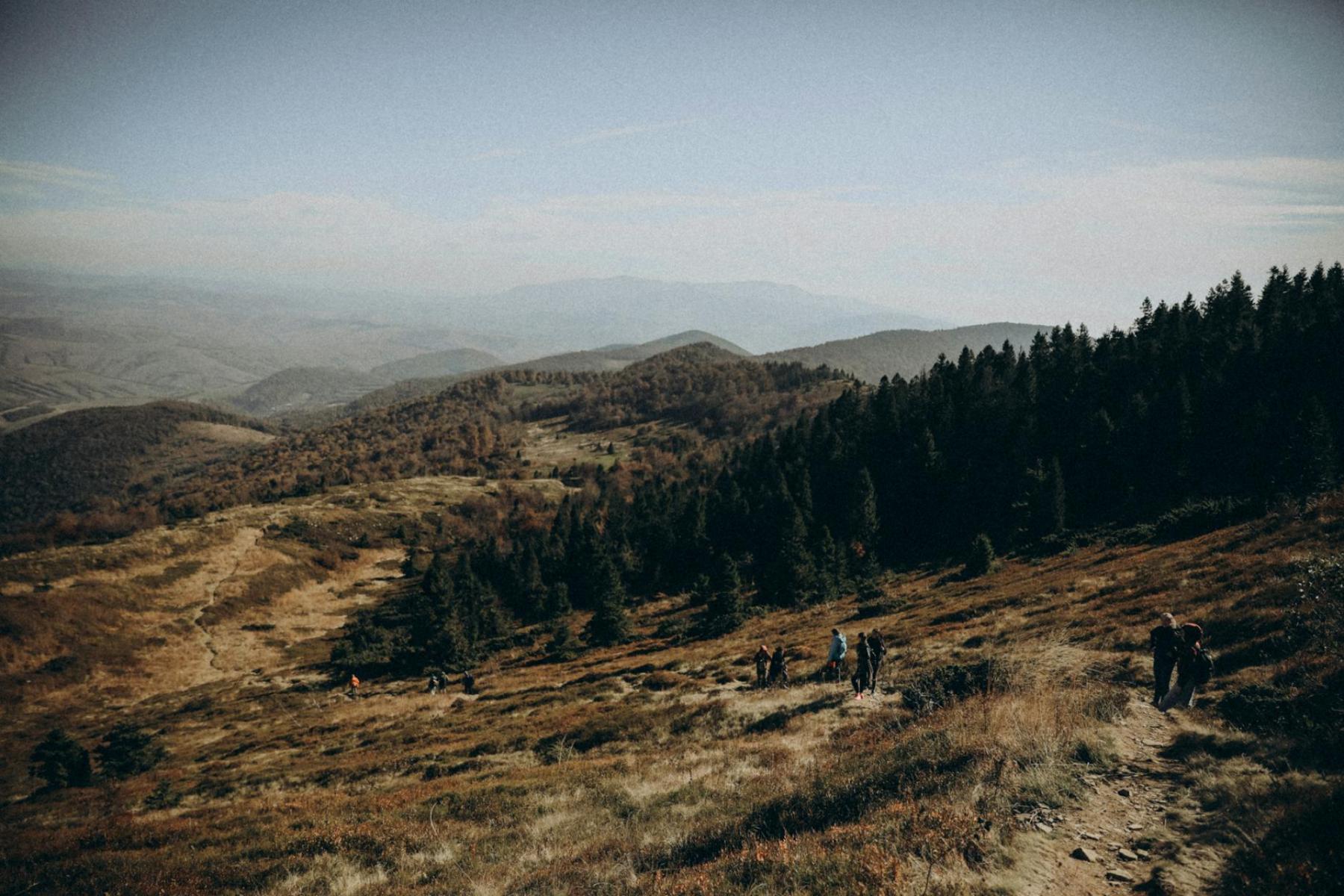
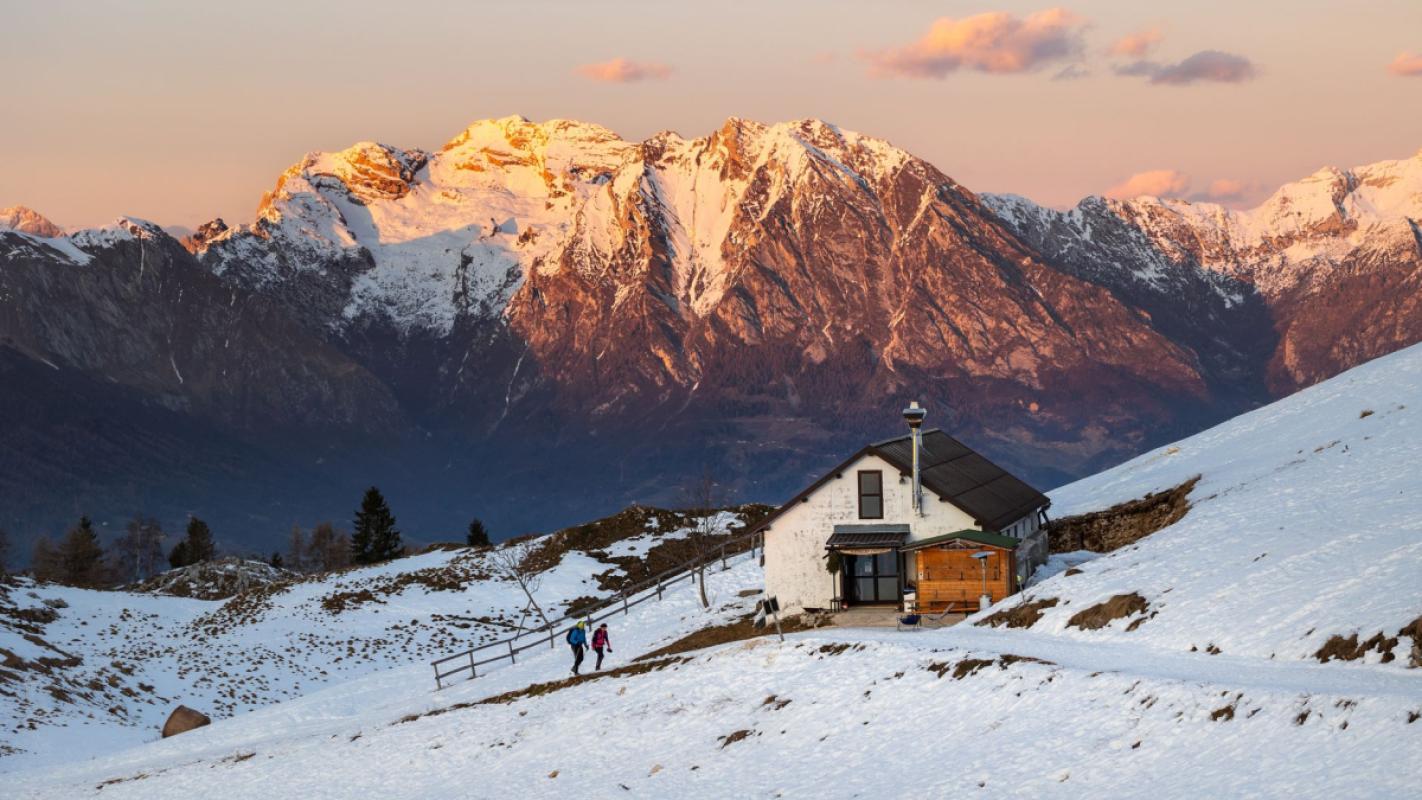
The first thing you notice on the climb above Świeradów is the smell—spruce resin, wet peat, wood smoke drifting from a ridge hut. Light washes in from the west, turning the meadows of Hala Izerska the color of old straw. When the wind drops, the landscape is almost silent; when it rises, it walks the ridges ahead of you, a moving line of silver in the trees.
Why these mountains make a perfect first hut-to-hut
This fringe of the Sudetes rewards a light pack and unhurried pacing. The Izera Mountains on the Polish–Czech border roll more than they rear; gradients are kind, waymarking is straightforward, and shelters come at natural intervals. The range’s character shifts with every hour: shaded spruce and beech; broad upland meadows under big skies; pockets of peat bog that feel almost subarctic. On clear nights, the sky turns ink-black—this is dark‑sky country—and you’ll pick out the Milky Way with the naked eye[2].
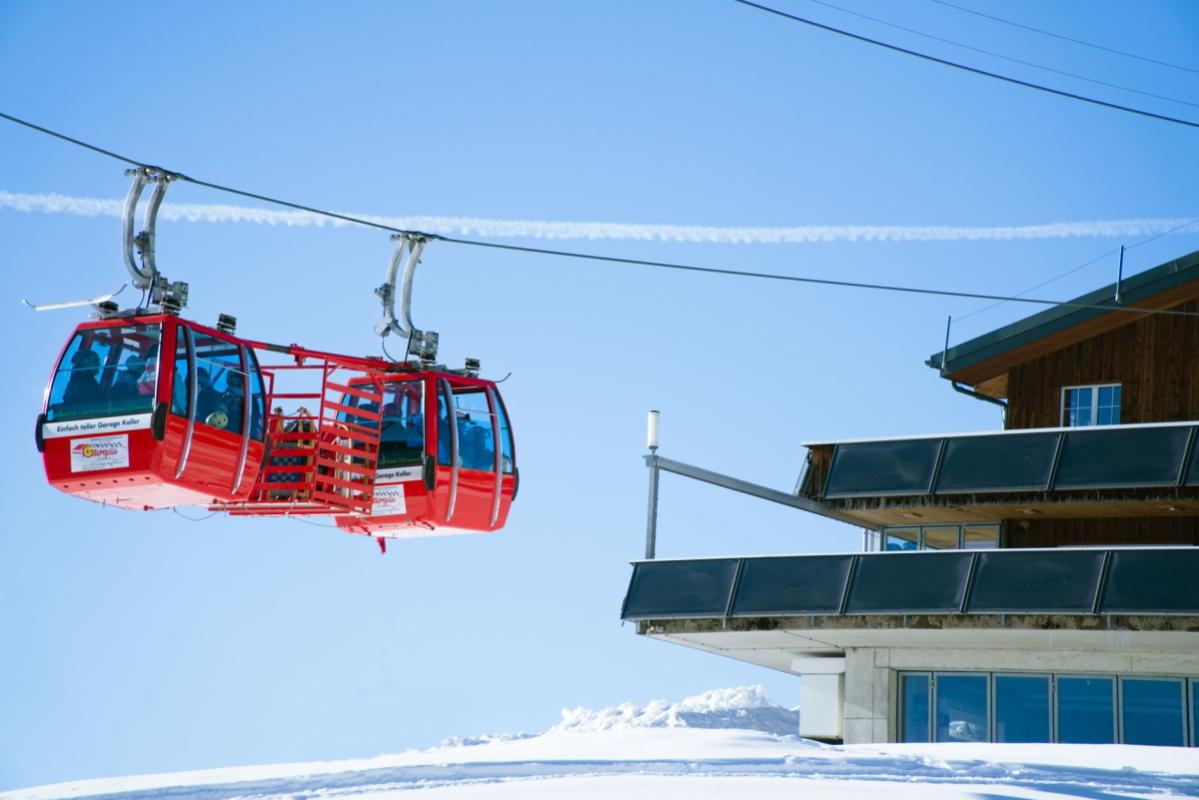
Świeradów‑Zdrój is the natural base. A cabin gondola lifts you onto the upper slopes below Stóg Izerski, minutes from the PTTK hut—use it to save your legs for the long meadows and the border ridge[6]. Across the watershed in Czechia, Jizerka waits: a high‑lying hamlet of timber houses and small pensions set among streams and boardwalks, with an end‑of‑the‑world calm[3].
The building blocks: three micro‑traverses to mix and match
1) Meadows and bogs, slow and scenic (2 days, loop)
Day 1: From central Świeradów, ride the gondola or walk the marked trail onto the shoulder of Stóg Izerski. The PTTK hut sits just below the crest; it’s the classic lunch stop and a weather checkpoint before you commit to the open country ahead[6]. From here, aim for Hala Izerska—an airy basin of grasses and peatland. Settle in at Chatka Górzystów, a simple refuge that carries the feel of the vanished settlement of Groß Iser around it. Expect creaking floors, quiet starlit walks, and a night sky that reminds you why you came.
Day 2: Cross the broad, wind‑brushed meadow toward the border and roll down into Czechia on marked tracks. Your target is Jizerka, a pocket‑sized highland village with a handful of inns. Lunch feels earned here. Turn the loop by returning north on forest roads and trails that climb gently back toward the Stóg ridge, then drop to Świeradów by foot— or save your knees by timing a gondola ride down[6].
Why it works: short, legible stages; big‑sky scenery nearly the whole way; easy bail‑outs back to the ridge. It’s a great first taste of hut‑to‑hut rhythm.
2) Border ridge and Smrk’s lookout (3 days, cross‑border figure‑eight)
Day 1: Świeradów to the PTTK hut on Stóg Izerski. If you’re saving elevation, ride up; if you want the full arc of the forest, walk. Either way, overnight here sets you up for a longer day two[6].
Day 2: Follow marked border paths toward Smrk, the highest summit on the Czech side of the Izera range (1,124 m). The lookout platform gives a sweeping compass of hills and reservoirs, with Świeradów tucked far below[4]. Descend on waymarked trails into Jizerka for a deserved dinner and a bed under thick quilts[3].
Day 3: Climb back to Hala Izerska—broad, pale, often windy—and pause at Chatka Górzystów for a last, slow coffee. From here, return to Świeradów either on red waymarks that drift back toward the ridge or by curving through forest tracks to meet the gondola station for a gentle glide to the promenade[6].
Why it works: one big summit day, two shorter ridge‑and‑meadow days, and a proper cross‑border flavor without committing to harsh grades.
3) Ambitious linear: onto the Karkonosze spine via Szrenica (2–3 days, finish in Szklarska Poręba)
Day 1: Świeradów to Hala Izerska via Stóg Izerski and the PTTK hut. Sleep at Chatka Górzystów.
Day 2: Keep to the red blazes of the Mieczysław Orłowicz Main Sudetes Trail. The route carries you out of the Izera uplands toward Szklarska Poręba and then onto the Karkonosze ridge near Szrenica, where the horizon opens in steps above spruce and stone[1]. Overnight on the ridge.
Day 3 (optional): Walk the ridge section you’ve been eyeing, then descend to Szklarska Poręba on waymarked trails. The return to Świeradów is an easy regional transfer by bus or taxi; no need to race the clock—build in the time for a late lunch.
Why it works: you taste two distinct ranges in one push—the generous meadows of the Izera and the broad panoramas of the Karkonosze ridge. Note: inside Karkonoski Park Narodowy you must remain on marked paths year‑round, respect seasonal closures, and keep dogs leashed[5].
How to plan stages, what to expect from huts, and when to book
Think in two‑ to five‑hour sections between roofs. The Izera is forgiving: ridges connect to meadows, and bail‑outs are plentiful. Use huts and villages as your anchors rather than distances on a screen—Stóg (for meals and weather checks), Chatka Górzystów (for an unhurried overnight), and Jizerka (for a warm bed and a proper breakfast). You’ll notice that all three itineraries above orbit these points. That’s deliberate. Once you’ve walked them once, you can remix them endlessly.
Meals: Polish mountain huts typically cook simple, hot food on set hours; kitchens may close early outside weekends. In Czech pensions and mountain chalets, expect hearty plates and breakfast spreads; some kitchens take a mid‑afternoon break. In both countries, carry reliable snacks so you’re never negotiating with your energy.
Reservations: for weekends (especially winter cross‑country season and summer holidays), book well in advance—weeks rather than days. Mid‑week outside peak periods, day‑ahead bookings usually work. Phone or email is still the gold standard at traditional huts; many Czech pensions in Jizerka offer online booking as well.
Payment: card acceptance has improved on both sides of the border, but not universally. Bring a buffer of cash (PLN on the Polish side, CZK across the line) to avoid surprises.
Trail craft and nature etiquette (evergreen, not seasonal)
- Marked trails, always. In Poland’s Karkonosze National Park (KPN), hiking is allowed only on designated trails, with seasonal variants and short closures; dogs are allowed only on leash where permitted. No fires, grills, or smoking; take all waste out with you[5].
- Across the border, the Izera Mountains lie largely within the CHKO Jizerské hory, a Czech protected landscape area. Treat it as you would any protected zone: keep to signed routes, heed boardwalks and closures around bogs, and overnight in established shelters or legal accommodation nodes rather than wild‑camping[2].
- Bogs and meadows are living sponges. Stick to hardened paths and duckboards, especially after rain; cutting corners destroys vegetation and scars peat.
- Weather turns fast on the ridges. Pack a warm layer even in July, a shell year‑round, and a headlamp even on short days.
- Winter: groomed cross‑country tracks lace the basins and forest roads here. If you’re on foot, avoid trampling set tracks; if you’re skiing, yield predictably and signal your passes.
- Quiet hours matter. Sound carries for miles over Hala Izerska on still nights. Let the night do its work.
Logistics you’ll actually use
Getting onto the ridge: the Świeradów gondola is a superb ascent‑saver, delivering you to the upper slopes just below Stóg Izerski, within an easy walk of the PTTK hut[6]. If you’re climbing on foot from town, set a conservative, steady pace under spruce—the gradient is friendly, but it’s still a mountain.
Closing the loop: from Jizerka, return legs can arc back to Hala Izerska or rise toward the Smrk ridge and then swing north to the gondola. If you’ve finished your linear in Szklarska Poręba, taxis and regional buses link back to Świeradów; you’re not betting the trip on a single departure.
Maps and wayfinding: carry a paper topo or an offline map and double‑check junctions rather than chasing distances. Red waymarks denote the Main Sudetes Trail; treat that ribbon as your north star if you’re threading Izera and Karkonosze in a single push[1]. On the Czech side, color codes are equally consistent and junction posts are frequent.
Border sense: you’ll cross between Poland and Czechia on signed footbridges and waymarked tracks without formalities. Still, carry ID, and switch your phone to an offline map before you drift out of signal in the basins.
Pack light, but not ultralight: base layers, warm mid‑layer, shell, hat and gloves, 1–1.5 L of water capacity (plus a collapsible bottle for hut refills), snacks, small first‑aid kit, power bank, and a sleep liner if you prefer it in shared rooms. Earplugs earn their weight in gold.
When to go, and how each season shapes the walk
Spring opens the forest and drains the meadows; expect wet boardwalks and quicksilver weather. Summer is about long light and the freedom to linger on Hala Izerska until the sky goes purple. Autumn brings woodsmoke, first frosts on the meadow grasses, and crisp horizons from Smrk’s tower[4]. Winter switches the grammar entirely: groomed ski tracks spiderweb the basins and the ridge huts become warm islands in a white map. Your itineraries still work—they just move on skis.
In the end, hut‑to‑hut here is a lesson in scale. The Izera doesn’t overwhelm; it invites. One ridge, one meadow, one hamlet—Świeradów to Stóg, Chatka to Jizerka—and you’ve written a small mountain story that you can retell in a dozen ways. Come back with new company or a new season, and the same three names will lead you somewhere different.