How Flow Is Made: The Anatomy of Izera Singletracks and the Bike Park — Design, Signage, Surface
Why do the Izera singletracks 'ride themselves'? We break down the trail design in Świeradów and on the Czech side under Smrk: turn radii, rollers, one‑way loops, clear signage and the surface. Finally — how the bike park differs from the singletrack network and how the two worlds meet at the foot of Stóg Izerski.
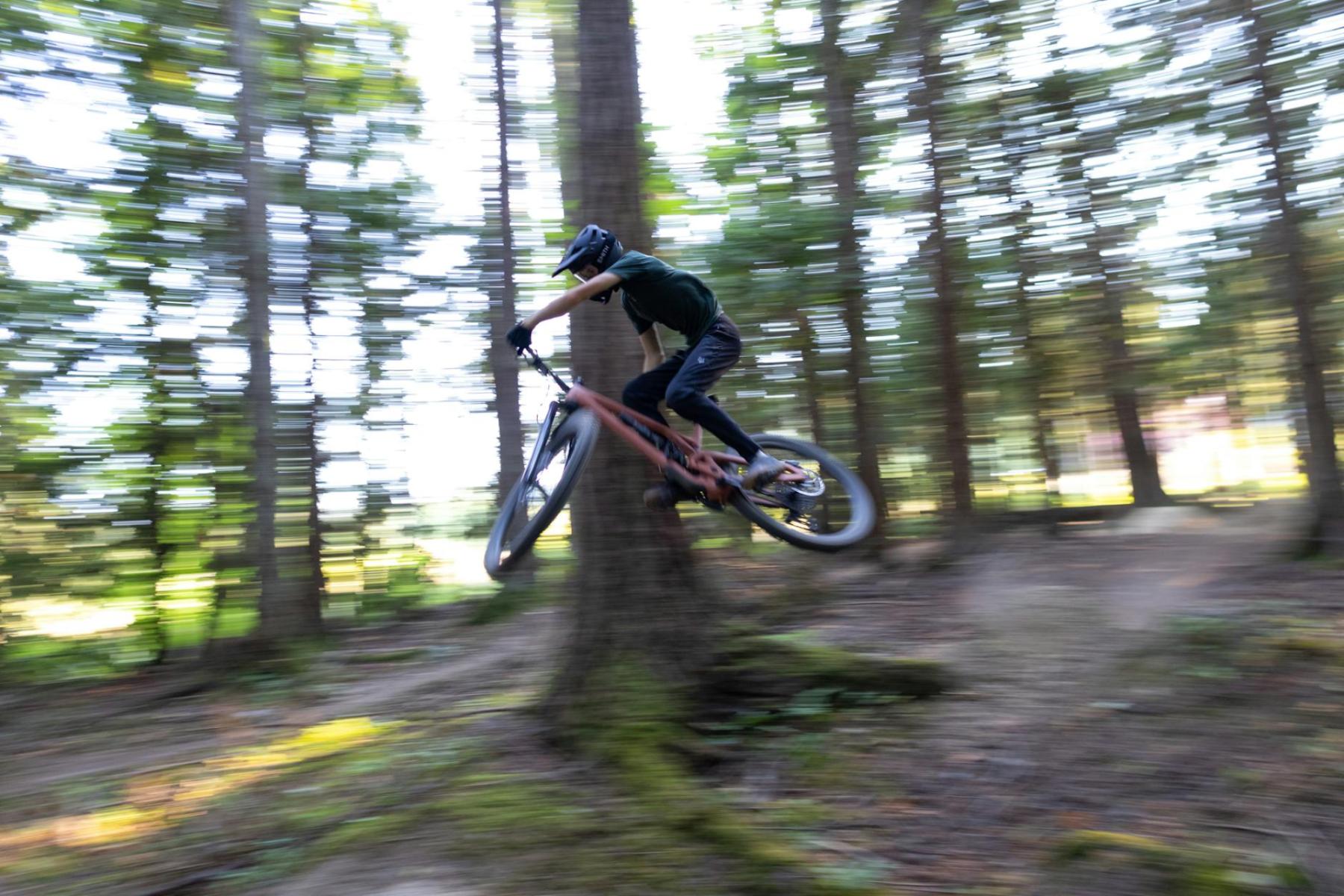
The first thing you hear is the low hum of tyres. Then the rustle of needles and the soft hiss of brakes as you close the line on a berm. Light slices the half‑dark between spruce, and the trail — narrow to handlebar width — seems to reel itself under the wheels effortlessly. This is how "flow" is born in the Izera Mountains: on the loops of Singletrack Świeradów and on the Czech side under Smrk. And while people say these trails "ride themselves", that apparent effortlessness is very precise engineering of motion, light, water and... rider psychology.
Anatomy of flow: what makes a trail flow
A good singletrack is like a well‑arranged musical piece. It has tempo, phrasing and rests. On a bike that means: constant turn radii that let you hold speed; terrain waves — rollers — that give rhythm and free energy; and even gradients on climbs so ascending isn’t a series of bursts but a calm, predictable run. The finishing touch is the cross‑section: subtly banked so water doesn’t pool in ruts and destroy the surface. A good drainage line is invisible, and it always works.
"Flow" is also born from legibility. Your head goes where you look. So a turn mustn't "close" suddenly, and a trail shouldn't vanish behind a wall of spruce without signals — a slight widening, a clearer berm entry, a warning arrow or a pictogram. On the Izera loops this is standard: one‑way traffic organization and a signage system mean you don't fight oncoming traffic or the uncertainty of what's around the corner[1].
Świeradów: loop logic, signs and surface
In Świeradów‑Zdrój the Singletrack loops are by definition one‑way and narrow — up to one metre wide — and their gradient is kept around 5%. It sounds technical, but these numbers translate directly to pleasure: modest descents limit skids and erosion, and the width enforces precision and orderly movement. The effect? Fewer conflicts, more fluidity and a better dispersal of users through the forest[1].
Trail entrances and the junctions linking tracks are clearly signed — with a map and colour‑coded difficulty levels. These are colours read intuitively by skiers and riders alike: the darker, the harder. In practice the real language is geometry: when berms keep a constant radius and rollers have predictable spacing and height, even an intermediate rider will find a rhythm. After a moment you start to "read" the ground: you enter the turn a little higher, look well past the apex, absorb with the fork at the top of a roller and pump when the trail asks for energy. You'll also notice how frequently sightlines and straights before a corner organise movement so faster riders can pass slower ones without stress.
The surface is its own language. Izera singletracks use local aggregate and sifted rock debris, and in sensitive spots — above seeps, on roots — they get wooden walkways or bridges. These details aim to make the trail progressive but not fragile; to provide a firm, even gravel under the wheel that won't turn to mud after the first downpour. A well built single will withstand a rainy July and September frosts, because water has somewhere to run and the wheel has somewhere to return on the crest of the berm.
Singltrek pod Smrkem: a school of trail thinking
On the other side of the border, under Smrk, trails wrap the northern slopes and descend to Nowego Miasta pod Smrkem. Here the singltrek idea became a coherent, recognisable product: a target network of trails with one key word — quality. It's no accident that Welsh trail‑builder Dafydd Davis worked in the region (and still advises), one of the architects of contemporary MTB trail standards[2][3]. In spring 2016 he took part in an assessment of the existing infrastructure and management model, whose conclusions helped to organise thinking about a joint Polish‑Czech system — from branding through maintenance to information at trail starts[2].
It shows on the ground. Singltrek pod Smrkem "teaches" how to ride: you get recurring family‑friendly sections with gentle gradients and wide arcs, flow sections with rhythmic rollers and berms, and longer, zigzagging climbs with even pitch. The common denominator? Predictability and sequencing: the movement should flow, not yank you out of rhythm. And the trailheads — clearly organised on the Czech side — build a culture of use: you know where to join a loop, where to check messages, how to avoid temporary closures and which way to descend to the town for a break[2].
"Signage is an integral part of the trail" — reads an audit report from years ago. Behind that simple phrase lies practice: signs work when they’re in the right place, and closure notices appear where you’d look for them[2].
For a rider from Świeradów a trip to Smrk is not a "different story" but a natural extension of a day on the bike. From town you’re a stone’s throw from the loops under Smrk, and the character differences — from more family‑oriented, twisty lines to longer crescendos of descent — compose a single riding experience in the Izera range.
Singletrack Glacensis: different signs, same movement logic
If we move our thoughts to the Kłodzko Land, to Singletrack Glacensis, we find the same design language — rollers, berms, gently climbing traverses — but a different communication policy. This project is promoted today as the longest singletrack network in Europe, made up of loops that return you to the starting point[4]. And although the colours on the boards can be confusingly similar to ski colours, there’s an important difference here: on many sections colours do not strictly indicate technical difficulty or fitness demands — they are rather a way to organise the network and traffic. Usage rules, including a precise description of the role of colours, are set out in the State Forests regulations, and clear boards at gateway entrances help not only to choose the right loop but also remind you of safety rules[5].
This is an important distinction for flow and safety. Colour doesn't absolve you from thinking: instead of relying solely on hue you read the terrain, follow arrows and warning pictograms, note surface changes and the angle of berms. As a result, flow is not a blessing from the design team but a relationship between your technique and the trail's legibility.
Bike Park Świeradów: gravity, events and different logistics
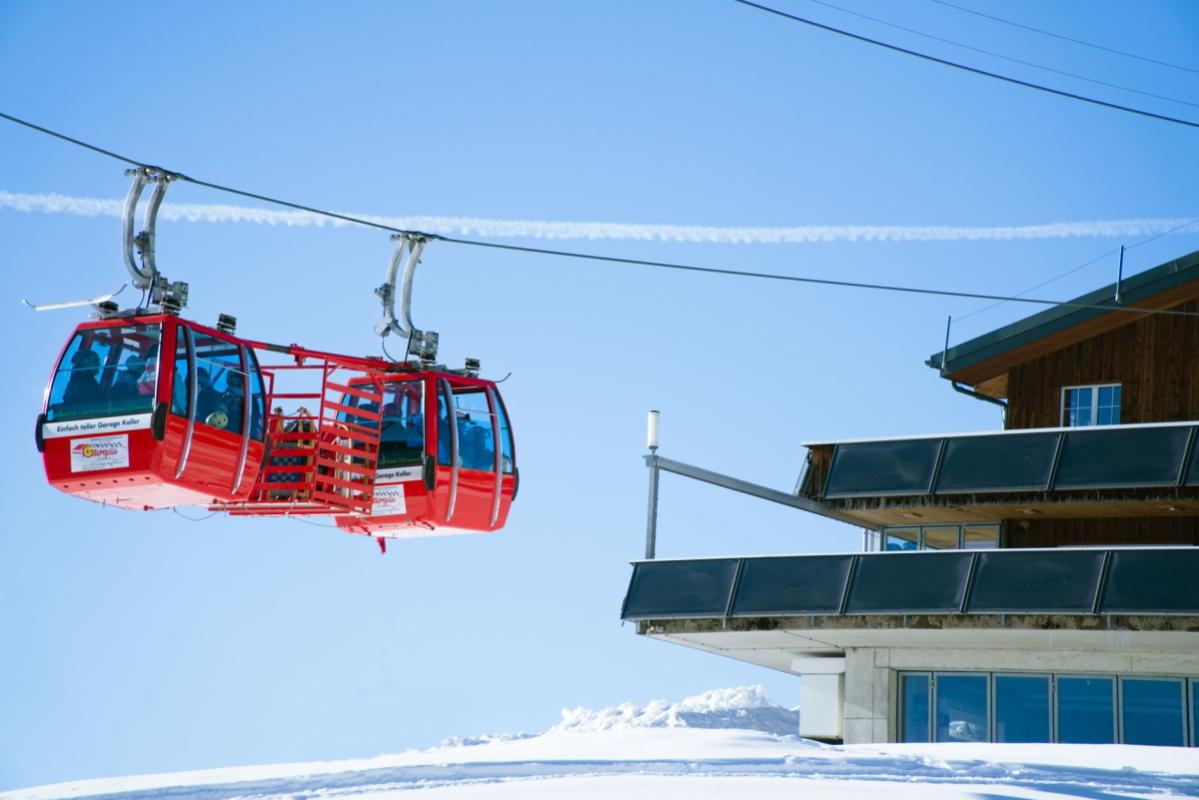
In summer Stóg Izerski becomes Bike Park Świeradów. This is a completely different model from the forest singletracks. First — gravity: the centre’s role is to provide descents of various difficulties with convenient uphill transport (gondola, chairs or dedicated shuttles), and the trails are of a "downhill/flow" character with bigger berms, drops, tabletops and jump sections. Second — equipment and service: the centre runs a rental, workshop and school; events and races (e.g., bike weekends, festivals) are easier to stage and have their own logistics and safety standards[6].
Maintenance needs differ too: the bike park relies more on groomers, shovels and excavators, because large berms and landings need quick intervention after rain. Forest singletracks depend more on drainage, shaping crests and regular inspections of critical points (culverts, bridges, runoff channels). Together these worlds create a coherent offer in Świeradów: loops for endurance and technical riding, plus gravity lines for those who want to spend more time "downhill".
The key to reading a trail: what a corner, a roller and water tell you
How to understand lines in the Izera
- A constant‑radius turn invites you to look past the apex. If a berm "closes" suddenly — slow down before the entry, not in the middle. When the berm profile is high and wide, you can carry more speed; when it’s low — the trail asks for a softer, rounder line.
- Rollers are the metronome. If they're even and measured, you can "pump" and recover energy. When the first one rises before a corner, it's a signal the designer wants to slow you before a tight sequence.
- Climbs on good singles have a steady angle. That encourages you to find a cadence instead of riding in bursts. Do you get the sense that it "carries" you? That's exactly the point — the tempo shouldn't die.
- The surface tells you where water flows. A slight inward camber to a berm and micro‑ruts on the outer side are drainage cues. After rain stick to the crest of the berm and the hard line — don't cut shortcuts over soft ground.
- Signs exist for a reason. The one‑way nature of the loops in Świeradów is not a whim — it guarantees flow and safety, because no one will pop out at you from behind a berm going the wrong way[1].
Why Izera trails "ride themselves"
Because they are designed like a good story. They keep rhythm, build tension and provide release. They don't force last‑minute decisions but suggest them: a high berm signals speed, a small chicken line beside a harder obstacle eases stress, and a steady traverse uphill calms the pulse. The best design is invisible — you just feel you ride more confidently than usual because the terrain is playing to your advantage.
Layered on top of all this are local choices. In the Izera — with their coarse aggregate, springy litter layer and water surprises from seeps — a trail must resist moisture while not being as hard as concrete. Rollers and berms here are not "attractions" but tools to control water and speed. When you ride and feel the wheel doesn't wash out and the arc doesn't dig in halfway — that's this kind of engineering at work.
Where the worlds meet: town, forest and mountain
Świeradów‑Zdrój is fortunate in geography. On one side are the forest loops of Singletrack Świeradów, on the other the Czech trails under Smrk and their trailheads, and above the town — Stóg with a gondola and a summer bike park. In practice a whole day can look like this: a warm‑up on a family loop, a longer outing towards the Czech lines, a return over the ridges above town and a final descent on a gravity line. Three different riding languages, one landscape.
To say goodbye, it's worth listening once more to the sound of the Izera forest. A tyre whispers, a berm hums, water drips from the edge of a boardwalk. A trail doesn't tend to shout — when it's truly good, it speaks in a low voice. And you simply ride.