From source to treatment: how Świeradów and Czerniawa keep radon and CO₂ in their waters
A behind‑the‑scenes guide to balneotechnics in Świeradów‑Zdrój and Czerniawa‑Zdrój: how acidulous, radon‑bearing waters travel from well to pump room and treatment bath with their most precious ingredients intact. Learn why freshness, closed transfer, and gentle handling matter, and how these radon springs compare with the hot, fluoride‑silicate waters of nearby Cieplice and the mixed profile in Lądek‑Zdrój.
The first thing you notice in Świeradów after rain is the scent of resin. Step into the Promenade Hall and the larch timbers hush your stride; at its heart a modest pump room murmurs, glasses clink, and the water tastes faintly of stone and green apple. Here and in neighboring Czerniawa, a quiet choreography unfolds each day: mineral waters rise from wells, hurry through hidden lines, and arrive in a glass, a tub, or a nebulizer with their liveliest character intact.
What the water is, before we touch it
Świeradów–Czerniawa draws on its own wells tapping low‑mineralized, bicarbonate–calcium–magnesium acidulous waters bearing iron, fluoride and trace radon — waters that also carry free, naturally dissolved carbon dioxide.[1] Taken together, it’s a classical Central European spa profile: gently mineral, lightly sparkling, and, because of the radon and CO₂, exquisitely sensitive to how it’s handled from source to treatment point. ([uzdrowisko-swieradow.pl])
This isn’t marketing poetry but hydrochemistry. Radon belongs to the noble gases: sparingly soluble and quick to escape once water meets air. In radon‑rich groundwater, any contact with the atmosphere means continuous loss by volatilization; warming the water, lowering pressure, or aerating it throws the door even wider for the gas to leave.[3] The physics could not be clearer, and it governs every technical decision a spa operator makes — from pipework to pace. ([en.wikipedia.org])
From well to room: the choreography that keeps gases in
Think of the journey in three acts. First, capture: the water is brought to the surface from licensed intakes — in Świeradów, the operator holds a long‑standing concession to extract and use the medicinal waters in town facilities — and is directed immediately toward points of use.[2] Speed matters: radon decays with time and escapes with agitation; CO₂ comes off with pressure drop or stirring. ([uzdrowisko-swieradow.pl])
Second, transfer: closed runs reduce contact with air. Where operators can, they avoid sprays and cascades, keep water cool until it must be warmed for comfort, and minimize turbulence at every turn. These are simple extrapolations of how dissolved gases behave, but they are also the quiet art of balneotechnics here: keeping what nature dissolved, dissolved, until the very moment a treatment begins. ([en.wikipedia.org])
Third, delivery: the last meters are decisive. A smooth, short route into a tub preserves more of the volatile fraction than a long line with fittings that whip the water or aerators that “freshen” it. For inhalations, the technique is different again: water can be nebulized, or radon‑bearing air can be used under medical supervision — Świeradów, Czerniawa and Lądek‑Zdrój are all noted for radon inhalation therapy in the historical and contemporary record.[3] ([en.wikipedia.org])
Three ways to take the waters — and what to ask on the day
1) Baths: the full‑body exchange
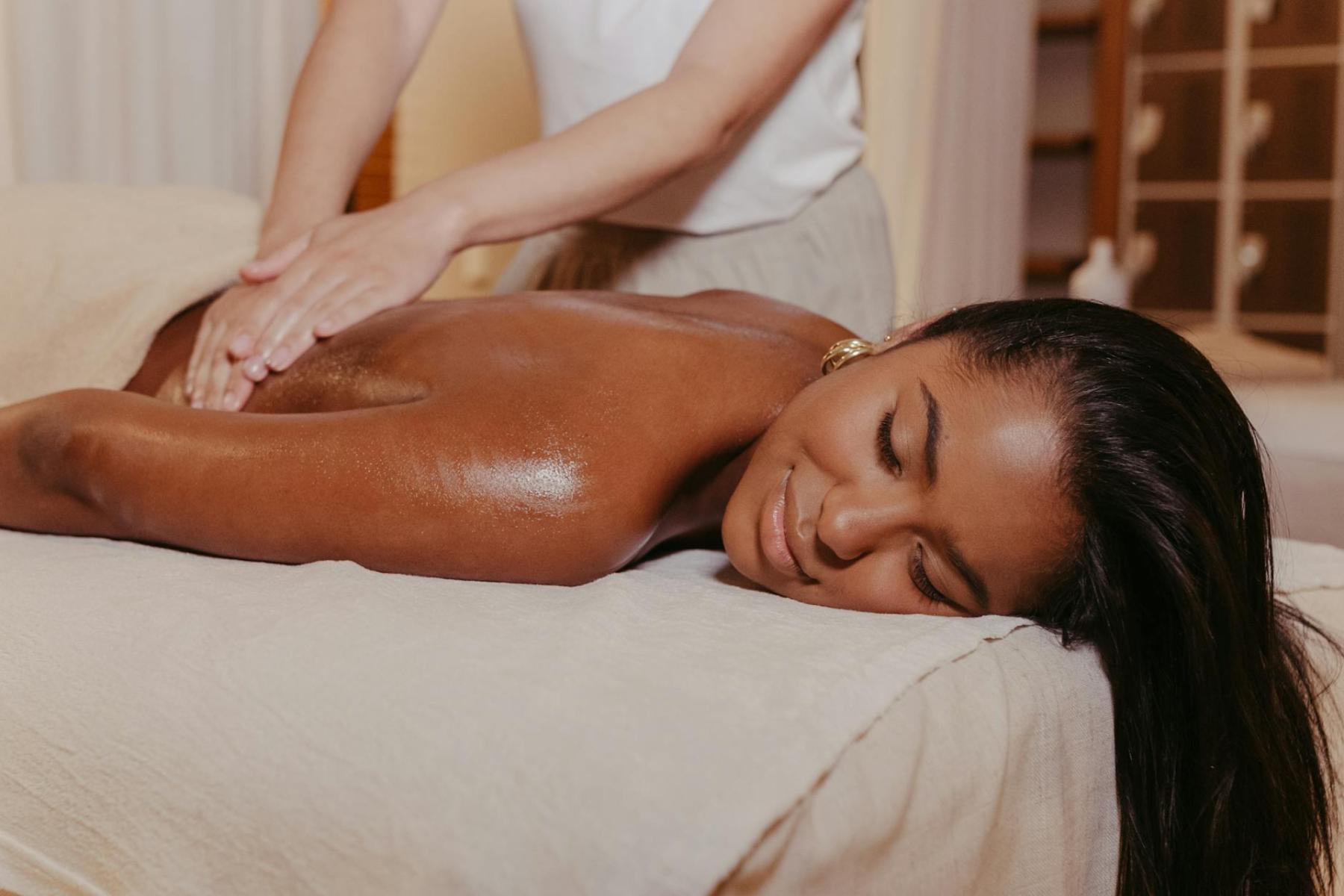
In a classic radon bath, you’ll sink into softly effervescent water. What you can’t see is what the staff has been guarding: the gas fraction that gives radon waters their distinctive therapeutic profile. Two things help keep it there until you slip in: modest temperature and gentle hydraulics en route. Ask which intake fed your tub, how long the transfer took, and whether the bath is drawn fresh for you or recirculated. The answers tell you how quickly water moved from a sealed system into your bath — and therefore how much of its dissolved radon and CO₂ plausibly remain when you step in. The operator in Świeradów–Czerniawa performs radon baths by physician’s order, an approach embedded in the concession framework for medicinal waters.[2] ([uzdrowisko-swieradow.pl])
2) Inhalations: a targeted route to the lungs
Radon inhalation isn’t a romantic vapor; it’s a prescribed procedure where dose and duration are carefully controlled. In Polish practice, this can mean inhaling aerosolized mineral water or radon‑bearing air in a supervised setting, and Świeradów, Czerniawa and Lądek‑Zdrój appear in standard listings of places offering such therapy.[3] When you check in, ask the therapist how the aerosol is produced, what particle size the device targets, and how fresh the feed water is that day. If the room hums with compressors and the mist feels dense but soft on the cheek, you’ll know the equipment is doing its job without brutalizing the water on the way. ([en.wikipedia.org])
3) Drinking cure: glass in the Promenade Hall
Świeradów’s Mineral Water Pump Room sits inside the larch‑wood Promenade Hall — a grand space where footsteps soften and the aroma of timber mingles with the faint metallic tang of the tap. It’s a setting built for unhurried sips and conversation, not haste.[1] When you lift a glass here, you’re meeting the water mainly for its bicarbonate, magnesium, iron or fluoride profile; radon, being so volatile with a short half‑life, diminishes swiftly when water is bottled or exposed to air and time — a century ago it was already clear that by the time radon water reached a customer, little remained of the gas.[3] If you’re curious, ask staff how often the line is purged and whether different wells rotate on the pump; they’ll tell you which character you’re tasting that week. ([swieradowzdroj.pl])
Where to see the care up close
Make the Promenade Hall your anchor. The pump room is approachable — you watch the flow into a glass, feel the fine prickle of CO₂ on the tongue, and sense the place where daily ritual meets chemistry. In the Spa Museum nearby, the town’s treatment culture is laid out in photographs and instruments: the slow maturation of know‑how that underpins those quiet pipelines below your feet. And when you step into Czerniawa‑Zdrój’s intimate spa park, pause by the lawns and listen; even the choreography of the grounds seems set to a slower metronome, as if the waters needed calm on the surface to keep their liveliness underground. ([swieradowzdroj.pl])
How Świeradów’s radon waters differ from Cieplices’s heat and Lądek’s mix
Travel 30–40 minutes by road and the story changes character. In Cieplice Śląskie‑Zdrój, Poland’s oldest spa, the waters are thermal, low‑mineralized but saturated with fluoride and silica, and famously hot — modern analyses cite outflows up to around 90 °C.[4] Hydrotherapy there is built on thermal water as the working medium, so the technical priority is different: cooling and distributing heat without dulling the water’s native chemistry, rather than protecting a fleeting, volatile radon fraction. You’re still likely to see closed runs, because any mineral water benefits from clean, stable handling — but the “soul” being guarded is temperature and the fluoride–silicate character, not a noble gas that wants to leave. ([en.wikipedia.org])
Head southeast to Lądek‑Zdrój and a third profile emerges. Here, treatments are classically associated with thermal waters rich in sulphide and fluoride; in parallel, the town appears in the canon of places known for radon inhalation.[1] For a visitor, that means menus that span sulphide‑fluoride baths — with their distinctive, faintly sharp scent — alongside programs where radon exposure is calibrated in controlled settings. When you arrive, ask two things: which spring your bath draws from, and whether your plan includes an inhalation sequence; it’s the interaction of those two qualities — the bath chemistry and the radon protocol — that shapes a Lądek week. ([polska.travel])
How to be a good steward of your own treatment
- Arrive on time. In radon work, freshness is not a nicety; it’s a parameter. A short wait between draw and use preserves more of what you came for. ([en.wikipedia.org])
- Go easy on agitation. Swirling a glass, splashing a tub to “mix it” — that’s exactly how gases escape. Let the water be. ([en.wikipedia.org])
- Ask intelligent questions. Which intake is today’s source? How long is the transfer line? Is the bath made fresh or held for you? Staff will read your intentions and often share more of the behind‑the‑scenes craft.
- Remember the distinctions. In Świeradów–Czerniawa, radon baths and inhalations are prescribed medical treatments performed within the operator’s concession; the pump room offers a gentler, daily acquaintance with the waters’ mineral body. Treat each for what it is. ([uzdrowisko-swieradow.pl])
There is, finally, an aesthetic to it. On a grey morning, you’ll notice how staff draw bathwater without fuss, how the line to the glass is short and calm, how no one shakes a carafe. It’s not ceremony; it’s physics in the service of tradition. In a region where one town tends delicate, radon‑sparked acidulous springs and the next commands scalding fluoride–silicate heat, the common thread is care — of water, of time, of small decisions that keep a living spring alive at the moment it meets you.