From Mountains to Water: How to Combine MTB, Enduro and Kayaking at Lake Złotnickie
Świeradów-Zdrój makes it possible to plan a day in which mountain riding does not end with the final descent. Here is how to combine the singletracks, Bike Park Świeradów or a longer MTB route with kayaking, SUP, a pedal boat or a leisurely afternoon beside Lake Złotnickie.
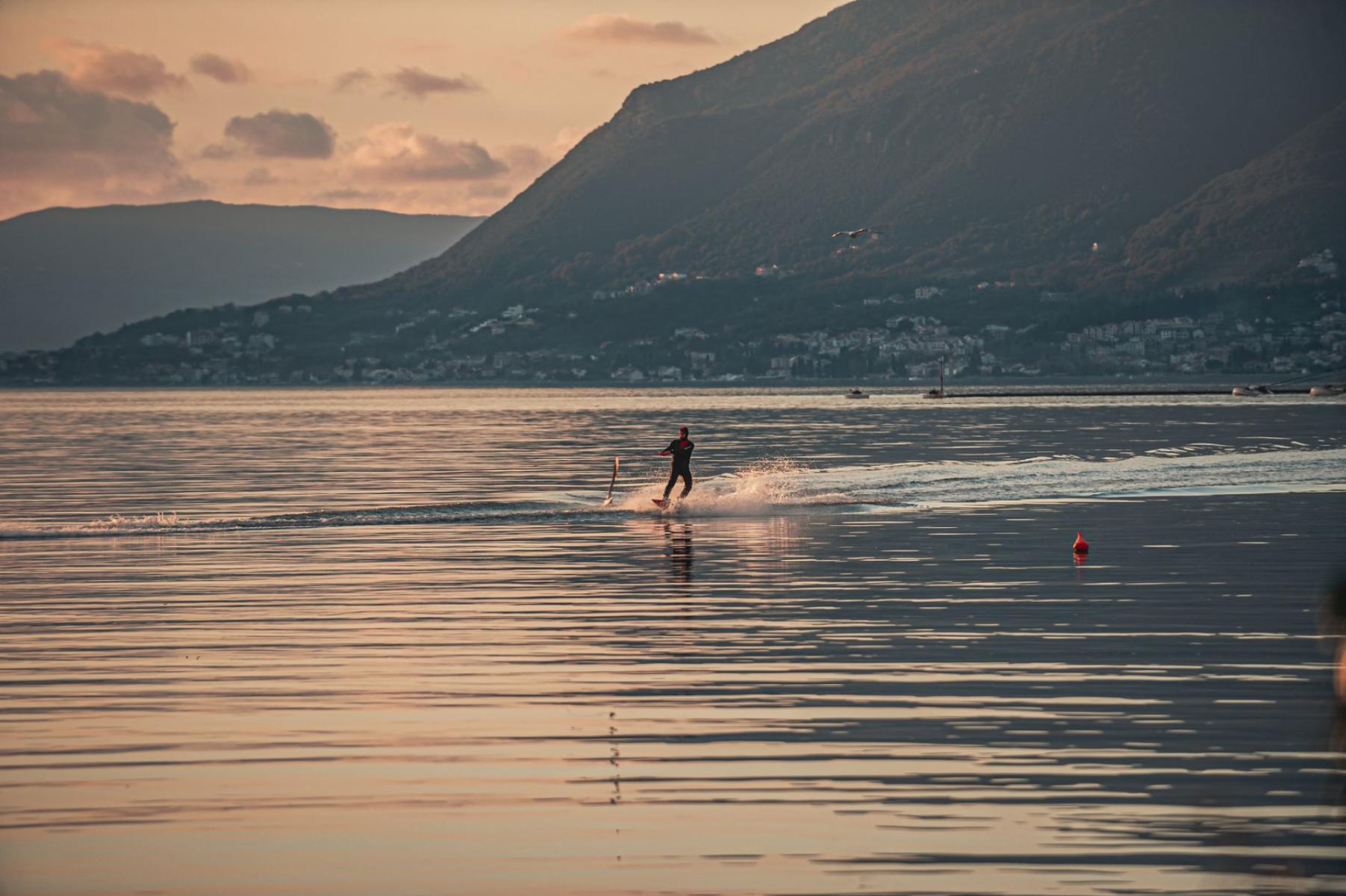
Lake Złotnickie covers 120 hectares—more than enough space to plan a full second half of the day here after a mountain ride, rather than just a brief stop by the shore[1]. The best plan, however, is not about mechanically ticking off two attractions. It is about changing the type of exertion: the technical decisions, climbs and descents of the Izera Mountains give way to unhurried paddling on the water.
Świeradów-Zdrój lends itself well to this kind of combination because it offers several entirely different ways to ride. You can choose a forest singletrack, the gravity lines of Bike Park Świeradów or a longer MTB outing. Afterwards, it is a matter of travelling to the body of water between Gryfów Śląski and Leśna. The town’s official materials state that Lake Złotnickie is approximately 18 km from Świeradów-Zdrój, and that marinas and water-sports equipment rental facilities operate along its shores[1].
First decide what kind of riding you really want to combine with the water
The most common mistake is to use the word “cycling” as though it described a single type of activity. In Świeradów, the difference between a singletrack, the Bike Park and a long MTB route is significant enough that each option calls for a different plan, different equipment and a different assessment of your own energy levels.
Singletrack Świeradów: technique without all-day fatigue
Singletrack Świeradów consists of natural forest trails for one-way riding, no more than 1 m wide, with gradients of up to 5%. The routes are divided into four levels of difficulty. The green option is flat, wide and bidirectional; the blue loops remain technically easy, the red ones require more experience, while the black routes incorporate more challenging features, including side-slope riding and wooden bridges[2].
This is the best choice for anyone who wants to have enough energy left for the water. A blue loop, or a red one ridden at a relaxed pace, lets you get a feel for the terrain, work on bike handling and finish the mountain section without reaching the point where every subsequent decision calls for a break. In a plan that combines cycling with kayaking, the goal is not a record. It is to still feel like getting into a boat after changing clothes.
Bike Park Świeradów: gravity, repetition and greater demands
Bike Park Świeradów operates according to a different logic. Its downhill lines are designed for gravity riding, while repeated runs are made easier by the gondola lift. This means more intense descents, greater strain on the hands and brakes, and a smaller contribution from climbing to the overall workout. A study devoted to Świeradów’s cycling infrastructure clearly distinguishes the Bike Park from the network of forest singletracks: it is a space for faster lines, berms, compressions and obstacles requiring precision[4].
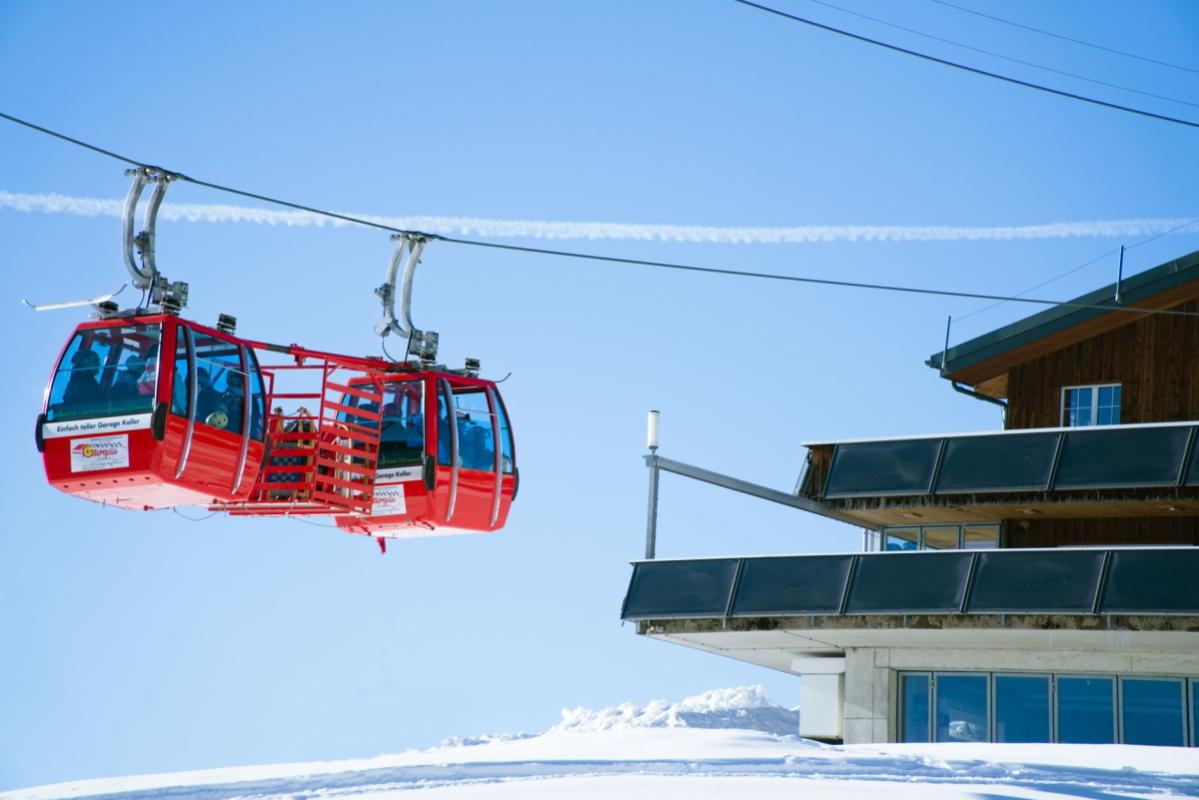
The Ski&Sun gondola route is approximately 2,171 m long and carries bicycles, allowing riders to conserve energy on the climbs and begin their descent high above the town[3]. In a “gravity plus paddling” itinerary, it is worth treating the gondola as a tool for limiting overall volume, not as an invitation to an endless number of runs. After several hard descents, your forearms may be more fatigued than your legs—and that is precisely when getting into a kayak stops being relaxing.
Longer MTB rides: landscape instead of repeated runs
For touring-oriented cyclists, a route that distributes the effort more evenly will be a better choice. Ski&Sun highlights, among others, the shorter MTB Route 21, approximately 6 km long, and the longer “Around the Kwisa” Route 22, covering approximately 25 km[3]. These rides are entirely different in character from the Bike Park: fewer repetitions, more travelling and more time to take in the valleys, forest roads and local towns.
If you are planning to kayak after cycling, do not choose the longest possible loop simply because you have the whole day. A longer MTB outing makes sense when the water-based part will be short and easy—for example, an hour on a pedal boat or some time relaxing by the shore. If you are dreaming of a longer paddle, it is better to shorten the cycling route than to try to fit two full workouts into a single day.
Three day plans that are genuinely achievable
1. Gravity plus paddling
This is an option for experienced cyclists who know how their bodies respond to fatigue. Begin the mountain section at Bike Park Świeradów, using the gondola and choosing several runs rather than an all-day pass used to its limits. After the descents, you will need a calm meal, hydration and time to change.
At Lake Złotnickie, choose a kayak or SUP only if conditions are stable and your arms have recovered their strength. Paddling after several hours of downhill riding should not be a test of ambition. Stay close to the shore, do not head towards the hydraulic infrastructure, and ask the marina staff which parts of the lake are designated for recreational craft.
2. Loop plus recreation
This is the most versatile option for couples and groups with different levels of experience. In the morning, choose a blue singletrack or a shorter MTB route, without the pressure to ride at maximum speed. Afterwards, you can travel to Lake Złotnickie, stop at a marina and decide on the spot whether you want to hire a kayak, pedal boat or SUP board—or simply spend time by the shore.
Its advantage is flexibility. If the cycling proves more demanding than expected, the water-based section can be limited to relaxing. If the route goes quickly, there is room for an easy swim or paddle at the lake. There is no need to book two hours on the water in advance if the rental facility allows shorter periods—but this should be confirmed before you arrive.
3. A family option without racing the clock
For a family itinerary, it is not worth starting with the most spectacular part of the programme. The green section of the Singletrack is flat, free of unnecessary bends and described as suitable for children[2]. Treat it as a short introductory outing: see whether everyone enjoys the forest surface, how the children manage braking and whether the family feels like doing more.
The second half of the day can be even simpler. Instead of a kayak for the whole group, choose a pedal boat or relax by the shore. If you do decide to take a boat out, every participant should be given a properly fitted life jacket, and children should remain under the direct supervision of adults. When swimming abilities vary, it is better to begin with a short outing near the marina than to plan a long route across open water.
Logistics: 18 kilometres makes more difference than you might think
The approximately 18 km between Świeradów-Zdrój and Lake Złotnickie is not a problem in itself, but it rules out last-minute planning. It is a separate stage of the day, especially if you are travelling with two or three bicycles, helmets, shoes and water-sports equipment. Your own car or a transfer arranged in advance will be the most convenient option. Do not assume that every local transport provider will accept bicycles without prior confirmation.
If you are using a bicycle-rental facility in Świeradów, ask whether the equipment may be taken beyond the immediate area of the resort. If you are bringing your own bike, check the rack before setting off into the mountains, and remove mud from the tyres and drivetrain after riding before loading it into the car. It sounds banal, but a wet bicycle, towels and life jackets can turn the boot into the least enjoyable part of the trip.
Do not treat the Złotniki Dam as an automatic launch point. The dam and its surroundings are recognisable landmarks, but the exact launch site, parking and access to the marina depend on the operator and the current organisation of the area. The town’s materials list marinas and water-sports equipment rental facilities at Lake Złotnickie, but you should not assume that every one of them offers the same types of craft[1].
Save two locations on your phone: the place where you finish cycling and the marina’s exact address. With a larger group, also decide who will drive, where the keys will be kept and whether you will be able to change clothes after getting off the water. These decisions take a few minutes before departure and can save an hour of improvisation.
The water requires its own safety plan
Lake Złotnickie is not an extension of the cycling trail. When the activity changes, so do the risks: on the water, wind, visibility, temperature, the movement of other craft and distance from the shore all matter. Poland’s list of restrictions for Lake Złotnickie specifies a ban on using craft powered by combustion engines, with certain exceptions[5]. For kayakers, this primarily means a body of water without typical motorboat traffic, but it does not exempt anyone from observing their surroundings or following the signage.
Check the forecast before setting out, ask the staff about current conditions and do not go on the water in gusty winds. In its recommendations concerning water sports, the police remind users to keep a safe distance from other craft, adjust their speed to the conditions and equip children using watercraft with life jackets[6]. When using a SUP, the life jacket should be worn, not stowed beneath the board.
Do not combine the sporting sections of the day with alcohol. Nor should you treat swimming as the automatic finale if the location is not a designated, supervised bathing area. You can enjoy time by the water without entering it, and after an intensive ride, that is often the wiser decision.
Checklist for an MTB-and-kayak day
- Footwear: choose shoes in which you can both walk along the shore and safely get into a kayak. Do not bring only cycling shoes with cleats for the water-based section.
- Change of clothes: a dry T-shirt, shorts or trousers, a light sweatshirt and a towel should be packed in a separate bag.
- Phone protection: use a waterproof case, not just a zipped backpack pocket. You may need your phone to contact the group or call for help.
- Life jacket: ask whether the rental facility provides jackets for everyone and whether they are fitted according to height and body weight.
- Cycling equipment: helmet, gloves, pump, repair kit, spare inner tube or equipment for repairing a tubeless system.
- Food and drink: prepare enough for both activities. Your appetite does not disappear on the water simply because the pace is more relaxed.
- Time buffer: allow time for changing, the transfer, queues at the rental facility and a change of plan if the weather deteriorates.
- Documents and payment: confirm whether the rental facility accepts card payments, requires a deposit and what identification must be left when hiring equipment.
What to ask before launching
- Is the specific marina operating today, and does equipment need to be reserved?
- Is a kayak, SUP or pedal boat available, or only selected types of craft?
- What exactly does the price include: paddles, life jackets, seats and a waterproof bag?
- Where is it legal to enter the water, and how long may the equipment be used?
- Are there restrictions concerning children, the number of people or weather conditions?
- Can bicycles be left somewhere secure while you are on the water?
- Which parts of the lake should be avoided, particularly near the dam, jetties and areas heavily used by others?
The best trip built around this combination is not a contest to see who can fit in the greatest number of attractions. Its strength lies in the contrast: before noon, you work with your eyes, balance and brakes on the Izera trails; later, you allow the landscape of the Kwisa valley to move more slowly past you. Lake Złotnickie’s 120 hectares therefore change not only the scale of the setting, but also the way you plan the entire day—the mountains and the water are not two random attractions, but two stages of a single trip.