Dark Skies over the Izeras: Mountain Huts and Night‑Sky Waypoints between Świeradów‑Zdrój and Jizerka
A walker’s guide to pairing hut nights with deep‑sky views in the Izera Mountains. Why the cross‑border Jizera Dark‑Sky Park is unique, where to set up under the stars from Hala Izerska to Jizerka, and how to plan safe, low‑impact outings from Świeradów‑Zdrój—gear, etiquette, and dawn returns included.
The first thing you notice on a clear night in the Izeras is the size of the sky. Resin on spruce and peat after dusk; a hush on the wind; and above the black rim of forest, a spill of starlight that feels close enough to breathe.
Why this sky is different
The Jizera Dark‑Sky Park is the first transboundary preserve of its kind, declared in 2009 during the International Year of Astronomy—an international commitment to keep one mountain sky genuinely dark and to teach visitors how to protect it.[1] The area spans the upper Izera valley between Poland and the Czech Republic, wrapping the open bowl of Izera Meadow and running from Jizerka to Smrk on the Czech side—quiet corners where the glow of the lowlands drops away and the Milky Way still reads as a river of dust and light.[2] ([en.wikipedia.org])
From a base in Świeradów‑Zdrój, that promise is not merely theoretical. The town sits on the northern flank of the range with easy approaches to meadows, ridges and huts that become observatories after sundown. This is a guide to linking them—walking in by daylight, watching night rise, then returning at first frost and birdsong.
Izera Meadow and the warmth of a hut
Hala Izerska and Chatka Górzystów
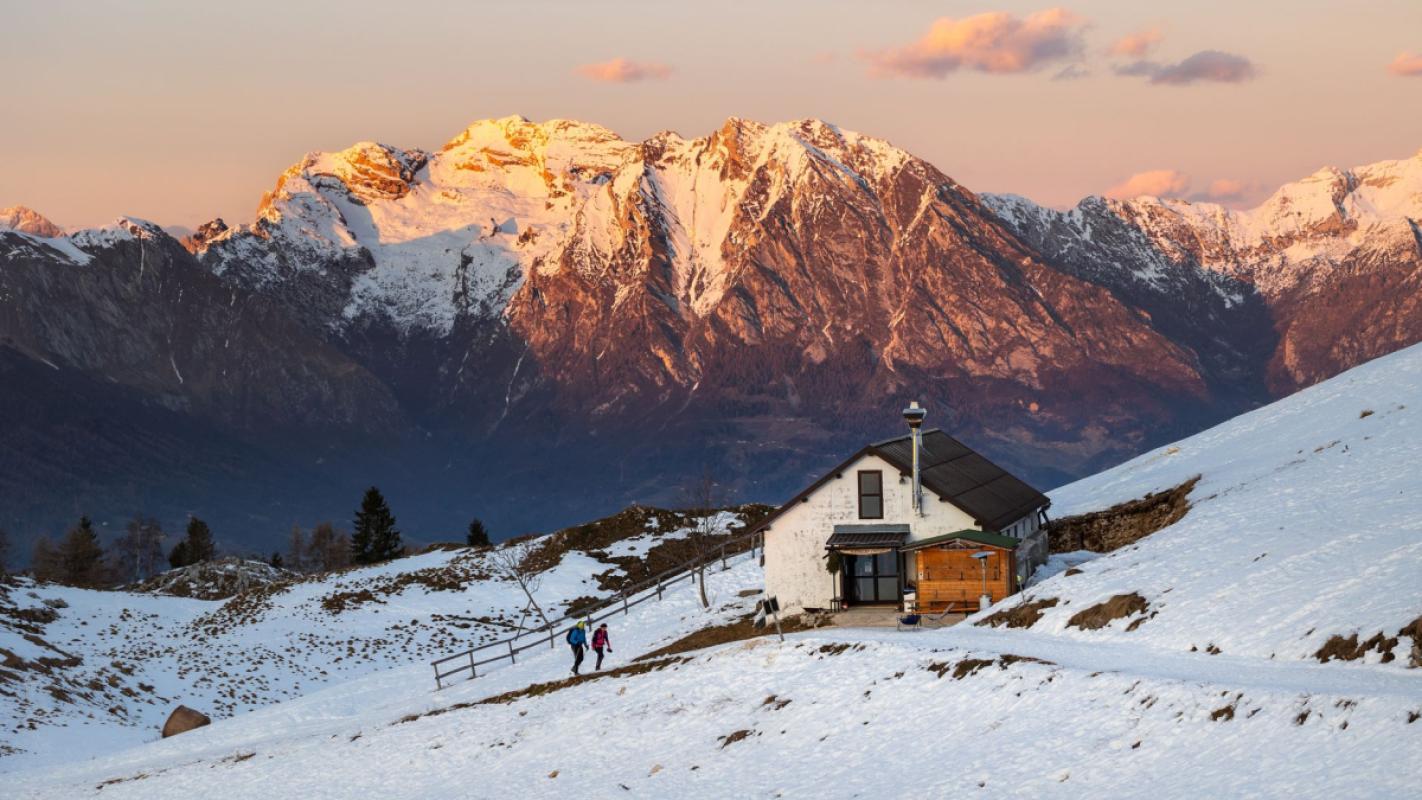
Hala Izerska—Izera Meadow—feels made for stargazing. Wind skims low across peat and wire‑thin grasses; on a moonless night the horizon becomes a dark oval and the sky seems to rest inside it. Near the heart of the meadow sits Chatka Górzystów, a modest mountain hut revived in the late twentieth century in the last surviving building of the vanished settlement once known as Groß Iser. Its lamplight is a friendly punctuation in all that space, a place for hot soup before the cold work of the night begins.[3] ([polska.travel])
If you’re new to reading the sky—or you’re convincing children that Orion is more than a picture in a book—take the planetary path that threads the meadow’s eastern end. The Astro Izery project laid out a scale model of the Solar System between Orle and Hala Izerska: steel plaques for the planets on boulders of different local rocks, with a granite‑ringed gnomon and a two‑face sundial at Orle. Walk it in daylight and your steps calibrate distances; return at night and those mental scales bring the stars into proportion.[4] ([swieradowzdroj.pl])
Where to set up: the meadow’s open flats between the hut and the treeline give you low horizons in several directions. You’ll hear the river when the air is still. In autumn, air drains into the basin and mist forms fast—carry a sit‑pad and expect dew on optics by midnight. If you plan to shoot the Milky Way core in late summer, frame south‑southwest early; by midnight the band has arced west and the spruce silhouettes bite higher into the galactic dust lane.
How to arrive and leave: start from Świeradów‑Zdrój after lunch to catch the last warm light on the meadow. The final stretch is easy underfoot but can feel endless in a crosswind—pace it. Spend your observing window near the hut, then turn in. A pre‑dawn return has a different beauty: the meadow is a faint silver, frost crunches on the planks, a jay scolds from the dark woods and first color lifts behind the ridge.
Jizerka’s wide meadows and a village that keeps the night
Across the border, Jizerka is a hamlet of light‑tight windows and long views. There is no public lighting here, and on a still night the constellations reflect in the black stripe of the Jizerka stream like a negative of the sky. Under typical conditions, the zenith is dark enough for the Andromeda Galaxy naked‑eye once you settle; low on the horizon, cityglow remains—proof that even the best European skies live in dialogue with distant towns.[5] ([en.wikipedia.org])
Where to set up: the mown edges of the big meadow are friendly to tripods and blankets; aim for gently sloping ground so any chill sink airs flow past you. Photographers should mind barn lights on private plots—many are dark by policy, but ask before you compose across someone’s field or driveway. If you hike in from the Polish side, bring an ID and set expectations for a late return: plan your route as a lollipop, looping your outbound and inbound legs so you don’t backtrack over any slick rooty sections by starlight.
Ridges, terraces, and an easy lift to the sky
PTTK Mountain Hut on Stóg Izerski and the gondola
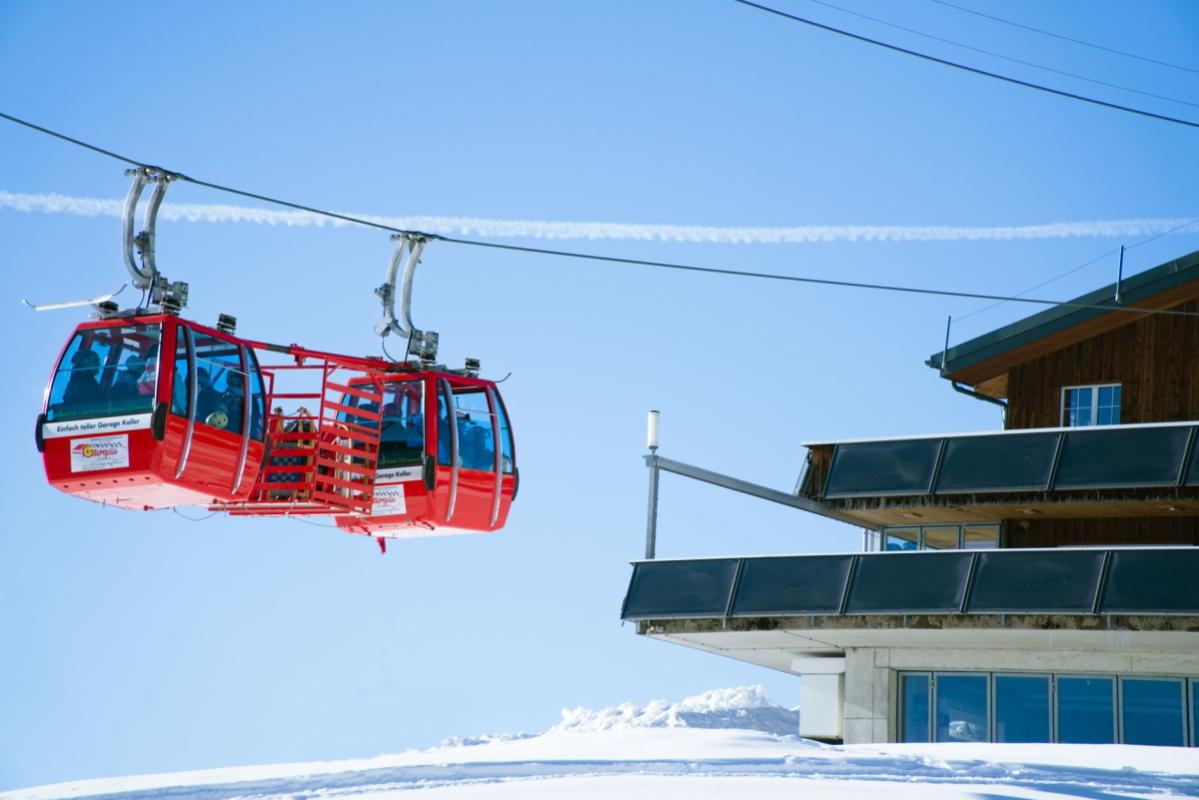
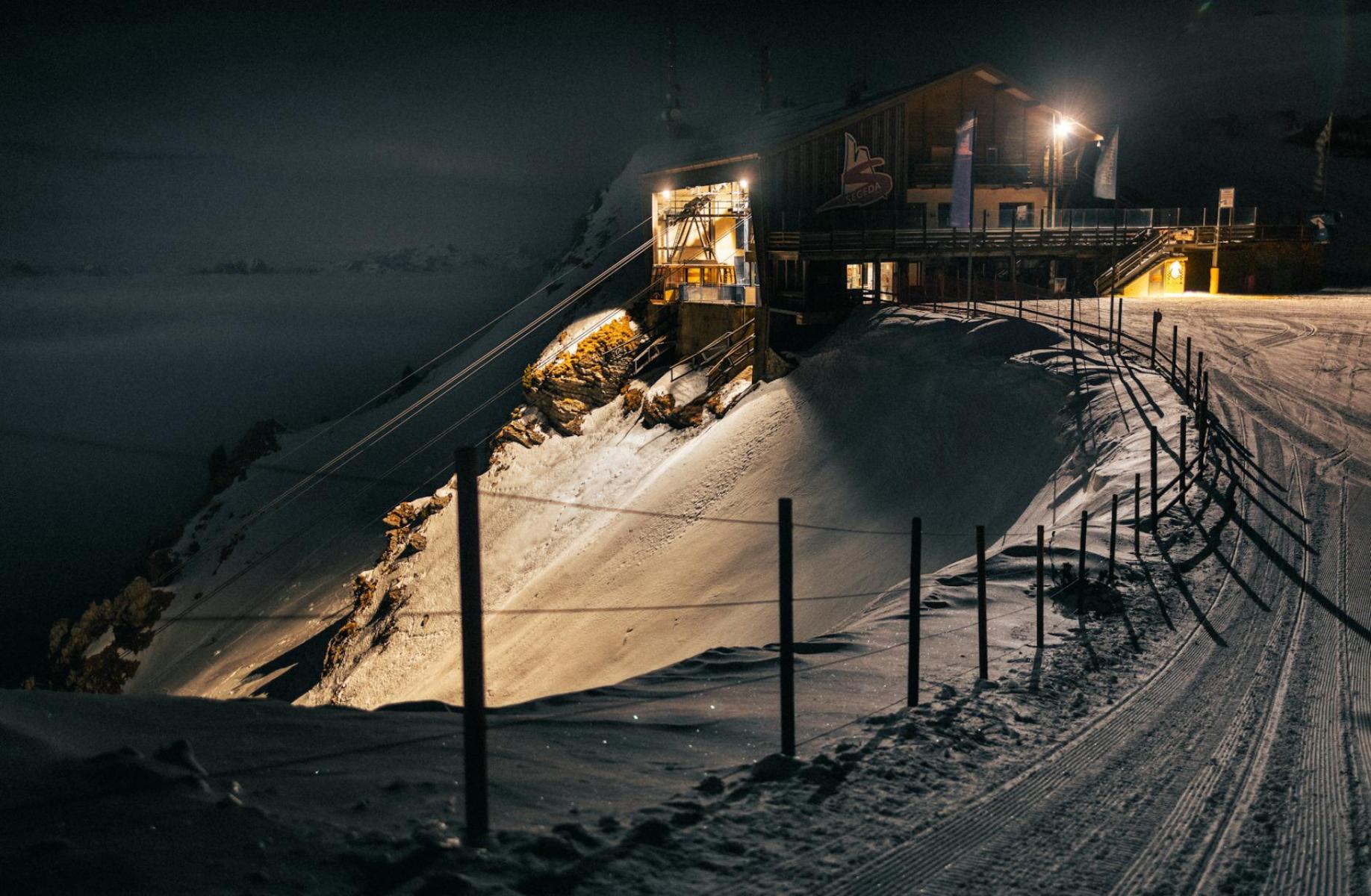
The high ridge above Świeradów collects pockets of darkness between trees and clearings. Just below the summit of Stóg Izerski, the PTTK hut’s timber galleries overlook the town lights—which is precisely the point: step away from the glow, walk two minutes into the dark, and the sky returns in full. A practical trick for families or mixed‑ability groups is the gondola: cabins float you from town to the crest in roughly ten minutes, making sunset‑to‑stars windows far easier to plan out of a spa day. It runs year‑round, though operating hours shift with season—check on the day.[6] ([swieradowzdroj.pl])
Between the hut and the summit, small gravel terraces open south and west; bring a narrow‑beam red headlamp for footwork and let your eyes adjust. If clouds scud in and out, these ridge spots reward patience: wait for a slot in the ceiling and the night will show you depth in flashes—Jupiter through a ragged hole, Cassiopeia like a white stitched “W,” a meteor punching cleanly across Ursa Major.
On the long red path
For ambitious walkers, the classic long‑distance route across the Sudetes starts in Świeradów‑Zdrój and runs the Izera crest toward Szklarska Poręba. That red‑blazed path lends natural stage points for night observing: clearings near the crest, meadow‑edges, hut forecourts where you can step into shadow quickly without trampling vegetation.[7] ([en.wikipedia.org])
Outlier with a view: the meadows around Szrenica
Further east the terrain lifts into the Giant Mountains. Beneath Szrenica the open alp of Szrenicka Meadow sits in Karkonosze National Park—big sky, stone and grass, and a night wind that scrapes at your jacket zipper. The red Main Sudetes Trail and the border‑ridge Friendship Trail meet on Szrenica; plan conservatively here and stick to marked routes, especially after dark, when the granite outcrops and gullies cut the landscape into pockets of shadow. ([en.wikipedia.org])
Do not treat these meadows as a campground. No fires, no off‑trail wandering into fenced or fragile zones, and keep night voices low—this is a place for starlight, not sound. If you aim to catch astronomical twilight and hike down by first light, choose a line with gentle grades and clear blazes in daylight and mark it on an offline map to make the pre‑dawn exit simple.
How to plan a night with the stars
Build your day for the dark
- Walk in by afternoon. Give yourself time to watch the light change and to memorize your immediate terrain before full dark. If you will cross the border to Jizerka, carry ID and know your return route options.
- Anchor your night at a hut. A bowl of soup, dry places for spare layers, and a warm room to reset your core temperature at 2 a.m. can mean the difference between awe and misery.[3] ([polska.travel])
- Use lifts wisely. On Stóg Izerski, the gondola can open a quick window for sunset and first stars—just confirm last and first rides so you’re not forced into a steep night descent.[6] ([swieradowzdroj.pl])
Pack for cold, dew, and courtesy
- Headlamp with a dedicated red mode and spare batteries. Tape over any bright indicator LEDs on cameras or power banks.
- Layers count more than a single heavy piece: base layer, warm mid‑layer, windproof shell, hat and thin gloves even in summer. A sit‑pad and a light tarp or bag for gear stops dew chilling your bones.
- Tripod if you plan to shoot the sky; if not, bring binoculars—8×42 is a sweet spot for hand‑held scanning.
- Thermos, snacks with real salt, and a small dry cloth for optics.
- Offline maps, whistle, and a simple first‑aid kit; coverage can be patchy on the meadows and in folds of forest.
Low‑light etiquette in a dark‑sky park
- Keep lighting to a minimum. Use red light for reading, step off‑trail only where you can do so without crushing vegetation, and warn your group before you switch on a beam.
- Face screens down; dim displays until they’re just readable. If you must check a map, crouch and shade the phone with your jacket.
- Photographers: call out before starting long exposures so others know where not to walk. If someone wanders into your frame, that’s the night; try again. The sky is not a studio.
- Respect quiet. The meadows and valleys carry voices; keep conversations to a murmur. Remember that huts serve sleepers as well as sky‑watchers.
Learn to read the sky as you walk
Izera’s astro‑infrastructure is understated and useful. The Solar System model between Orle and Hala Izerska turns a family hike into a lesson in scale; the gnomon there makes noon a tactile thing, a shadow’s edge on granite; and the sundial on Orle’s walls shows how the day bends with season. Layer those small experiences and the night above the meadow stops being an abstraction—you’ll find yourself stepping outside after dinner and naming what you see, the way people in mountain towns have always done.[4] ([swieradowzdroj.pl])
And then there is the feeling of it. The soft knock of a mug on a wooden hut table. Boots drying by a radiator. The door opening to air that smells of spruce and frost, and the knowledge that, just beyond the last guttering light, the old constellations are waiting—familiar and, here, still plentiful.