Crown of Borderland Panoramas: The best viewpoints and towers from Świeradów‑Zdrój within 50 km
From spruce‑scented hillwalks above the spa to steel sky‑towers on the Czech frontier, this is your editorial map to the region’s most rewarding horizons. Build half‑day loops for beginners or dawn‑to‑dusk ridge days for photographers, and know which summits sing at sunrise, which terraces hold in the wind—and when to cross the border for a view that reshapes your idea of the Sudetes.
The first thing that surprises you after rain in Świeradów is the smell—resin and wet beech leaves—and how quickly the ridge uncloaks in the clean light. A spa town by reputation, Świeradów‑Zdrój also happens to be one of the best launchpads for views in the western Sudetes: short ascents to granite belvederes, long walks along an airy divide, and steel‑and‑glass icons that hover above a city skyline. You can spend a whole day on “nothing but views,” stringing lookouts into a loop that never feels repetitive.
How to read the horizon
Stand anywhere above town and you read a compass of ranges. South and east, the Karkonosze (Giant Mountains) lift in a high wall; westward the Lusatian hills soften into long shoulders; north, the Izera Foothills roll like swells. The High Ridge of the Izera Mountains—broad‑backed, wind‑polished—carries the eye between them. For photographers, morning light skims in from the east to chisel Karkonosze ridgelines; evenings glow on the High Ridge and the long sweep of the Jizera plateau. Wind matters: exposed towers feel twice as cold as the forecast. When the anemometer climbs, choose stone outcrops tucked below crests, or forest‑edged terraces where the air eddies rather than hits head‑on.
Close‑up frames above the spa: Sępia Góra and the town’s natural balconies
If you want a first, forgiving climb with a big payoff, point your boots toward Sępia Góra. Paths peel away from the spa quarter and rise through spruce to reach open rock and scattered glades. From the shoulder called Świętojanki on the south‑western slope, the panorama swings across Świeradów‑Zdrój, the High Ridge, and—on a clear afternoon—the Lusatian and Karkonosze horizons. These are the views that show you the town in its basin and the long, dark back of the ridge you’ll walk later. Waymarking is simple, gradients are family‑friendly, and you can be back for coffee on the promenade without racing daylight.[1] ([swieradowzdroj.pl])
Two other in‑town perches reward minimal effort. Zajęcznik, a modest rise with a rest spot, opens onto the valley of the Kwisa River. And on the route toward the Stóg Izerski refuge, waymarked viewpoints beside the old asphalt service road offer wide looks before you breach the timberline. These low‑stress balconies are ideal in gusty weather when the ridge would be punishing, or for scouting compositions before committing to a longer day.[1] ([swieradowzdroj.pl])
Along the High Ridge: Stóg Izerski to Smrk
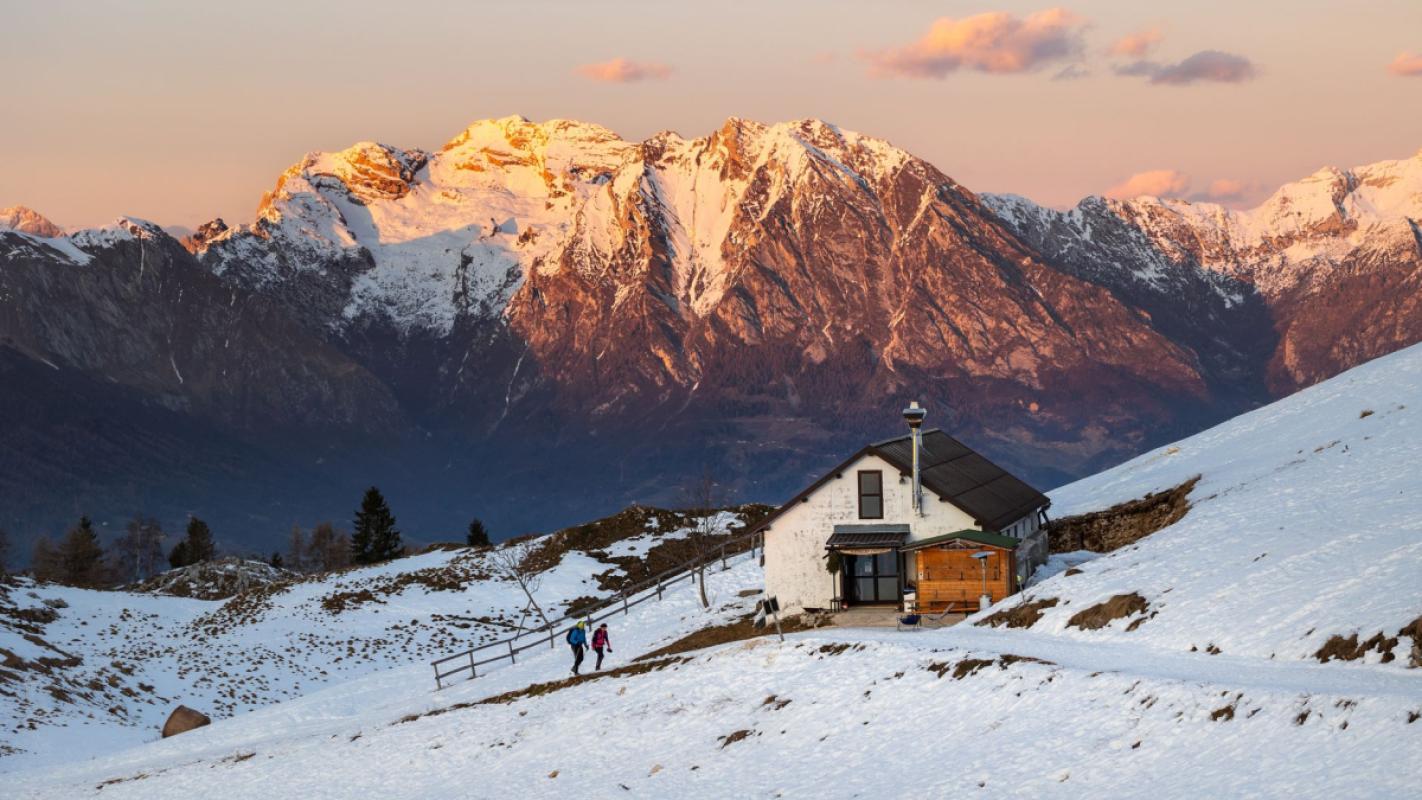
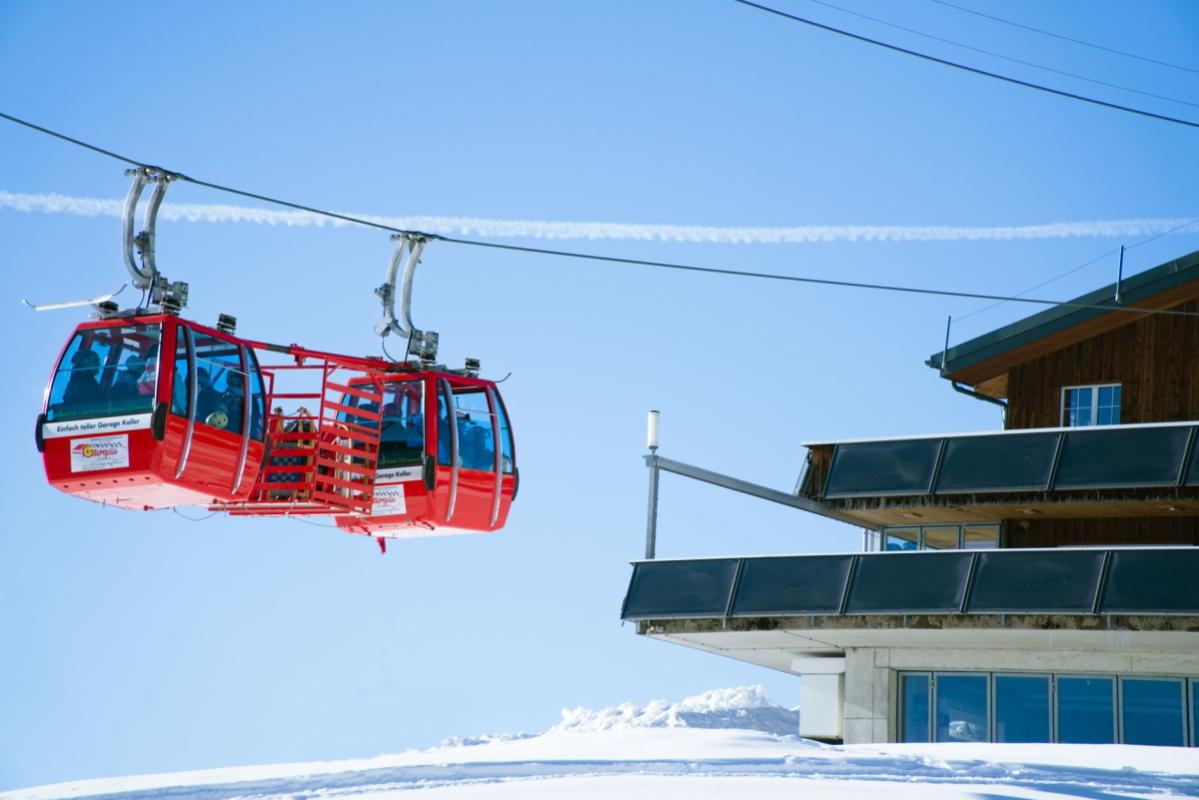
The classic warm‑up for the High Ridge begins at the upper meadows of Stóg Izerski—an easy introduction to open horizons. A historic mountain refuge sits just below the summit, and from its terrace the view falls directly onto the town and the undulating Izera Foreland. The feel here is spacious but not severe: enough altitude for sweep, enough shelter to linger over a thermos. If you’re saving legs or daylight, a gondola from Świeradów‑Zdrój shortens the approach, placing you close to the ridge itself.[6] ([de.wikipedia.org])
From Stóg Izerski the ridge path tips gently toward the frontier. Within an hour or two, the character shifts: the forest thins, the sky widens, and the steel silhouette of the Smrk tower rises above dark spruce. Smrk—known as Smrek in Polish—is the highest summit of the Jizera Mountains at 1,124 m. The current 20‑metre observation tower, inaugurated in 2003, stands squarely on the Czech side of the boundary and feels like a ship’s crow’s‑nest when the wind is up. On clear days the prospects are encyclopedic: east to the Karkonosze, north over the Polish ridges, and across to the Ještěd ridge and the Lusatian hills—a criss‑cross of countries laid out by light and weather.[3][1] ([en.wikipedia.org])
Who this ridge suits—and when
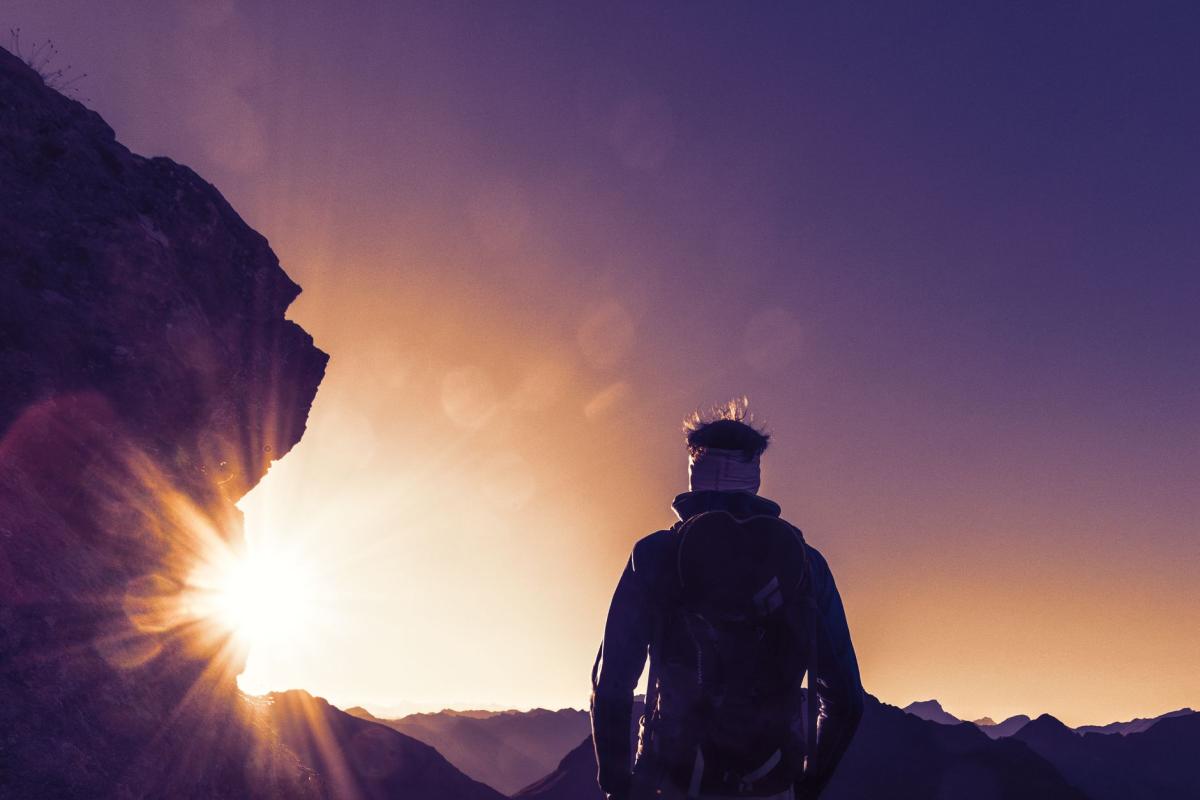
Photographers who prefer form and scale over intimacy will love the High Ridge any time the air is dry. Dawn puts the first side‑light on the Karkonosze; sunset sets the Izera tops adrift in cobalt and gold. In wind or rime, the ridge can feel Arctic. On those days, do the out‑and‑back to Smrk only if you have warm layers and margin for change; otherwise, bank the view from Stóg Izerski’s lee and call it a win. Families and first‑timers can make a half‑day loop using the easiest ascent and descent lines, with generous pauses at intermediate overlooks. Ambitious walkers link Stóg Izerski, Smrk, and one of the border saddles into a long figure‑eight that keeps the skyline in sight all day.
Eastward for the big sweep: Wysoki Kamień above Szklarska Poręba
Wysoki Kamień’s granite brow feels purpose‑built for long looks. At 1,058 m, the peak crowns the eastern end of the High Ridge above Szklarska Poręba and reads like a topographic index: Karkonosze in a proud arc to the south; the Izera Mountains rolling homeward to the west; the Jelenia Góra valley pooling below; and, on a lucid day, the Kaczawskie and Rudawy Janowickie etched beyond.[2] ([de.wikipedia.org])
Getting there is part of the charm. The red‑blazed Główny Szlak Sudecki (the Sudeten Main Trail) runs over the summit between Szklarska Poręba and Świeradów‑Zdrój, so a point‑to‑point day with public‑transport links is entirely possible. For a shorter round, the yellow‑marked path climbs from the famous road bend called Zakręt Śmierci (“Death Curve”) to meet the ridge and loop back with the red. Both choices are simple in good weather, and both reward an unhurried descent—granite warms beautifully here, and the afternoon light lasts longer than you expect.[2] ([de.wikipedia.org])
Light, wind, and safety on Wysoki Kamień
Wysoki Kamień faces the kind of open sky that flatters telephoto work at sunset—especially when a dusting of snow lines the Karkonosze ridgeline. It is also breezy. The rocky crown is fully exposed, with scant shelter until you drop back into the dwarf pine and spruce fringe. If gusts exceed your comfort, step down a few minutes from the top and work with partial frames; the view is only marginally narrower.
Across the border, architecture meets mountain: Ještěd Tower
Some viewpoints are beloved. Others become emblems. Ještěd Tower, a hyperboloid spire that fuses mountain hotel and television transmitter, is the latter for the city of Liberec. Atop Mount Ještěd, the tower’s tapering form seems to extend the peak rather than sit upon it—an engineer’s sleight of hand that makes the structure feel inevitable in the skyline. Ještěd is accessible by road; when operating, the historic cable car from Horní Hanychov hoists visitors toward the summit in minutes. The tower’s terraces and restaurant windows are vantage points in their own right, turning a city symbol into a literal camera platform.[4] ([en.wikipedia.org])
Plan Ještěd for days when cloud is building over the Karkonosze: the lower, outlying Ještěd ridge often holds a different micro‑weather. The architecture also rewards mixed‑light days—low sun glancing off concrete, storms trailing behind the ridge. If you’re pairing it with Smrk, do Smrk first for empty‑horizon drama and Ještěd late, when the city lights rise and the tower becomes lantern and landmark at once.
Bonus inspiration beyond the immediate radius: Sky Bridge 721
Not strictly within a 50‑kilometre day from Świeradów but too singular to ignore, Sky Bridge 721 at Dolní Morava is an engineering daydream turned real: a 721‑metre pedestrian suspension bridge strung high over a mountain valley in the Králický Sněžník range. Opened in 2022, it reads like a contour line lifted into the sky. On clear afternoons the bridge frames deep perspectives; on moody ones it skims right through cloud, giving you photographs that look borrowed from an alpine notebook.[5] ([en.wikipedia.org])
Build your own “day on views”
For beginners and families
- Sępia Góra and Świętojanki. Gentle grades, short time above the trees, and easy retreats if weather turns. You’ll still see the town, the High Ridge, and—on good days—the Lusatian and Karkonosze ranges.[1] ([swieradowzdroj.pl])
- Town balconies to Stóg Izerski’s lower viewpoints. Follow waymarked rest‑stops on the approach road for big looks without committing to full ridge exposure.[1] ([swieradowzdroj.pl])
For hikers ready to taste the ridge
- Stóg Izerski out‑and‑back with a terrace linger. If conditions allow, extend to the border saddle for a feel of open country; return the same way for a calm, readable day. Gondola uplift, when available, makes this a relaxed introduction.[6] ([de.wikipedia.org])
- Wysoki Kamień from Szklarska Poręba. Up one trail, down the other: red via the Sudeten Main Trail and yellow via Zakręt Śmierci, or vice versa. The rock crown begs for an unhurried hour up top.[2] ([de.wikipedia.org])
For long‑view purists
- Full High Ridge sampler: Stóg Izerski – Smrk – border saddle loop. Expect long sky, fast‑moving weather, and the widest cross‑border perspectives: Karkonosze east, Ještěd and the Lusatian hills west.[3][1] ([en.wikipedia.org])
- Architecture and atmosphere: Smrk for scale, Ještěd for silhouette. Start with Smrk’s steel tower for the clean horizon, end with Ještěd’s terraces when Liberec lights like a constellation below.[4] ([en.wikipedia.org])
Golden hours, wind windows, and other field notes
- Sunrise favors Karkonosze‑facing frames. If your goal is serrated peaks in pastel light, Wysoki Kamień and exposed sections near Stóg Izerski deliver. Sunset warms the High Ridge and the Izera Foothills; compositions from Sępia Góra and the road‑side lookouts hold color well after the sun drops.
- When the wind is up, think partial shelter. Sępia Góra’s glades and town‑edge terraces are less punishing than Smrk’s tower, which amplifies gusts. Ještěd’s concrete shoulders handle weather better than most, but the summit still behaves like a wind funnel—pack accordingly.[4] ([en.wikipedia.org])
- Keep your loops logical. In changeable weather, build bail‑outs: contouring tracks beneath the crest, forest lanes that drop quickly to the spa, or out‑and‑backs that return to the same shelter. On high‑confidence days, link two panoramas—the human‑scaled town lookouts first, the continental ridge second—to feel the landscape grow.
- Use lifts sparingly and verify operations. Uplift from Świeradów places you near Stóg Izerski’s crest when running, but treating it as a nice‑to‑have rather than a plan‑critical element keeps your day resilient.[6] ([de.wikipedia.org])
In the end, a day on views from Świeradów isn’t just about range‑collecting. It’s the texture of granite under your palms at Wysoki Kamień, the way spruce smells when sun strikes after rain, the hum in your legs as Smrk’s tower cuts a darker stitch against a sky going gold. Choose one horizon or three. Walk slow. Let the town’s curative pace follow you up the hill and, for once, measure time in angles of light rather than hours.