Cross‑country from a Świeradów base: Jakuszyce and the Czech Jizerská magistrála
Świeradów‑Zdrój makes an exceptional winter base for skiers who want both Poland’s famed Jakuszyce trails and the Czech Jizerská magistrála within easy reach. This evergreen guide lays out classic loops, mellow family circuits, cross‑border connectors, and where to check maps, grooming, and on‑trail etiquette.
The first thing you notice in Świeradów after a fresh snowfall is the hush. Spruce hold their breath, the wooden spa hall smells faintly of resin, and overnight the hills above town turn into a clean white lattice. From here, you can point your skis either way: east to Jakuszyce’s broad, groomed arteries; south across the border to the Czech Jizerská magistrála. Two networks. One cozy base.
Why base yourself in Świeradów‑Zdrój
Świeradów‑Zdrój is a compact spa town tucked into the Kwisa valley at the foot of the Jizera Mountains. The legacy is balneological—mineral waters, radon and peat therapies—but the rhythm today is dual: treatments by afternoon, skiing by morning. The gondola to Stóg Izerski rises from the edge of town, and with it the promise of high, wind‑combed snow and a mountain hut for hot soup when the weather turns. For skiers who like to mix a few hours on track with time in the spa, Świeradów gets the balance right.[6]
Jakuszyce: Poland’s engine room for classic and skate
Just over the ridge from Świeradów, Polana Jakuszycka has become synonymous with cross‑country in Poland. Trails unfurl in every direction here—wide, regularly groomed, with spurs that roll out into the forest and return in smooth, reliable curves. The Dolnośląskie Centrum Sportu at Jakuszyce anchors the network; its stadium is the natural gateway for first‑timers and veterans alike. Expect an extensive, graded system suitable for everything from family laps to exhaustive marathon prep, with equipment hire and instruction available in season. The arena’s groomed mileage typically totals around one hundred kilometers, and the site hosts the country’s best‑known ski marathon, Bieg Piastów.[1][2]
What sort of day does Jakuszyce reward? The classic “first taste” is an easy out‑and‑back on rolling terrain from the stadium into the forest, giving you time to settle into your kick‑and‑glide and learn the local etiquette: keep off the set track if you’re skating; don’t trample classic grooves; call your pass early and clearly; yield to those descending; and leave the trails as pristine as you found them. You’ll feel the area’s scale from the start—these are broad, winter roads, lined with spruce, built for rhythm and flow.
For a full but friendly outing, aim for Orle. The old forester’s settlement-turned mountain station sits in a quiet hollow, and on most winter days the hut windows throw a warm rectangle of light across the snow. It’s the kind of stop where you lean your skis in a crescent, step inside for soup or tea, then step back out with warmer hands and better glide. From Orle, stronger skiers can press on toward the open expanse of Hala Izerska—Izera Meadow—then arc west to the low buildings of Chatka Górzystów for a late lunch, before looping back on the wide forestry avenues. The return feels quick with a tailwind across the meadow and that soft squeak of cold, well‑set snow underfoot.
Planning tips for the Polish side:
- Maps and grooming: before you go, check the official channels for Dolnośląskie Centrum Sportu/Polana Jakuszycka for which loops were groomed overnight and which connectors are open. Conditions change with wind and temperature; base your loop on the freshest machine‑track.
- Starts for beginners: use the stadium loops first—flatter, wider, with clear double classic grooves and an adjacent skate lane—then branch to forest circuits once you’re comfortable with descents.
- Family days: pick a hub‑and‑spoke plan—one parent laps the stadium with the kids while the other strings a longer loop via Orle; trade at lunch.
- Cross‑border links: the quiet valleys around Orle line up neatly with Czech tracks when snow and signage allow; bring an ID and watch the boards at junctions for what’s groomed on each side that week.
Across the border: the Jizerská magistrála, from Bedřichov to Jizerka and Smědava
The Czech network feels like a different dialect of the same language: a web of winter highways knitting together hamlets, glassmaking clearings, and high meadows. The Jizerská magistrála is the umbrella term, and its cultural heartbeat is the Bedřichov stadium—start and finish of the Jizerská 50. If you’ve ever watched footage of that race—the river of skiers cresting a small rise at sunrise—you’ve seen the route thread past Nová Louka and Knajpa toward Smědava and the open plateau of Jizerka before turning home. These place‑names aren’t just checkpoints; they’re natural hubs for classic day loops.[3]
Where to begin on the Czech side, coming from Świeradów?
- Bedřichov stadium: Classic intro circuits fan out here, with gentle early kilometers and wide passing. On a calm morning it’s easy to fall into cadence before the small rollercoaster toward Hřebínek. Stop for a thermos break near Nová Louka—flat meadow, big sky—and decide whether to turn a neat 12–15 km circuit or push deeper toward Krásná Máří and back. Bedřichov is a bona fide ski hub with a long cross‑country tradition.[4]
- Smědava: A high junction hemmed by dark spruce and the hiss of the Smědá’s headwaters. From here, the Promenádní road slides gently to Jizerka. It’s a forgiving out‑and‑back for families on a blue‑sky day, with room to practice steady classic technique and admire the moody tors and larch margins that define this upland.
- Jizerka (Mořina/Jizerka village): The high hamlet has a frontier feel—long views, low houses hunkered against the wind, basalt hillocks like Bukovec anchoring the skyline. Start at Mořina and link the broad valley tracks to Smědava and back; or trace a loop up the Vlašský hřeben spurs before gliding home on Promenádní. Either way, the light up here feels extra clear on cold days.[5]
- Nové Město pod Smrkem: On the range’s northern lip beneath Smrk Peak, this is the low gateway for skiers combining a border visit with a lap in the forests above town. It’s a good option when wind is strong higher up.
Etiquette and planning here mirror the Polish side: keep right; call your pass; respect the skate/classic division; and check the magistrála’s official grooming updates on the morning you ski. The Czech system is dense and well signed—easy to extend a loop if you’re feeling strong, or to cut it short if the weather turns.
Short, scenic kilometers around Stóg Izerski
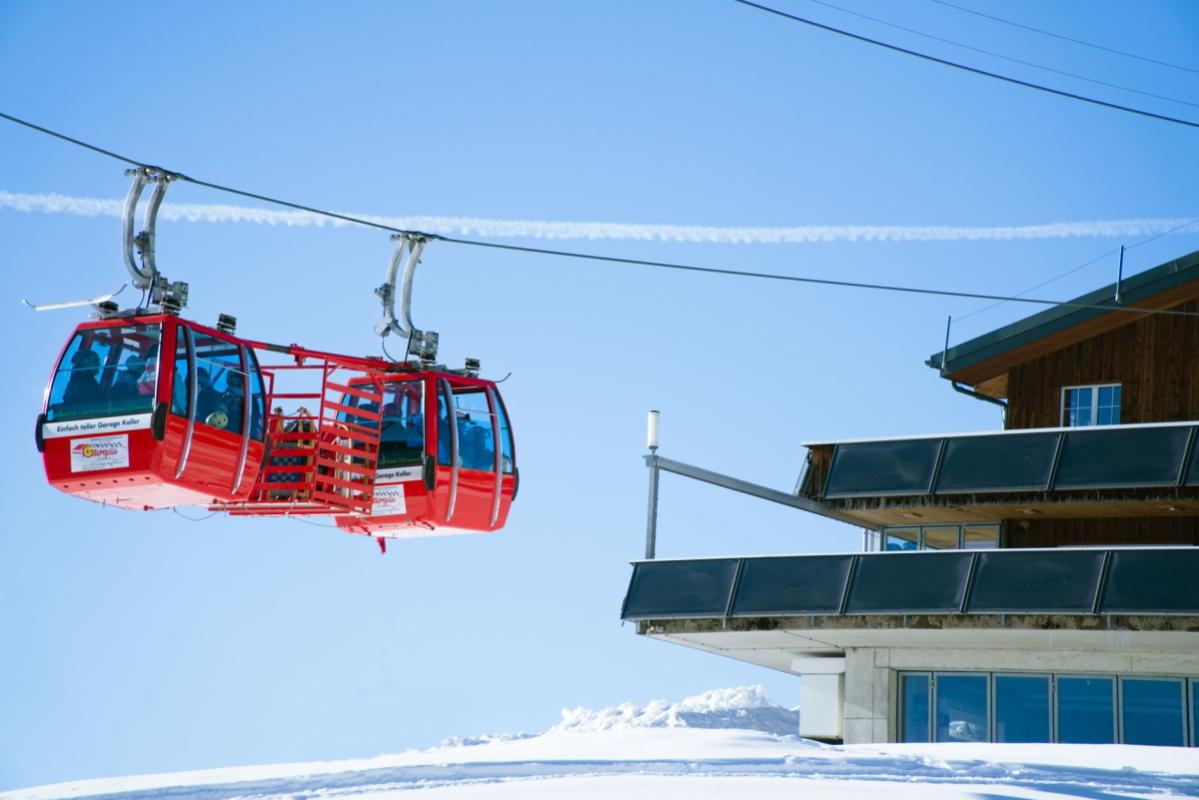
Not every day needs to be long. When the forecast suggests a high‑cloud day with wind on the crest, ride Świeradów’s gondola to the upper station below Stóg Izerski. In a typical winter, groomed cross‑country tracks intersect near the top station, which makes this a convenient place for a short, high‑view session. Keep well clear of the downhill piste and follow on‑site signage—alpine and Nordic lines cross here in a tight space—and be extra alert near junctions when visibility drops.[4]
Two easy ideas: slide a short out‑and‑back along the crest while the clouds play with the trees’ rime, then duck into the Schronisko PTTK na Stogu Izerskim for something hot. The hut opened in 1924 and sits a few minutes below the summit, with windows that frame Świeradów far below and, on good days, a stripe of the Karkonosze on the horizon. The gondola’s upper station lies just east of the hut—your cue to time a last, lazy kilometer back for the ride down.[5]
Classic loops to string together—evergreen picks
From Jakuszyce
- Stadium loops sampler: Warm‑up circuits on the flattest tracks from the Polana Jakuszycka stadium. Ideal for families and first‑timers; bailouts at every junction. Build up to a mellow forest spur and home before lunch.[1]
- Orle out‑and‑back: Gentle rolling terrain to the forest station; take a long break, then return on quiet avenues. If legs allow, extend toward Hala Izerska—the open meadow is a winter postcard on still days.
- Hala Izerska–Chatka Górzystów traverse: For confident intermediates. The payoff is the sense of space across the meadow and a hut lunch before you thread back into the trees. Go early for firmer tracks.
On the Czech magistrála
- Bedřichov–Nová Louka–Hřebínek loop: A classic training circuit with variety but no brutal climbs—good for refining technique and pacing. Add a spur toward Krásná Máří if the glide is right.[3][4]
- Smědava–Promenádní–Jizerka–Smědava: Gentle, wide, and panoramic. When the wind is quiet, this is as family‑friendly as the range gets.
- Jizerka plateau loop: Start at Mořina; stitch together the broad valley tracks with one higher spur; drop back through the hamlet as blue smoke rises from chimneys in late afternoon.[5]
Cross‑border connectors, safety, and on‑trail manners
- Crossing the line: The Jakuszyce web links naturally into Czech tracks around the Izera valley and Jizerka. Carry ID. Wayfinding is straightforward in good weather, but junctions can be busy—yield to through‑traffic and avoid stopping in bottlenecks.
- Maps and grooming: Use the official online grooming maps for both networks: the Dolnośląskie Centrum Sportu/Polana Jakuszycka on the Polish side and the Jizerská magistrála operator on the Czech side. In town, Świeradów’s information points and hotels usually stock paper trail maps and can point you to the day’s best‑set loops.[1]
- Etiquette: Keep right except when overtaking; announce “on your left” early; don’t step in classic tracks when walking or skating; yield to skiers descending; no dogs on groomed race loops; carry a headlamp if you may finish at dusk; and leave room on the climb for faster skiers.
- Weather sense: The Izera crest can turn quickly. In flat light or wind, favor forest circuits and the high‑meadow edges rather than committing to exposed spurs.
- Families and first‑timers: Start on stadium or meadow loops, keep snacks reachable, and practice double‑poling and herringbone on the gentlest pitches before tackling rolling connectors.
And the return? This is where basing in a spa town shows its genius. You’ll unclip within minutes of a sauna or radon bath, still feeling the tiny crystals of blown snow on your face as you settle into warm wood and low light. Then you’ll notice something else: with two world‑class Nordic networks on your doorstep, tomorrow’s loop practically chooses itself.