Above the clouds, under the hills: family science-and-engineering day trips from Świeradów-Zdrój
Base yourself in Świeradów-Zdrój and spend two or three slow, curiosity-led days across three neighboring landscapes. Mornings on Ještěd’s cloud-brushing summit, hands-on science and white tigers in Liberec, a record-length suspension footbridge in Dolní Morava, and the story of uranium in the Kowary Adits.
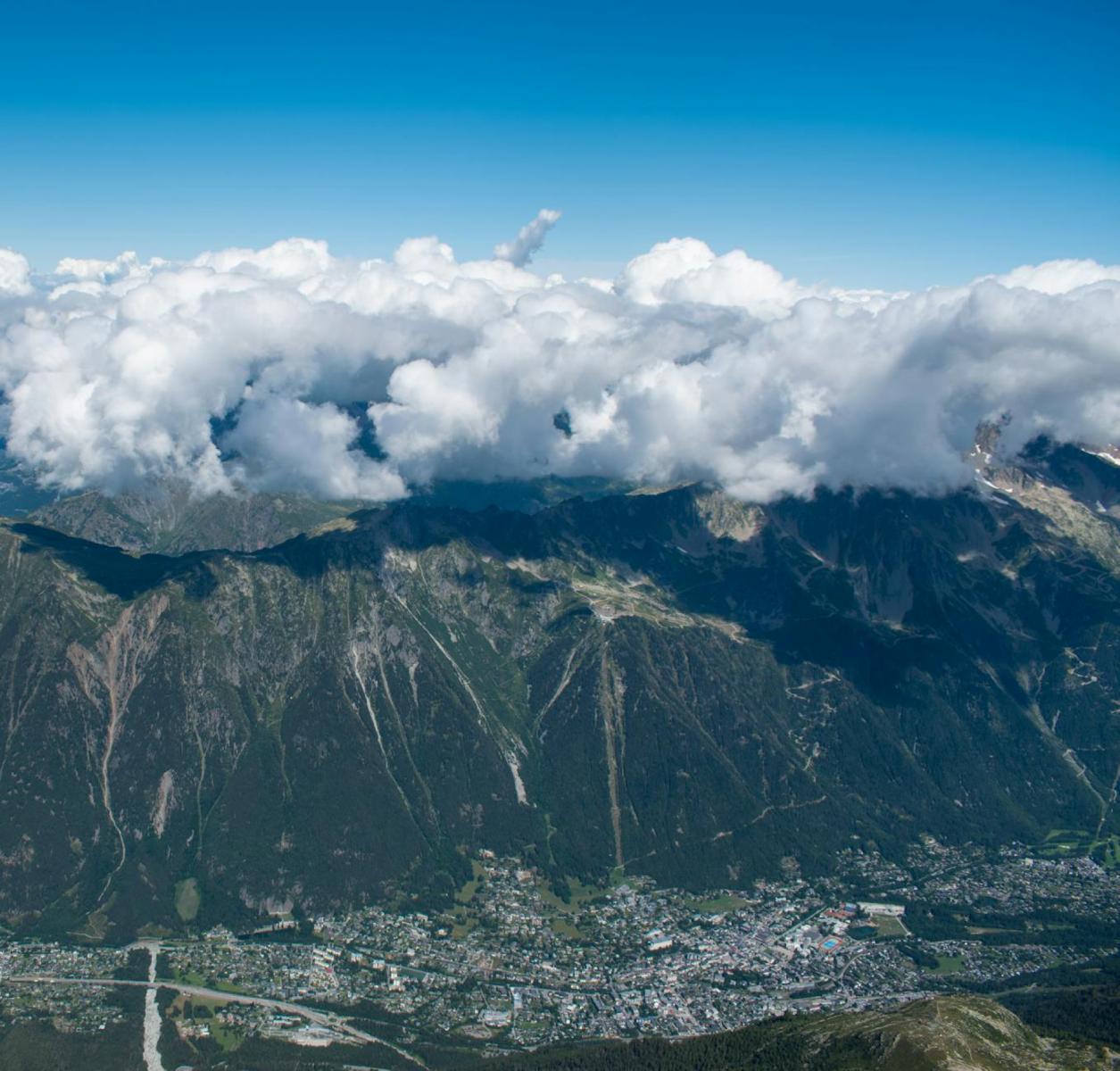
The first thing that greets you in Świeradów after a night rain is the sharp, resinous scent of spruce. The wooden gallery creaks softly, and mist lifts in torn veils off the Izera ridges. From here, three neighboring worlds sit within reach: the Czech north with its modernist beacon on Ještěd; a valley city where science has a laboratory for every sense; and the high shoulders of Králický Sněžník where a silver thread of a bridge stitches two ridgelines. Swing back across the border and you’re underground in Kowary, the air cool and mineral, a different kind of lesson.
Day 1 — Ještěd: architecture that solved a mountain
That tapering needle on the skyline above Liberec belongs to Ještěd, a 1,012‑metre summit whose profile is so distinctive you can spot it from the Polish side on a clear morning. The tower on its crown is both transmitter and shelter, a single hyperboloid form that holds a hotel and a restaurant inside — proof that engineering can respect the line of a hill and still do hard work.[1] The building was designed in the 1960s by Karel Hubáček; the tower opened in 1973, its concrete shell and tuned mass dampers built to shrug off summitside winds. Step inside for the low hum of equipment, pale timber, and rings of glass catching distance-light; step outside and the wind picks up the high note again.[2] ([en.wikipedia.org])
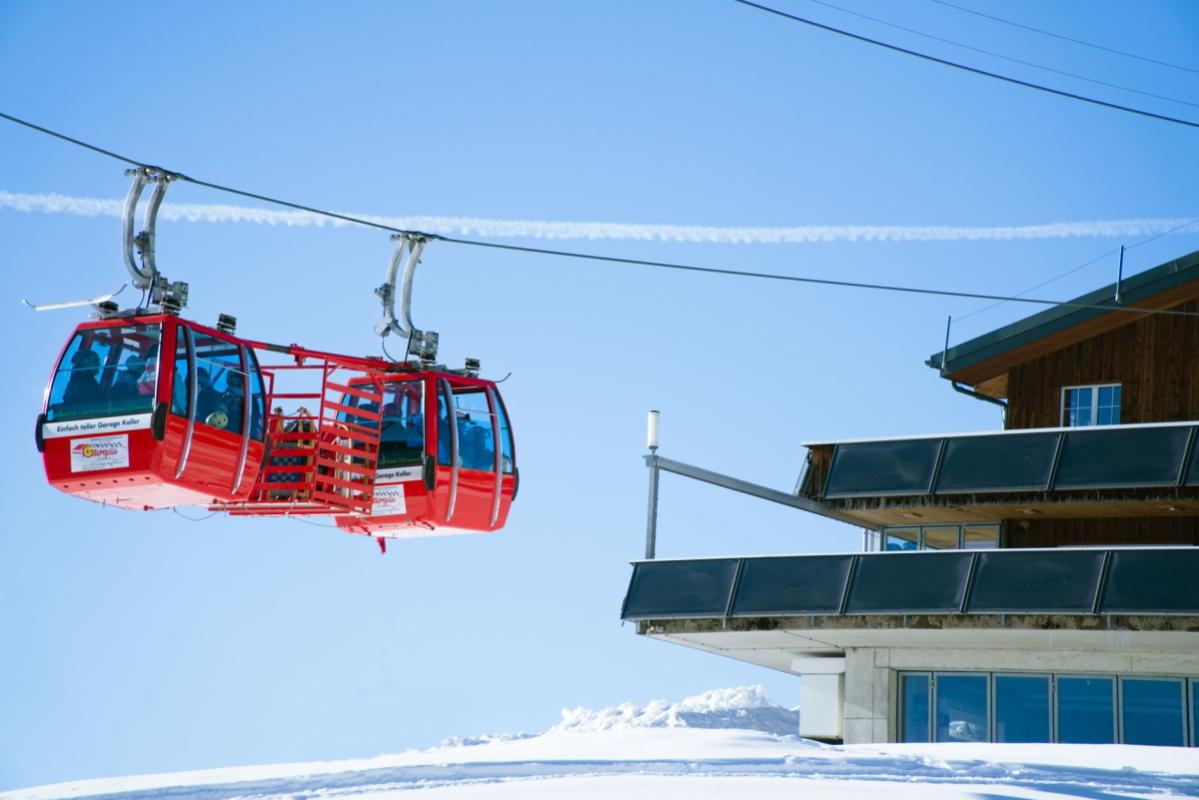
Reaching the top is its own lesson in pragmatism. The mountain road switchbacks through spruce to a shoulder beneath the tower, with trail options if you prefer to earn the view on foot. A historic cable car once carried visitors to the summit from Liberec’s foothills, but after an accident on October 31, 2021, the aerial line has remained closed; current planning leans toward replacement rather than repair, so for now think wheels and hiking boots, not gondolas.[3] ([en.wikipedia.org])
How to use the morning
Arrive early, before the lunch crowd, when the weather is most stable and the sky sharp. Even on a moody day the architecture reads beautifully — a white pencil lifting the last wisps of cloud. Coffee in the tower restaurant frames the horizon in 360 degrees; you’ll notice, if you linger, how the light migrates in panes, making the room itself part observatory, part classroom.[2] ([en.wikipedia.org])
Day 1 (afternoon) — Liberec: a city for the curious
iQLANDIA: where everything invites a hand
Down in Liberec, iQLANDIA builds a day around touch and experiment. Opened in 2014, the center spreads across multiple floors and a suite of themed zones—geology to human senses, space to the physics of sound—with roughly four hundred interactive exhibits. There’s a 3D planetarium in the cupola and the occasional encounter with a humanoid robot that speaks, which delights kids and robs adults of their composure in equal measure.[4] ([de.wikipedia.org])
It’s an easy fallback when the forecast wobbles: you can spend hours cycling between short demos, hands-on “try‑this” challenges, and a show under the dome. The experience is built to be language-light—icons, dials, numbers—so families moving between Polish, English, or German find the gist without effort. For scheduling (planetarium shows and special science demos), check the center’s site on the morning you go; many visitors spend three to four hours here and never feel rushed.[4] ([de.wikipedia.org])
Liberec Zoo: lessons with stripes
Pair iQLANDIA with a quieter walk through Liberec Zoo, the oldest in Czechia, founded in 1904, where leafy paths fold you into a campus that mixes classic enclosures and newer habitats.[5] The zoo is widely associated with its white tigers, long the garden’s emblem, a teachable moment about genetics and conservation myths that older kids will chew on as eagerly as the little ones stare and point.[6] Bring snacks, set a gentle pace, and let the animals choose the rhythm of your afternoon.[5] ([en.wikipedia.org])
Day 2 — Sky Bridge 721: engineering strung between ridges
On Dolní Morava’s high ground, the forest parts and a line appears in the air — cable, mesh, anchors sunk like punctuation into rock. Sky Bridge 721 stretches, as named, for 721 metres, a one‑way suspended footbridge opened in May 2022, hung up to 95 metres above the valley floor. You feel it first in your knees: the slow, tidal sway, footsteps transmitting a communal rhythm across a living structure. The deck is narrow, the handrails taut; wind talks in wires.[7] ([en.wikipedia.org])
The approach itself is part of the lesson. The entrance sits near the Slaměnka chalet at the upper station of the Sněžník chairlift; you can ride up from the resort or hike on marked trails if legs demand movement before the crossing. Operators run the bridge one‑way and regulate entries by timed slots; high winds or rime can briefly close it, so always confirm conditions before you commit to the drive.[8] Families with younger walkers tend to go early, when crowds are thinner and the sway reads as a whisper, not a chorus. ([cs.wikipedia.org])
On the far side, the route continues as a short educational trail — panels and a storyline fold local history, forestry, and outdoor ethics into the arc of the walk. It’s field school disguised as fun: tension versus compression, human footprints in fragile places, and the simple social miracle of taking turns on a shared span.[8] ([cs.wikipedia.org])
Day 3 — Kowary Adits: underground with a guide and a lamp
Back on the Polish side, the hills above Kowary hold a different archive. The tourist‑educational route known as the Kowary Adits threads former uranium workings — the Liczyrzepa complex among them — into a safe, guided walk through geology and 20th‑century industry. Rock sweats in beads; lamps pick out iron stains and crystal freckles in the walls; the temperature drops to a steady cool. Children listen harder underground. The story here is careful and sober, told in chambers and side corridors where extraction lines once ran and where, later, public health uses briefly replaced mining.
Guides lead the line and set the pace. Expect a focus on rock types, ore veins, and how mines breathe; on safety rules that turned chaos into protocol; and on the Cold War context that made Kowary both secretive and strategically important. It’s not a day for strollers or flip‑flops. Long sleeves, curiosity, and the willingness to ask your guide a simple, child‑framed question — "how do we know it’s safe in here?" — are all you need.[9] ([en.wikipedia.org])
Putting it together — slow days, smart rhythms
Base yourself in Świeradów-Zdrój and you can spool these experiences into two or three evergreen day trips without ever feeling hurried. The town’s spa cadence favors mornings that start early and finish with a walk before dinner; its valley setting keeps the drives scenic, never dull, and puts the Czech frontier within easy reach.[10] ([en.wikipedia.org])
- Two‑day version: Day 1 on Ještěd and Liberec (iQLANDIA first if rain is likely, then zoo when the clouds lift). Day 2 in Kowary, keeping the bridge day in your pocket for a future visit.
- Three‑day version: Give each theme its own stage. Day 1 Ještěd (architecture meets landscape). Day 2 Liberec (hands‑on science, then animals). Day 3 Dolní Morava (Sky Bridge 721 as your open‑air lab). If your crew prefers an under‑over pairing, swap the order: underground in Kowary, then a ridge‑line crossing for contrast.
Practical notes for families
— Weather rules the day on summits and suspension bridges. Carry a light shell and warm layer even in July. On Ještěd, plan for a hike or drive: the cable car remains out of service following the 2021 accident.[3]
— Science centers are generous buffers for moody forecasts. iQLANDIA’s mix of zones and a planetarium show can easily fill a half‑day; check program times in advance.[4]
— Zoos and adits set the tempo. In Liberec, use the white tigers as a springboard for a talk about genetics; underground in Kowary, let rock and routine explain engineering safety.
End one of these days back in Świeradów with slow steps under the colonnade, or a bench above the river where kids can name constellations they “met” that afternoon. The resin smell is back; the ridges are indigo against the last light. Science, it turns out, is best learned with wind in your ears and a little grit on your boots.